
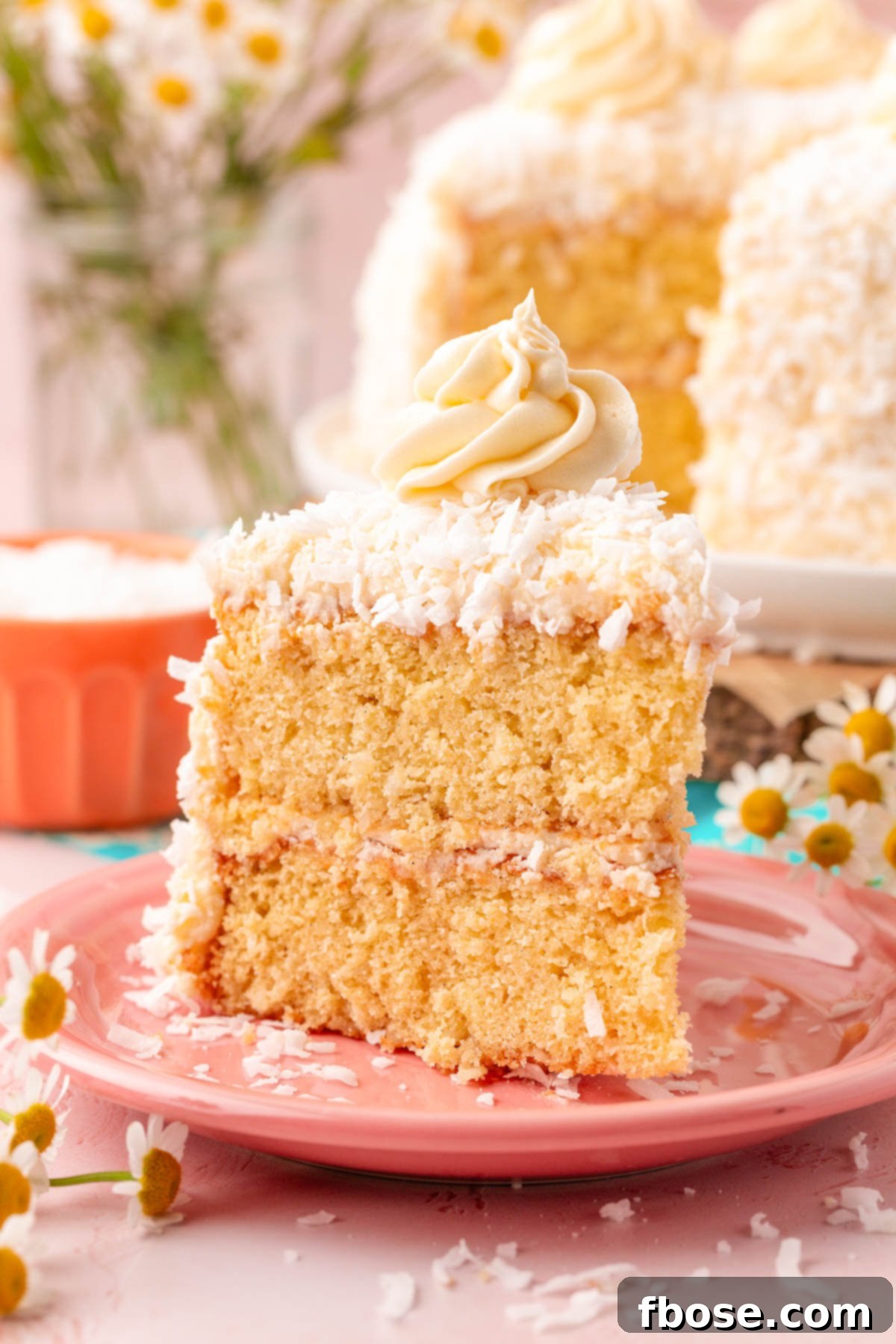
Indulge in the sublime sweetness of this **Classic Coconut Cake**, a truly iconic Southern dessert! This recipe delivers a double-layered masterpiece: a cake so deliciously light and fluffy, infused with rich coconut flavor, all generously coated in a decadent, tangy cream cheese frosting and blanketed with sweetened flaked coconut. It’s an absolute dream come true for any dessert lover.
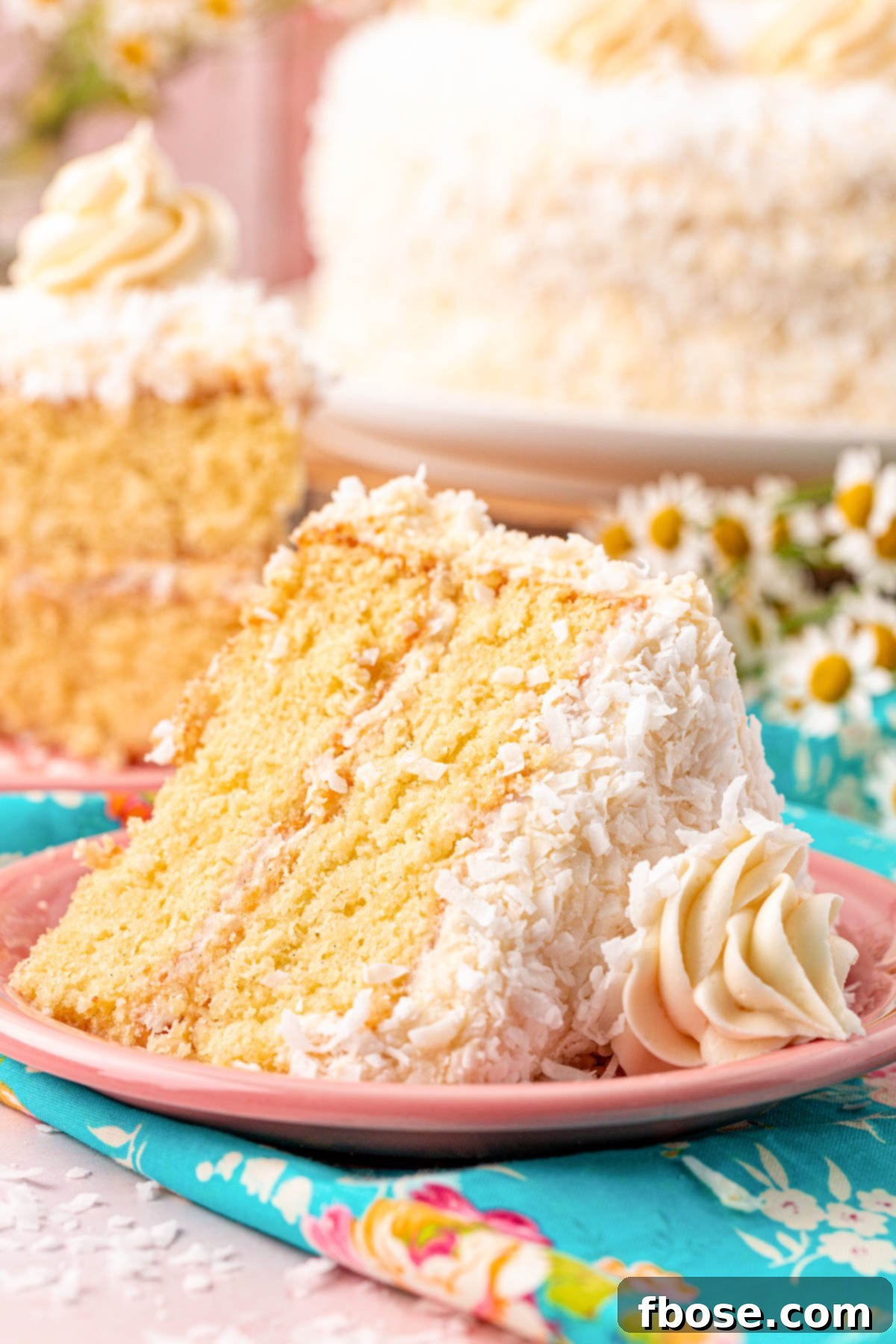
The Ultimate Classic Coconut Cake with Coconut Cream Cheese Frosting
As spring approaches and the anticipation of warmer days fills the air, there’s no better way to celebrate the change of seasons than with a slice of this magnificent Classic Coconut Cake. Its distinctively fresh and lightly sweet coconut flavor creates an unparalleled taste experience, perfectly complemented by the rich, tangy, and impossibly creamy coconut cream cheese frosting. This isn’t just a dessert; it’s a celebration, a promise of sunny days, and a guaranteed crowd-pleaser that will brighten any occasion, especially Easter gatherings or springtime brunches.
What makes this coconut cake truly unforgettable? It’s the meticulous attention to achieving an exquisite texture. To ensure a cake that is exceptionally light and airy, I’ve incorporated a technique of whipping egg whites separately to stiff peaks before gently folding them into the batter. This method introduces delicate pockets of air, resulting in an incredibly tender crumb that melts in your mouth. This airy, fluffy texture, combined with the profound sweet coconut flavor, defines the essence of this cake, making it the ideal centerpiece for your Easter Sunday feast or any special moment worth savoring.
With its silky smooth, rich coconut-infused frosting elegantly finished with a generous coating of sweetened flaked coconut, this Classic Coconut Cake is more than just a dessert – it’s a showstopper. Every bite offers a harmonious balance of sweetness, tanginess, and the irresistible tropical essence of coconut, promising an experience that will leave a lasting impression on everyone fortunate enough to try it.

Essential Ingredients for Your Perfect Homemade Coconut Cake
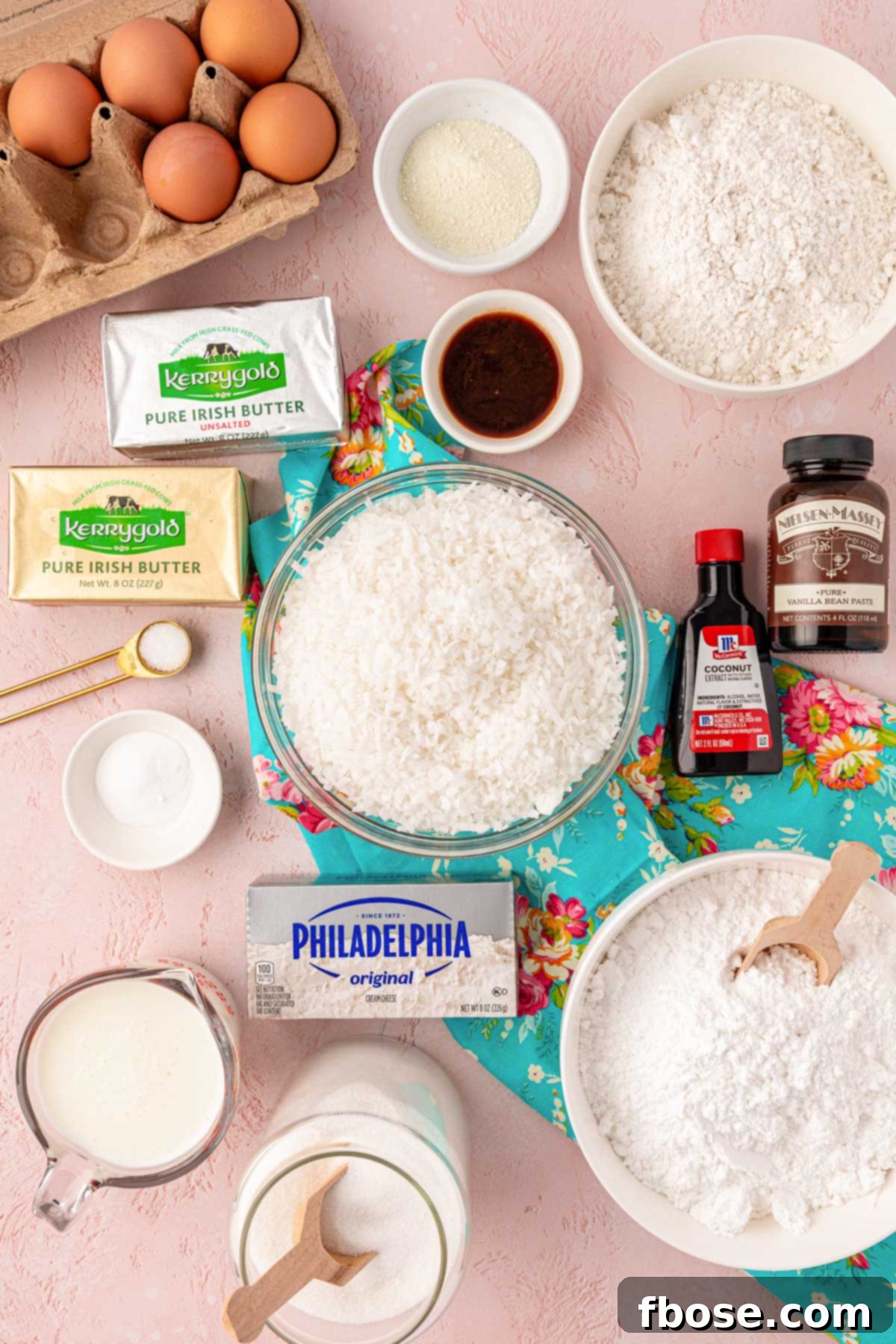
Crafting this homemade coconut cake masterpiece begins with selecting the right ingredients, each playing a crucial role in achieving its signature flavor and texture. For the cake layers, we combine a foundation of cake flour – preferred for its lower protein content that yields a tender, delicate crumb – with essential leavening agents like baking soda. Large eggs, separated into whites and yolks, provide structure and richness, while buttermilk adds a subtle tang and ensures profound moisture. Powdered milk contributes to a softer texture and richer flavor, and a touch of salt balances the sweetness. Unsalted butter provides richness and helps create that wonderful crumb.
To infuse the cake with its distinctive sweet coconut taste, we incorporate high-quality sweetened flaked coconut directly into the batter, alongside granulated sugar for sweetness. Vanilla bean paste offers a luxurious depth of vanilla flavor, while coconut extract amplifies the natural coconut essence, ensuring a truly tropical experience in every bite.
The magic continues with the decadent coconut cream cheese frosting. This luscious topping is crafted from rich cream cheese, perfectly balanced by salted butter for an ideal blend of tang and creaminess. Powdered sugar provides the necessary sweetness and structure, while heavy cream contributes to its light and fluffy consistency. Further enhancing the flavor profile, both vanilla extract and coconut extract are added to the frosting, creating an irresistible aroma and taste. Finally, to complete this spring-inspired cake, we generously press additional sweetened flaked coconut into the frosting. This not only adds a delightful textural element but also elevates the intense coconut flavor, making each slice a truly divine experience.
Step-by-Step: Crafting Your Fluffy Coconut Cake Layers
- Preheat your oven to 350°F (175°C). Carefully grease two 9-inch round cake pans. For an optimal release, use a high-quality non-stick baking spray or prepare your pans with a homemade cake goop. Alternatively, line the bottom of each pan with parchment paper, then coat the sides with nonstick spray. Proper pan preparation is crucial for ensuring your delicate cake layers release cleanly.
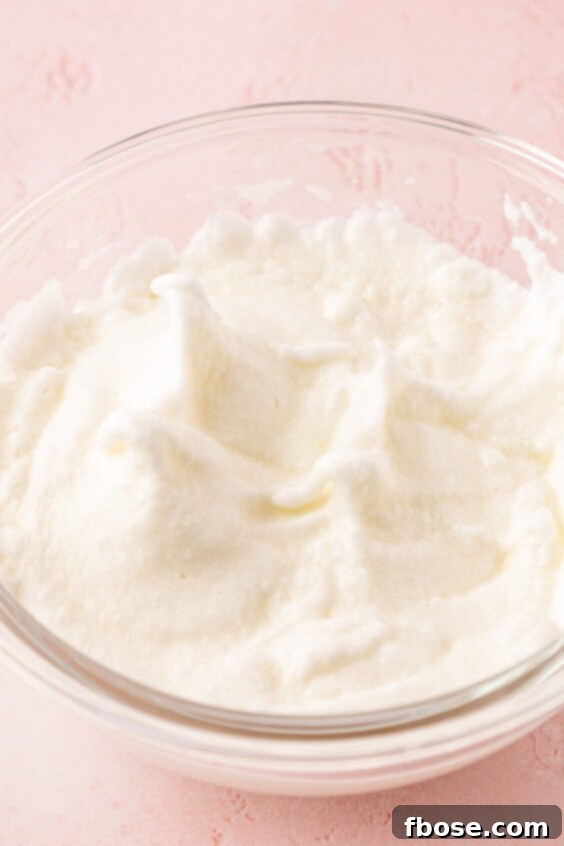
- In the clean bowl of a stand mixer, fitted with a whisk attachment, add the 4 large egg whites. Ensure these egg whites are at room temperature, as this allows them to whip up to their maximum volume. Beat on medium speed (speed 4) for about 2 minutes, then increase the speed to high (speed 6) and continue beating for approximately 1 additional minute, until stiff, glossy peaks form. When you lift the whisk, the egg whites should hold their shape firmly. Carefully transfer these perfectly whipped egg whites to a separate small bowl and set them aside. They will be gently folded into the batter later, imparting that wonderfully light and airy texture to your cake.
- In a separate small bowl or liquid measuring cup, combine 1 cup of room temperature buttermilk with 1 teaspoon of baking soda. Stir gently to ensure they are well mixed, then set this frothy mixture aside. The buttermilk’s acidity will react with the baking soda, creating a powerful leavening action that contributes to the cake’s tenderness and rise.
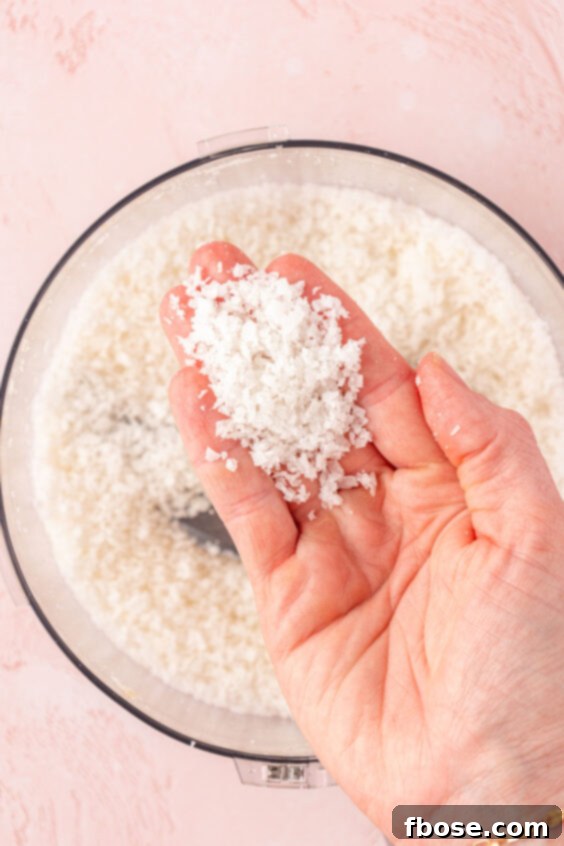
- To enhance the coconut flavor and ensure it’s evenly distributed throughout the cake without large, chewy bits, add 1⅓ cups of sweetened flaked coconut to a food processor. Pulse the coconut a few times until the flakes are finely minced. They should resemble small, fine grains rather than long shreds. This step is key for a smooth, uniform crumb with integrated coconut flavor.
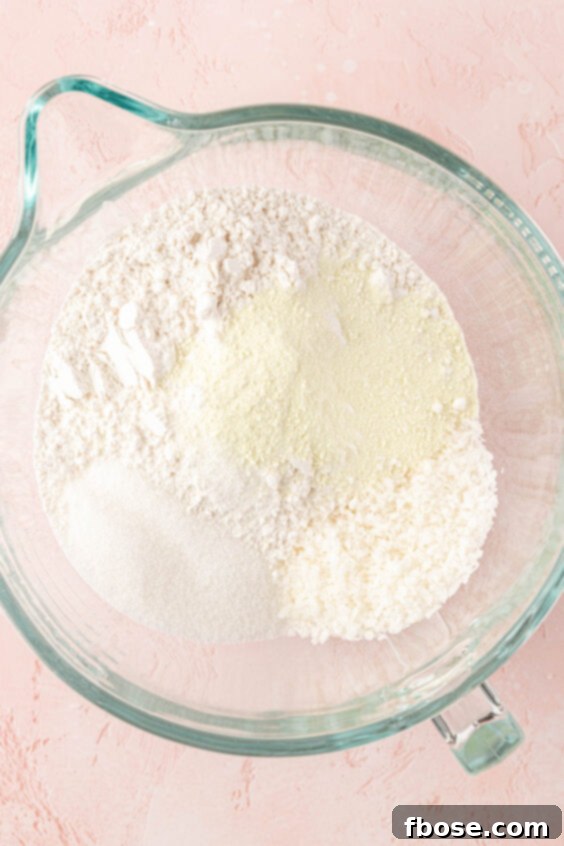
- Transfer the finely processed coconut flakes into the (now empty and cleaned) bowl of your stand mixer. Add 2 cups of cake flour (for precision, measure 260g if possible), 2 tablespoons of powdered milk, 2 cups of granulated sugar (400g), and ¾ teaspoon of salt. Mix these dry ingredients together on low speed for about 30 seconds, ensuring they are thoroughly combined before the wet ingredients are introduced.
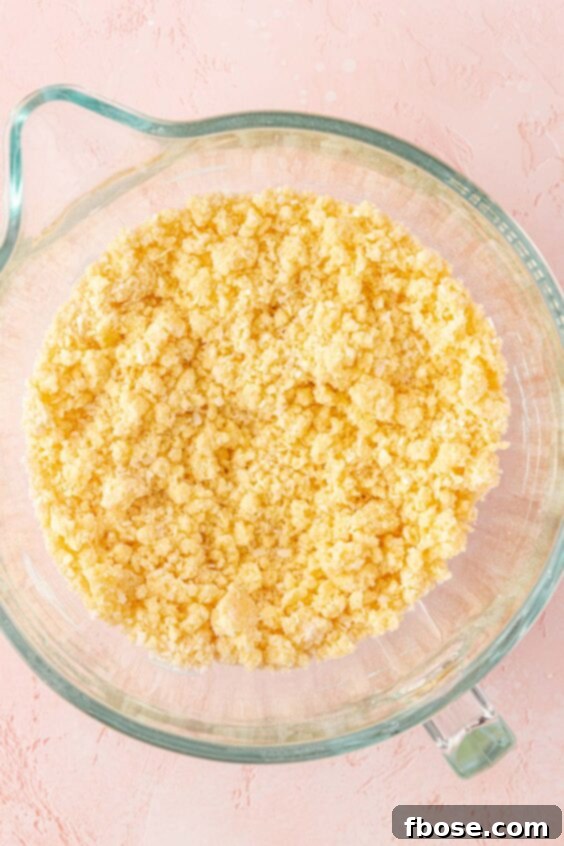
- Add 1 cup of softened unsalted butter (also at room temperature) directly into the dry ingredients in the stand mixer. Beat on medium-low speed until the butter is fully incorporated into the flour mixture, and the entire mixture takes on a sandy or crumbly texture. This “reverse creaming” method helps to coat the flour particles in fat, which inhibits gluten development and results in an exceptionally tender, fine-crumbed cake.
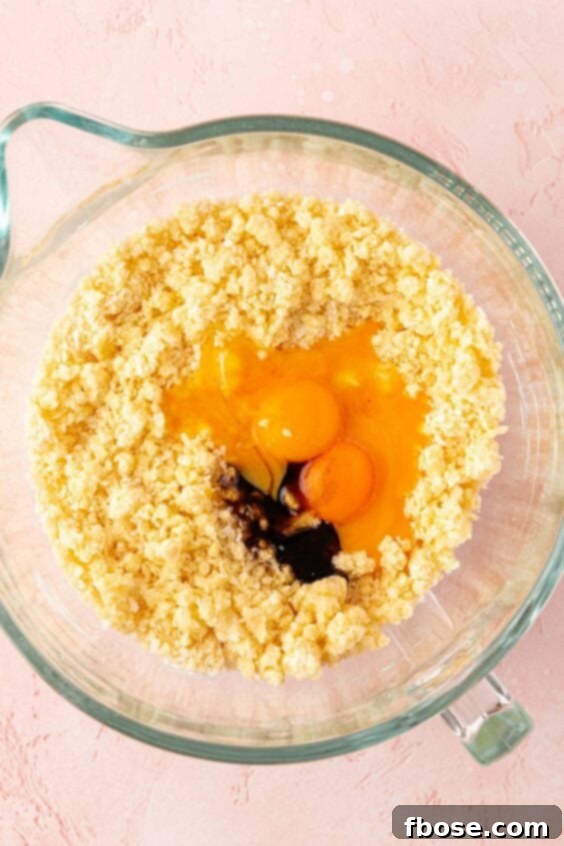
- Stop the mixer and use a rubber spatula to meticulously scrape down the sides and bottom of the bowl, ensuring no dry pockets or unmixed butter remain. Then, add 5 large egg yolks (at room temperature), 1 tablespoon of luxurious vanilla bean paste, and 1½ teaspoons of coconut extract. Beat on medium speed until these wet ingredients are just combined with the sandy mixture, typically about 1 minute. Avoid overmixing at this point.
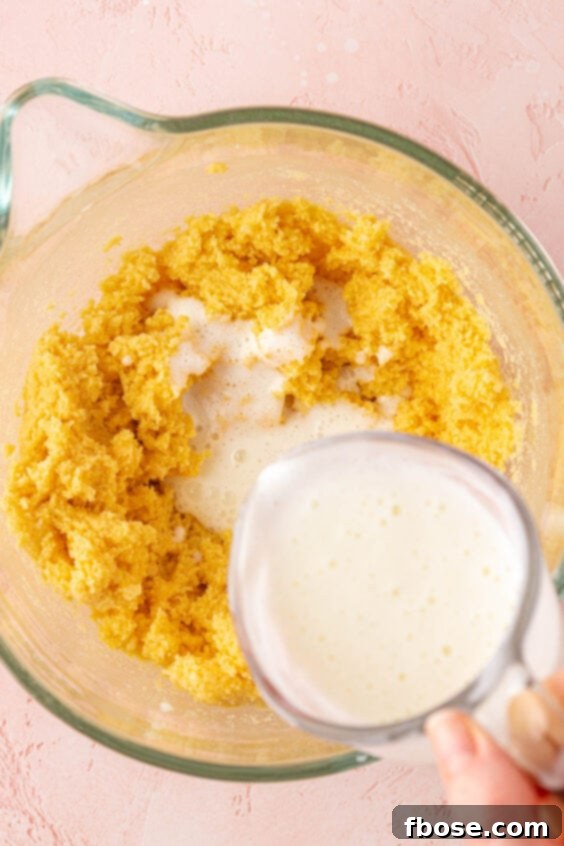
- Gradually incorporate the buttermilk mixture (from step 3) into the cake batter. Add it in three separate additions, beating on low speed after each addition until just combined. Scrape down the sides of the bowl as needed to maintain a uniform batter. Remember, overmixing at this stage can develop gluten, leading to a tougher cake texture.
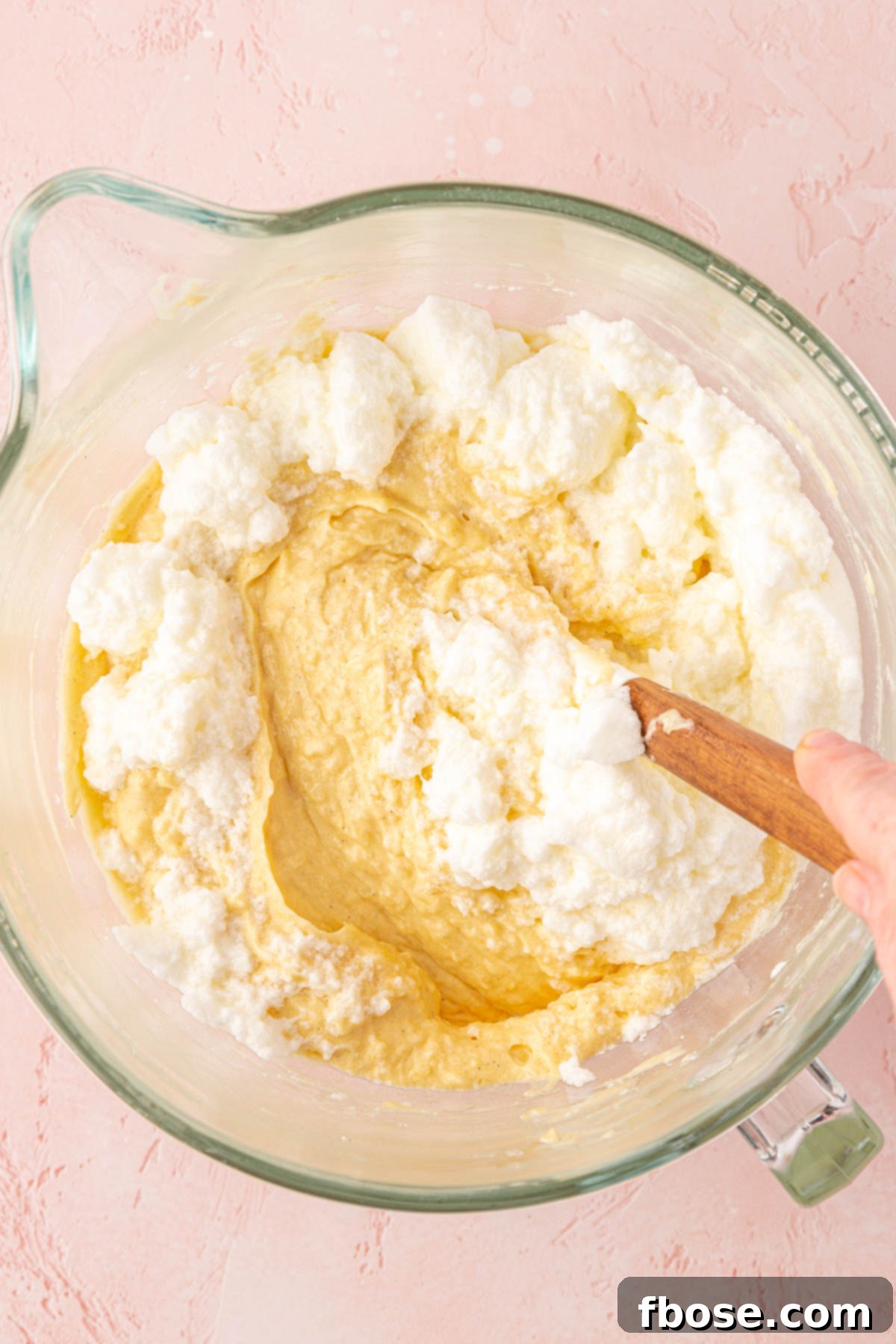
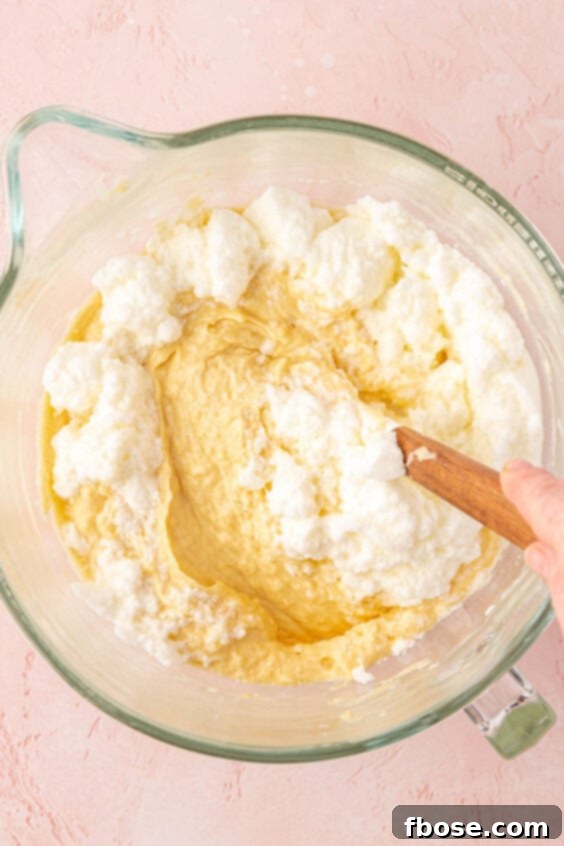
- Now, gently fold the reserved stiff egg whites into the cake batter using a large spatula. Add the egg whites in two or three additions, carefully incorporating them until no streaks of white remain. The goal is to preserve as much air as possible, so fold with a light hand to achieve the cake’s signature light and airy texture.
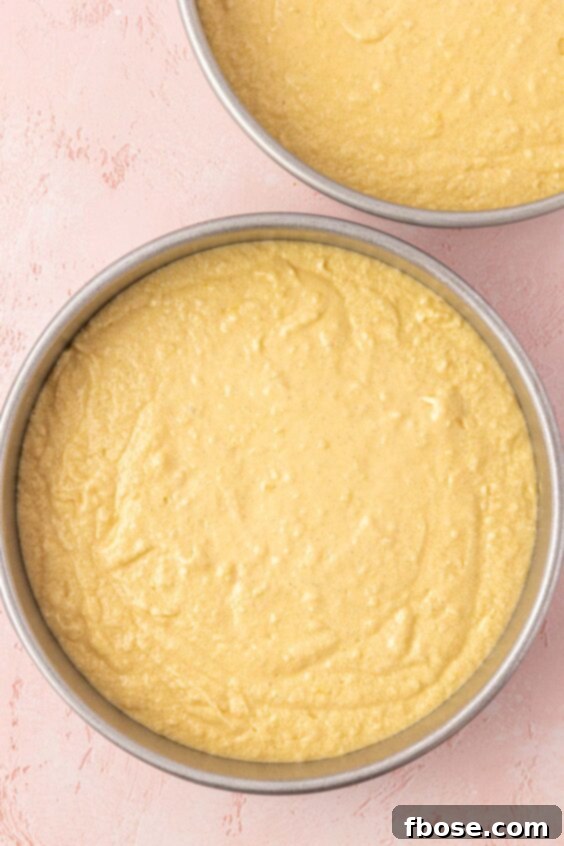
- Divide the cake batter evenly between your two prepared 9-inch cake pans. For exact precision, use a kitchen scale to ensure each pan holds approximately 720g of batter, which helps ensure even baking. Transfer the pans to your preheated oven and bake for 35 to 40 minutes. The cakes are perfectly done when a wooden toothpick inserted into the very center comes out clean or with a few moist crumbs attached.
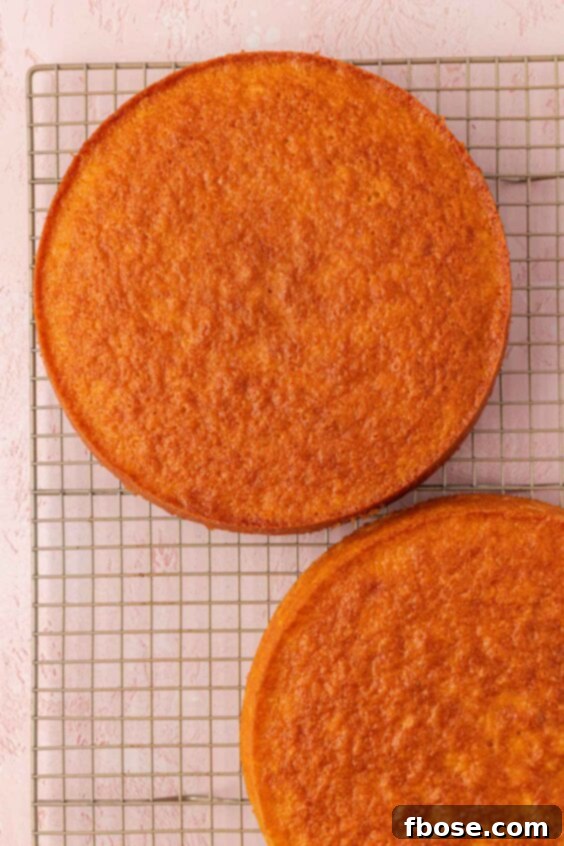
- Once baked, remove the fragrant cakes from the oven and allow them to cool in their pans for a brief 5 minutes. This allows them to firm up slightly before you handle them. After this initial cooling, carefully invert them onto a wire cooling rack to cool completely. For the ultimate moisture and texture, it’s highly recommended to prepare these cake layers the day before you plan to frost them. While the cakes are still slightly warm to the touch, wrap each individual cake layer tightly in a double layer of plastic wrap and store them at room temperature overnight. This crucial step locks in moisture, resulting in an incredibly moist and flavorful cake that’s a joy to frost and eat.
Mastering the Cream Cheese Coconut Frosting
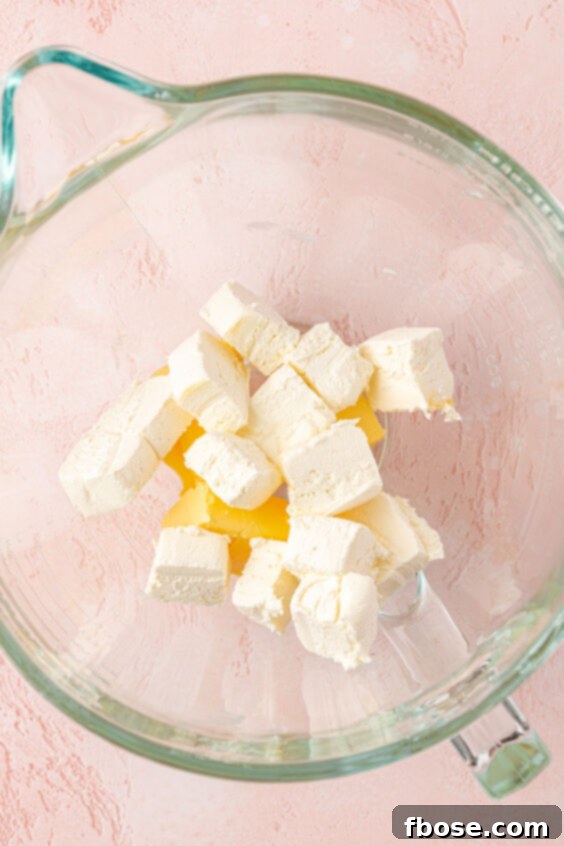
- Once your cake layers are completely cool and you’re ready to embark on the frosting journey, combine 8 ounces of cold, cubed cream cheese with ½ cup of softened salted butter in a large mixing bowl or the bowl of a stand mixer fitted with a paddle attachment. Beat these ingredients together on medium-high speed until the mixture transforms into a smooth, creamy, and wonderfully fluffy consistency. Starting with cold cream cheese and softened butter is essential for achieving the perfect texture without over-whipping, which can make the frosting too thin.
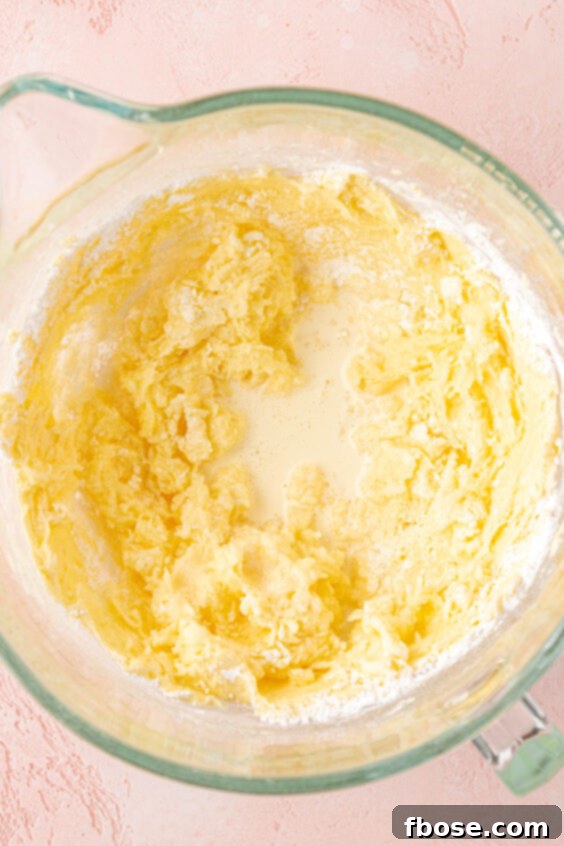
- Begin incorporating the 5 cups of powdered sugar into the cream cheese mixture gradually. Add it in increments of about one cup at a time, alternating each addition of powdered sugar with a splash of ¼ cup (60mL) heavy cream. This careful, gradual addition technique prevents a sudden cloud of sugar from engulfing your kitchen and ensures that your frosting develops a smooth, lump-free consistency. Continue beating until all the powdered sugar and heavy cream are fully incorporated.
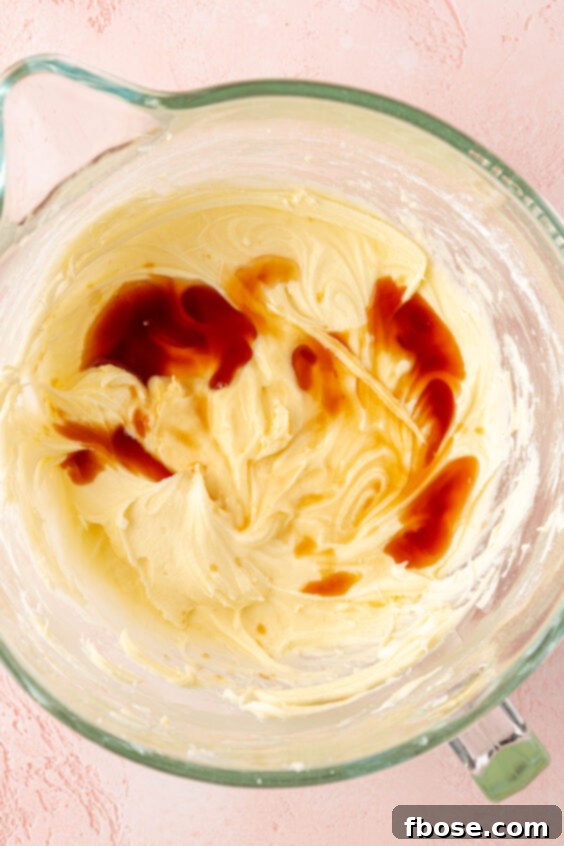
- To complete the flavor profile, add 1 tablespoon of pure vanilla extract and 1½ teaspoons of fragrant coconut extract to the frosting mixture. Increase the mixer speed to high and beat for an additional 2 to 3 minutes until the frosting becomes incredibly light, airy, and beautifully fluffy. At this stage, you can adjust the consistency to your preference: for a stiffer frosting, gently mix in a little more powdered sugar; for a slightly thinner, more spreadable consistency, add a touch more heavy cream.
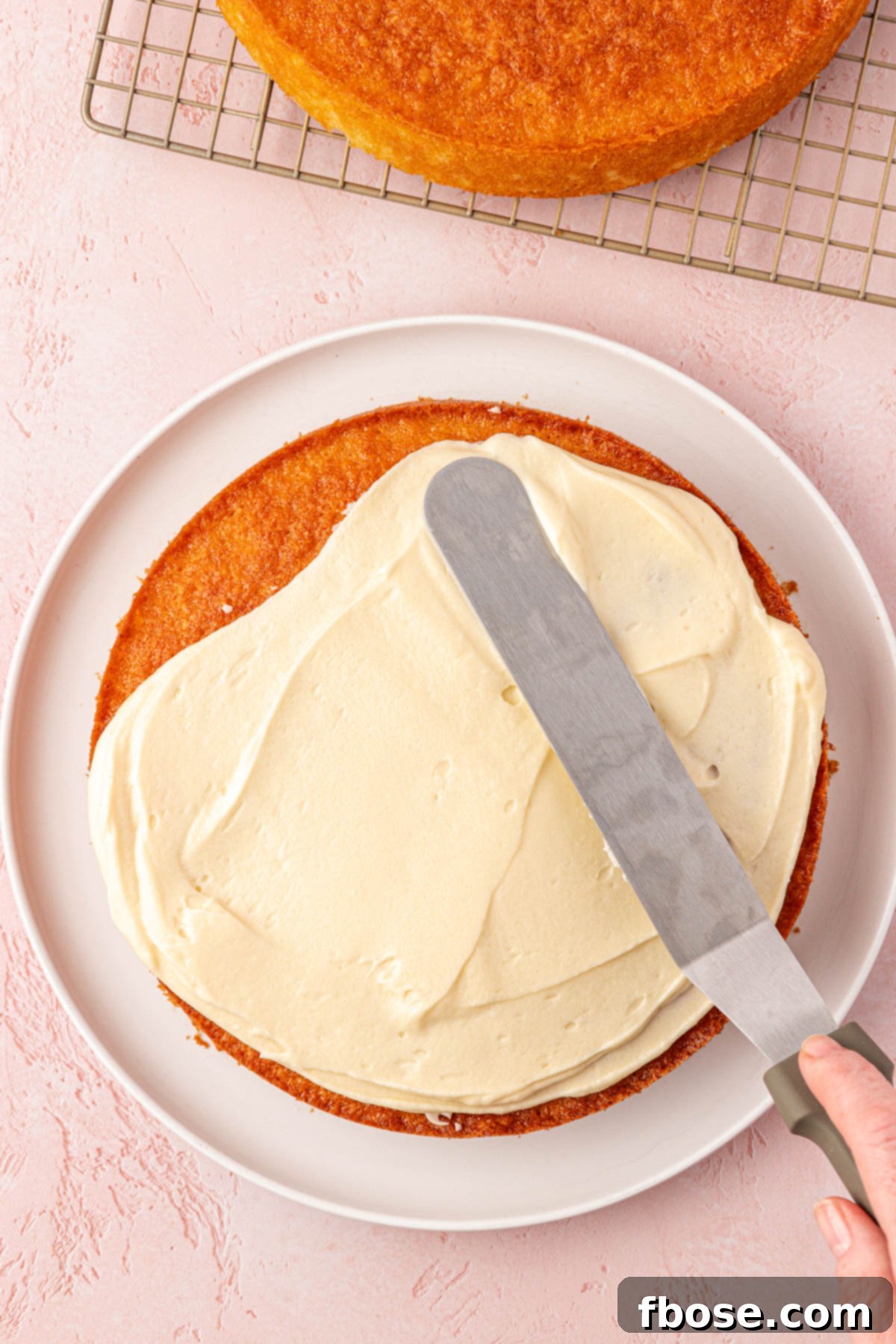
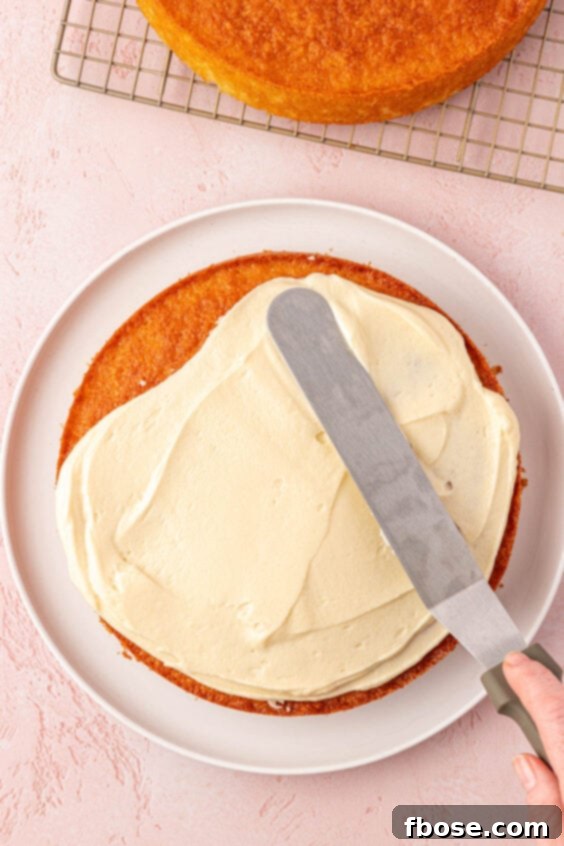
- To assemble your stunning two-layered classic coconut cake, carefully place the first cake layer onto your chosen serving plate or elegant cake stand. Using an offset spatula or a flat knife, spread a generous and even layer of frosting over the entire top surface of this bottom cake layer, ensuring it extends all the way to the edges. This creates a delicious filling and a stable base for the next layer.
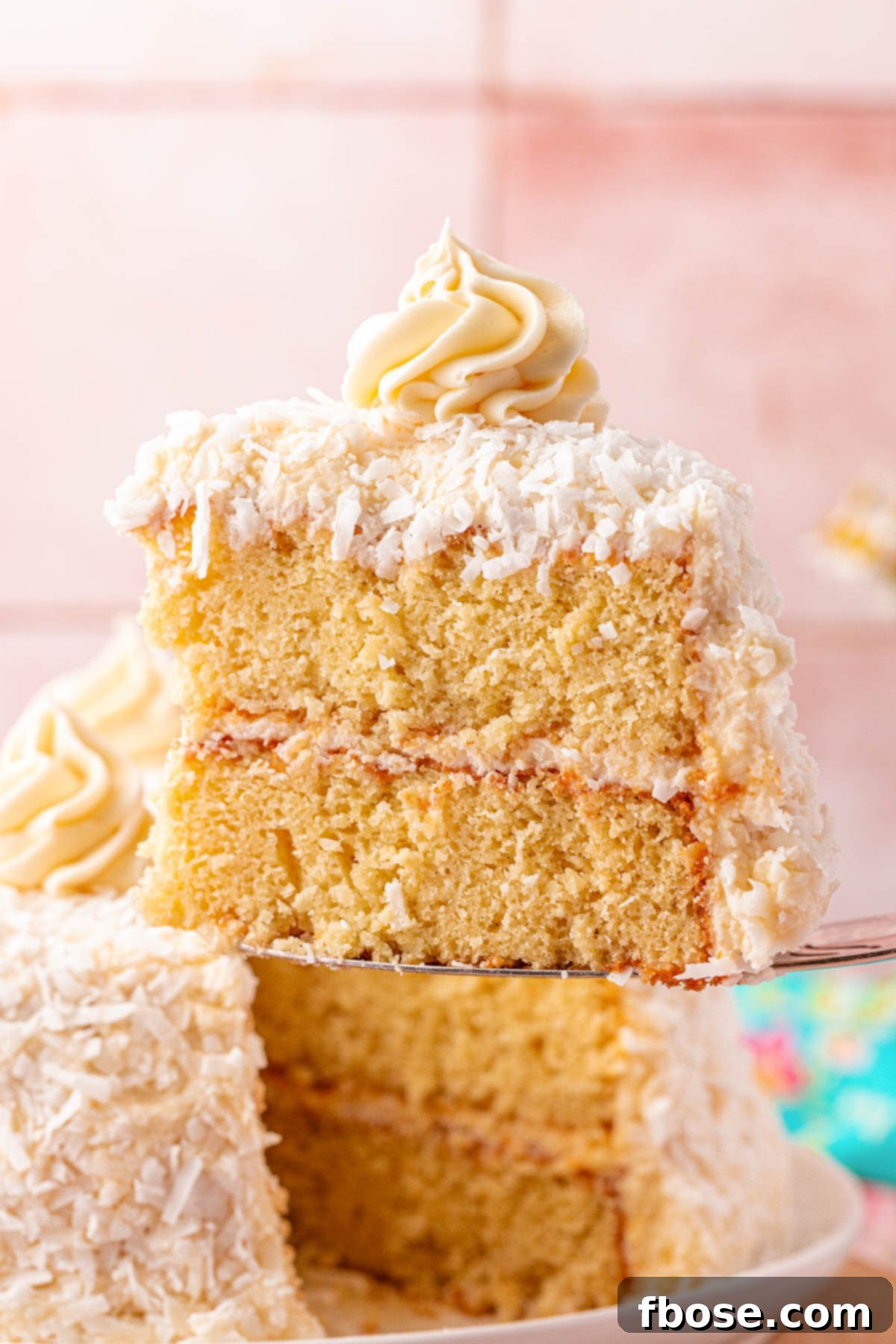
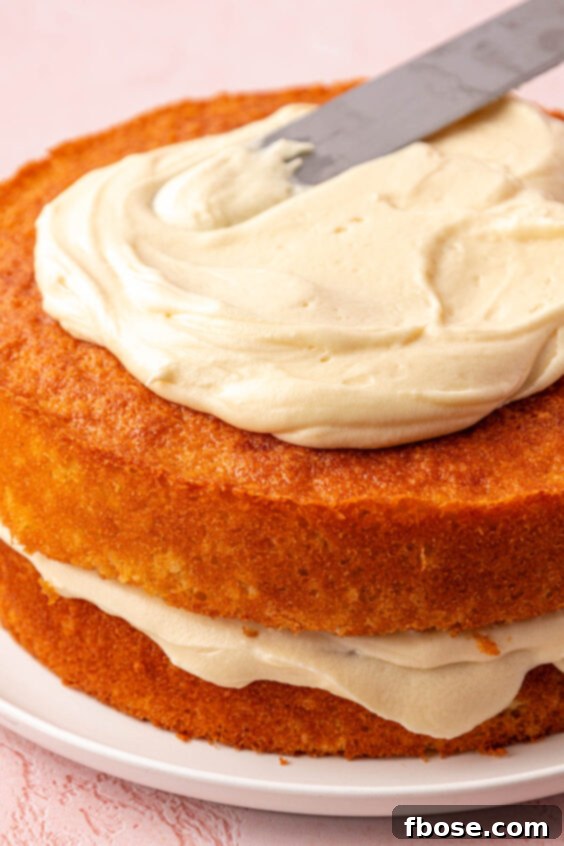
- Carefully position the second cake layer directly on top of the frosted bottom layer. Now, generously add more frosting to the top of this second layer. With your spatula, spread the frosting evenly across the top, then delicately work it down and over the sides of the entire cake, aiming for a smooth and consistent coating. Don’t worry about perfection; rustic charm is always welcome!
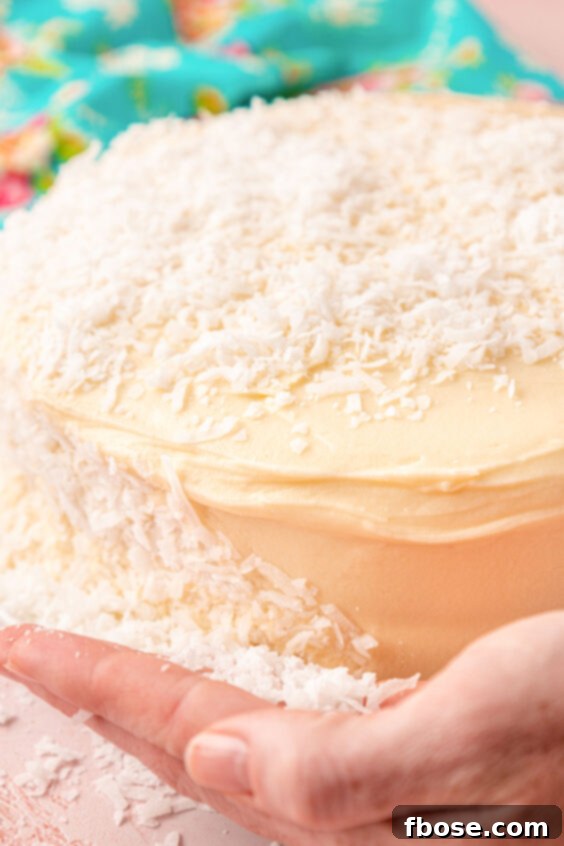
- For the grand finale and an extra burst of coconut flavor and appealing texture, gently press 1 to 2 cups of sweetened flaked coconut onto the sides and top of the frosted cake. You can use the clean palm of your hand to adhere the flakes, ensuring good coverage. For a more refined visual with shorter strands of coconut, you might consider pulsing the coconut briefly in a food processor before applying. If you’re feeling creative and wish to add an elegant decorative flair, feel free to pipe additional frosting flourishes around the top edge and base of the cake using a piping bag fitted with your favorite decorative tip.
Pro Tips for Baking the Best Coconut Cake
- **Room Temperature Ingredients are Key:** For optimal results, ensure your egg whites, egg yolks, and buttermilk are at room temperature before you begin this recipe. This allows them to emulsify properly and create a smoother, more uniform batter and frosting. Remember to pull them out of the refrigerator at least 30-60 minutes before you start baking.
- **Precision in Measuring Flour:** Using a kitchen scale for dry ingredients, especially flour, is highly recommended. Too much or too little flour can significantly impact the texture of your cake. Learning how to measure flour properly can truly make or break your baking success.
- **Effortless Pan Release:** To guarantee your beautiful cake layers come out of the pans without a hitch, try using my foolproof 3-ingredient Cake Goop (Magic Pan Release), or master the technique of How To Line A Round Cake Pan With Parchment Paper.
- **Bake Ahead for Best Moisture:** I’ve discovered that these coconut cake layers achieve their best moisture and flavor when baked the day before they are frosted. After baking, once the cakes are still warm to the touch (but not hot), wrap each layer securely in a double layer of plastic wrap. Store them at room temperature overnight. This “double wrapping” technique helps to trap steam and moisture, resulting in incredibly moist and tender cake layers.
- **Coconut Texture Preference:** The sweetened flaked coconut used for pressing into the frosting can be customized. Feel free to pulse it briefly in a food processor if you prefer shorter, finer strands for a more subtle texture on the exterior of your cake.
- **Decorative Touches:** To easily dress up your Classic Coconut Cake for a special occasion, you can pipe additional decorative frosting borders or swirls around the top and base of the cake using a piping bag and your favorite nozzle.
Storage Guidelines for Your Delicious Coconut Cake
To keep your Classic Coconut Cake fresh and delicious, proper storage is essential. Once the cake has been fully frosted, it can comfortably sit at room temperature for up to 2 hours. This brief period allows the frosting to set slightly, enhancing its stability. After this initial time, it’s crucial to transfer the cake into an airtight cake carrier. If you have individual slices remaining, place them in an airtight container. Store the cake in the refrigerator for up to 4 days. Allowing it to come back to room temperature for about 30 minutes before serving will bring out its best flavor and soft texture. Freezing individual slices for longer storage is also an option; simply wrap them tightly in plastic wrap and then foil, and they will keep well for up to 2-3 months.
More Irresistible Coconut Recipes to Explore
- Coconut Poke Cake – A delightful and refreshing spring and summer dessert that is guaranteed to please any crowd!
- Caribbean Coconut Rum Cake – Experience a taste of the islands with this moist cake, effortlessly made with yellow cake mix and a package of vanilla pudding!
- Coconut French Toast – Elevate your breakfast or brunch with this tropical twist on a classic, best enjoyed with a rich, homemade coconut syrup!
- Dulce de Leche Coconut Macaroons – Indulge in these incredibly chewy, sweet, and perfectly golden coconut cookies, enhanced with the caramel notes of dulce de leche!
- Coconut Custard Pie – A wonderfully dense and creamy treat that requires only 7 simple ingredients for a surprisingly rich flavor!
Classic Coconut Cake
Author: Rebecca Hubbell
Course: Dessert
Cuisine: American
Prep Time: 40 minutes
Cook Time: 40 minutes
Total Time: 1 hour 20 minutes
This Classic Coconut Cake is the perfect Easter dessert! Light and fluffy with a cream cheese frosting infused with the essence of sweet coconut!
Servings: 16 servings
Print Recipe
Pin Recipe
Share Recipe
This Classic Coconut Cake is the perfect Easter dessert! Light and fluffy with a cream cheese frosting infused with the essence of sweet coconut!
Ingredients
Cake:
- 4 large egg whites, room temperature
- 1 cup buttermilk, room temperature
- 1 teaspoon baking soda
- 1⅓ cups sweetened flaked coconut (120g, loosely packed)
- 2 cups cake flour (260g)
- 2 tablespoons powdered milk
- 2 cups granulated sugar (400g)
- ¾ teaspoon salt
- 1 cup unsalted butter, room temperature
- 5 large egg yolks, room temperature
- 1 tablespoon vanilla bean paste
- 1½ teaspoons coconut extract
Frosting:
- 8 ounces cream cheese, cold and cubed
- ½ cup salted butter, softened
- 5 cups powdered sugar
- ¼ cup heavy cream (60mL)
- 1 tablespoon vanilla extract
- 1½ teaspoons coconut extract
- 1 to 2 cups sweetened flaked coconut
Instructions
Cake
- Preheat the oven to 350°F and grease two 9-inch pans with cake goop or line the bottom of the pan with parchment paper and coat with nonstick spray.
- Add 4 large egg whites to a stand mixer fitted with a whisk attachment and beat on speed 4 for 2 minutes, then increase to speed 6 until stiff peaks form, about 1 additional minute. Transfer egg whites to a small bowl and set aside.

- In a separate small bowl or measuring cup, combine the 1 cup buttermilk and 1 teaspoon baking soda and set aside.
- Add 1⅓ cups sweetened flaked coconut to a food processor and pulse until fine.
- Add the processed coconut to the now empty stand mixer bowl along with 2 cups cake flour, 2 cups granulated sugar, 2 tablespoons powdered milk, and ¾ teaspoon salt and mix to combine.
- Add the softened 1 cup unsalted butter and mix until sandy in texture.
- Scrape down the sides in case any butter is sticking and beat in 5 large egg yolks, 1 tablespoon vanilla bean paste, and 1½ teaspoons coconut extract.
- Beat in the buttermilk mixture in three additions until fully combined, scraping down the sides as needed.
- Fold in the stiff egg whites until well combined.
- Evenly divide the batter between the two pans (about 720g each) and bake for 35 to 40 minutes until a toothpick comes clean.
- Remove from oven and let cool in the pan for 5 minutes before transferring to a cooling rack until almost completely cool. These cakes are best made the day before frosting. When still a little warm to the touch, wrap them in a double layer of plastic wrap and store them at room temperature overnight – this helps make the cakes nice and moist.
Frosting
- When ready to frost, add 8 ounces cream cheese and ½ cup salted butter to a large bowl or stand mixer fitted with a paddle attachment and beat on medium-high speed until smooth and fluffy.
- Add the 5 cups powdered sugar to the cream cheese mixture a cup at a time, alternating with the ¼ cup heavy cream.
- Add 1 tablespoon vanilla extract and 1½ teaspoons coconut extract and beat on high for 2 to 3 minutes until light and fluffy. Add more sugar or cream to reach the desired consistency.
- Add the bottom cake layer to a plate or cake stand and spread some frosting out on the top all the way to the edges.
- Add the next layer of cake and add more frosting to the top, spreading it evenly and down over the sides.
- Gently use the palm of your hand to press 1 to 2 cups sweetened flaked coconut onto the sides and top of the cake. You can process the coconut in a food processor for shorter strands. If desired, pipe additional decorative frosting around the top and base of the cake.
Nutrition Information
Calories: 615kcal | Carbohydrates: 83g | Protein: 6g | Fat: 30g | Saturated Fat: 19g | Polyunsaturated Fat: 1g | Monounsaturated Fat: 7g | Trans Fat: 1g | Cholesterol: 129mg | Sodium: 341mg | Potassium: 142mg | Fiber: 2g | Sugar: 69g | Vitamin A: 906IU | Vitamin C: 0.1mg | Calcium: 60mg | Iron: 1mg
Did You Make This Recipe?
Don’t forget to share it with me on Instagram @sugarandsoulco and follow on Tiktok @sugarandsoulco and Pinterest @sugarandsoulco for more!
Pin Recipe
Share Recipe
This recipe was originally published in March 2016 and was updated in April 2025 with an improved method and photos.