
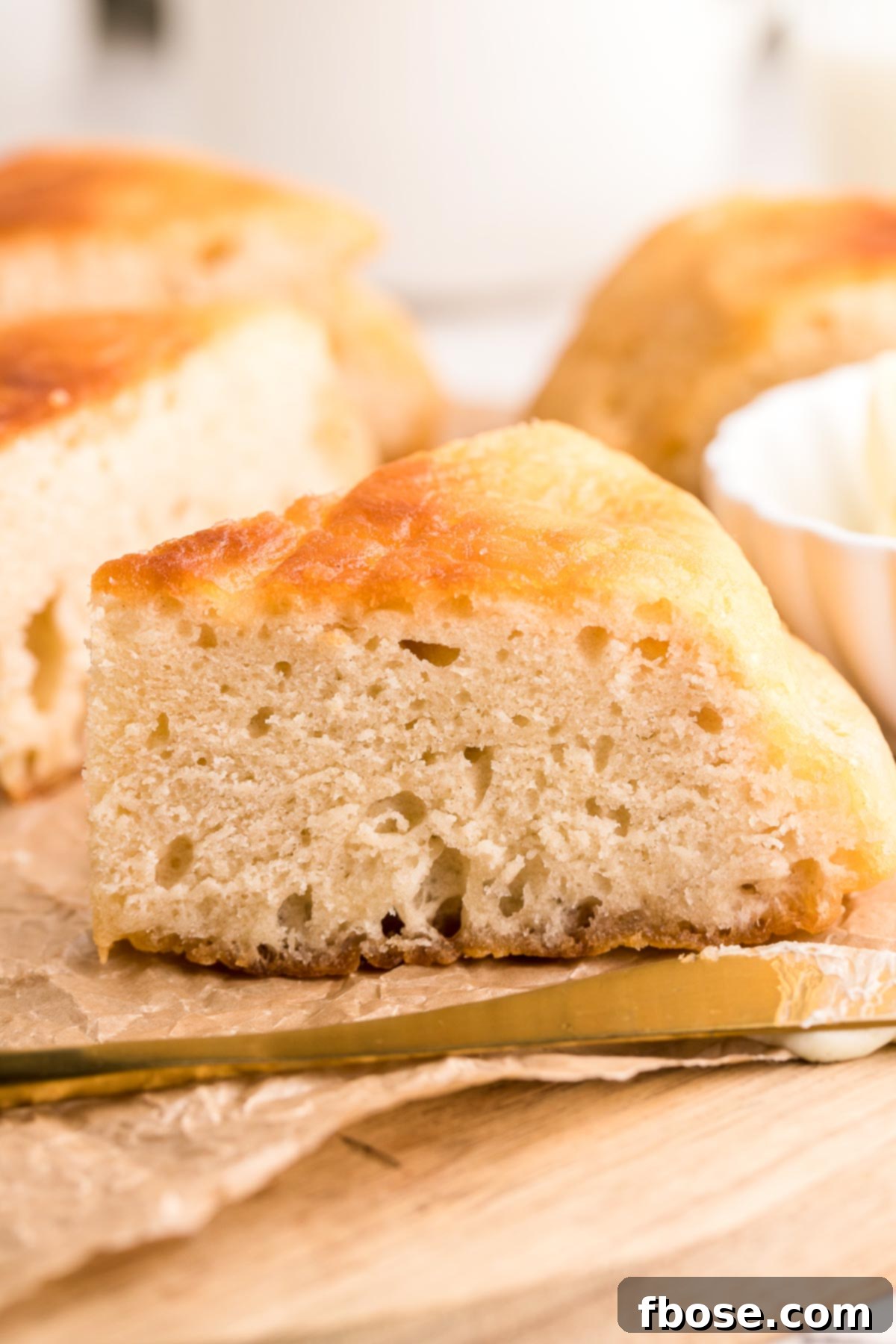
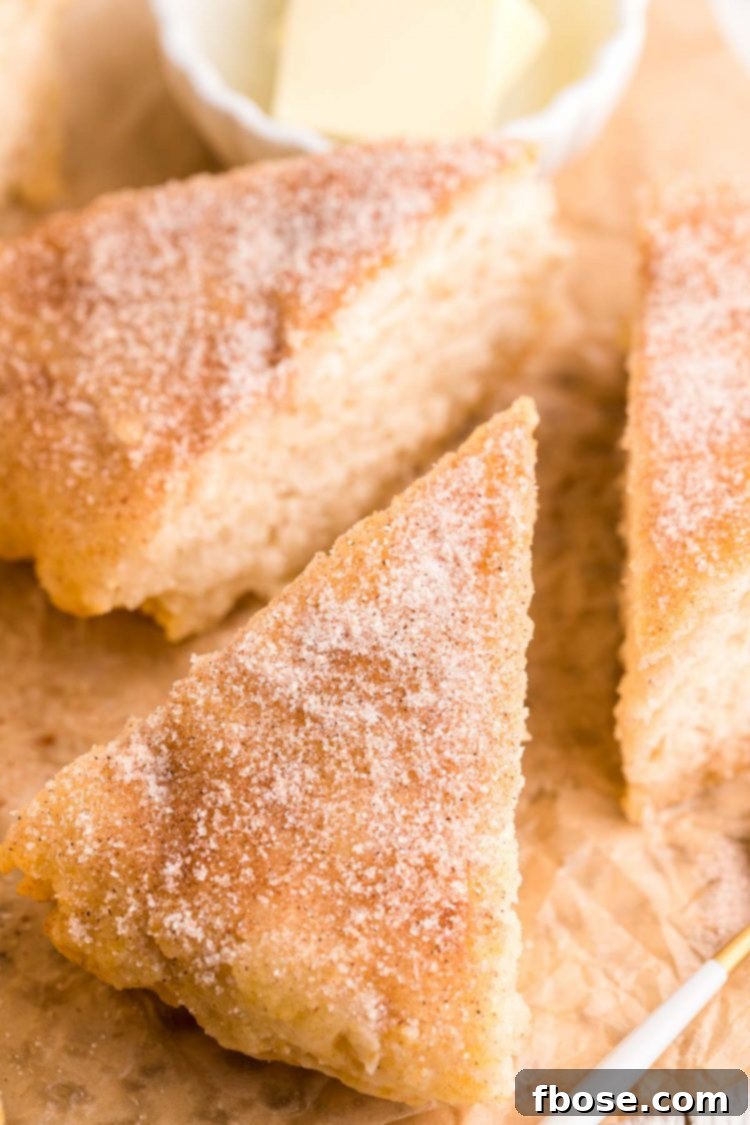
This simple and incredibly versatile Bannock Bread recipe is your passport to a delightful culinary experience. Crafted from pantry staple ingredients, you can choose to enjoy it plain and brushed with rich butter for a classic touch, or elevate it into a sweet treat with a sprinkle of irresistible cinnamon sugar! Best of all, this comforting bread is ready to savor in just 15 minutes, making it an ideal choice for any meal or craving.
There’s an undeniable magic in the comforting warmth and sweet spice of cinnamon and sugar. If you share this love, you’ll also adore our Easy Cinnamon Rolls (No Yeast Required!) and our Air Fryer Biscuit Donuts, both perfect for satisfying that sweet tooth with minimal effort.

This Bannock Bread recipe offers a fantastic blend of the best qualities of fluffy buttermilk biscuits and satisfying doughboys, but without the fuss of extensive rising, complicated cutting, or long preparation times. Embrace the sweetened version, generously topped with cinnamon sugar, for a treat that everyone will surely adore. Alternatively, skip the sweet topping and serve these delicious, simple breads alongside your favorite hearty dinner, much like you would a warm roll or biscuit.
What is Bannock Bread? Unveiling Its Rich Heritage
Bannock is a traditional bread with a fascinating and diverse history, often associated with both Scottish and North American Indigenous cultures. While many in Scotland consider it a precursor to modern scones, it’s also widely recognized as having an equally significant origin with the Indigenous people of Canada. Historically, Bannock was a staple food, valued for its simple ingredients and adaptability to various cooking methods. Whether fried in a pan, baked in an oven, or even cooked on a stick over an open fire, its versatility made it an essential and comforting part of many diets.
Known by several names, including Scottish Skillet Bread, Fry Bread, and Bannock Scone, this humble dough provides a blank canvas for countless flavors. Its ease of preparation and basic ingredient list meant it could be made almost anywhere, often becoming a crucial food for travelers and those living off the land. The version popular in North America typically uses flour, baking powder, and a liquid, making for a quick-rising dough perfect for frying.
Embrace Bannock any time of day! It’s perfect as a hearty breakfast item, a comforting brunch centerpiece, or a versatile side dish for dinner. Get creative with your toppings: slather it with butter, sweeten it with jam or nut butter, or for a delightful surprise, place a small cube of cheese inside the dough before cooking to enjoy a warm, melted center. Its incredible versatility and straightforward preparation mean you can easily whip up multiple batches, experimenting with different flavors and serving styles to please every palate.
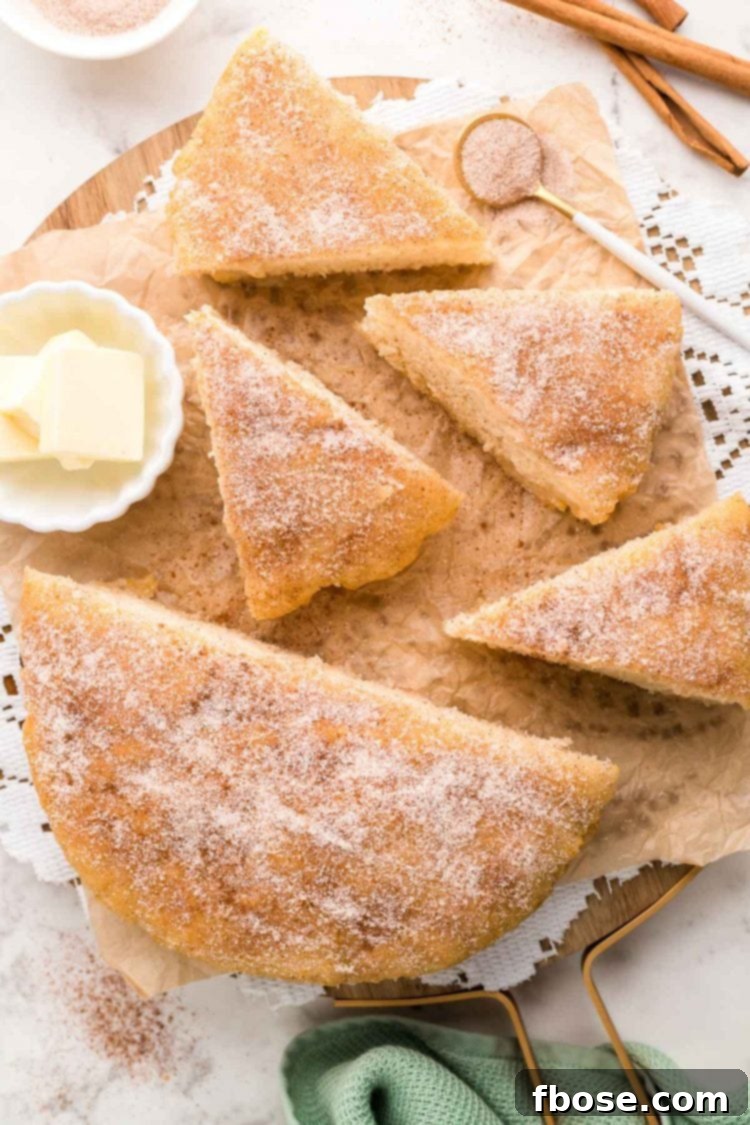
Essential Bannock Bread Ingredients: Pantry Staples You Already Have!
One of the most appealing aspects of this Fried Bannock recipe is its reliance on ingredients you likely already have readily available in your kitchen. This means there’s truly no reason to delay making a batch to discover just how delicious and simple this traditional bread can be!
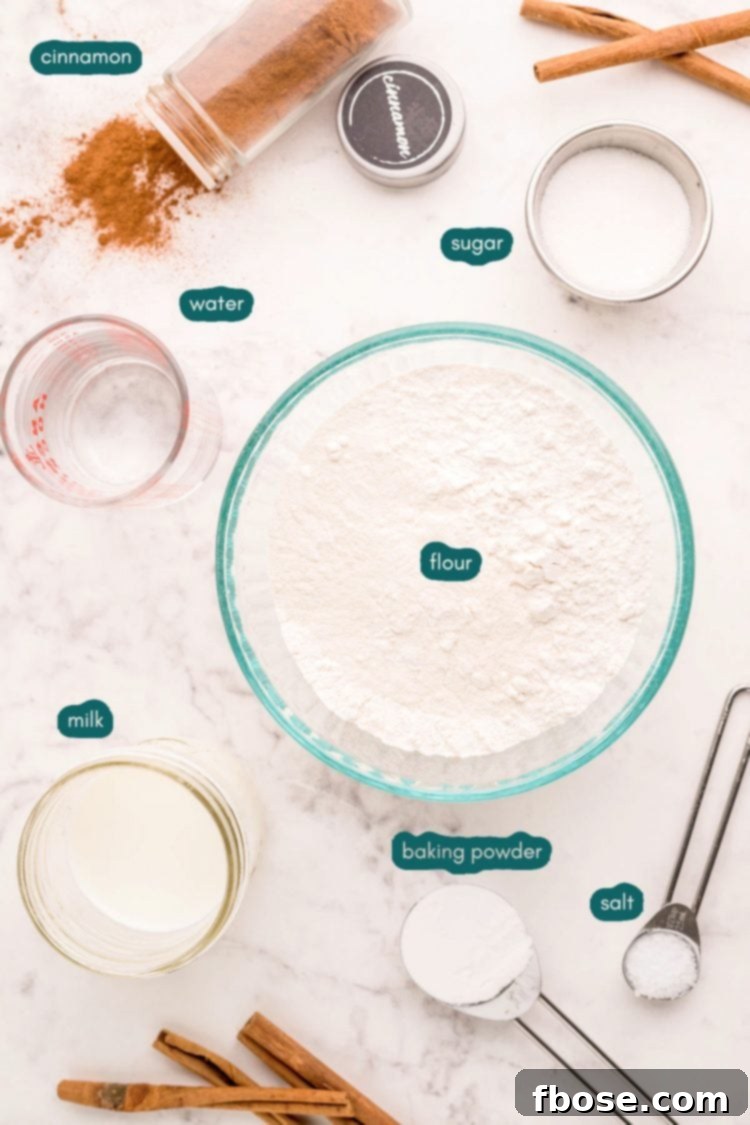
The core dough requires only five fundamental ingredients: all-purpose flour, baking powder for that essential lift, a pinch of salt to balance the flavors, and a combination of milk and water to bring it all together into a soft, pliable dough. Once your dough is perfectly mixed, it gets transformed into golden, puffed perfection by deep-frying in hot vegetable oil.
To finish off your Bannock with a sweet flourish, simply whisk together ground cinnamon and granulated sugar. This aromatic mixture is then sprinkled generously over the hot, freshly cooked bread, creating an irresistible coating. For an extra touch of sweetness and a beautiful presentation, we also love to dust ours with a bit of powdered sugar.
Delicious Bannock Recipe Variations and Customizations
The beauty of Bannock bread lies in its versatility. While the cinnamon sugar version is a perennial favorite, there are many ways to adapt this simple recipe to suit your taste preferences:
- Classic Sweet Cinnamon Sugar Bannock: As detailed in the main recipe, this involves sprinkling a mixture of ground cinnamon and granulated sugar over the hot bread. Slice into wedges and serve with a generous pat of butter. For an added layer of sweetness, you can also brush the hot bread with honey before applying the cinnamon sugar.
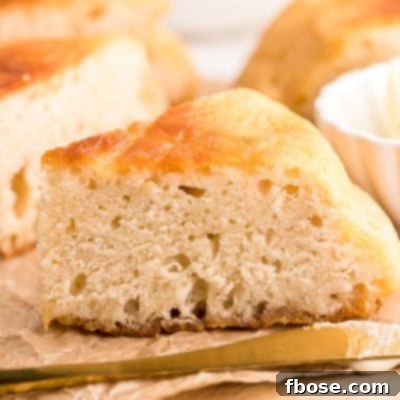
- Savory Simplicity: Omit the cinnamon sugar entirely for a plain Bannock that tastes remarkably similar to a classic buttermilk biscuit. Serve it with savory toppings like a smear of garlic herb butter, a sprinkle of fresh chives, or a dusting of Parmesan cheese. It makes an excellent accompaniment to a wide array of dinner dishes.
- Cheese-Stuffed Bannock: Before frying, divide the dough into smaller portions. Flatten each portion, place a small cube of cheddar, mozzarella, or your favorite melting cheese in the center, then carefully seal the dough around it to form a ball or disc. Fry as directed for a warm, gooey, cheesy center.
- Herbed Bannock: Incorporate finely chopped fresh herbs like rosemary, thyme, or chives into the dry flour mixture for an aromatic savory bread. This pairs wonderfully with stews and roasts.
- Dried Fruit & Nut Bannock: For another sweet variation, gently fold in a handful of dried cranberries, raisins, or chopped nuts (like walnuts or pecans) into the dough before shaping. This adds texture and bursts of flavor.
Step-by-Step Guide: How To Make Perfect Bannock
Crafting delicious Bannock is surprisingly straightforward, even for novice bakers. Follow these simple steps for a golden, tender result every time:
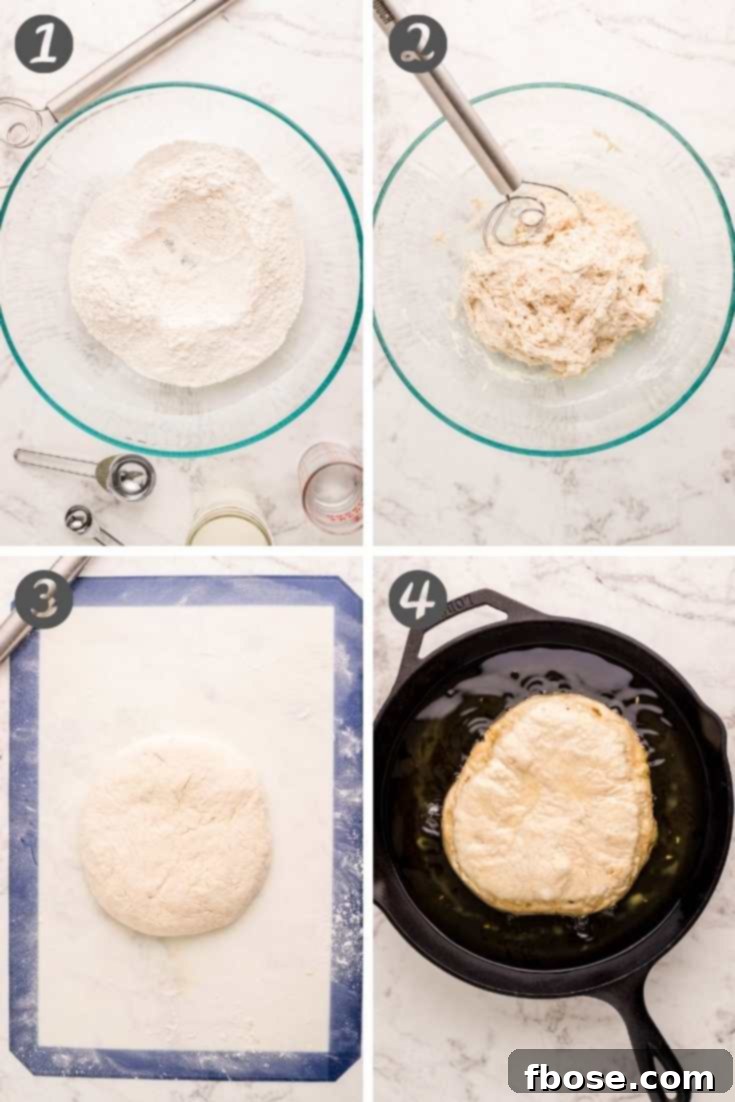
- Prepare the Frying Oil: Begin by adding about a ½-inch layer of vegetable oil to a 10 or 12-inch cast iron pan or a sturdy frying pan. Place the pan over medium heat and allow the oil to heat up. It should be hot enough to sizzle when a tiny bit of dough is dropped in, ideally between 325-375°F.
- Combine Dry and Wet Ingredients: In a large mixing bowl, whisk together the all-purpose flour, baking powder, and salt until well combined. Create a shallow well in the center of these dry ingredients. Pour the milk and water into the well. Using a fork, gently stir the mixture from the center outwards until a soft and slightly sticky dough forms. Be careful not to overmix, as this can lead to tough bread.
- Shape the Dough: Lightly flour a clean work surface and dust your hands with flour. Transfer the dough onto the floured surface. Gently shape the dough into a single, round disc, approximately 8 inches in diameter and about an inch thick. For individual servings, you can divide the dough into 6 or 8 smaller portions and shape each into a smaller disc.
- Fry to Golden Perfection: Once the oil is hot and ready, carefully slide the dough disc into the pan. Fry the dough for about 4 to 5 minutes on each side, or until it has puffed up beautifully and achieved a rich, golden brown color. Use tongs or two spatulas to gently flip the dough only once to ensure even cooking.
- Drain and Finish: Remove the cooked Bannock from the pan and immediately transfer it to a plate lined with paper towels to absorb any excess oil. If you’re making the sweet version, while the Bannock is still hot, sprinkle generously with your prepared mixture of granulated sugar and ground cinnamon. Slice the Bannock into wedges and serve warm with a dollop of butter or your favorite spreads.
Pro Tip: If you prefer making individual Bannocks, divide the dough into 6 or 8 portions. Smaller pieces will cook faster, so keep a close eye on them to prevent overcooking.
Expert Tips for Best Bannock Bread Results
- Avoid Overmixing the Dough: For a tender and light Bannock, mix the dough just until the dry ingredients are incorporated and no streaks of flour remain. Overmixing can develop the gluten too much, resulting in a tough bread. A soft, slightly sticky dough is ideal.
- Monitor Oil Temperature Closely: Proper oil temperature is crucial for the perfect Bannock. If the oil isn’t hot enough, the bread will absorb too much oil and become greasy. If it’s too hot, the exterior will brown too quickly, leaving the inside raw. Aim for a temperature between 325°F and 375°F. The temperature will naturally drop slightly when the dough is added, so a consistent medium heat is key.
- Ensure Even Thickness: When shaping the dough, try to make the disc (or individual portions) as evenly thick as possible. This ensures uniform cooking, preventing some parts from being undercooked while others are perfectly golden.
- Customize Your Flavor: Remember the versatility of Bannock! Make it sweet with the cinnamon sugar topping, or keep it savory by simply brushing it with melted butter, garlic butter, or a sprinkle of flaky sea salt for a classic, wholesome finish.
- Don’t Crowd the Pan: If making individual Bannocks, fry them in batches to avoid overcrowding the pan. Giving each piece enough space ensures even cooking and prevents the oil temperature from dropping too drastically.
What to Serve with Your Delicious Bannock
Bannock is an incredibly adaptable bread that can enhance any meal, much like your favorite rolls or rustic bread. Its versatility means it pairs beautifully with a wide variety of dishes:
- Hearty Dinners: Bannock is a natural fit for comforting, savory meals. Serve it alongside rich stews, chilies, or saucy meat dishes. It’s excellent with Smothered Chicken with Gravy, a bowl of Healthy Turkey Chili, or a classic Country Fried Steak. Its ability to soak up delicious sauces makes it a perfect accompaniment.
- Breakfast & Brunch: For a delightful start to your day, serve plain Bannock with scrambled eggs, crispy bacon, and a drizzle of maple syrup. The cinnamon sugar version is also fantastic as a sweet breakfast pastry alongside fresh fruit.
- Soups and Salads: A warm slice of Bannock can elevate a simple soup or salad into a more substantial meal. Its comforting texture provides a lovely contrast to a crisp salad or a flavorful broth.
- Sweet Desserts: Don’t limit Bannock to main meals! The cinnamon-sugar variation, especially, can be served as a rustic dessert. Try it warm with a scoop of vanilla ice cream, fresh berries, or a dollop of whipped cream.
- Any Meal Calling for a Carb: One of our favorite ways to enjoy traditional Canadian Bannock is to prepare a plain batch to serve with hearty casseroles or your beloved pasta dishes! Every satisfying meal deserves a delicious carb to complete it, so feel free to explore other bread recipes while you’re here!
Storing and Reheating Bannock Bread for Freshness
Should you be fortunate enough to have any leftover Bannock (it’s often devoured quickly!), proper storage will help maintain its deliciousness. Store cooked Bannock in a sealed ziplock bag or an airtight container at room temperature for up to 2 to 3 days. For longer storage, it can be frozen for up to one month; simply thaw at room temperature before reheating.
To reheat, for a crisp exterior, place individual slices in a toaster oven or a conventional oven preheated to 300°F (150°C) for about 5-7 minutes, or until warmed through. If you prefer a softer texture, a quick zap in the microwave for 15-30 seconds per slice will do the trick.
Frequently Asked Questions About Easy Bannock Bread
While traditionally fried, you can certainly bake Bannock for a different texture. To do so, preheat your oven to 400 degrees F (200°C). Place the shaped dough on a parchment-lined or well-greased baking sheet or in a shallow baking pan, flattening it slightly. Bake for about 20 minutes, flipping it gently halfway through the cooking time to ensure even browning on both sides. The baked Bannock will be golden brown and cooked through when done.
Absolutely, you can! Dividing the dough into smaller, individual portions (like 6 or 8 pieces) is a popular method. This makes them easier to handle and often results in quicker cooking times. Just remember that smaller pieces will cook faster, so keep a close eye on them to prevent overcooking and achieve that perfect golden hue.
Yes, you can substitute all-purpose flour with whole wheat flour, but be aware that it will result in a denser Bannock and will subtly alter the flavor profile. Whole wheat flour absorbs more liquid and has a stronger, nuttier taste. You might need to add a touch more liquid (milk or water) to achieve the desired soft, slightly sticky dough consistency.
While Bannock is best made fresh, you can prepare the dough up to 24 hours in advance. Mix the dough as directed, then wrap it tightly in plastic wrap or place it in an airtight container and refrigerate. Before cooking, allow the dough to come to room temperature for about 30 minutes to an hour, then proceed with shaping and frying as usual.
Yes, you can! Air frying is a great alternative for a less oily version. Preheat your air fryer to 350°F (175°C). Lightly grease the air fryer basket or line it with parchment paper designed for air fryers. Place the shaped Bannock dough (either one large disc or individual pieces) in the basket, ensuring not to overcrowd it. Air fry for 10-15 minutes, flipping halfway through, until golden brown and cooked through. Cooking time may vary based on air fryer model and dough thickness.
Beyond Bannock: More Irresistible Bread Recipes
Since every hearty meal often calls for a delicious carb to complete it, why not explore more fantastic bread recipes while you’re here? From fluffy loaves to cheesy biscuits, we have something to satisfy every bread lover:
- Homemade Bread – Follow this easy, step-by-step recipe to achieve a perfectly fluffy, tender, and utterly delicious loaf of classic homemade bread.
- Cheddar Drop Biscuits – Indulge in savory, cheesy, and buttery biscuits, generously loaded with both cheddar and Colby Jack cheese, then finished with a delectable garlic butter topping!
- Perfect Yeast Rolls – Discover how to make perfectly fluffy, pull-apart dinner rolls that are incredibly tender, rich with butter, and simply irresistible.
- Classic Southern Buttermilk Cornbread – Master the art of homemade cornbread from scratch, using coarse cornmeal, tangy buttermilk, and just the right touch of sugar for authentic Southern flavor.
- Easy Garlic Parmesan Breadsticks – These breadsticks are bursting with the fresh, aromatic flavors of garlic, savory Parmesan cheese, and subtle hints of fragrant herbs.
Let’s Connect! Share Your Bannock Creations
If you’ve tried this delightful Bannock Bread recipe, we’d love to hear from you! Please let me know how you liked it in the comments below and don’t forget to leave a star rating. Your feedback helps our community!
Don’t forget to tag me – @sugarandsoulco – on Instagram and Pinterest with your beautiful photos of this recipe! You can also join our Sugar & Soul Show-offs Community on Facebook and share your creations there, where you can participate in our fun recipe challenges!
This recipe was originally published in February 2016 and was meticulously updated in October 2021 with fresh photos, comprehensive FAQs, and clearer, more detailed instructions to enhance your cooking experience.
Easy Bannock Recipe (Two Ways!)
Ingredients
- vegetable oil for frying
- 2 cups all-purpose flour
- 1 tablespoon baking powder
- ½ teaspoon salt
- ½ cup whole milk
- ½ cup water
- 1 tablespoon granulated sugar optional
- ¼ teaspoon ground cinnamon optional
Instructions
-
Add vegetable oil about a ½-inch up the sides of a 10 or 12-inch cast iron pan and heat over medium heat.
-
In a large bowl, whisk together flour, baking powder, and salt. Create a well in the center of the mixture and pour in the milk and water. Stir with a fork until a soft, slightly sticky dough forms. Be careful not to overmix.
-
Transfer dough to a well-floured surface, and with floured hands, gently shape the dough into an 8-inch disc, about an inch thick.
-
Once the oil is hot, gently slip the disc of dough into the oil, being careful not to touch it. Fry the dough on each side for 4 to 5 minutes until the dough is puffed and golden brown, only flipping the dough once with tongs or two spatulas.
-
Remove the Bannock from the pan and allow it to rest on a paper towel-lined plate to drain excess oil. If using, stir together sugar and cinnamon and sprinkle over the hot bread. Slice into 8 wedges and serve immediately with butter.
Video
Notes
- The cinnamon sugar topping can be completely omitted if you prefer a savory Bannock, which will have a flavor profile similar to a traditional buttermilk biscuit.
- This recipe was adapted from a classic Bannock recipe found in Canadian Living.
Nutrition
Did You Make This Recipe?
Don’t forget to share it with me on Instagram @sugarandsoulco and follow on Tiktok @sugarandsoulco and Pinterest @sugarandsoulco for more!
Pin Recipe
Share Recipe