
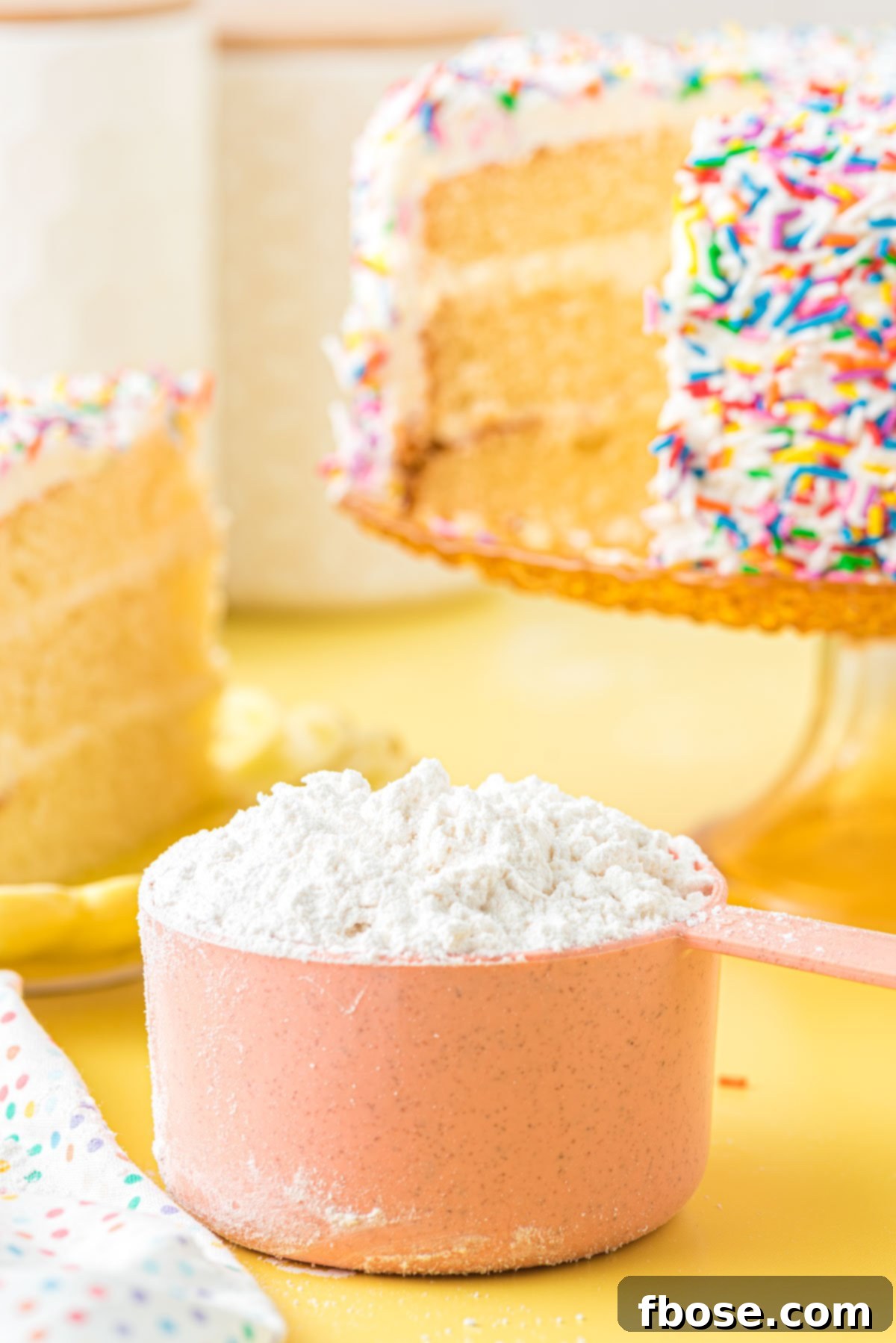
This Homemade Cake Flour Substitute is a quick, economical, and essential kitchen hack that empowers you to bake your favorite treats anytime inspiration strikes! Crafted from just two common ingredients in 5 minutes or less, it ensures you never have to put a baking project on hold again.
Every home baker knows the frustration of eagerly starting a recipe, only to realize a crucial ingredient is missing. Cake flour, with its unique properties, is often one of those specialized items not always found in every pantry. But what if you could whip it up yourself, perfectly tailored for light, tender, and airy baked goods?
Homemade Cake Flour Substitute: Your Ultimate Baking Hack for Tender Bakes
Baking is a delightful blend of art and science, and sometimes, the right ingredients make all the difference. Cake flour is a secret weapon for achieving truly tender, fine-crumbed baked goods like delicate cakes, fluffy cupcakes, and airy pastries. Its low protein content is key to preventing excessive gluten development, which can lead to a tough or chewy texture. But what happens when your recipe calls for this specialty flour, and you don’t have a box on hand?
There’s no need to despair or abandon your baking plans! This incredibly simple and effective homemade cake flour substitute is your culinary lifesaver, ensuring your baking projects never get derailed. It’s not just a convenient workaround; it’s a smart baker’s secret for achieving consistent professional-quality results with readily available pantry staples. With just all-purpose flour and cornstarch, you can replicate the essential qualities of cake flour, guaranteeing your creations are always soft, moist, and perfectly tender.
Why Every Baker Needs This Cake Flour Substitute Hack
Mastering this simple kitchen hack will significantly elevate your baking game and simplify your life in more ways than one:
- Uninterrupted Baking Pleasure: Imagine starting a complex cake recipe only to discover you’re out of cake flour. This substitute eliminates those frustrating last-minute dashes to the grocery store, allowing you to bake spontaneously whenever the mood strikes.
- Economical Choice: Purchasing a dedicated box of cake flour can be an unnecessary expense, especially if you only use it for occasional recipes. This homemade version utilizes two common and inexpensive pantry staples – all-purpose flour and cornstarch – saving you money without compromising quality.
- Guaranteed Freshness: By preparing your cake flour substitute fresh for each use, you ensure the highest quality of ingredients go into your baked goods. This freshness can subtly enhance the flavor and significantly impact the overall texture of your final product.
- Unmatched Versatility: Once you understand the straightforward ratio, you can effortlessly scale this recipe up or down. Whether your recipe calls for half a cup or multiple cups of cake flour, you can easily adapt this substitute to meet your exact needs.
- Achieve Perfect Texture Every Time: Cake flour is celebrated for its ability to produce exceptionally soft, delicate, and fine-crumbed results. This homemade version expertly mimics those characteristics, imparting your cakes, muffins, and cookies with that sought-after professional, melt-in-your-mouth tenderness.
This hack goes beyond mere convenience; it empowers you with the knowledge to consistently create superior baked goods using everyday ingredients. It truly demonstrates how simple, intelligent solutions can lead to exceptional culinary outcomes.
The Science Behind the Substitute: All-Purpose Flour & Cornstarch
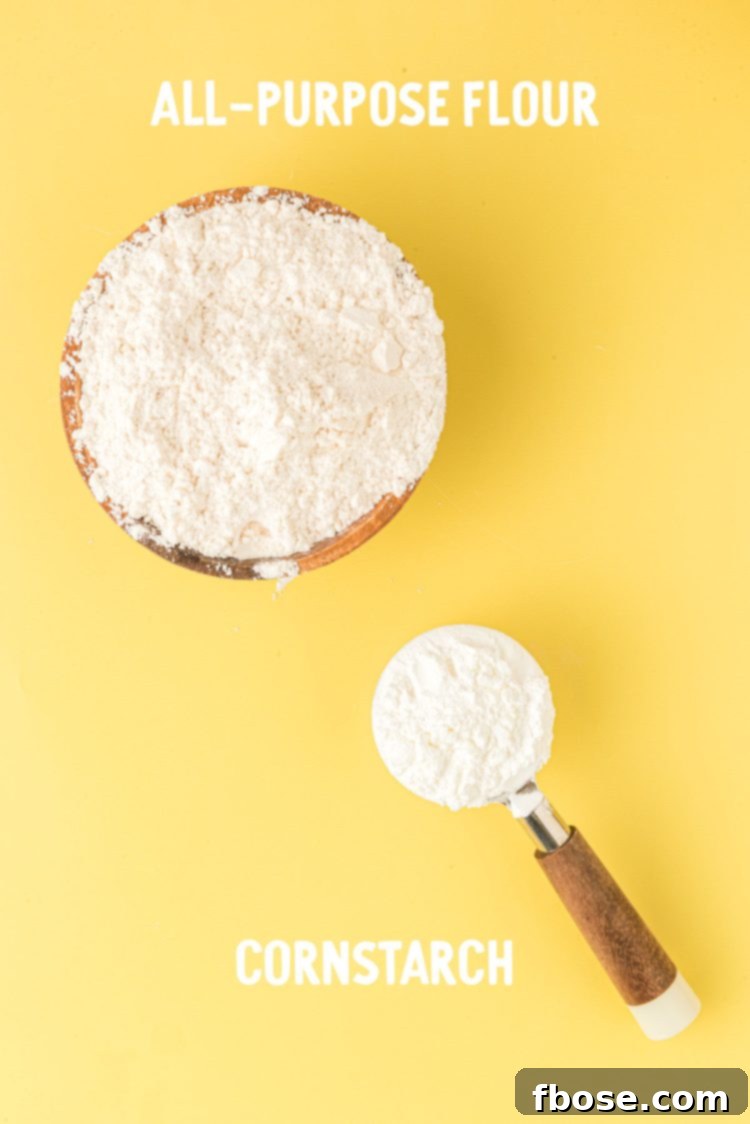
The brilliance of this cake flour substitute lies in the synergistic action of its two simple components, working in harmony to replicate the desirable properties of commercially produced cake flour. You’ll need:
- All-Purpose Flour: This forms the base of our substitute. Standard all-purpose flour typically contains a protein content ranging from 10-12%. In baking, these proteins develop into gluten when combined with liquids and mixed. A higher gluten content can contribute to a chewier or tougher texture in baked goods, which is generally not desired in delicate cakes.
- Cornstarch: This is the transformative ingredient that makes this hack truly effective. Cornstarch is a pure starch, meaning it contains virtually no protein. When carefully mixed with all-purpose flour, it acts as a diluent, effectively lowering the overall protein percentage of the flour blend. This crucial reduction in protein means that less gluten will form during the mixing and baking process. The result is a flour blend that promotes a much more tender, delicate, and airy crumb – precisely the hallmark of baked goods made with genuine cake flour. The cornstarch essentially “softens” the all-purpose flour, preventing the excessive gluten development that would otherwise occur.
By understanding how these two common ingredients interact, you can confidently create a cake flour substitute that performs just as well as, if not better than, its store-bought counterpart. With these simple components and just a few minutes, you’ll be fully equipped to bake a wide array of delicious treats!
How To Make Cake Flour Substitute: Detailed Step-by-Step Instructions
Prepare to be impressed by the sheer simplicity and effectiveness of creating this vital baking ingredient right in your home kitchen! With this straightforward guide, you can confidently approach any recipe that specifies cake flour, guaranteeing your cakes, muffins, pastries, and other delicate baked goods achieve that coveted light and tender texture every single time.
- Accurately Measure Your All-Purpose Flour: For every 1 cup of cake flour that your recipe calls for, you will start with exactly 1 cup of all-purpose flour. It is vital to measure flour correctly using the “spoon and level” method: gently spoon the flour into your measuring cup until it overflows, then level off the excess with the straight edge of a knife or a flat spatula. This prevents compacting the flour, which can lead to using too much. Once measured, remove precisely 2 tablespoons of this all-purpose flour and set them aside.
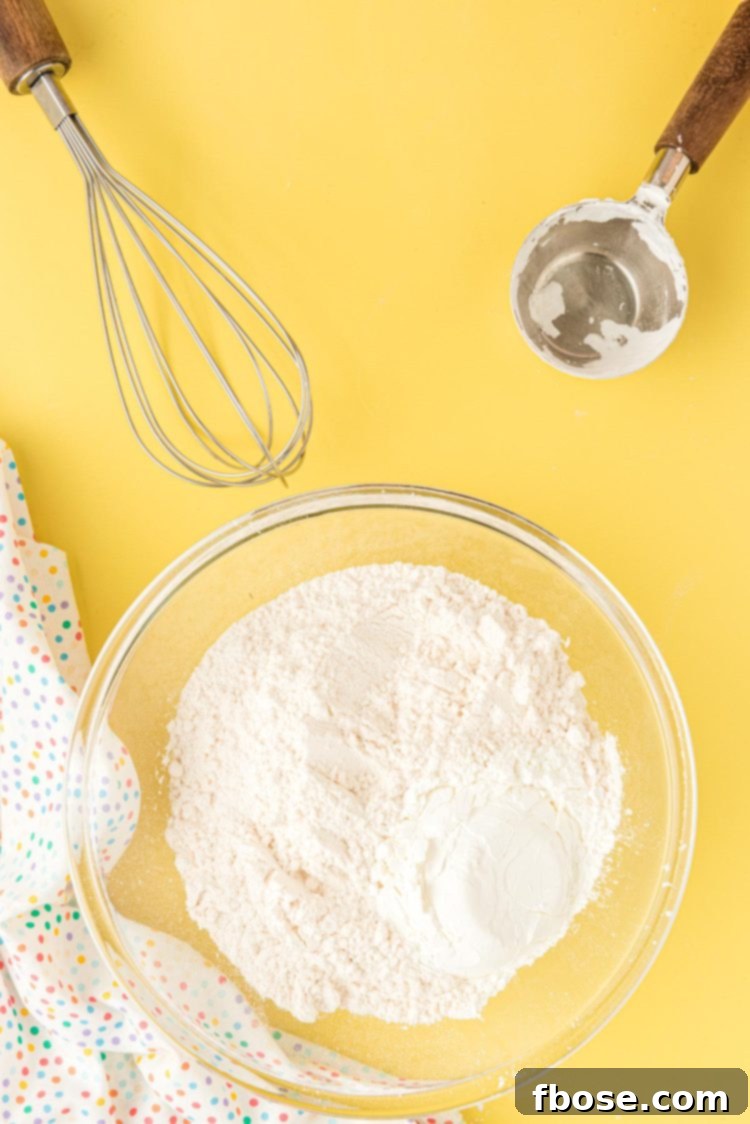
- Incorporate the Cornstarch: To the remaining all-purpose flour (which is now 1 cup minus 2 tablespoons), add 2 tablespoons of cornstarch. This specific ratio is the golden rule for successfully converting all-purpose flour into a functional cake flour substitute.
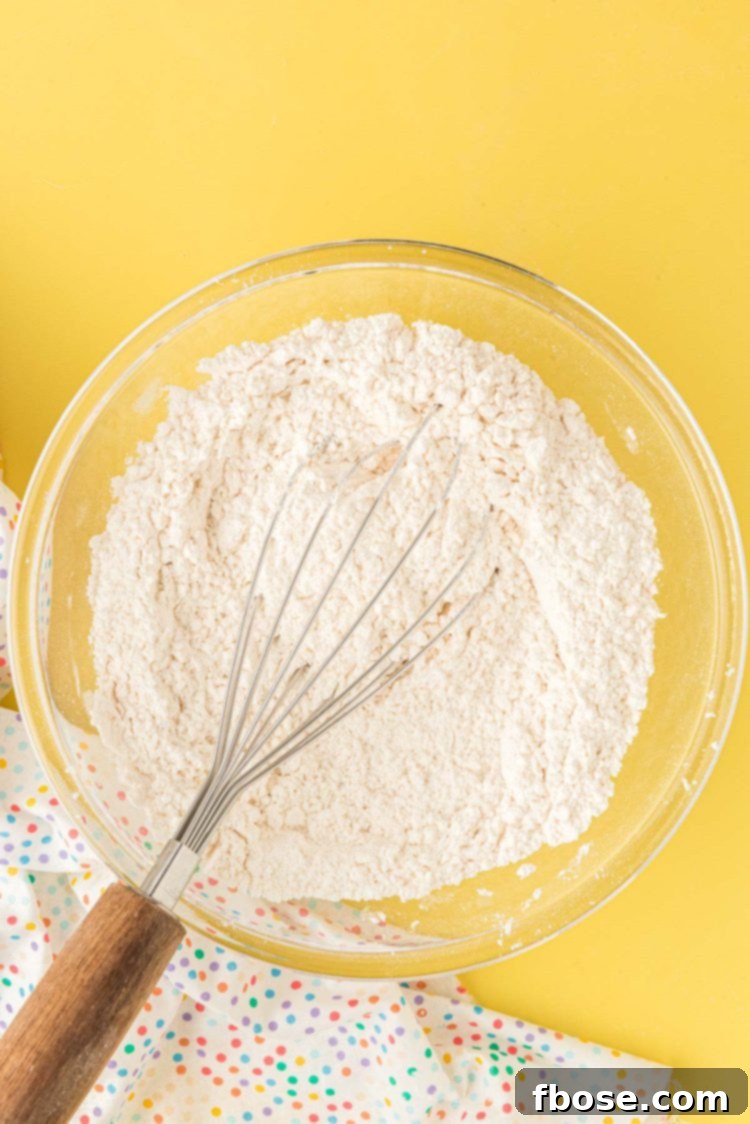
- Thoroughly Whisk the Ingredients: Transfer the measured flour and cornstarch into a medium-sized mixing bowl. Using a whisk, gently yet thoroughly combine the two ingredients. Continue whisking for about 30 seconds to a minute, ensuring that the cornstarch is evenly distributed throughout the flour. This initial whisking helps to break up any tiny clumps of cornstarch and begins the process of aeration, preparing the mixture for the next crucial step.
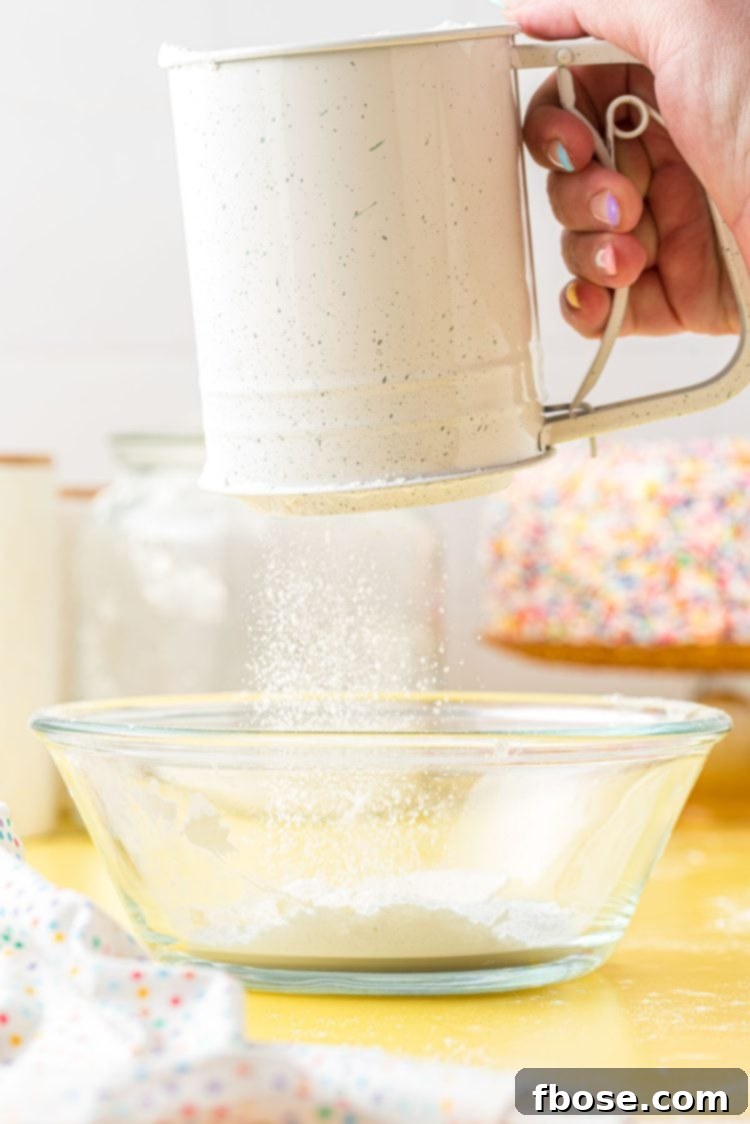
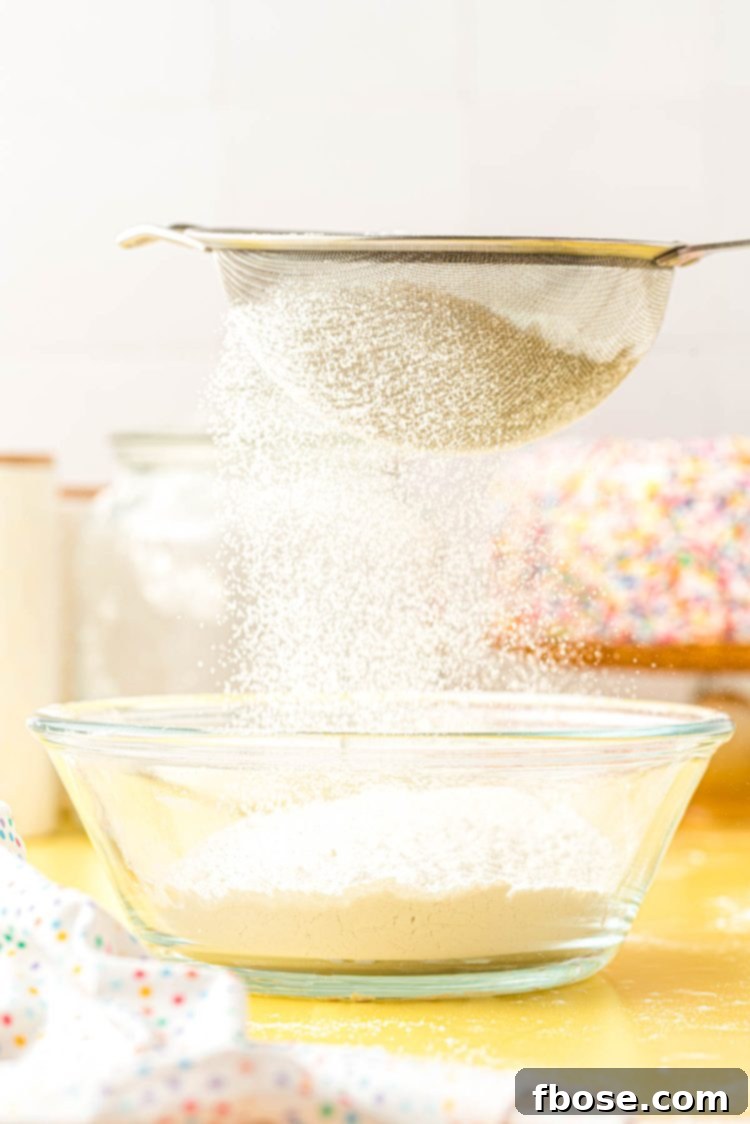
- Sift, Sift, Sift (The Most Critical Step!): This is undeniably the most important stage for achieving a truly light, fine, and airy cake flour substitute. You must sift the flour and cornstarch mixture a minimum of three times. You can use either a traditional flour sifter or a fine-mesh sieve. Sifting serves two primary, indispensable functions:
- Ensuring Homogeneity: It guarantees that the cornstarch is perfectly and uniformly integrated with every particle of flour, eliminating any potential pockets of pure cornstarch or unadulterated all-purpose flour.
- Optimal Aeration: This process introduces a significant amount of air into the mixture, making it remarkably lighter and giving it the characteristic fine, soft, and fluffy texture of high-quality commercial cake flour. This aeration is absolutely fundamental to achieving the tender, delicate crumb you desire in fine baked goods.
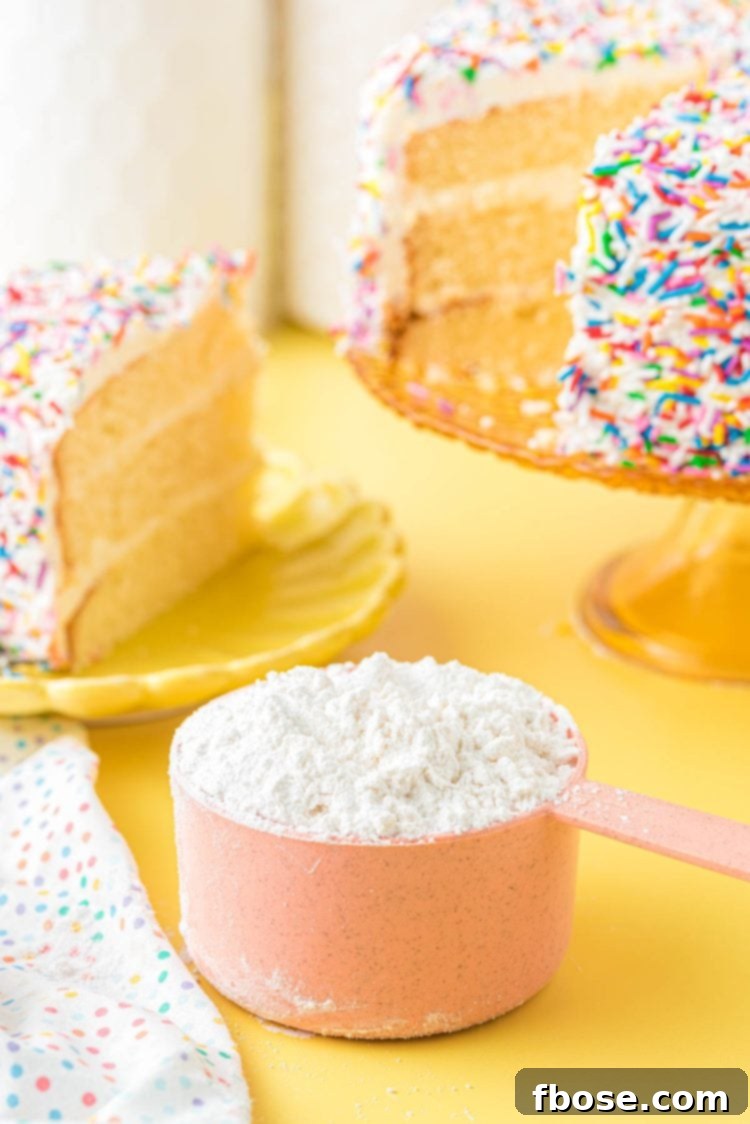
After carefully sifting the mixture three times, your homemade cake flour substitute is impeccably prepared and ready to be used immediately in any of your beloved recipes!
Expert Tips for the Best Homemade Cake Flour Substitute Results
To ensure your homemade cake flour substitute performs flawlessly every time, keep these expert tips in mind:
- Precision in Measurement: Reiterate the “spoon and level” method for measuring flour. Avoid scooping directly from the flour bag, as this compacts the flour, leading to an over-measurement and potentially a denser, heavier baked product. Accuracy is paramount for the correct flour-to-cornstarch ratio.
- Embrace Sifting: While sifting three times is the minimum recommendation, don’t hesitate to go further. For exceptionally delicate cakes or when you want the absolute lightest texture, sifting four or even five times can yield even finer results. This step is the secret to replicating cake flour’s unique texture.
- Ensure Dry Ingredients: Always verify that both your all-purpose flour and cornstarch are completely dry and free-flowing. Humidity can cause ingredients to clump, affecting accurate measurement and the final texture of your substitute. Store them in airtight containers.
- Scale with Confidence: The fundamental ratio of 1 cup all-purpose flour (minus 2 tablespoons) + 2 tablespoons cornstarch is incredibly adaptable. If a recipe calls for 2.5 cups of cake flour, simply multiply: start with 2.5 cups of all-purpose flour, remove 5 tablespoons (2.5 cups * 2 tbsp/cup), and then add 5 tablespoons of cornstarch.
- Prepare a Larger Batch: To save even more time during future baking sessions, consider making a larger batch of this substitute and storing it. This way, you’ll always have cake flour on hand without the immediate preparation steps.
Frequently Asked Questions About Cake Flour Substitute
How Long Can I Store Homemade Cake Flour?
Once you’ve meticulously prepared your homemade cake flour substitute, proper storage is key to maintaining its efficacy. Transfer it to an airtight container, such as a sturdy jar with a tight-fitting lid or a heavy-duty freezer bag, and store it in a cool, dark, and dry pantry. As long as the expiration dates on your original all-purpose flour and cornstarch are still valid, your homemade blend should retain its quality for an impressive period of 6 months to a year. However, it’s always a good practice to give it another quick sift immediately before measuring it out for a recipe, as ingredients can settle and compact over time, affecting its lightness.
What’s The Difference Between All-Purpose Flour And Cake Flour?
The core distinction between all-purpose flour and cake flour lies fundamentally in their protein content. All-purpose flour is a versatile staple with a moderate protein level, typically ranging from 10-12%. This protein is responsible for forming gluten, which provides structure and chewiness in baked goods. In contrast, true cake flour boasts a significantly lower protein content, usually between 7-9%. This reduced protein percentage is crucial because it leads to minimal gluten development when mixed with liquids. The direct consequence of less gluten is a remarkably more tender, delicate, and soft crumb in baked goods, characteristic of the light and airy texture universally desired in cakes, cupcakes, and pastries. Using cake flour prevents the creation of a dense or tough product, ensuring a melt-in-your-mouth experience.
Can I Use Other Starches Instead of Cornstarch?
While cornstarch is overwhelmingly the most common, accessible, and recommended starch for creating this cake flour substitute, primarily due to its neutral flavor profile and highly effective protein-diluting properties, other pure starches could theoretically be used. Options like potato starch or tapioca starch might work in a pinch. However, for consistent, reliable, and optimal results that truly mimic commercial cake flour, cornstarch remains the gold standard. Its fine texture and specific chemical composition contribute perfectly to the desired tenderizing effect.
Can I Make This Recipe In Whole Cup Volumes?
Absolutely, adapting this recipe for whole cup volumes is straightforward and encouraged! The foundational rule remains consistent: for every 1 cup of all-purpose flour you start with, you will always replace 2 tablespoons of that flour with 2 tablespoons of cornstarch. So, if your recipe requires 3 cups of cake flour, you would begin with 3 cups of all-purpose flour, meticulously remove 6 tablespoons (3 cups multiplied by 2 tablespoons per cup), and then accurately add 6 tablespoons of cornstarch back into the blend. This adaptable and precise ratio makes it incredibly simple to scale the substitute to any specific volume your baking recipe demands, ensuring perfect results every time.
Do I Have To Sift The All-Purpose Flour And Cornstarch If I’ve Already Whisked It Together?
Yes, sifting is an absolutely essential and non-negotiable step in this process, even if you’ve already thoroughly whisked the mixture! While whisking helps to initially combine the ingredients, sifting performs two critically important functions that cannot be skipped. Firstly, it guarantees an utterly uniform blend of the flour and cornstarch, eradicating any microscopic lumps or uneven distribution that could compromise the final texture. Secondly, and equally paramount, sifting rigorously aerates the flour, introducing crucial air that contributes significantly to the characteristic light, fine, and tender texture, which is the hallmark of genuine cake flour. Omitting this step would result in a less effective substitute, likely yielding a denser and less delicate baked product.
Recipes That Shine with Homemade Cake Flour Substitute
Now that you’ve mastered the art of creating your own high-quality cake flour substitute, it’s the perfect time to put your new skill to excellent use! These classic recipes are prime examples of baked goods where the tenderizing power of cake flour truly makes an undeniable difference, ensuring a delicate crumb, a light texture, and an irresistible eating experience.
- Blueberry Buckle – This delightful coffee cake-like dessert demands a moist and tender cake base. Your homemade cake flour substitute will ensure a wonderfully delicate crumb that perfectly complements the bursting juicy seasonal berries and the irresistible streusel topping.
- Soft Sugar Cookies – Say goodbye to dry, brittle sugar cookies! With your homemade cake flour, these cookies will possess an incredibly soft, almost cakey texture, making them the ultimate canvas for a rich, creamy homemade frosting that will melt in your mouth.
- Peanut Butter Sheet Cake – For the ultimate peanut butter enthusiast, this deeply flavorful cake requires a tender crumb to provide a perfect balance to its rich and decadent taste. Your cake flour substitute will deliver a wonderfully light and airy texture, preventing the cake from becoming overly dense or heavy.
- Birthday Cupcakes – Achieve consistently fluffy, airy vanilla almond cupcakes that boast an exceptionally tender crumb. The cake flour ensures a delicate structure that perfectly supports and enhances the luscious, easy-to-make 4-ingredient frosting.
- Angel Food Cake – This iconic, light-as-air cake absolutely depends on a very low-protein flour for its signature ethereal and cloud-like texture. Using your precisely made homemade cake flour from scratch will guarantee it’s the best-tasting, perfectly structured, delicate foundation for all your favorite toppings.
Cake Flour Substitute Recipe
Rating: 5 out of 5 stars (from 3 votes)
Author: Rebecca Hubbell
Course: Basic
Cuisine: American
Prep Time: 5 minutes
Total Time: 5 minutes
Yields: 2 cups of cake flour substitute
Summary
This Homemade Cake Flour Substitute is a quick and easy kitchen hack that allows you to make your favorite treats anytime you want them! Made with only 2 ingredients in just 5 minutes or less!
Ingredients (for 2 cups of cake flour substitute)
- 1¾ cup all-purpose flour
- ¼ cup cornstarch
Instructions
- Whisk together the all-purpose flour and cornstarch thoroughly in a medium bowl until no lumps remain and the mixture is uniform.
- Sift the mixture through a fine-mesh sieve or a regular flour sifter a minimum of 3 times. This crucial step ensures optimal aeration and even distribution, replicating the lightness of commercial cake flour.
- Your homemade cake flour substitute is now ready to be used in any recipe calling for cake flour.
Notes
- You can easily scale this recipe for any desired volume. The universal rule is to remove 2 tablespoons of all-purpose flour for every cup needed and replace it with 2 tablespoons of cornstarch.
- Sifting is an absolutely essential step for achieving the correct texture and cannot be skipped. It’s recommended to whisk ingredients thoroughly before the multiple sifting cycles.
Nutrition Information (per 2 cups of substitute)
(Approximate values based on ingredients used)
- Calories: 459 kcal
- Carbohydrates: 98g
- Protein: 11g
- Fat: 1g
- Saturated Fat: 1g
- Polyunsaturated Fat: 1g
- Monounsaturated Fat: 1g
- Sodium: 4mg
- Potassium: 118mg
- Fiber: 3g
- Sugar: 1g
- Calcium: 17mg
- Iron: 5mg
Let’s Connect and Share Your Baking Success!
If you’ve tried this fantastic homemade cake flour substitute and used it in your baking, we would absolutely love to hear from you! Please let us know how your treats turned out by leaving a comment and a review below. Your valuable feedback not only helps our baking community thrive but also inspires others to try these incredibly useful kitchen hacks.
Don’t be shy – share your beautiful baked creations with us! Tag us – @sugarandsoulco – on Instagram and Pinterest with your photos, or consider joining our Sugar & Soul Show-offs Community on Facebook. It’s a wonderful, supportive place to share your culinary triumphs, get insightful tips, and even participate in our fun recipe challenges! Happy baking!
Did You Make This Recipe?
Don’t forget to share it with me on Instagram @sugarandsoulco and follow on Tiktok @sugarandsoulco and Pinterest @sugarandsoulco for more delightful recipes and baking inspiration!