Vegetable Broth
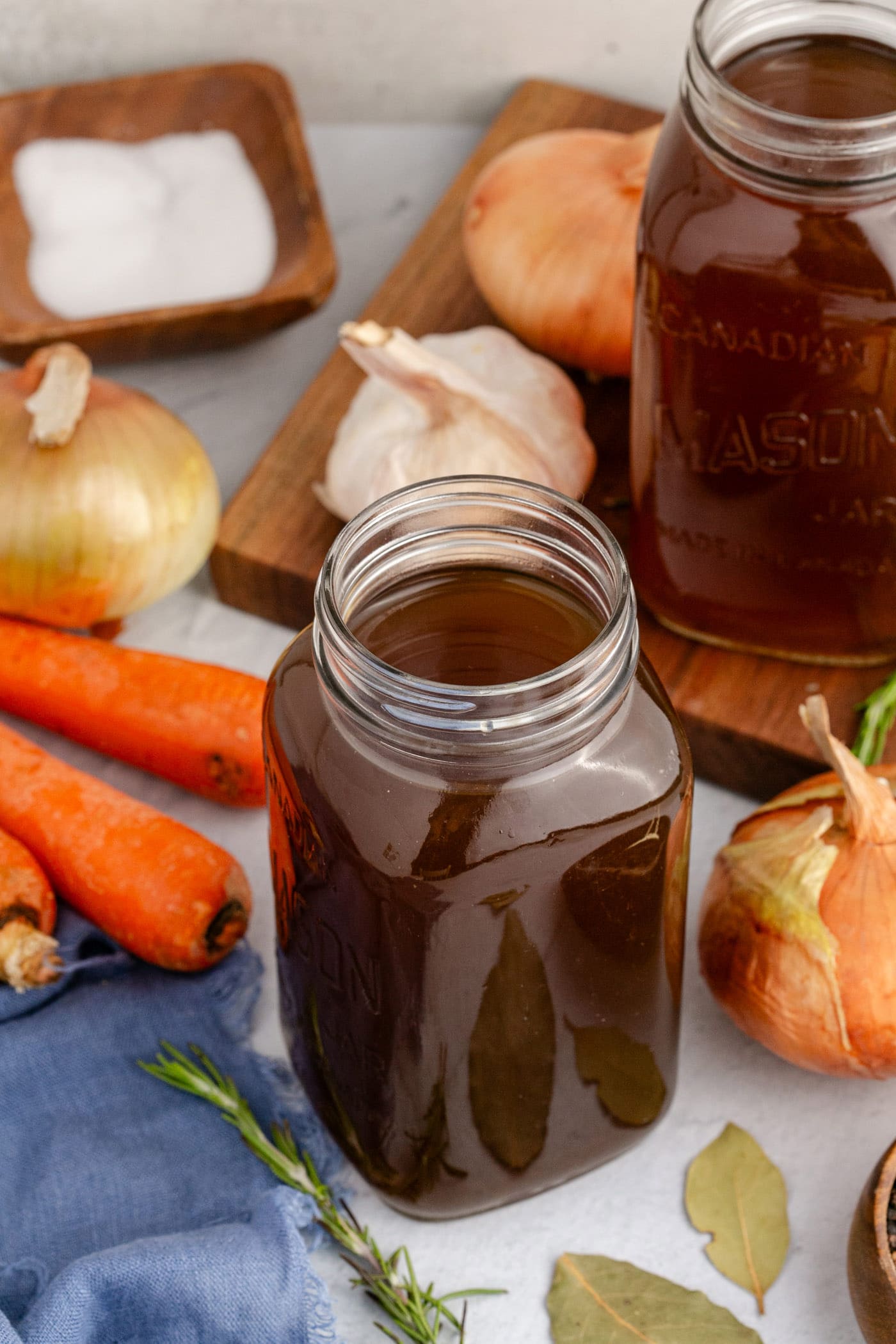
A good homemade vegetable broth uses fresh herbs, celery, carrots, onions, and garlic as a solid foundation for plenty of flavorful dishes. Simply chop, simmer, and strain for a hearty veggie base in all your sauces and soup recipes.
- Total 4 hours 40 minutes
- Serves 8 servings (2 quarts total)
- Soup
- American
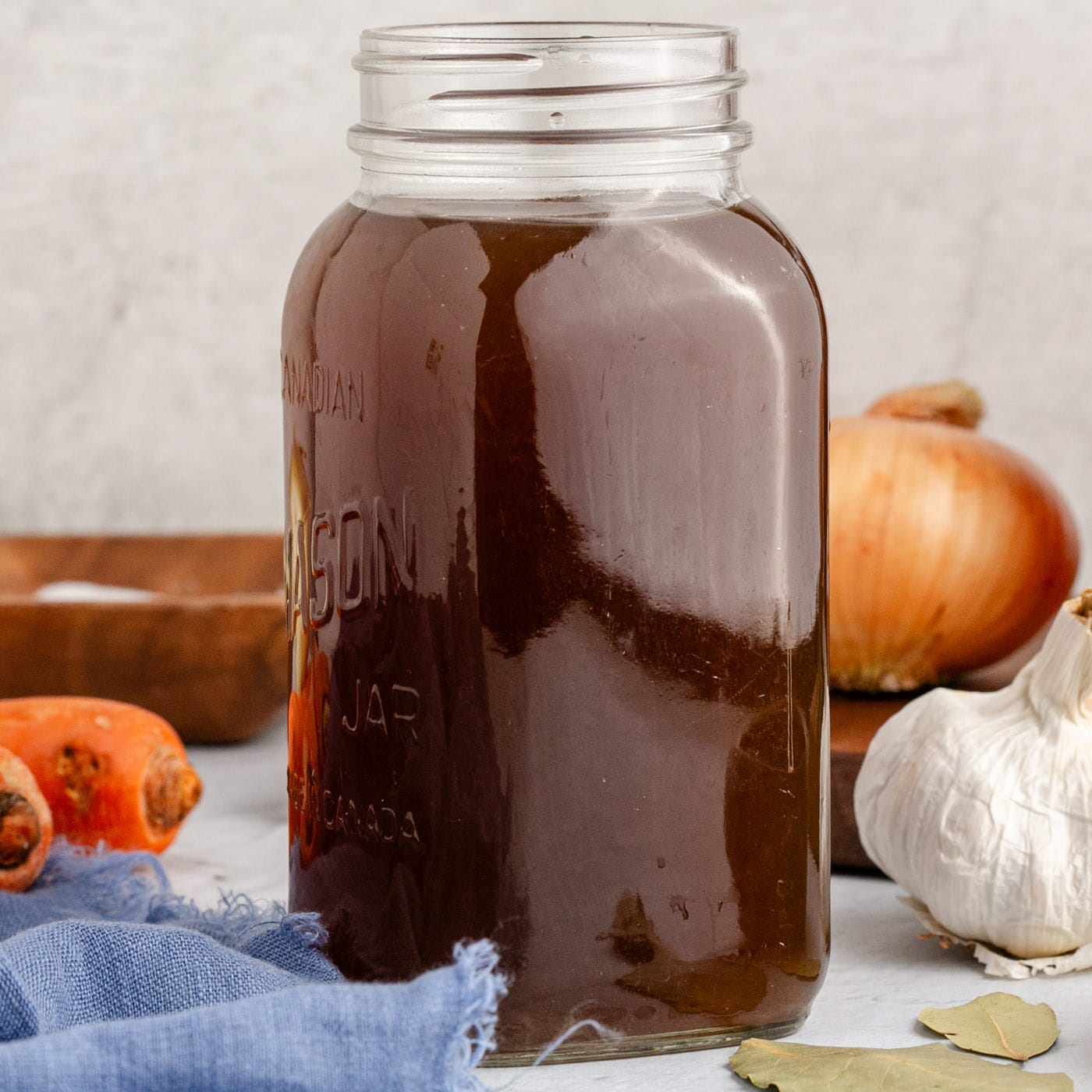
A good homemade vegetable broth uses fresh herbs, celery, carrots, onions, and garlic as a solid foundation for plenty of flavorful dishes. Simply chop, simmer, and strain for a hearty veggie base in all your sauces and soup recipes.
 more
more
Why this recipe works
When making vegetable broth, do your best to use fresh veggies for the freshest flavor. Old vegetables that are slimy, tough, wilting, or breaking down will relay their flavor into the finished broth – and we certainly don’t want that to be the base we use for delicious soups, stews, and sauces. I know it can be tempting to use up kitchen scraps, which isn’t a bad thing, so long as they are still fairly fresh and not decomposing in the compost bin.
This recipe does not include any bones or carcasses like we used in our homemade chicken stock, but we pack flavor in with plenty of herbs, salt, and whole peppercorns for a downright tasty vegetarian-friendly broth.
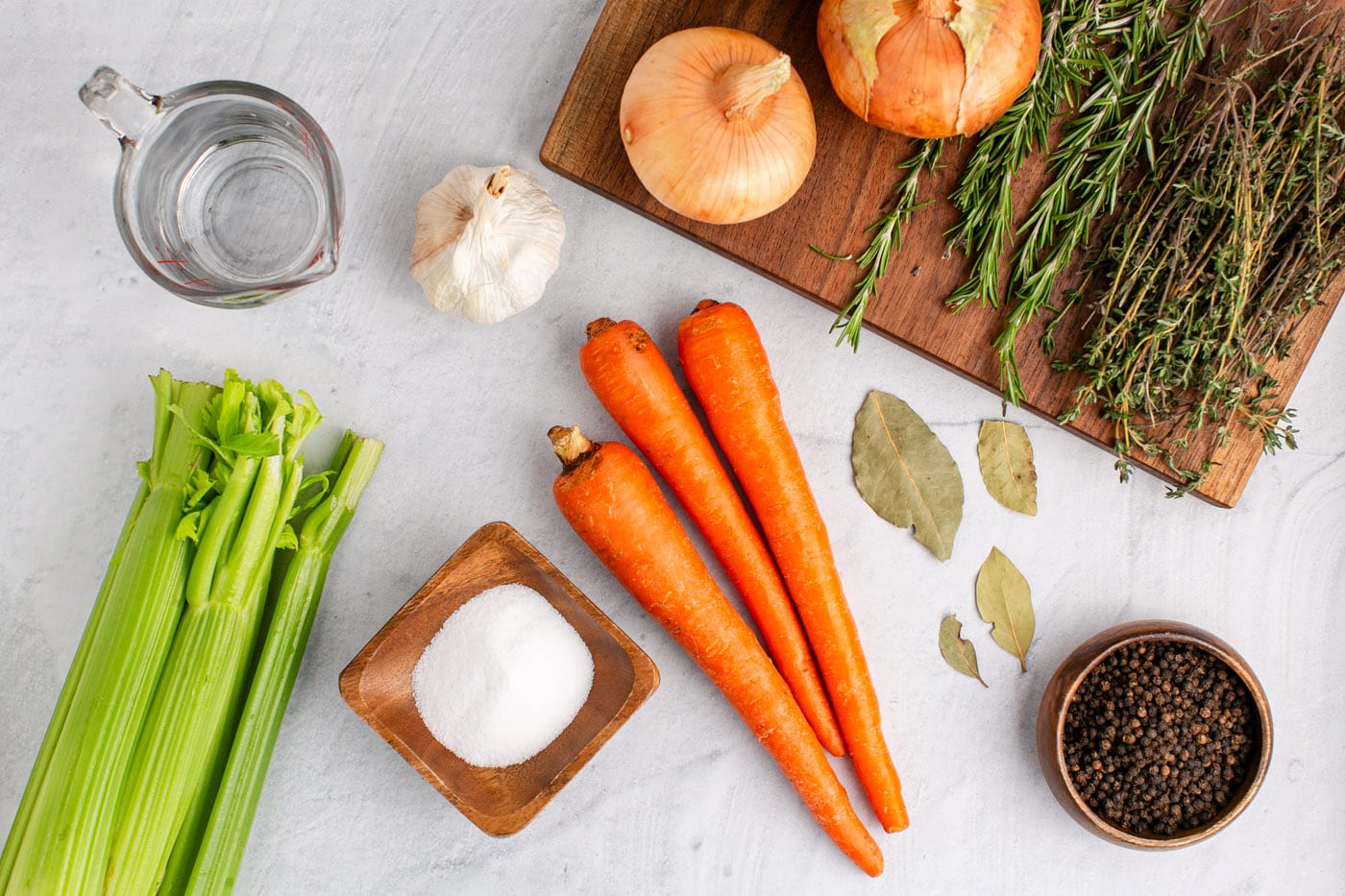
Ingredients you will need
Get all measurements, ingredients, and instructions in the printable version at the end of this post.
Ingredient Info and Substitution Suggestions
VEGETABLES – No onion? Shallots are a good substitute. Leek greens, corn, mushroom stems, and peas are other delicious additions. Be sure to peel the skin from the onion and carrots as well as any leaves still attached to the celery stalks before adding them to the pot. All of these can cause bitterness in the finished broth. I recommend using fresh vegetables.
HERBS – Fresh herbs are the way to go for a homemade vegetable broth as they add so much flavor. We chose fresh thyme, rosemary, and some bay leaves.
How to Make Vegetable Broth
These step by step photos and instructions are here to help you visualize how to make this recipe. You can Jump to Recipe to get the printable version of this recipe, complete with measurements and instructions at the bottom.
- In a large stockpot place all ingredients and cover with 30-32 cups of water.
EXPERT TIP – You will need a 14-quart stockpot or larger for a full batch, or a 7-quart stockpot for a half batch. In the step photos below, we used a 7-quart pot to make a half batch.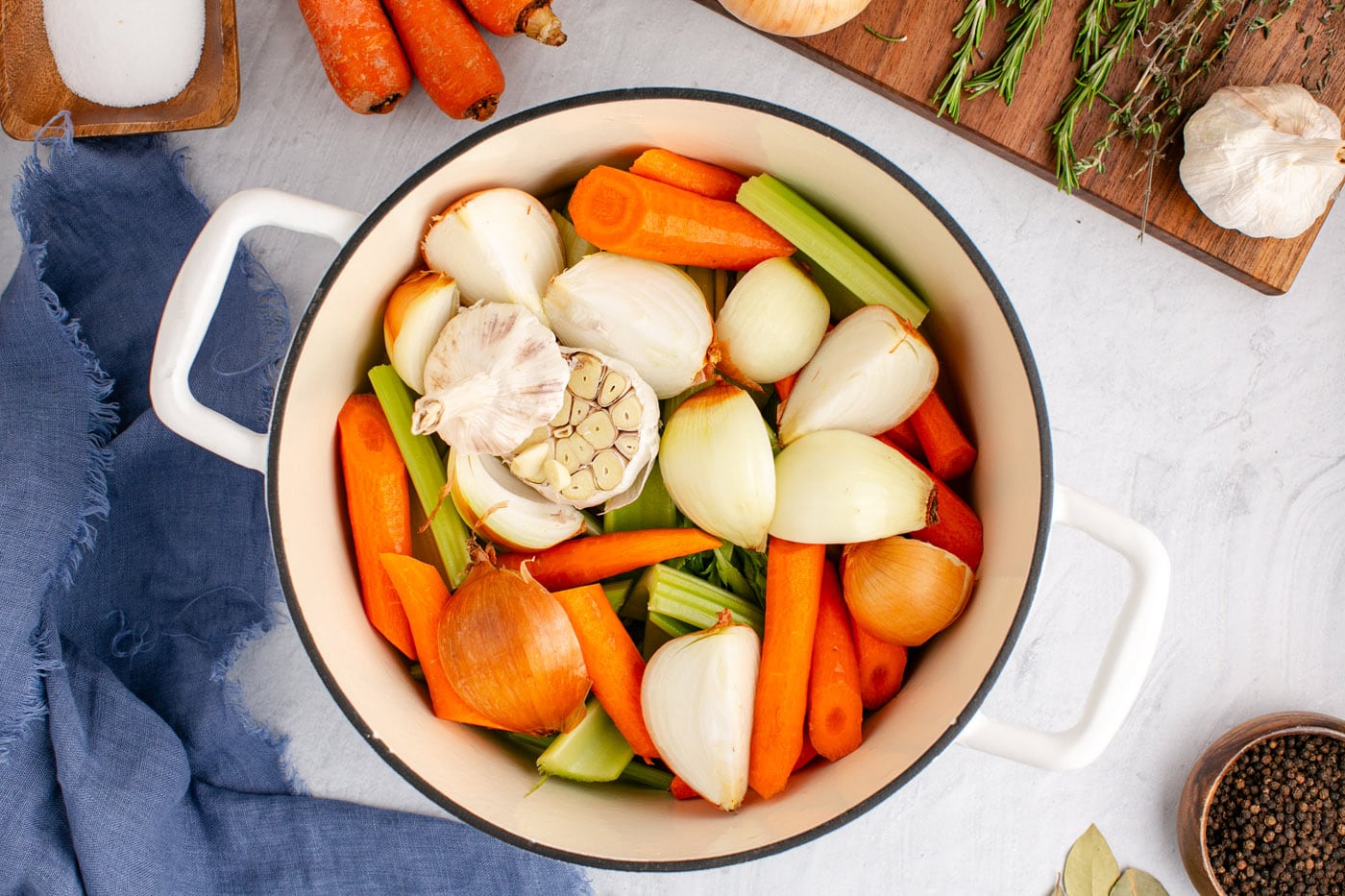
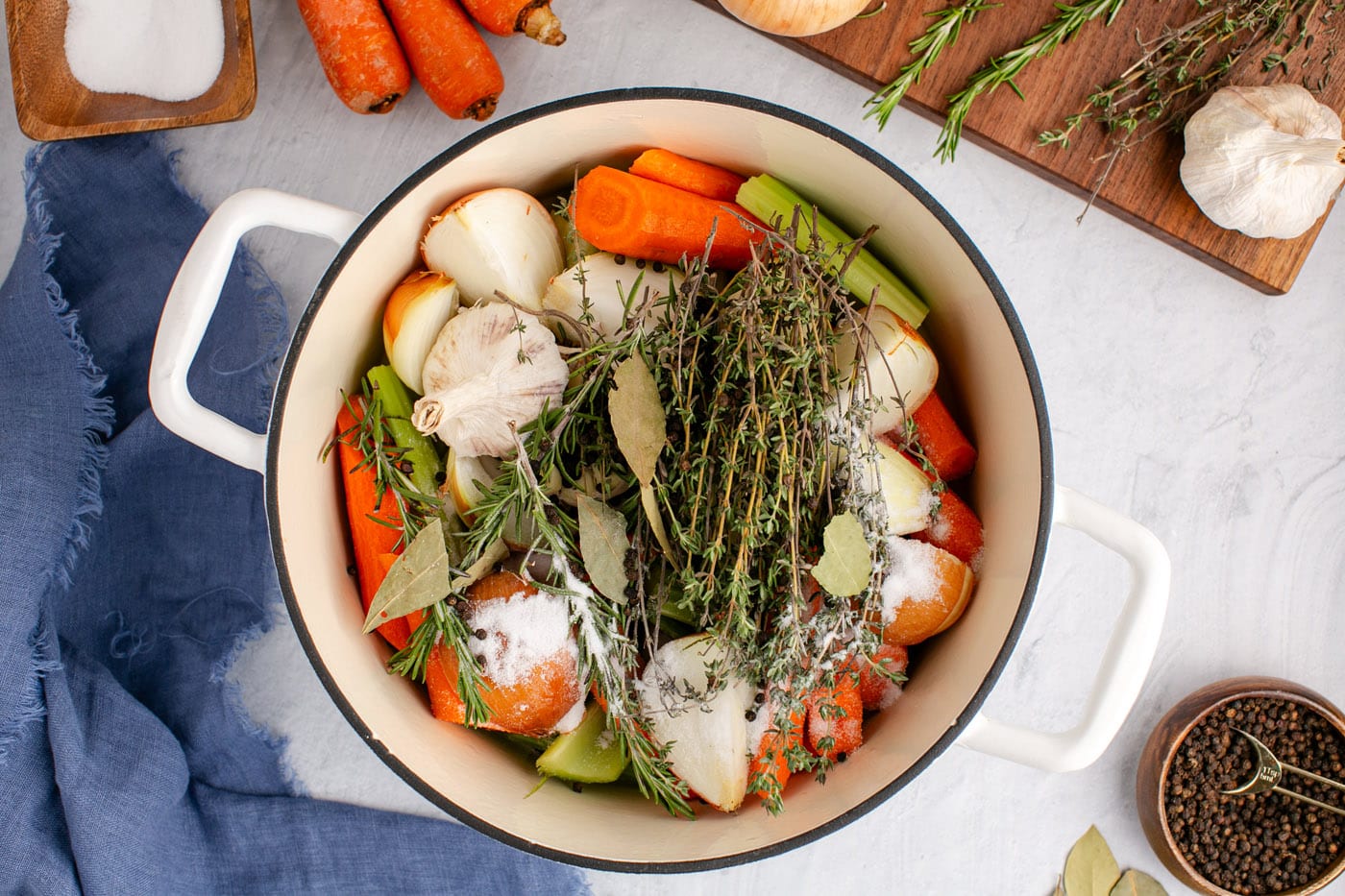
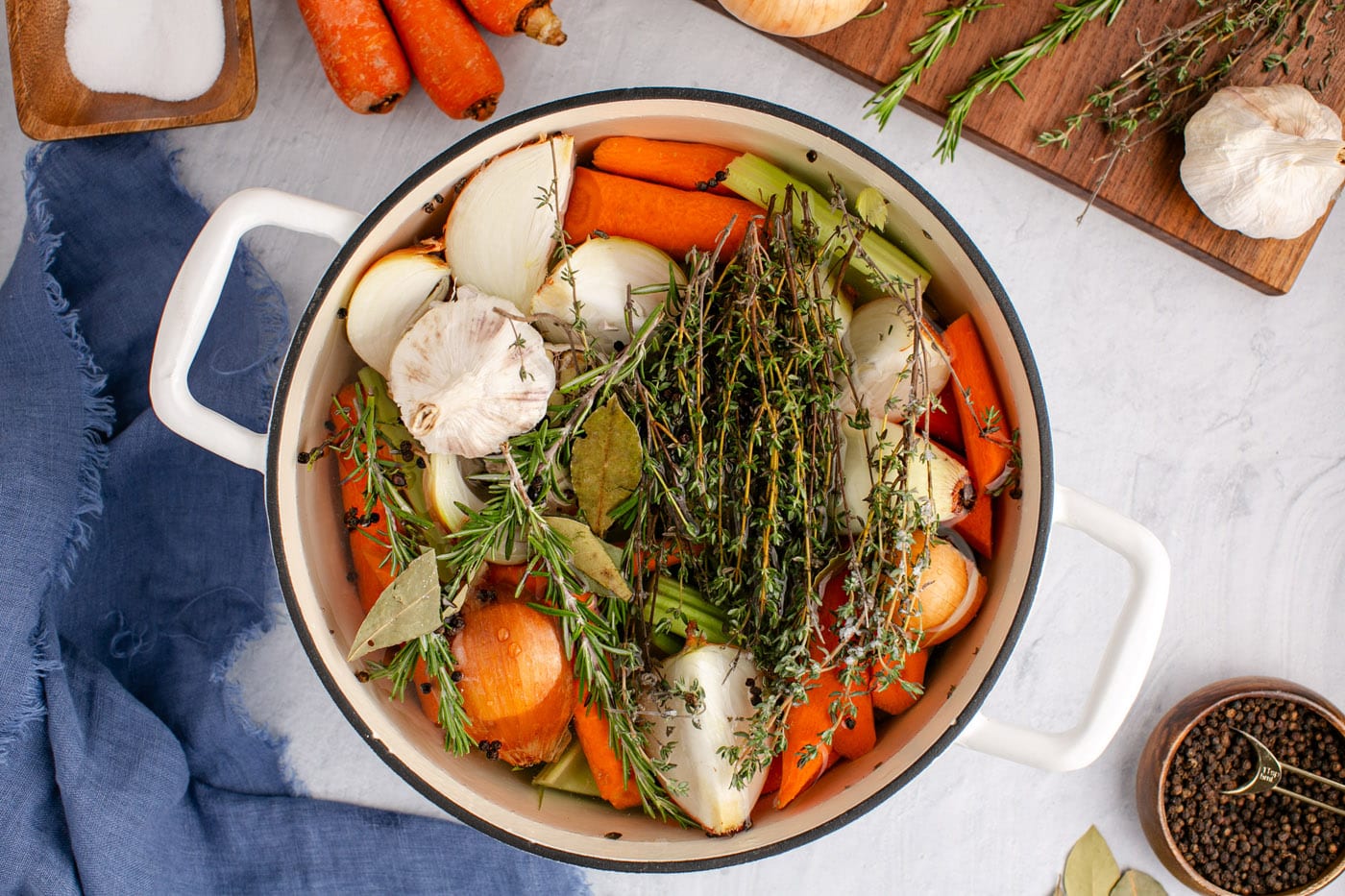
- Bring to a boil on medium-high heat, then reduce to low heat and simmer for about 4 hours, uncovered. Taste the broth after 3 hours and add more salt if needed.
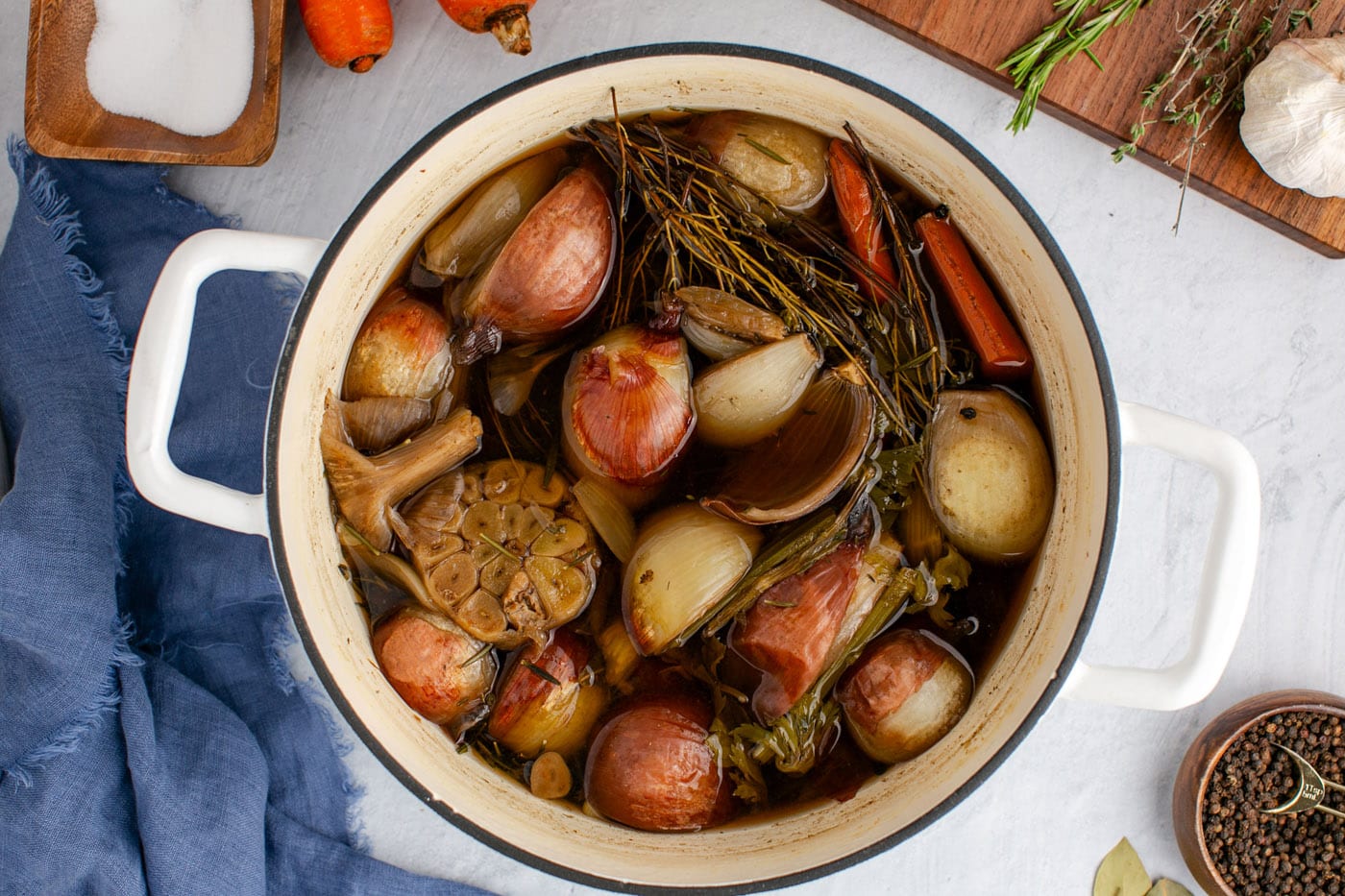
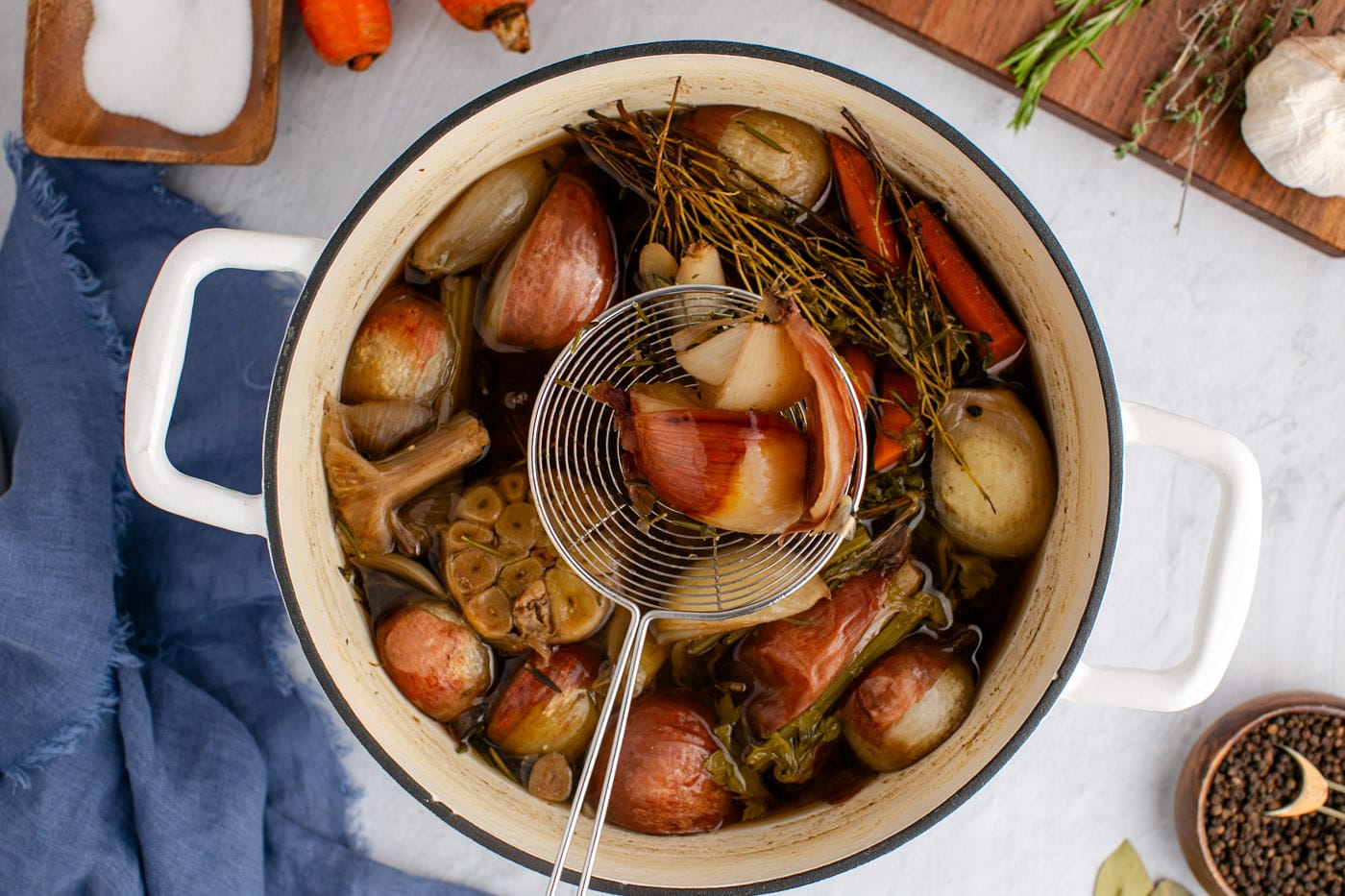
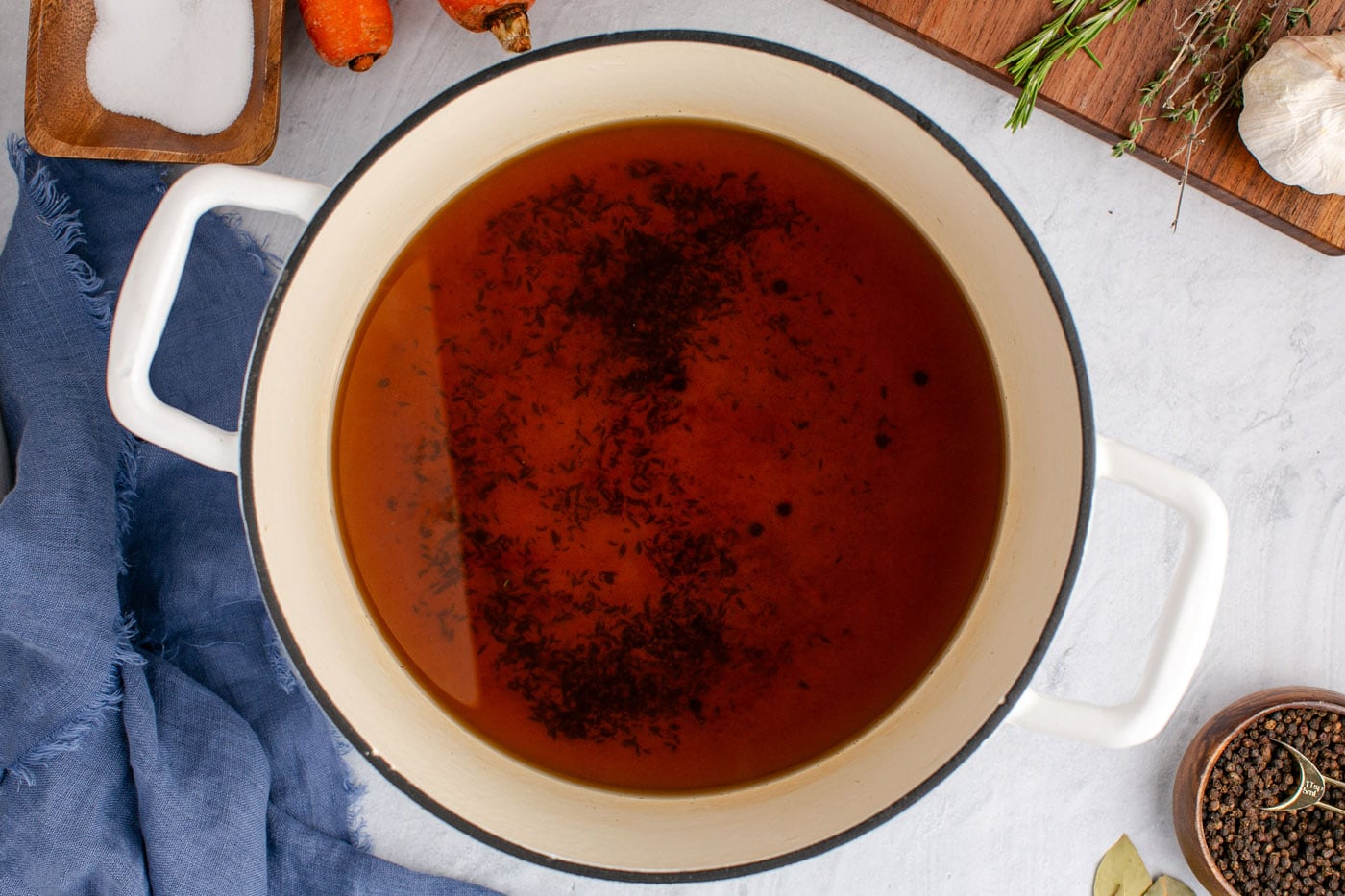
- Strain out any large pieces with a slotted spoon. Use a cheesecloth or a fine strainer to catch any smaller pieces. Repeat as needed.
Frequently Asked Questions & Expert Tips
Why is my homemade vegetable broth bitter?There are many components that can cause bitter vegetable broth. In fact, celery, one of the most popular additions to vegetable broth, can often cause bitterness if you are using leftover scraps. I would recommend sticking to fresh celery when making broth, but if you have scraps you’d like to use up then stick to only the white portion. The green portion of the stalk becomes bitter as it ages, and be sure to not include the leaves before adding it to the pot. The onion and carrot can be another culprit if you’ve included the skins. Be sure to peel the skin on both and discard the root of the onion.
What veggies should you not include in vegetable broth?While it may seem like you can add just about any veggie to vegetable broth, that isn’t entirely true. Steer clear of any veggies in the Brassica family (broccoli, Brussels sprouts, cauliflower, cabbage, kale, turnips) as well as green beans and zucchini – all of which will cause bitterness. Potatoes are okay but will cause cloudiness.
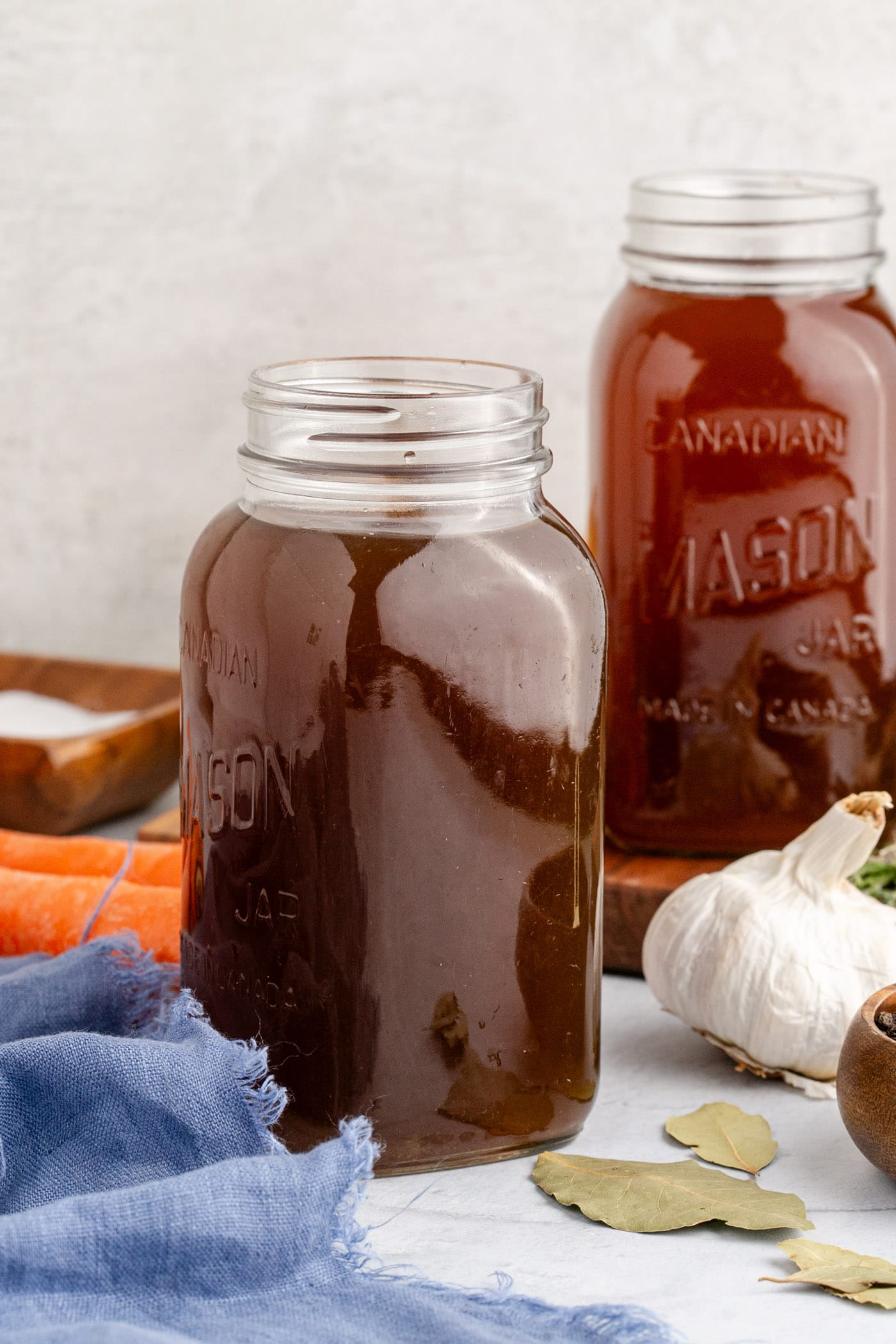
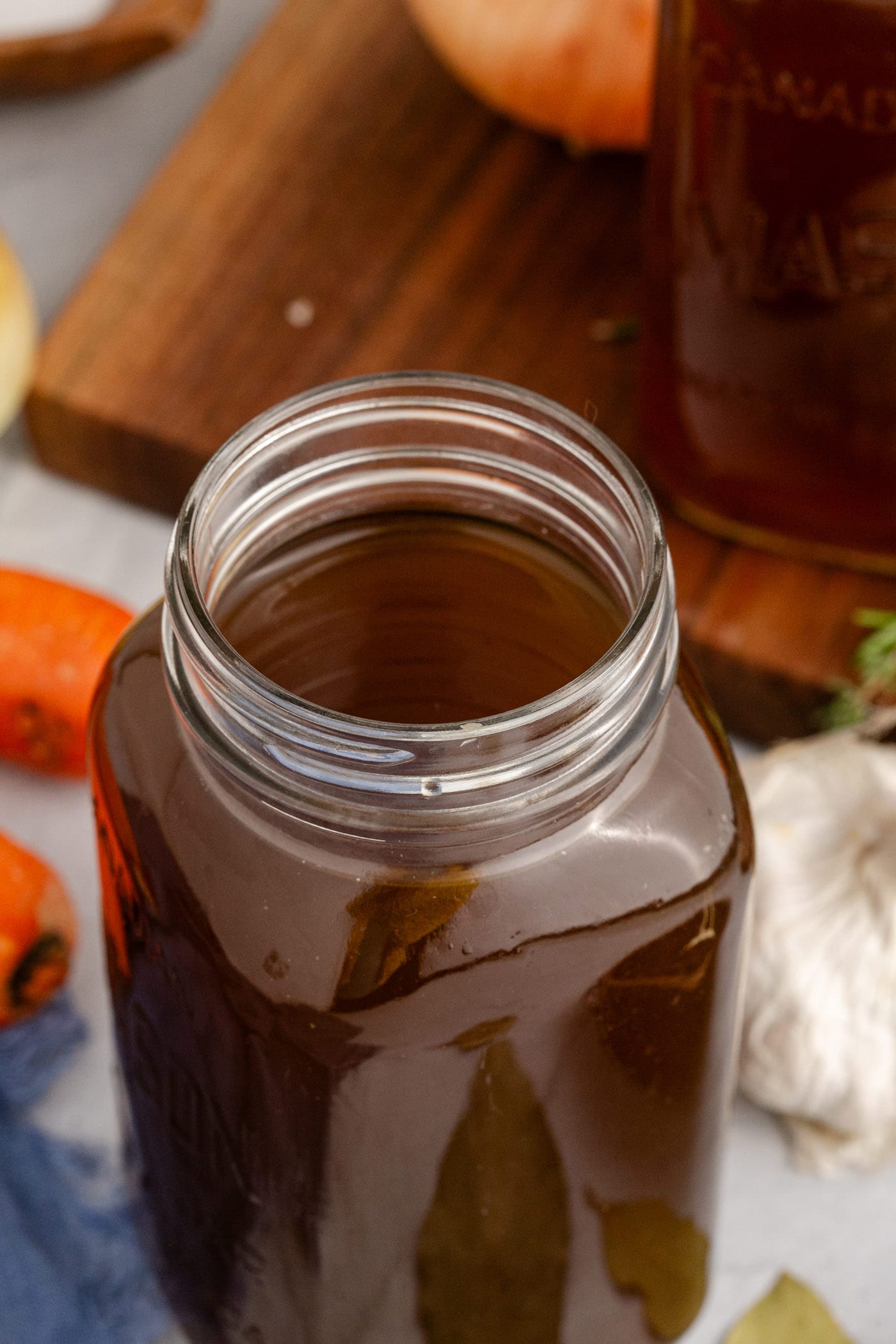
How do you store homemade broth?Store the broth in an air-tight container or two 32-ounce mason jars kept in the refrigerator for up to 4 days. To freeze, transfer the cooled broth to a large freezer bag or air-tight container with room at the top to allow for expansion. Freeze for 5-6 months.
What’s the difference between stock and broth?There are a couple of differences between stock and broth. Stocks are thicker in consistency compared to broth. Stocks typically contain bones, whereas broth relies on vegetables and sometimes meat. When cooking down, the bones release collagen which is what makes stock thicker than broth.
Serving Suggestions
Vegetable broth is commonly used in soups, stews, or sauces and can easily be substituted in place of beef or chicken broth. This recipe makes enough for two full 32-ounce mason jars (2 quarts total) so you’ll have plenty to freeze for later.
Recipes That Use Vegetable Broth
- Italian Stew
- Lasagna Soup
- Lemon Couscous
- Easy Tomato Soup
- Healthy Vegetable Soup
- Creamy Mushroom Risotto
I love to bake and cook and share my kitchen experience with all of you! Remembering to come back each day can be tough, that’s why I offer a convenient newsletter every time a new recipe posts. Simply subscribe and start receiving your free daily recipes!
More recipes to try
Eight more recipes from the kitchen.
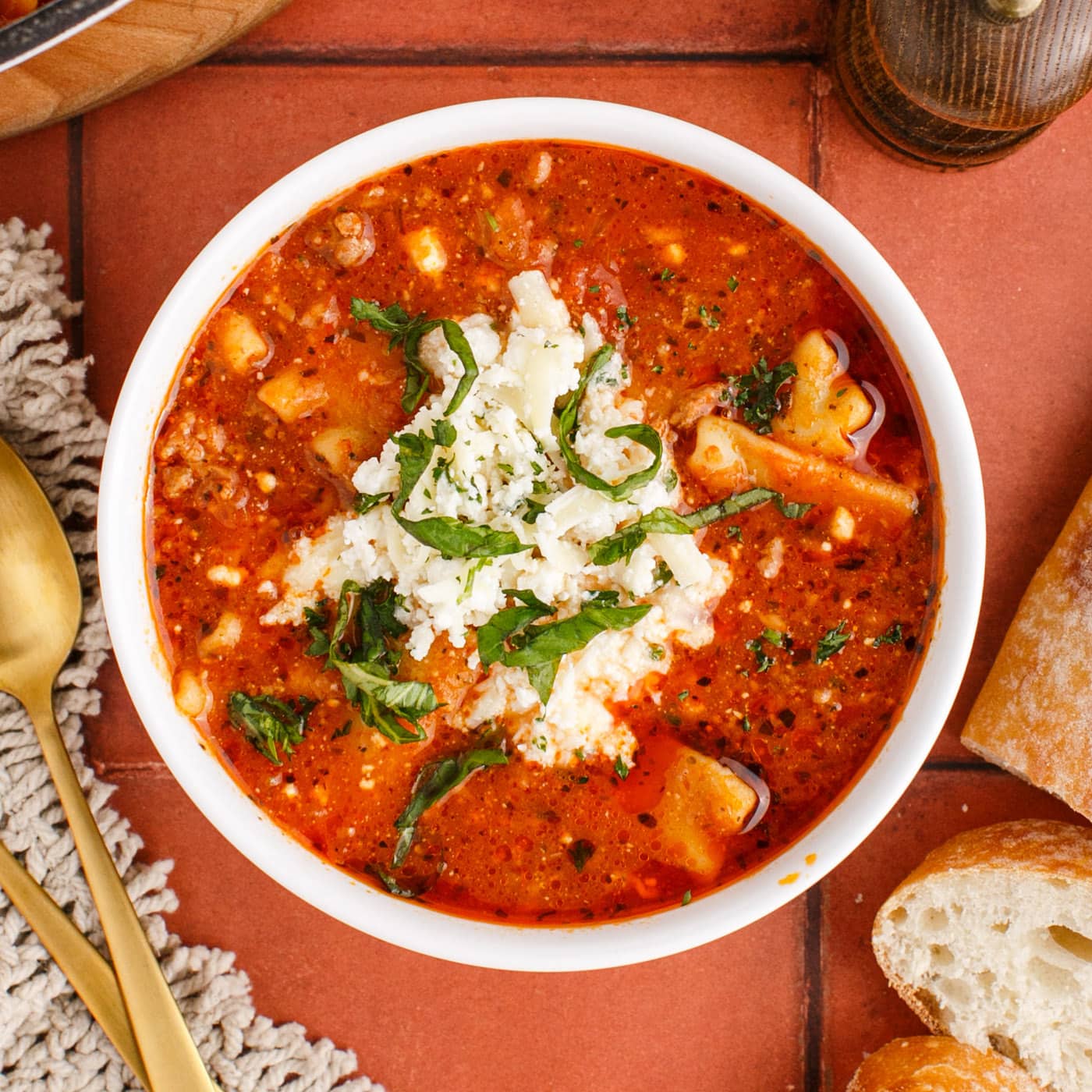
Lasagna Soup
Tender lasagna noodles are smothered in tomato broth instead of sauce…

Chicken Pot Pie Soup
Hearty and filling chicken pot pie soup is the comfort food of the…
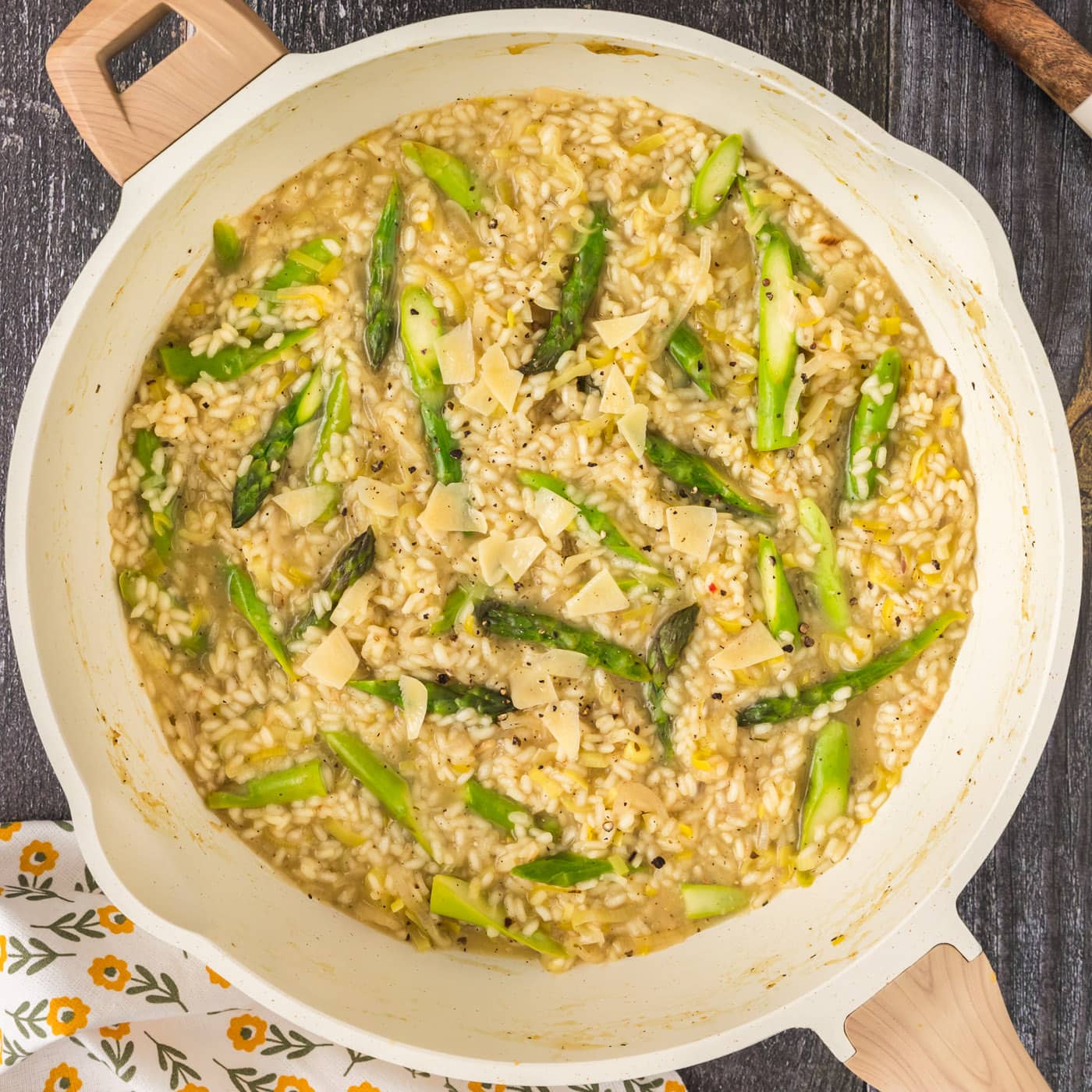
Asparagus Risotto
Creamy asparagus risotto is made with tender asparagus, sliced leeks…
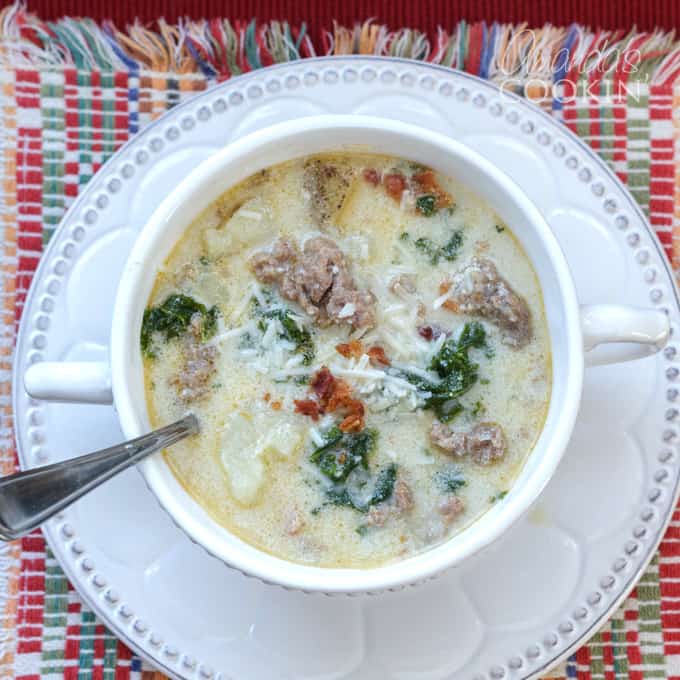
Zuppa Toscana Soup
Zuppa Toscana is an Olive Garden soup recipe that has sweet Italian…

Black Bean Burger
This easy black bean burger recipe transforms plant based patties into…
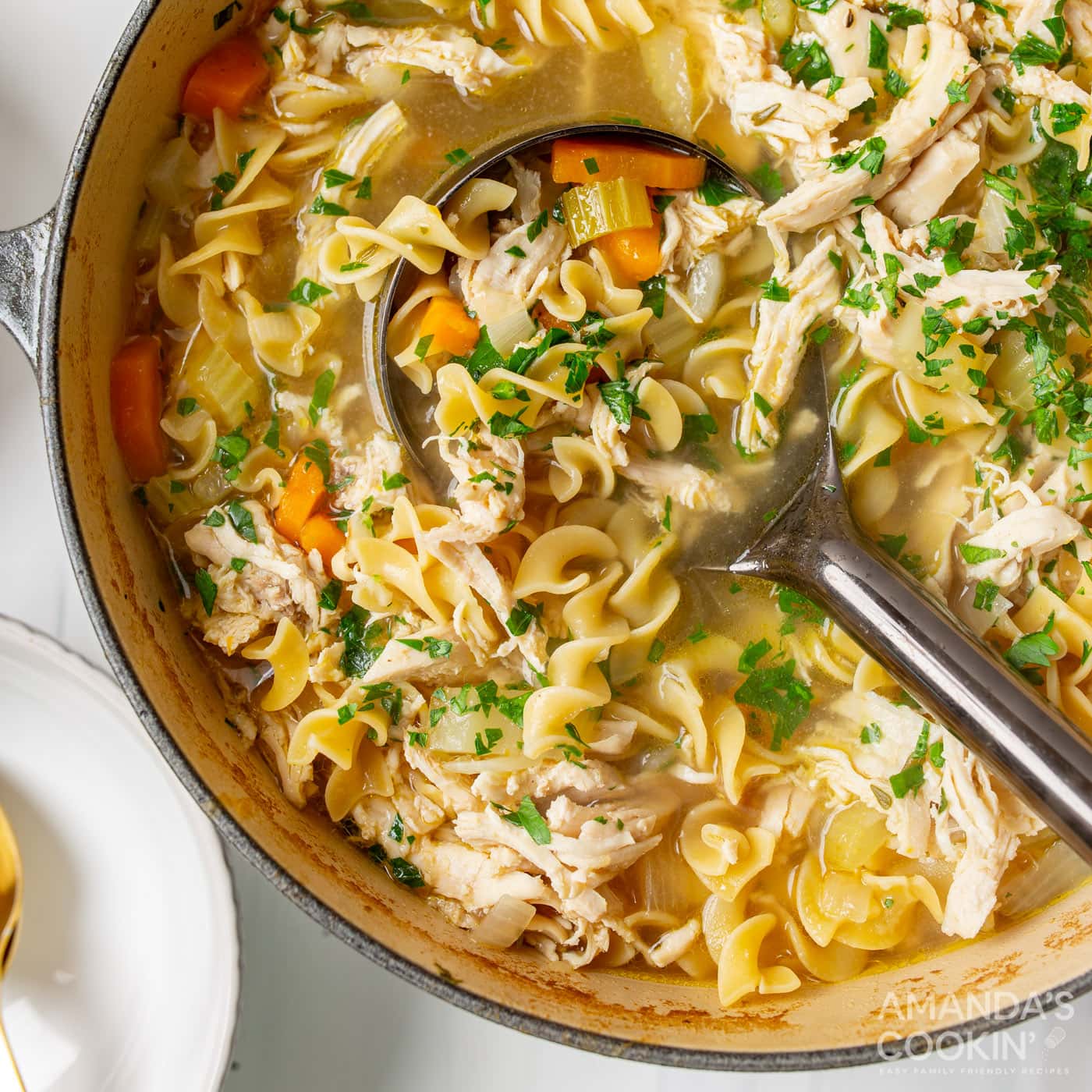
Chicken Noodle Soup
This easy chicken noodle soup recipe is a homestyle comforting meal…
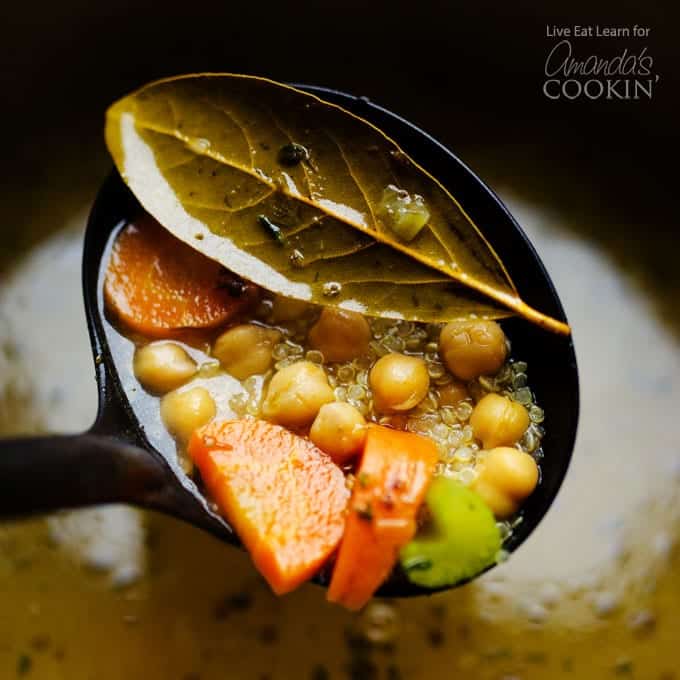
Chickpea Vegetable Soup
Need a healthier vegetable soup recipe to warm your bones this winter?…
Strawberry Spinach Salad with Balsamic
This easy strawberry spinach salad tosses fresh spinach, juicy…