
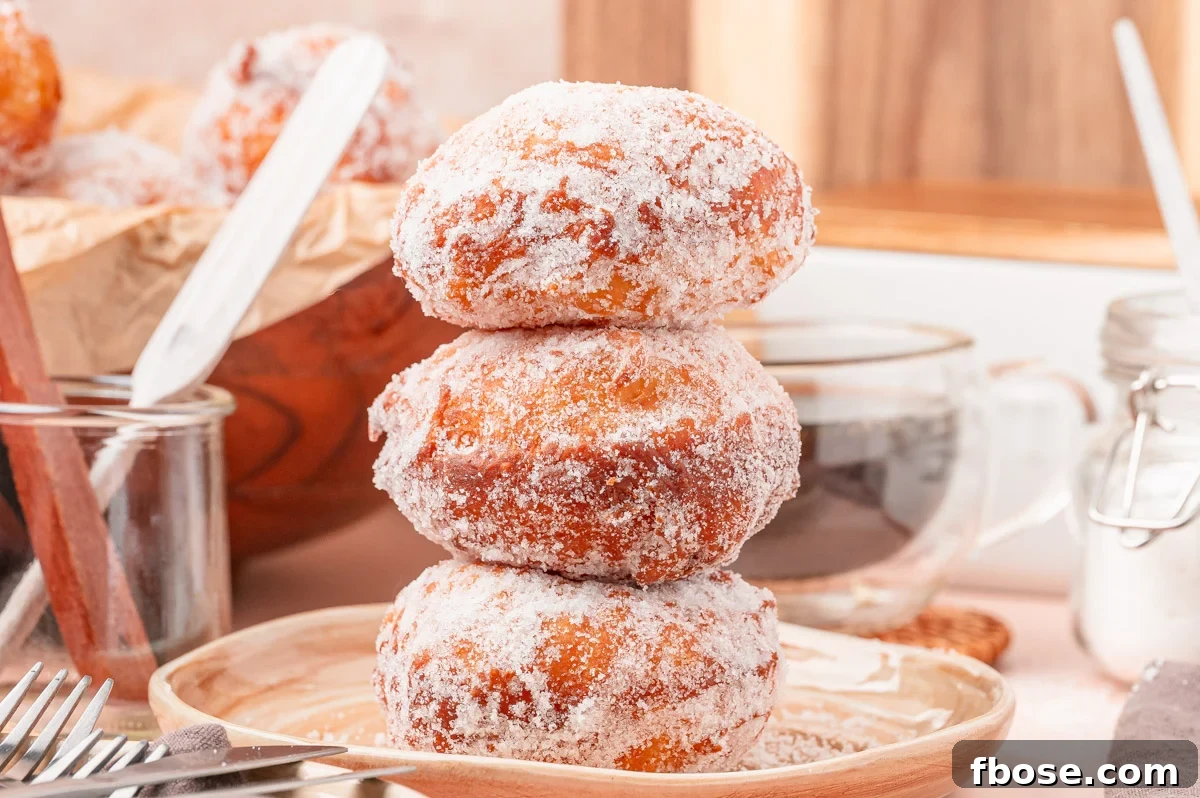
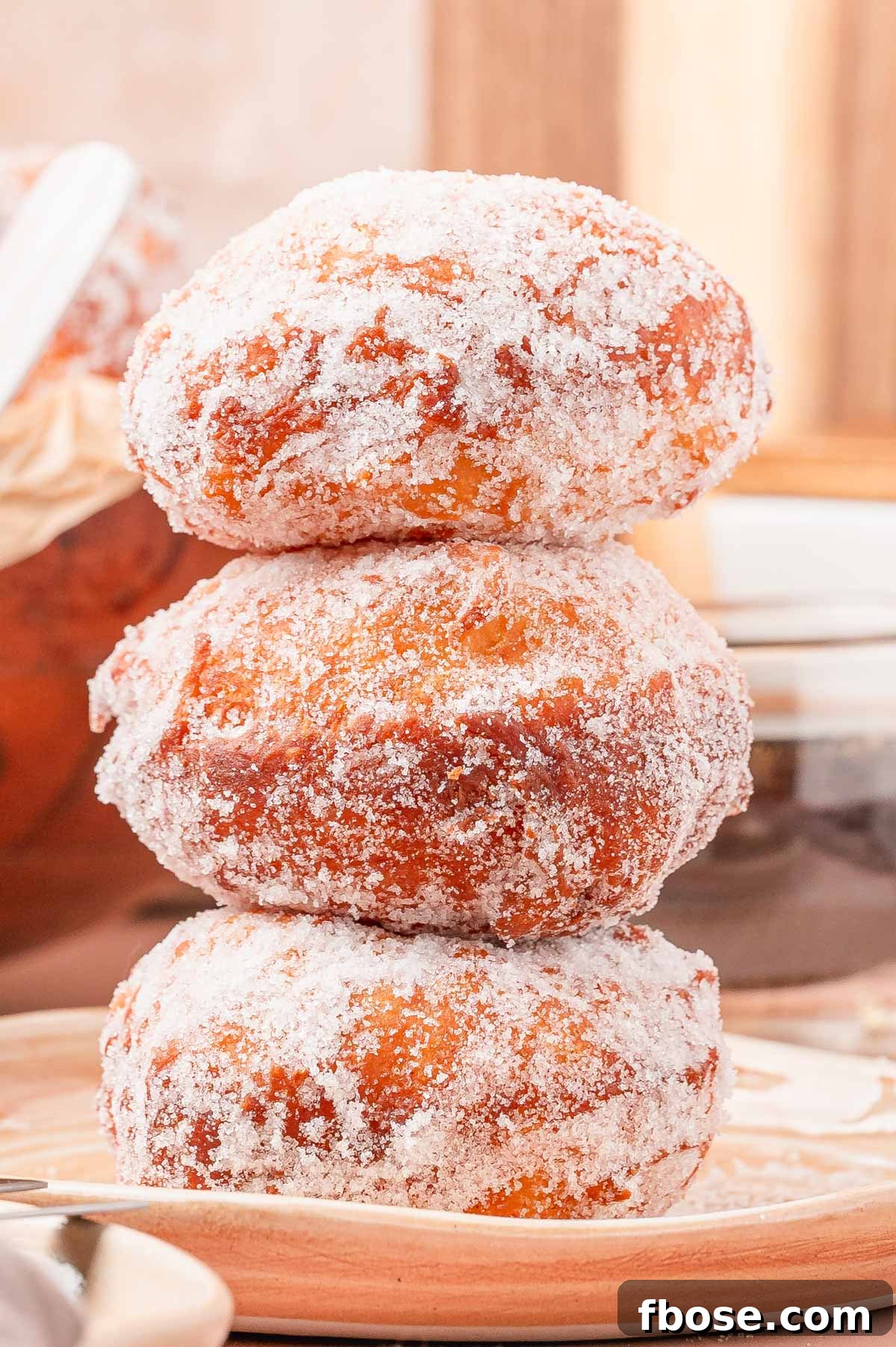
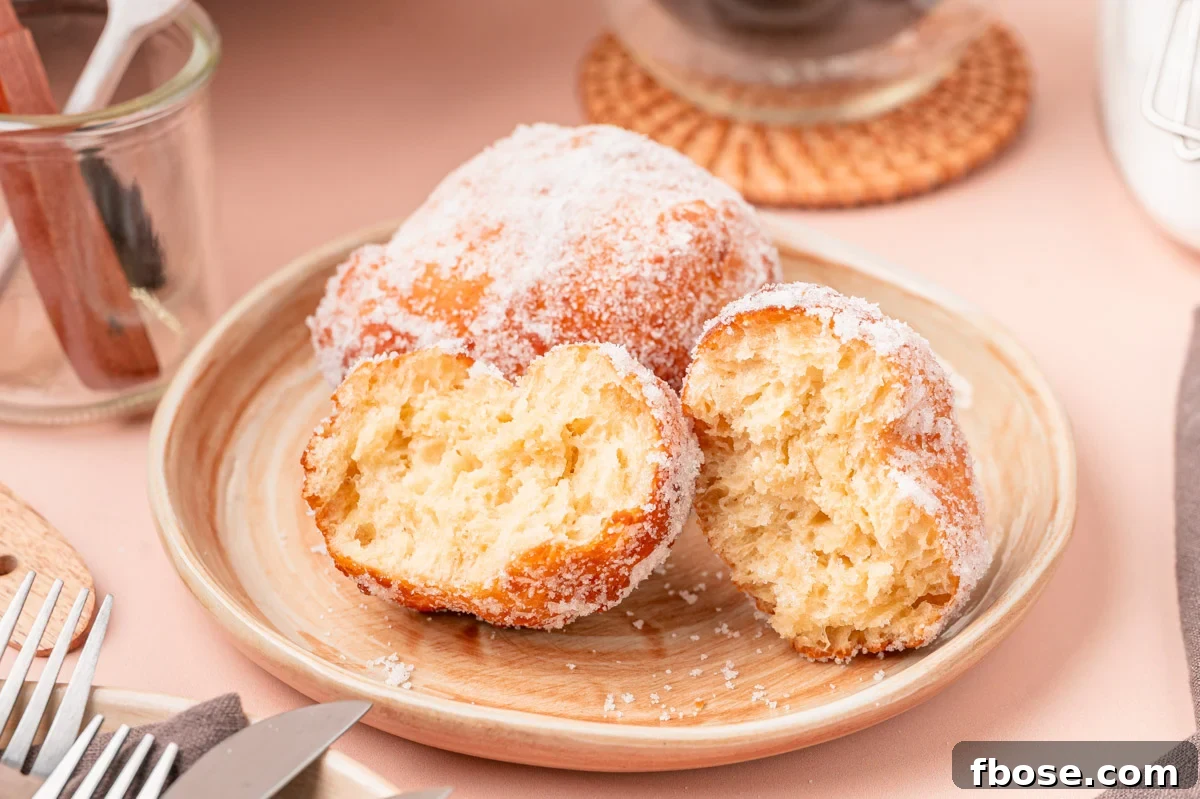
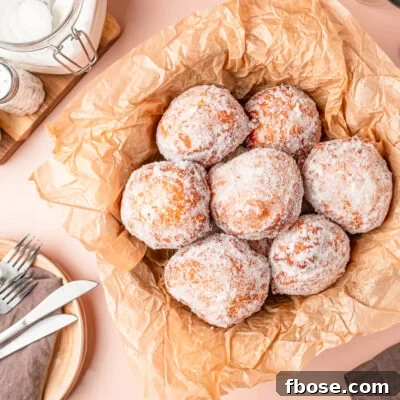
There are homemade doughnuts…and then there are Hawaiian malasadas. Light as a cloud with crisp golden edges and a sweet sugar coating, they’re one of Hawaii’s most iconic treats. This straightforward Hawaiian malasada recipe guides you through making them from scratch so you can enjoy warm, fluffy malasadas at home.
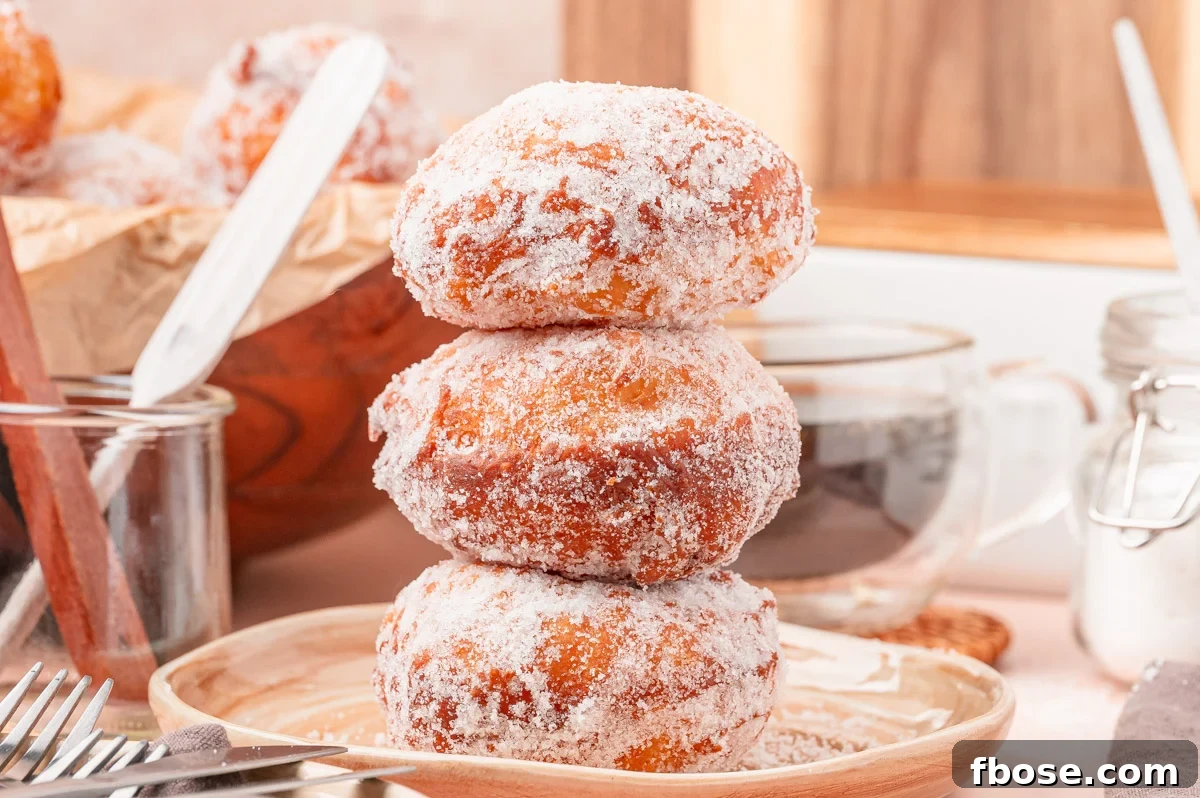
The Secret to Soft, Pillowy Hawaiian Malasadas
Malasadas trace their origins to Madeira and were brought to Hawaii by Portuguese immigrants. The combination of a lightly enriched dough, generous proofing, frying to a golden brown, and a warm sugar coating creates the irresistible contrast of tender interior and slightly crisp exterior. The key elements are quality ingredients, proper dough hydration, and allowing the dough to rise twice so the finished malasadas are airy and soft.
Whether you first tasted them at a Hawaiian bakery or are trying to recreate that island taste for the first time, this recipe captures the essential texture and flavor. The dough uses bread flour for structure, evaporated milk for richness, eggs and butter for tenderness, and a coating of granulated sugar for the classic finish. A double rise before frying ensures the lightest, pillowy interior.
The very first malasada I tried was from a roadside stand in Kauai and it was unforgettable: warm, slightly buttery, and dusted in sugar. That memory inspired this recipe, which focuses on simplicity and technique so you can get similarly satisfying results at home.
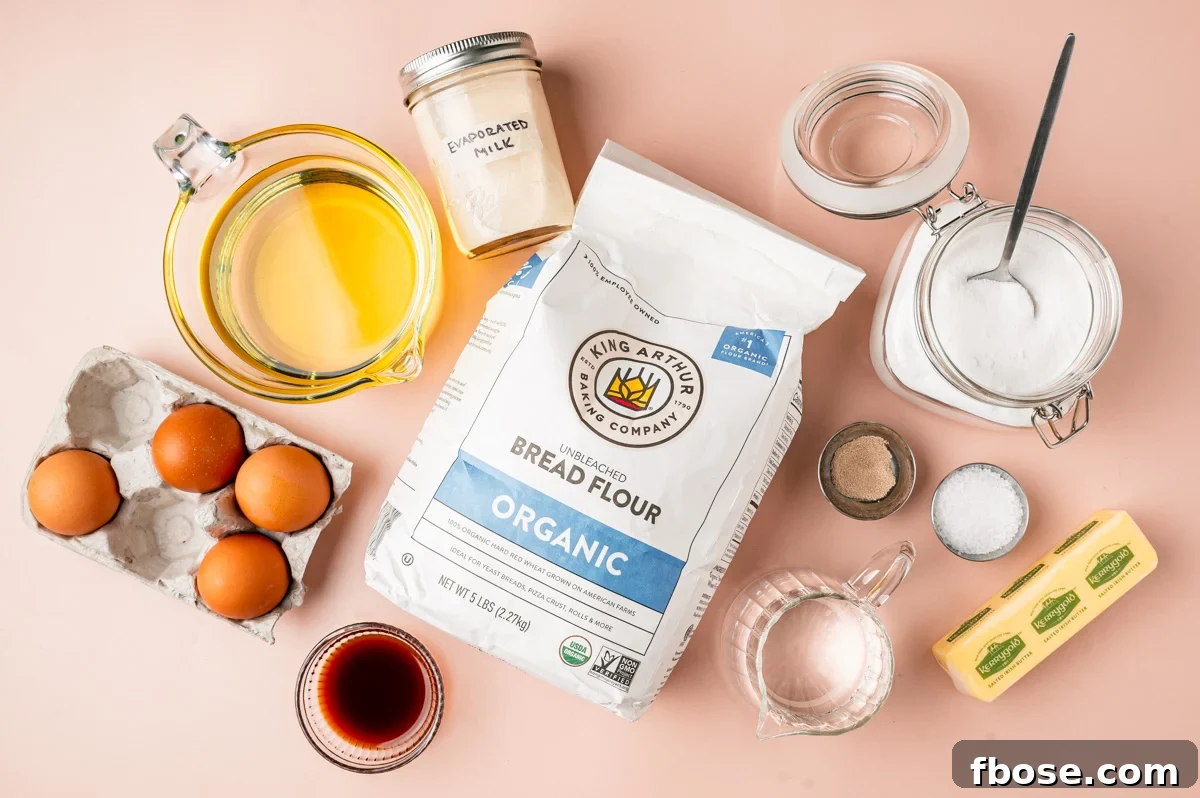
Simple Ingredients = Incredible Malasadas!
Great baked goods start with good ingredients. This recipe keeps the ingredient list short but focused on quality: bread flour for chew and structure, instant yeast for a reliable rise, evaporated milk for depth of flavor, butter and eggs for richness, and vanilla for aroma. A dusting of granulated sugar after frying gives the finished malasadas their classic sweet coating.
How to Make Malasadas Like a Pro
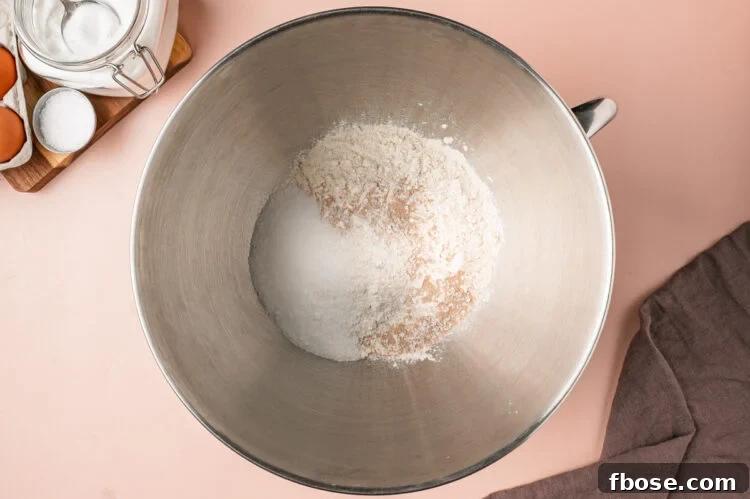
- Whisk the dry ingredients together in a large mixing bowl.
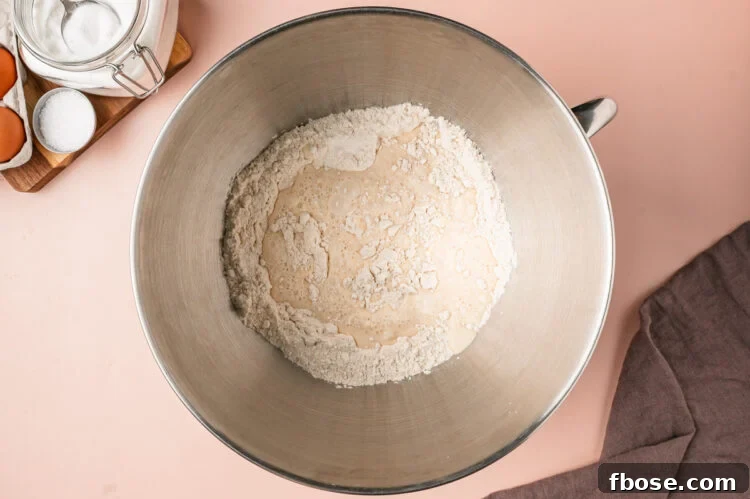
- Add the warmed evaporated milk, warm water, room-temperature eggs, and vanilla; mix until a shaggy dough forms.
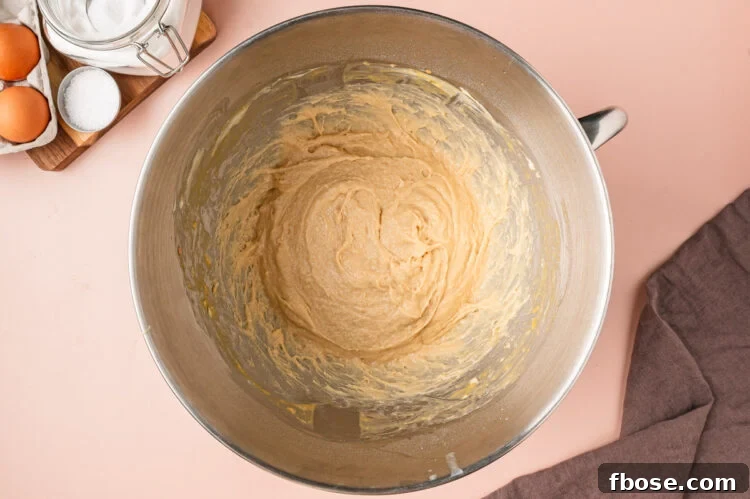
- Incorporate softened butter a little at a time and knead with a dough hook or by hand for 6 to 8 minutes until the dough is smooth and slightly tacky.
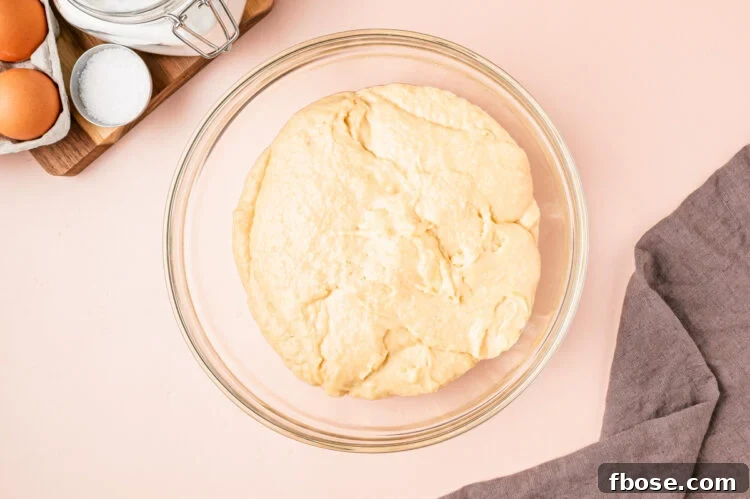
- Transfer the dough to a lightly greased bowl, cover, and let it rise in a warm place until doubled in size (about 60–90 minutes).
- Turn the dough out, divide into even portions, shape each into a smooth ball, and place on a parchment-lined baking sheet. Cover loosely and allow a second rise until puffy, about 30–40 minutes.
- Heat neutral oil in a heavy-bottomed pot to 325°F–335°F (163°C–168°C). Use enough oil for the dough balls to float freely while frying.
- Fry 3–4 dough balls at a time, turning occasionally, until deep golden brown and cooked through, about 2–3 minutes per side. Drain briefly on paper and then transfer to a bowl of granulated sugar while still warm to coat evenly.
- Enjoy the malasadas warm for the best texture and flavor.
How to Fill Hawaiian Malasadas (Optional)
To add a filling, let the malasadas cool completely. Puncture a small hole with a chopstick or paring knife and gently work a cavity inside without cutting through the sides. Pipe in your desired filling—pastry cream, coconut cream, ube custard, chocolate pudding, or fruit preserves—until the pastry feels full and slightly heavy.
-

Whisk together dry ingredients in a bowl. -
Add water, evaporated milk, eggs, and vanilla, and mix to combine. -
Add softened butter and knead for 6 to 8 minutes. -
Transfer the dough to a lightly greased bowl and shape into a ball before covering and proofing. -
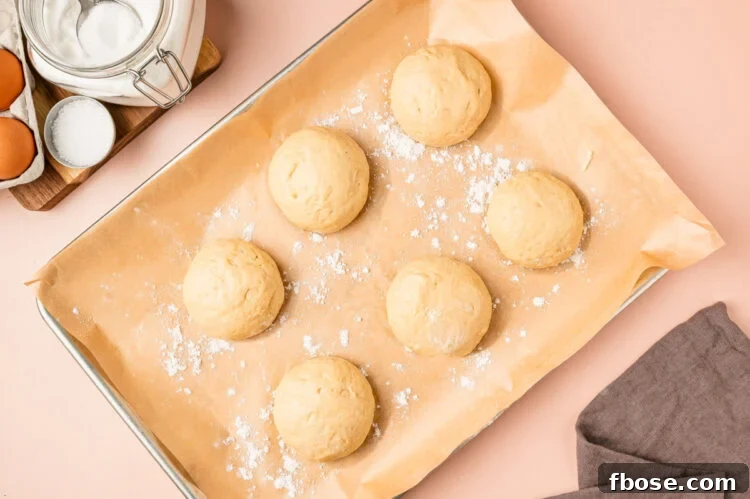
Once the dough doubles in size, turn it out onto a lightly floured workspace. -
Portion the dough into balls. -
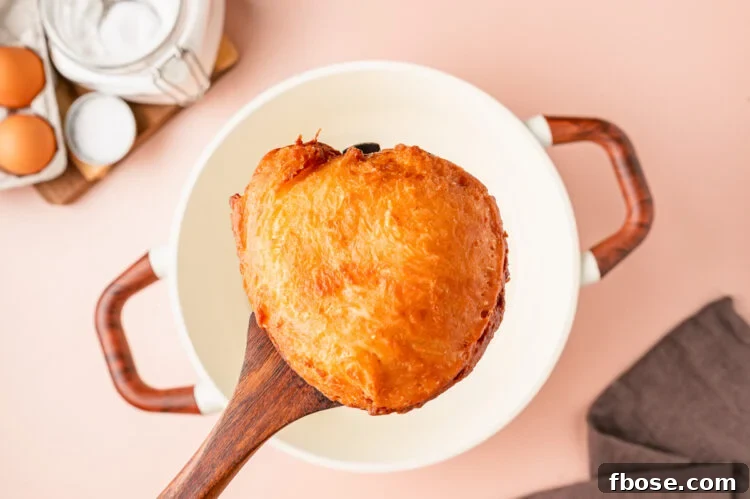
Fry the balls of dough in hot oil. -
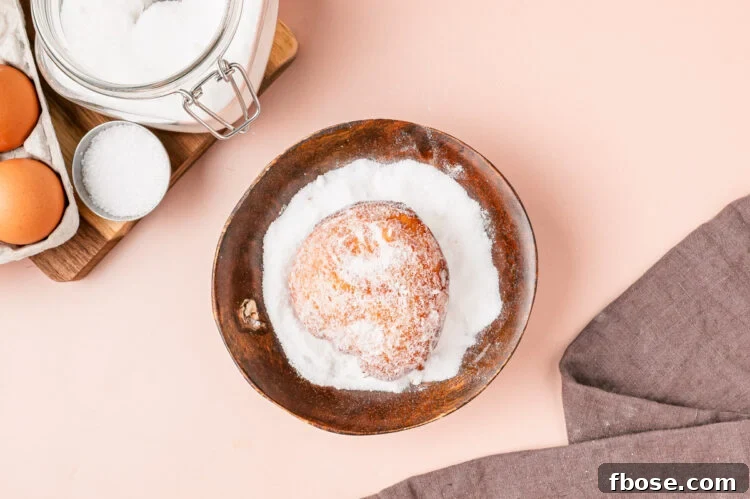
Coat warm malasadas in granulated sugar.

Recipe Tips for Best Results
- Keep the dough slightly tacky; that moisture helps produce a light interior.
- Warm the evaporated milk and water to about 100°F–110°F (38°C–43°C) so the yeast activates evenly.
- Fry in small batches to keep oil temperature stable and avoid greasy malasadas.
- Coat the malasadas in sugar immediately after frying so the sugar sticks while they are still warm.
- If you prefer, add a teaspoon of ground cinnamon to the coating for a cinnamon-sugar variation.
Troubleshooting Malasadas
- If the dough feels too sticky, resist the urge to add a lot more flour; a slightly tacky dough yields a lighter final texture.
- If the dough doesn’t rise within the expected time, move it to a warmer spot and allow more time—proofing speed varies with temperature.
- If the malasadas brown too quickly, reduce the oil temperature slightly to allow the interior to cook without overbrowning the outside.
- If centers are undercooked, the oil may be too hot or the dough balls too large—make smaller portions or lower the heat.
- If the pastries absorb excess oil, the oil temperature likely dropped too low when too many pieces were added at once—maintain heat between batches.
Helpful Tools
- Spider or slotted skimmer for turning and removing donuts from hot oil.
- Candy or deep-fry thermometer to monitor oil temperature accurately.
- Kitchen thermometer to check internal temperature of finished malasadas (190°F recommended).
- Dough scraper to portion and handle the dough cleanly.
More Donut Recipes
- Classic beignets with a light, pillowy texture.
- Sourdough glazed donuts for a tangy twist.
- Strawberry baked donuts for a lighter, oven-baked option.
- Easy Boston cream donuts filled with pastry cream and chocolate glaze.
Malasadas Recipe
Ingredients
- 3¼ cups bread flour (420 g), plus more for dusting
- 2¼ teaspoons instant yeast (7 g)
- ⅓ cup granulated sugar (67 g)
- 2 tablespoons powdered milk (optional)
- 1 teaspoon fine sea salt (6 g)
- ⅔ cup evaporated milk (160 mL), warmed to 100°F–110°F
- ¼ cup warm water (60 mL), 100°F–110°F
- 2 large eggs, room temperature
- 1 teaspoon vanilla extract or vanilla bean paste
- ¼ cup salted butter, softened (57 g)
- 40 ounces neutral oil for frying
- ¾ cup granulated sugar (150 g) for coating
Instructions
- Combine the bread flour, instant yeast, granulated sugar, powdered milk (if using), and salt in the bowl of a stand mixer or a large mixing bowl.
- Add the warmed evaporated milk, warm water, eggs, and vanilla. Mix on low speed until the wet ingredients are incorporated and a shaggy dough forms.
- Add the softened butter gradually, mixing after each addition until absorbed.
- Knead on medium speed for 6 to 8 minutes until the dough is smooth and slightly tacky but not wet.
- Transfer dough to a lightly greased bowl, cover, and let rise in a warm place until doubled in size, about 60 to 90 minutes.
- Turn the dough out onto a lightly floured surface. Divide into 14 equal portions (about 2.2 ounces each). Place on a parchment-lined baking sheet with space between each piece. Cover loosely and let rise until puffy, about 30 to 40 minutes.
- Heat neutral oil in a large, heavy-bottomed pot to 325°F–335°F (163°C–168°C).
- Fry the dough balls in batches, turning, until deep golden brown and fully cooked, about 2 to 3 minutes per side. The internal temperature should reach about 190°F (88°C).
- Drain briefly on paper, then roll warm malasadas in the granulated sugar until evenly coated. Serve warm.
How to Fill Hawaiian Malasadas (Optional)
- Cool malasadas completely. Puncture a small hole and gently hollow out a cavity.
- Fill a pastry bag with your desired filling and pipe into each malasada until slightly heavy and filled.
Notes
- Active dry yeast may be used instead of instant yeast; bloom it in the warm water first.
- Milk powder is optional but adds richness; omit if preferred with no other changes required.
- Whole milk can substitute for evaporated milk, though the dough will be slightly less rich.
- For a cinnamon-sugar coating, add a teaspoon of ground cinnamon to the granulated sugar.
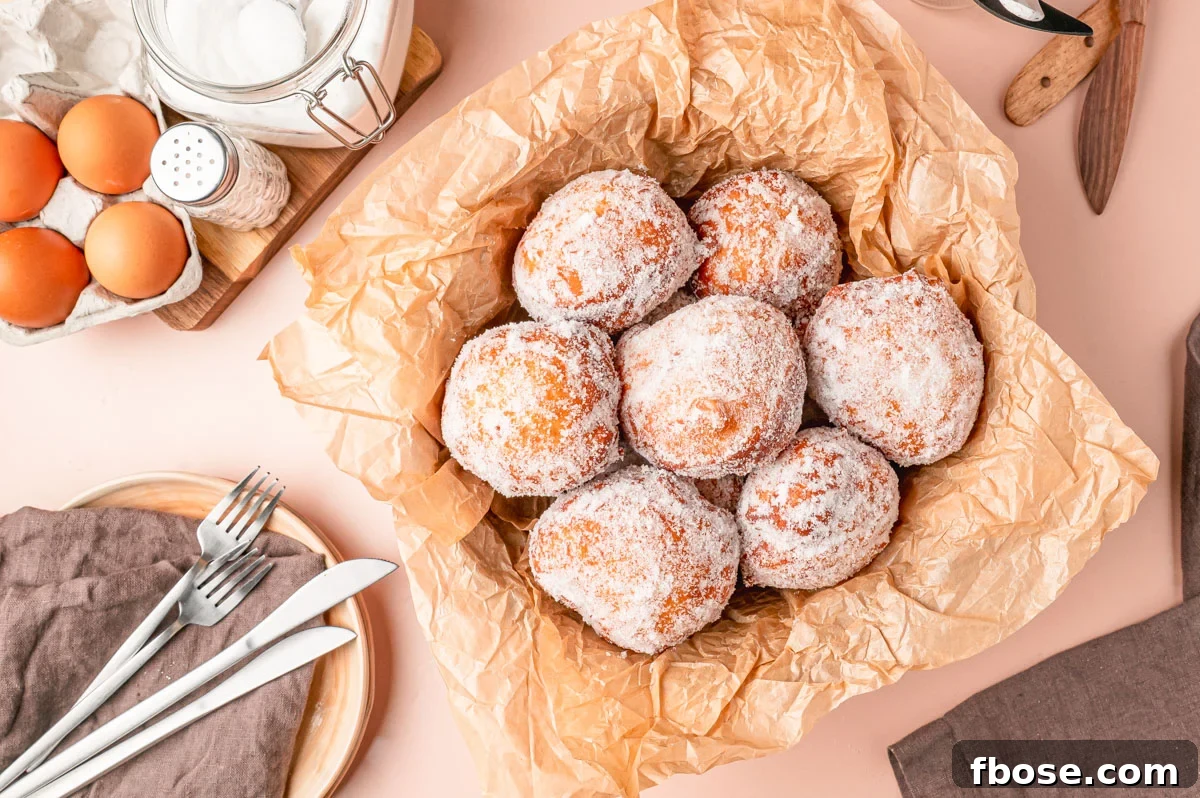
- These malasadas finish about 4–5 inches across; make 16–18 smaller pieces if you prefer, and shorten frying time accordingly.
- Best eaten the same day; store in an airtight container at room temperature for up to one day. Reheating briefly restores texture.
- Nutritional information is an estimate and does not include oil absorbed during frying.
Nutrition
Carbohydrates: 39 g |
Protein: 6 g |
Fat: 6 g |
Saturated Fat: 3 g |
Sugar: 17 g
Did You Make This Recipe?
If you tried the recipe, please leave a review or share a photo on your preferred social platform. Tag the recipe author or the account you follow to show your results and help others discover this classic treat.