
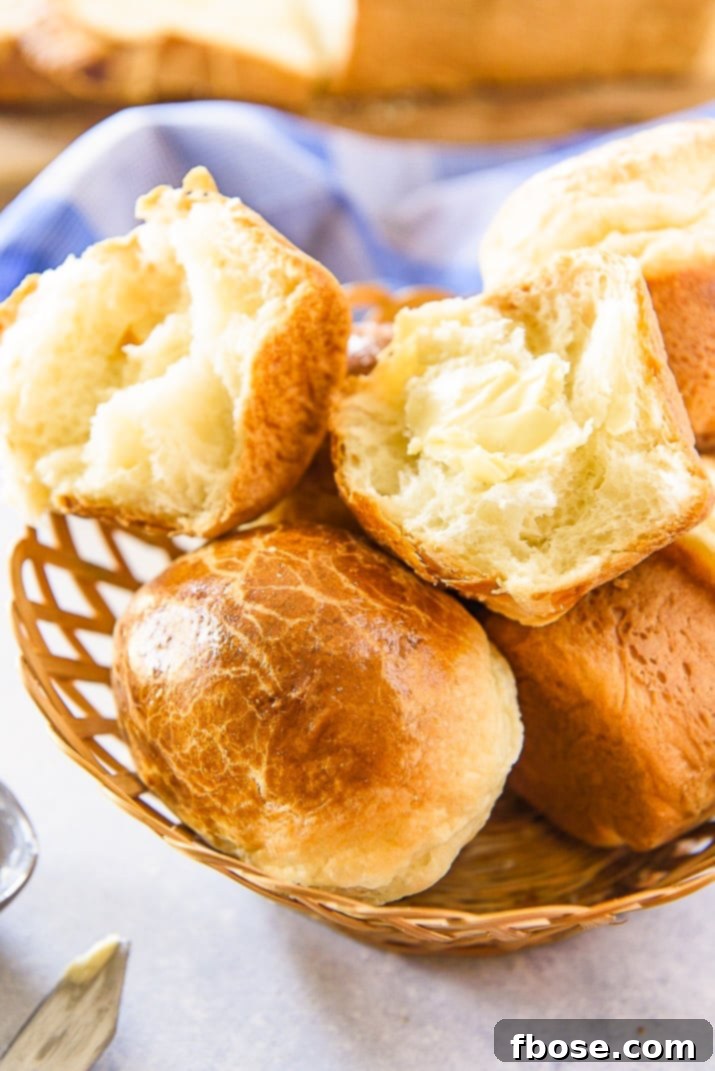
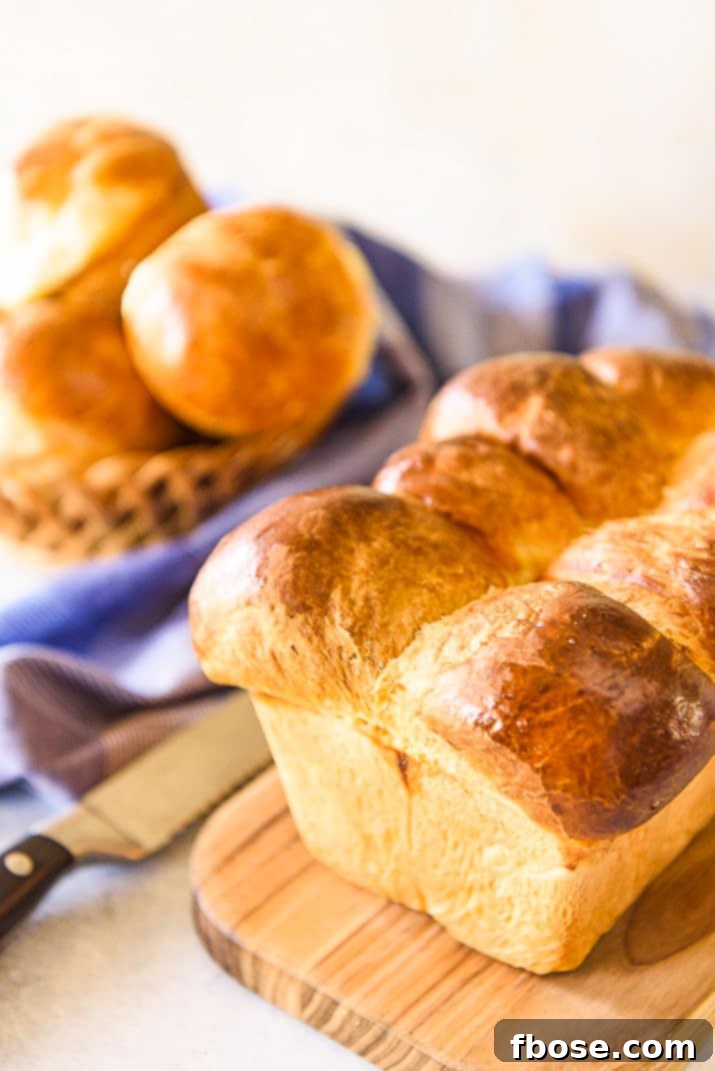
Elevate your baking with this extraordinary Homemade Brioche. Once you experience its unparalleled richness and buttery flavor, you’ll forever bid farewell to store-bought bread. This versatile recipe can be shaped into elegant loaves or delightful rolls, and it transforms into the most incredible French toast you’ve ever tasted.
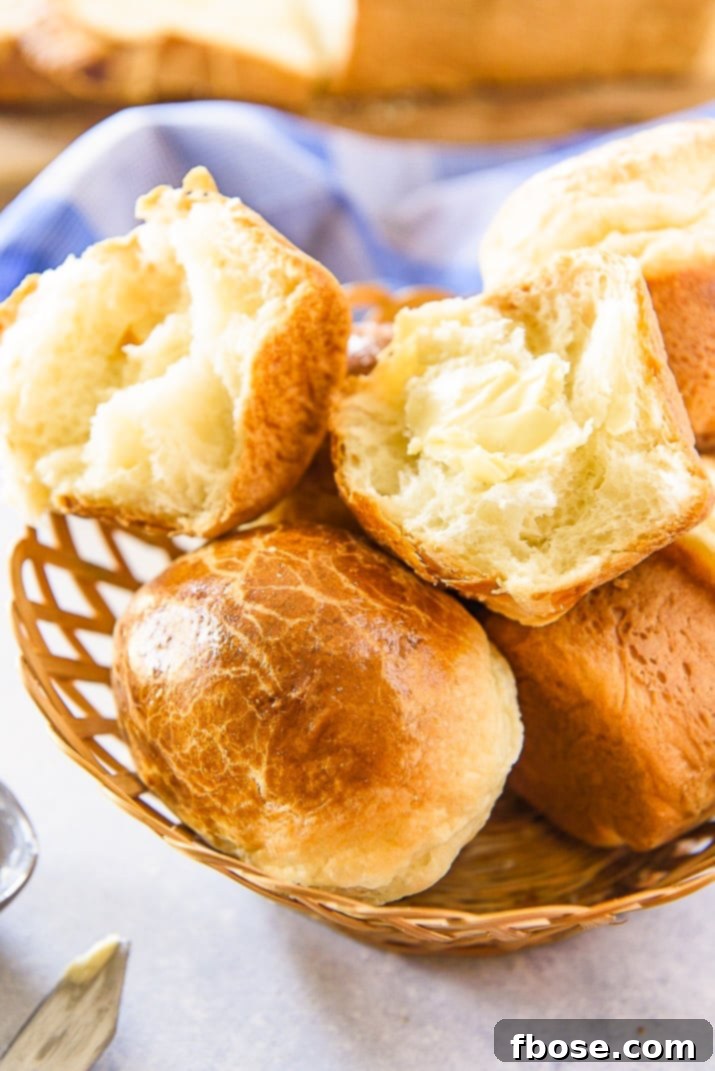
The Irresistible Allure of Homemade Brioche
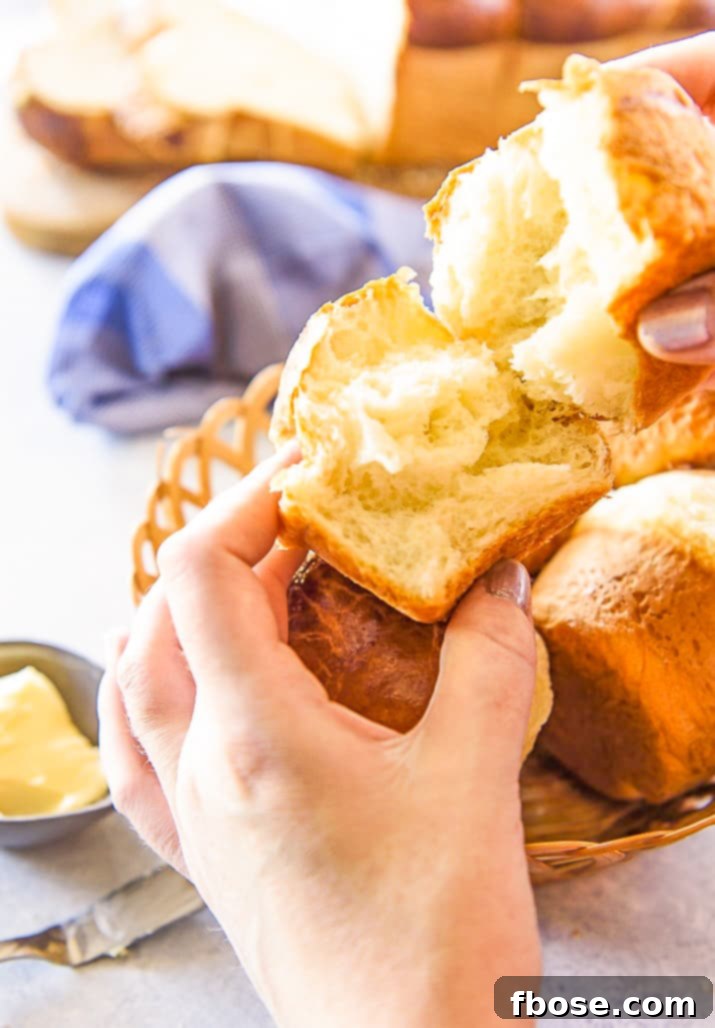
Prepare to redefine your understanding of homemade bread. Crafting your own brioche at home is a remarkably straightforward process, far simpler than many imagine. Beyond the ease, there’s an immense sense of satisfaction that comes with pulling a golden, fragrant brioche loaf from your oven. Imagine tearing into a warm, fresh-from-the-oven brioche roll, its tender crumb ready to be slathered with butter – all knowing that you, with your own hands, created this culinary masterpiece.
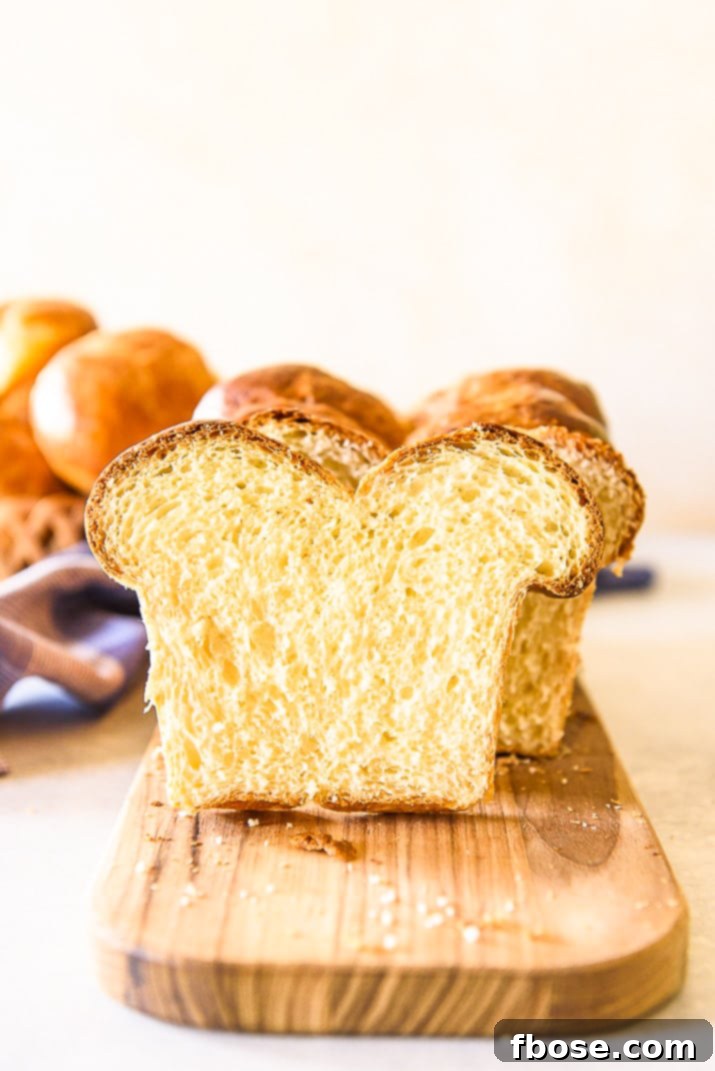
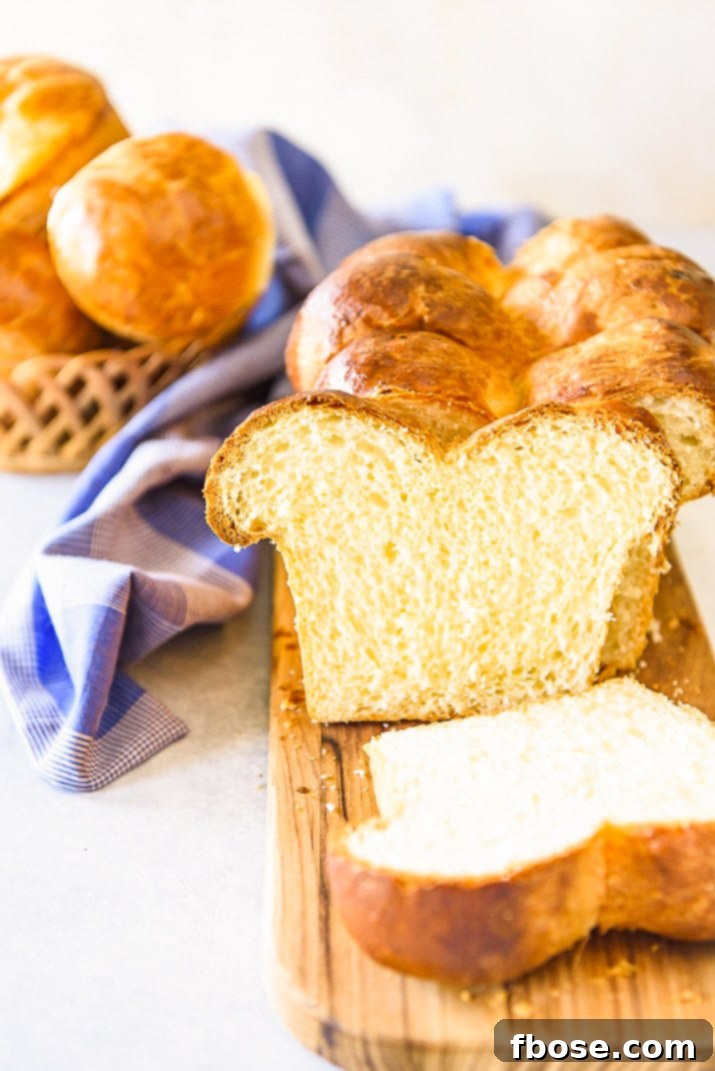
While brioche might be considered a time-intensive baked good, its preparation doesn’t involve complex techniques. Instead, it asks for a touch of patience and adherence to a few simple steps. The reward for this small investment of time is truly exceptional: a paper-thin, delicately crisp crust, encasing a dense yet wonderfully fluffy crumb, bursting with an ethereal buttery flavor that is utterly out of this world. A final brush of melted butter just after baking elevates it further, adding an extra layer of indulgence that makes every bite memorable.
Unveiling the Secrets of a Perfect Brioche Recipe
My journey to perfecting this brioche recipe was inspired by countless hours of watching expert bakers, particularly the renowned Paul Hollywood. Having spent many years working in a bakery, I deeply appreciate that baking is a precise science, a delicate balance of ingredients and techniques that are often more challenging to adapt than a simple stovetop dish. While I hold a strong foundation in baking, I generally prefer to respect the perfection of established recipes, rather than tinkering with their intricate chemistry.
However, even the best recipes can be subtly tailored to personal preference. My primary adjustment to Paul Hollywood’s original brioche recipe centered around the quantity of butter. His recipe called for a generous 250 grams, which translates to a full cup in American measurements – a truly substantial amount of butter! Through my research into this incredibly rich and delicious bread, I discovered that the butter content profoundly impacts the brioche’s final texture. Paul’s version, while undoubtedly delicious, tends to produce a denser crumb.
Seeking a lighter, fluffier, and more tender brioche, I opted to reduce the butter to just 1/2 cup. This modification yielded a magnificent result: a brioche that retained all the buttery richness and flavor, yet possessed an exquisitely soft and airy texture that simply melts in your mouth. This simple tweak transformed a dense bread into a truly ethereal experience, demonstrating how understanding the role of each ingredient allows for subtle yet impactful customization.
Patience is a Virtue: The Essential Overnight Chill
Embarking on your brioche baking adventure requires a bit of foresight, as the dough demands an overnight chill. When you first retrieve the dough from the mixing bowl, don’t be alarmed by its exceptionally wet and sticky consistency. This is perfectly normal and expected, largely due to the high quantities of milk, butter, and eggs incorporated into the recipe. These rich ingredients are what give brioche its distinctive flavor and texture, but they also necessitate a prolonged chilling period.
The extended chill time, typically 7 to 8 hours or even overnight, is crucial for several reasons. Firstly, it allows the beaten butter within the dough to re-solidify, making the dough much easier to handle during shaping. Secondly, and perhaps more importantly, the cold fermentation process significantly develops the complex flavors of the brioche, resulting in a more nuanced and aromatic final product. This patient waiting period is truly worth it – the initial stickiness will fade, replaced by a manageable dough that promises an incredibly rewarding baking experience and a final product that will delight your senses.
The Culinary Versatility of Brioche: Beyond Just Bread
While brioche excels as a stand-alone bread, perfect for toast, sandwiches, or simply enjoyed with butter, its true magic shines in its incredible versatility, particularly when transformed into French toast. Forget everything you thought you knew about French toast; brioche takes it to a whole new level. We’re talking about a breakfast experience worthy of a home-spun Michelin-star restaurant. Imagine soaking an already buttery and eggy brioche in even more eggs, cream, and a hint of vanilla, then frying it to golden perfection. The result is a deliciously indulgent treat – crisp on the outside, custardy and rich on the inside. This is the kind of dish you plan ahead for special occasions, making it the star of your Easter or Mother’s Day brunch!
This recipe yields two generous 8×4-inch loaves or a substantial batch of rolls, making it perfect for feeding a crowd or ensuring you have delightful leftovers. Should you find yourself with extra brioche, its rich flavor and tender texture lend themselves beautifully to a myriad of other culinary creations:
- **Decadent Bread Pudding:** Transform stale brioche into a sweet or savory bread pudding, soaking up custards and baking to a golden, comforting dessert.
- **Gourmet Panzanella Salad:** Use cubed brioche for a sophisticated panzanella, adding a rich, umami depth to this classic Tuscan bread salad.
- **Flavorful Holiday Stuffing:** Elevate your holiday turkey stuffing by incorporating brioche cubes, providing a luxurious base for herbs and spices.
- **Crispy Homemade Croutons:** Cube and toast brioche for the ultimate homemade croutons, adding an unparalleled crunch and buttery flavor to soups and salads.
- **The Ultimate Grilled Cheese:** Layer your favorite cheeses between two slices of brioche for a grilled cheese sandwich that’s impossibly rich and golden brown.
- **Elegant Breakfast Strata or Eggs-in-the-Hole:** Use brioche as the foundation for a breakfast strata, or cut holes for eggs-in-the-hole, making a hearty and indulgent morning meal.
What Makes Brioche a Culinary Standout? Understanding Viennoiserie
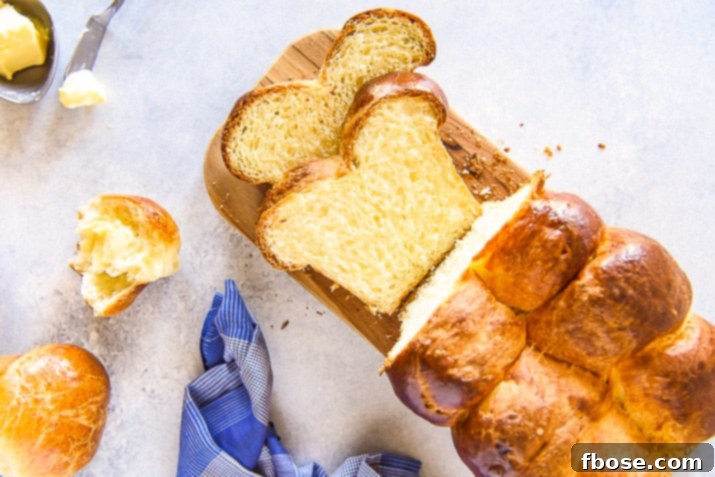
Often simply referred to as a bread, brioche actually belongs to a special category known as Viennoiserie. This French term describes baked goods that bridge the gap between traditional bread and pastry. What sets brioche apart from ordinary bread and places it in this unique category are its enriched ingredients. Unlike typical bread, which primarily relies on flour, water, yeast, and salt, brioche incorporates generous amounts of eggs, butter, milk, cream, and sugar. These additions fundamentally change its character, imparting a distinctively richer, sweeter, and more tender profile.
The high fat content from butter and cream, combined with the protein from eggs, results in a dough that is incredibly soft, pliable, and creates a dense yet airy crumb. The sugar contributes to its subtle sweetness and helps achieve that beautiful golden-brown crust. This unique composition allows brioche to be incredibly versatile, serving equally well in both sweet and savory applications. It can be the perfect canvas for jam and fruit, or an exquisite accompaniment to savory dishes like pâté or even as a gourmet burger bun. Its characteristic tenderness and buttery flavor make it a beloved choice for elevating any meal or snack.
More Delicious Bread Recipes:
- Classic Yeast Rolls
- Sweet Hot Cross Buns
- Easy Blueberry Ice Cream Bread
- Traditional Bannock Bread
Helpful Kitchen Tools for Brioche Baking:
- Stand Mixer (Kitchen Aid recommended)
- 8.5×4.5 Inch Loaf Pan
- Standard Muffin Tin
- Traditional Brioche Mold
- Durable Rubber Spatula

Homemade Brioche
Once you’ve had this Homemade Brioche, you’ll never want another store-bought slice of bread! Buttery and rich, this recipe can be formed into a loaf or rolls and makes killer French toast.
Ingredients
- 4 cups all-purpose flour
- 1 1/2 teaspoons kosher salt
- 1/4 cup granulated sugar
- 1 tablespoon active dry yeast
- 1/2 cup whole milk, warmed
- 5 medium eggs
- 1/2 cup unsalted butter, softened, plus more for brushing
Instructions
- Place the flour into the bowl of a stand mixer fitted with a dough hook. Add the salt, sugar, yeast, milk, and eggs and mix on low speed for 2 minutes. Increase to medium speed and mix for 6-8 minutes until the dough is glossy and elastic.
- Add the softened butter and mix for about 4 minutes, scraping down the bowl a few times to fully incorporate the butter. The dough will be very soft.
- Transfer the dough to a large plastic bowl and cover with plastic wrap. Chill for 7-8 hours or overnight, until firm.
- Butter 2 8.5×4.5 loaf pans (or a 12-count standard muffin tin). Set aside. Lightly flour a large work surface.
- Remove the dough from the fridge. Place it on the work surface and gently knead it a few times to remove the air. Divide it in half with a bench knife or serrated knife, then divide one half into 8 equal pieces (or 6 equal pieces for rolls). Shape each piece into a smooth ball by placing it into a cage formed by the palm your hand and the table and moving your hand around in a circular motion, using a bit of flour if needed. Place the balls of dough 2×4 in each loaf pan (or one ball in each muffin tin cavity.)
- Cover with plastic wrap or a tea towel and proof in a warm place for about 2 hours, or until the dough has risen to just above the rim of the pans.
- Preheat your oven to 375 degrees F. Bake the bread in the heated oven for 25-35 minutes, or until a wooden skewer inserted into the center comes out clean (don’t skip this test – the sugar and butter in the dough will brown the bread quickly regardless of whether or not it is fully baked.) You can cover the bread with foil after 15 minutes to keep it from browning too much if you prefer a lighter loaf.
- Remove the bread from the oven and brush with melted butter if desired. Cool for 10 minutes in the pans, then carefully remove the brioche to a wire rack to cool. Serve warm or at room temperature.
Notes
Adapted from Paul Hollywood.
Nutrition
Calories: 269kcal | Carbohydrates: 36g | Protein: 7g | Fat: 10g | Saturated Fat: 5g | Cholesterol: 89mg | Sodium: 323mg | Potassium: 86mg | Fiber: 1g | Sugar: 4g | Vitamin A: 350IU | Calcium: 30mg | Iron: 2.3mg
Did You Make This Recipe?
Don’t forget to share it with me on Instagram @sugarandsoulco and follow on Tiktok @sugarandsoulco and Pinterest @sugarandsoulco for more!
Pin Recipe
Share Recipe