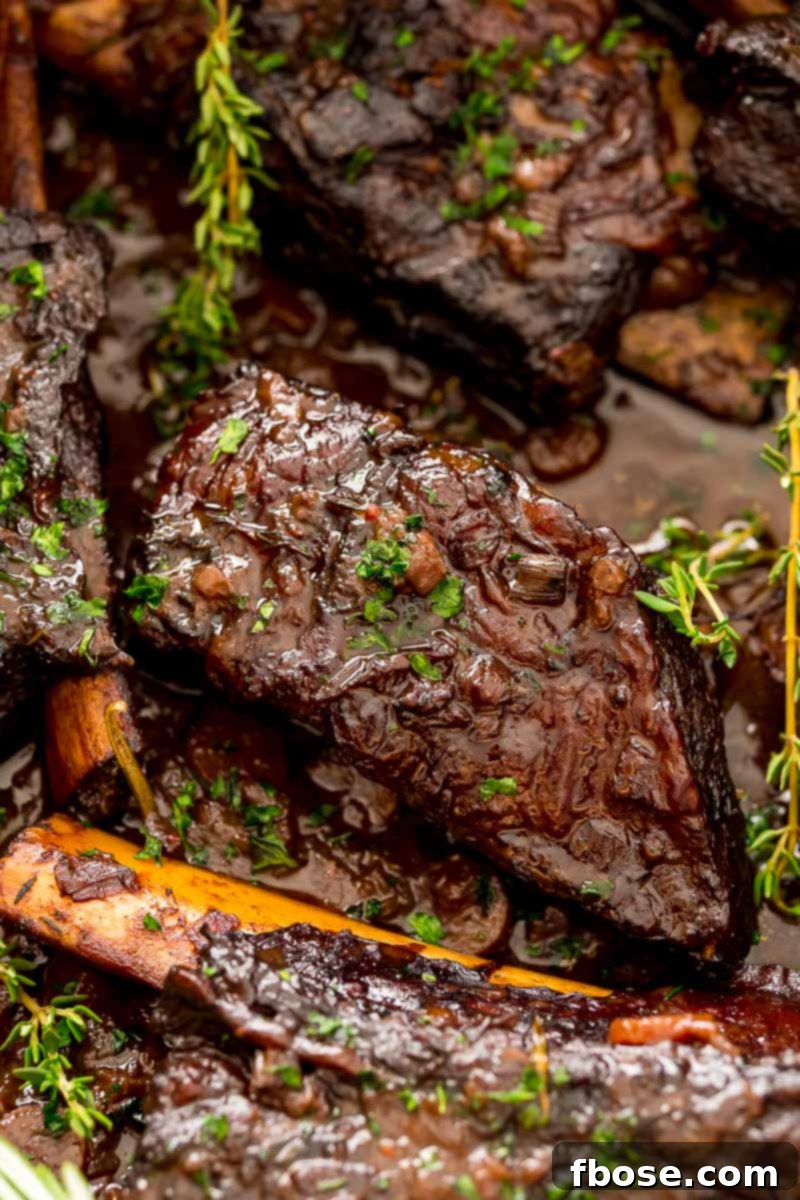
Experience culinary bliss with these incredibly Braised Beef Short Ribs! So tender they simply fall off the bone, bursting with rich, savory flavor, this dish redefines comfort food. Crafted in a classic Dutch oven, it’s a gourmet experience made surprisingly simple, promising a meal that will impress everyone at your table.
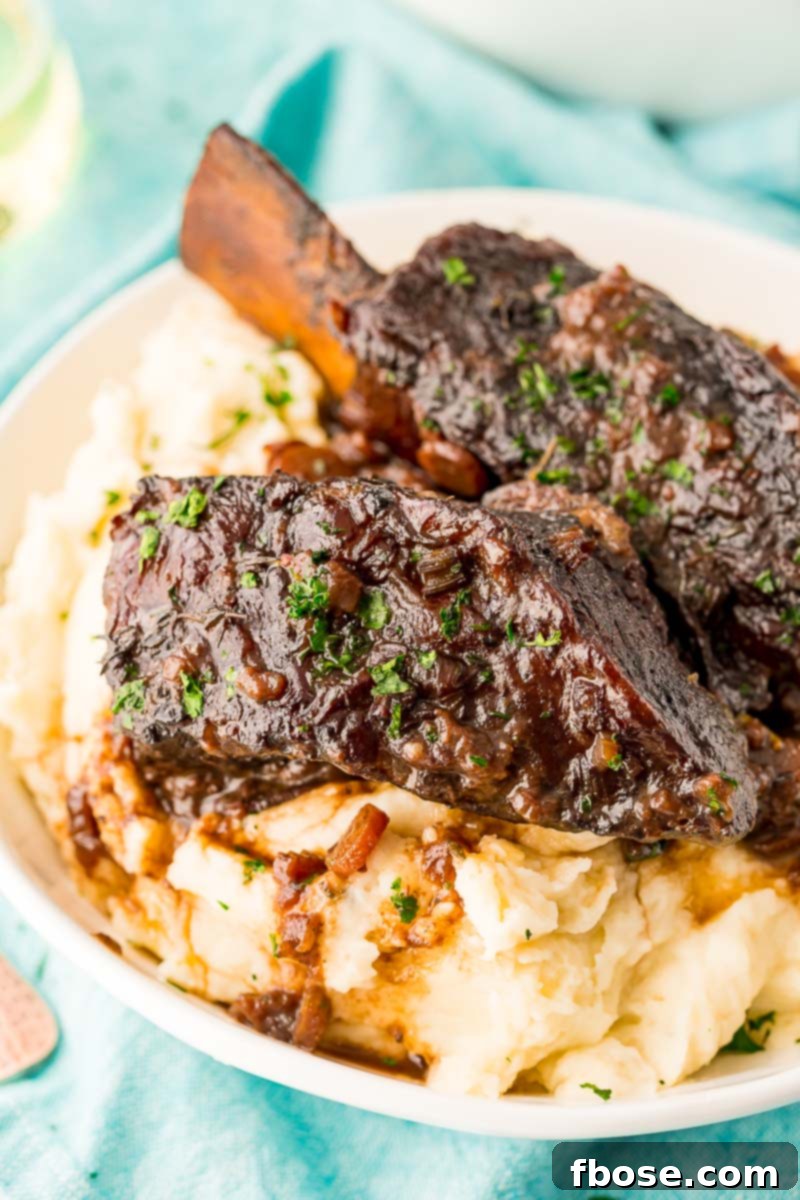
Transform your dinner routine into an epic feast by serving these succulent braised short ribs over creamy mashed potatoes, accompanied by warm, fluffy dinner rolls. This combination is a timeless favorite the whole family will adore!
This exquisite recipe was originally published on Spend With Pennies, where I am a proud contributor.
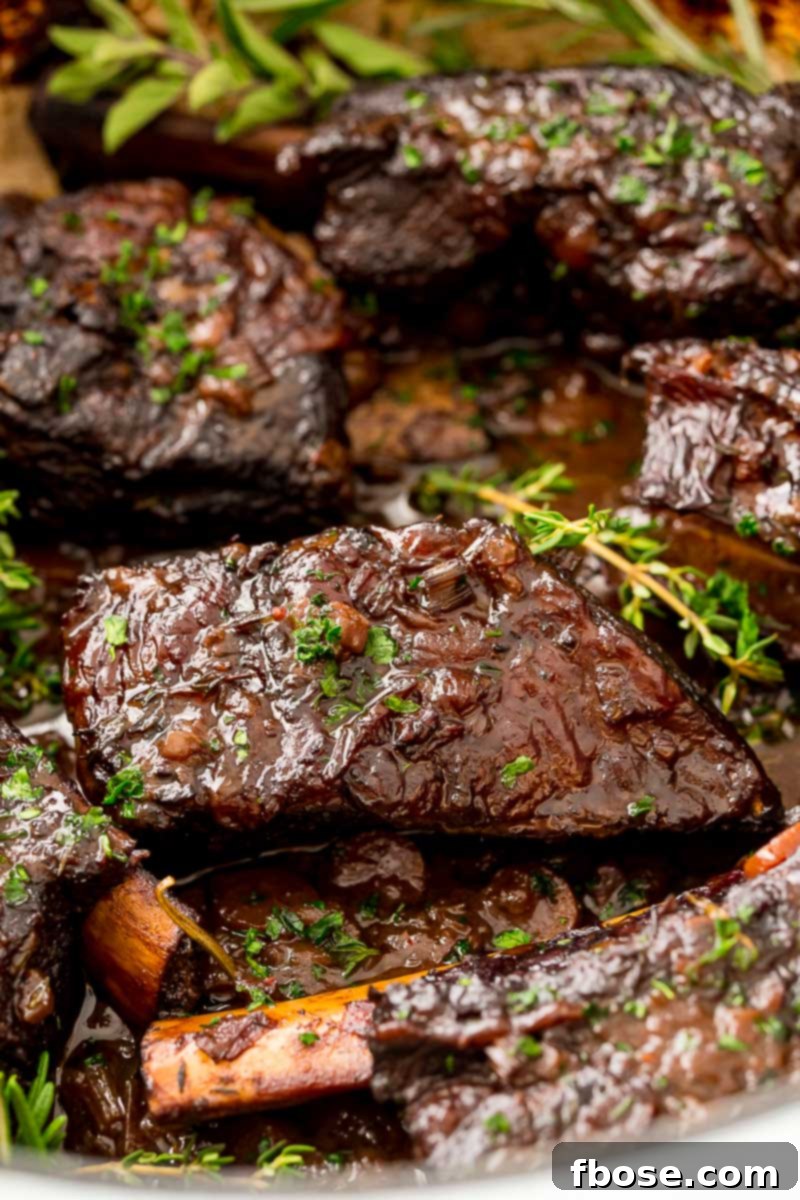
Discovering the Magic of Braised Short Ribs
My culinary journey took an unforgettable turn the first time I tasted braised short ribs. It was during a memorable trip to Napa Valley, and the dish, served at a luxurious 5-star restaurant, captivated me instantly. I assumed such a sophisticated meal would be incredibly challenging to recreate at home – a misconception I was thrilled to prove wrong!
While the ingredient list for this dish might appear extensive at first glance, please don’t let it deter you. The process itself is surprisingly straightforward, focusing on simple steps that yield profoundly rich results. The magic of braising transforms what can be a tough cut of beef into meltingly tender, juicy morsels, all bathed in an exquisite red wine reduction. The end product is nothing short of spectacular, promising a mouth-watering experience that will leave you yearning for every last bite of this deeply satisfying comfort food.
Understanding Short Ribs: The Perfect Cut for Braising
Short ribs are a distinctive and highly prized cut of beef, sourced from the chuck and plate sections of the cow. Specifically, they are typically the five ribs found in the chuck/shoulder area. This region of the animal experiences significant muscle use, resulting in meat that is inherently tougher and richer in connective tissue compared to cuts ideal for quick grilling or pan-searing. For this reason, short ribs are not typically destined for steaks.
However, this very characteristic—the abundance of collagen and robust flavor—makes short ribs exceptionally well-suited for slow-cooking methods like braising. Braising involves searing the meat at high heat to develop a rich crust, then slowly simmering it in liquid over an extended period. This gentle, moist heat breaks down the tough connective tissues, converting the collagen into gelatin. The result is an astonishingly tender, succulent piece of beef that boasts immense flavor and a luxurious, melt-in-your-mouth texture, akin to the finest roast.
Essential Ingredients for Your Braised Short Ribs
Crafting truly exceptional braised beef short ribs begins with selecting quality ingredients. While the list might seem comprehensive, each component plays a vital role in building the layers of complex flavor that define this dish. Opt for fresh produce and a good quality red wine to ensure the most delicious outcome.
- short ribs
- kosher salt
- ground black pepper
- vegetable oil
- celery stalks
- Vidalia onion
- shallots
- carrots
- all-purpose flour
- tomato paste
- garlic paste
- ground mustard powder
- crushed red pepper flakes
- Cabernet Sauvignon or red wine of your choice
- beef stock
- fresh thyme
- fresh oregano
- fresh rosemary
- bay leaves
Choosing the Right Short Rib Cut for Braising
When preparing braised short ribs, you’ll encounter a few different styles of cuts at your butcher or grocery store. Understanding these distinctions will help you select the best option for achieving that perfect fall-off-the-bone tenderness and rich flavor:
- English-Style Short Ribs: This is arguably the most popular and traditional cut for braising. English-style ribs are cut parallel to the bone, meaning the ribs are separated into individual bones, each typically ranging between 3 and 6 inches in length, with a generous cap of meat on top. This cut is ideal for slow cooking as it allows the connective tissue surrounding the bone to slowly break down, infusing the meat with incredible flavor and yielding that coveted tender texture.
- Flanken-Style Ribs: In contrast, Flanken-style ribs are cut across the bones. This results in thinner strips of meat that typically contain three small cross-sections of bone in each piece. While still flavorful, Flanken-style ribs are more commonly used for Korean BBQ or grilling, where their thinner profile allows for quicker cooking. For braising, they can work, but the English-style offers a more substantial, classic braised rib experience.
While both cuts are undoubtedly delicious when prepared correctly, for this particular recipe and to achieve the ultimate “fall-off-the-bone” tenderness and rich body in your sauce, we highly recommend using English-style short ribs.
How to Master Braised Short Ribs: A Step-by-Step Guide
Don’t be intimidated by the impressive results of braised short ribs; the cooking process is surprisingly straightforward and incredibly rewarding. The key lies in layering flavors and allowing time to work its magic. Here’s how to create this deeply satisfying dish:
- Sear for Flavor: The first crucial step is searing the short ribs. Heat vegetable oil in your Dutch oven over medium-high heat. Working in batches, brown the ribs on all sides until a deep, golden-brown crust forms. This important step, known as the Maillard reaction, locks in incredible flavor and creates delicious “fond” (brown bits) on the bottom of the pan, which will enrich your sauce. Transfer the seared ribs to a clean plate to rest while you prepare the aromatic base for the dish.
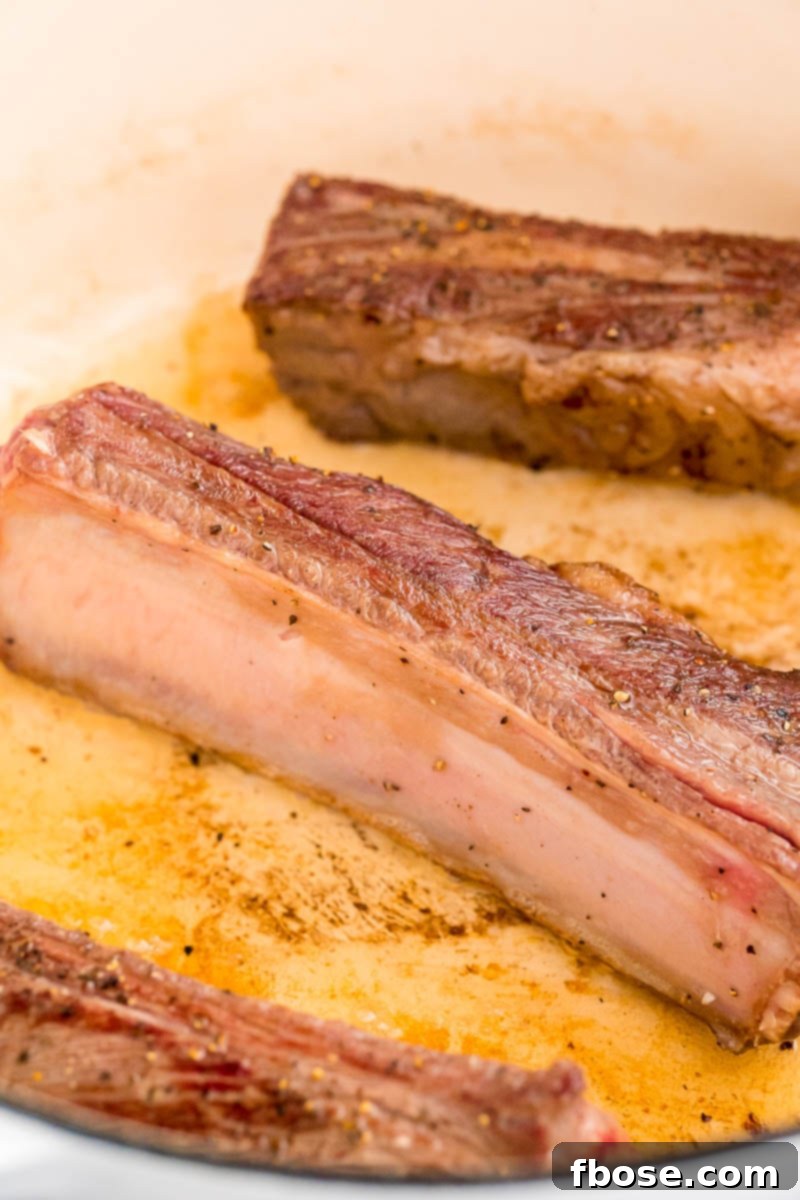
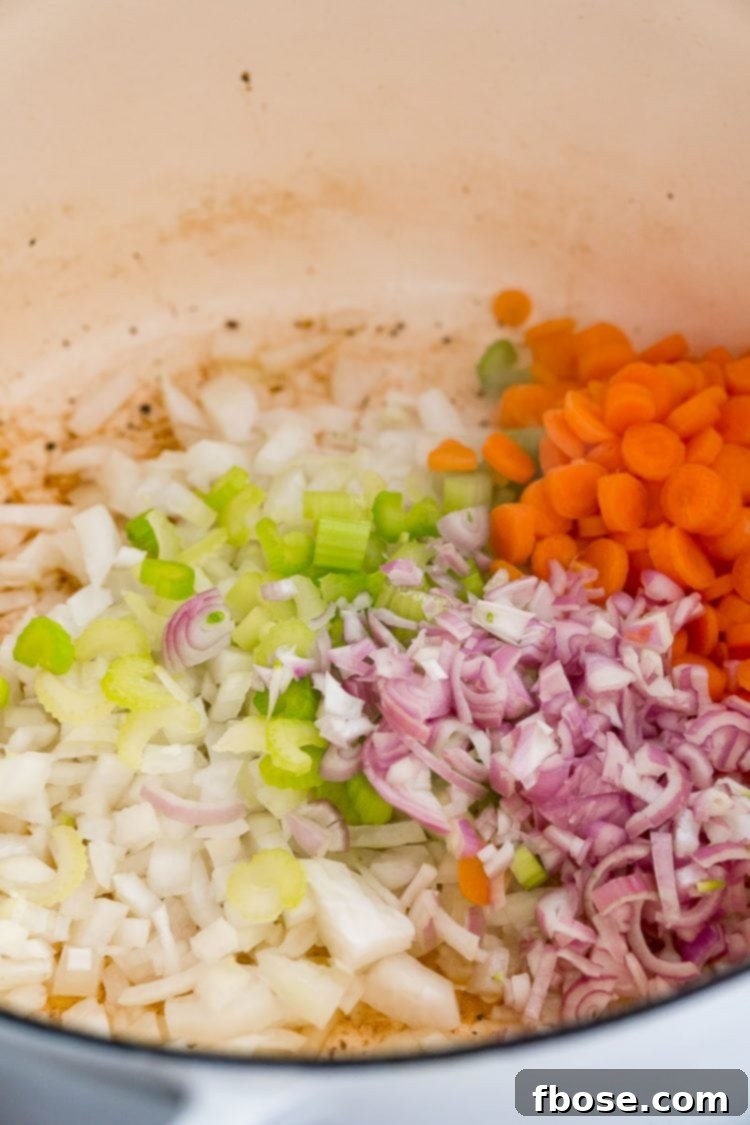
2. Build the Aromatic Base: After searing the ribs, you’ll use the same Dutch oven to sauté your vegetables. Remove some of the excess fat, leaving just enough to cook the aromatics. Add diced celery, onions, shallots, and carrots to the pot. Sauté these until they are soft and translucent, typically about 5 minutes. This creates a sweet and savory foundation for your braising liquid. Next, stir in the flour, tomato paste, garlic, mustard powder, and crushed red pepper flakes. Cook for about a minute, stirring frequently, to toast the flour and deepen the flavor of the pastes and spices.
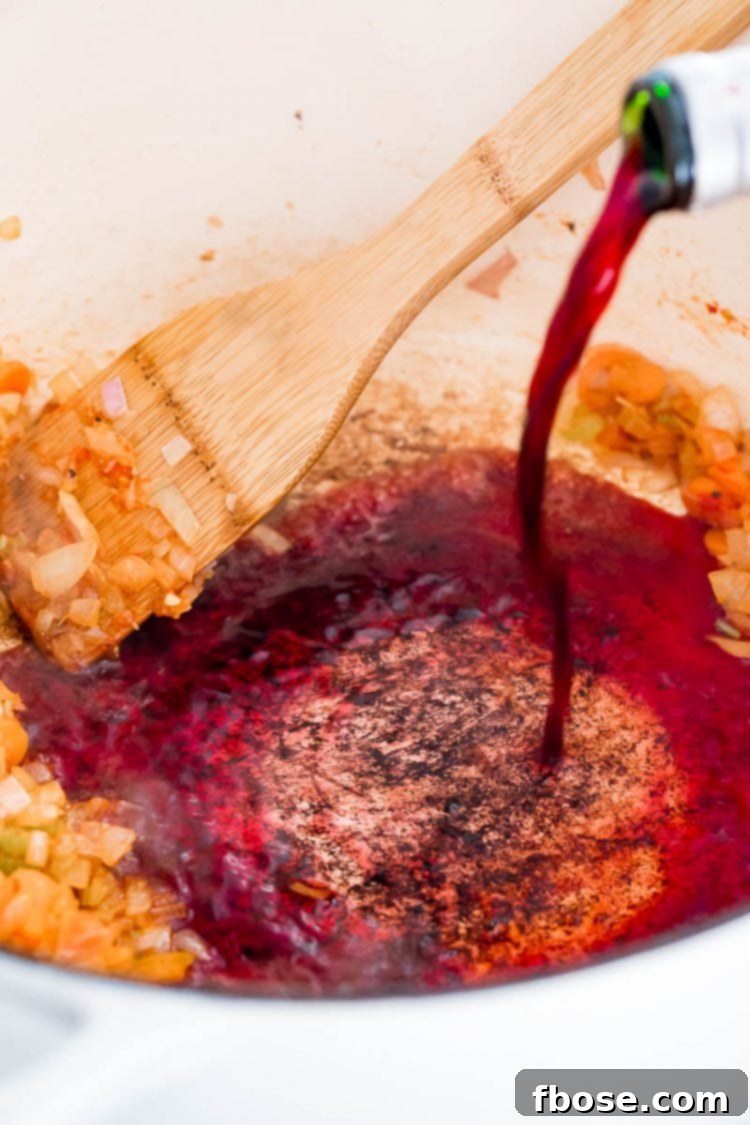
3. Deglaze and Simmer: The next step is where the rich sauce truly begins to develop. Pour in the red wine, such as a Cabernet Sauvignon, into the Dutch oven. Use a wooden spoon to vigorously scrape the bottom of the pan, releasing all the flavorful brown bits (fond) that accumulated during the searing and sautéing stages. These bits are packed with umami and will significantly enhance the depth of your sauce. Return the seared short ribs to the pot, nestling them among the vegetables and liquid. Allow the mixture to simmer until the wine has reduced by approximately half, which usually takes about 20 minutes. This process concentrates the wine’s flavor and burns off some of the alcohol.
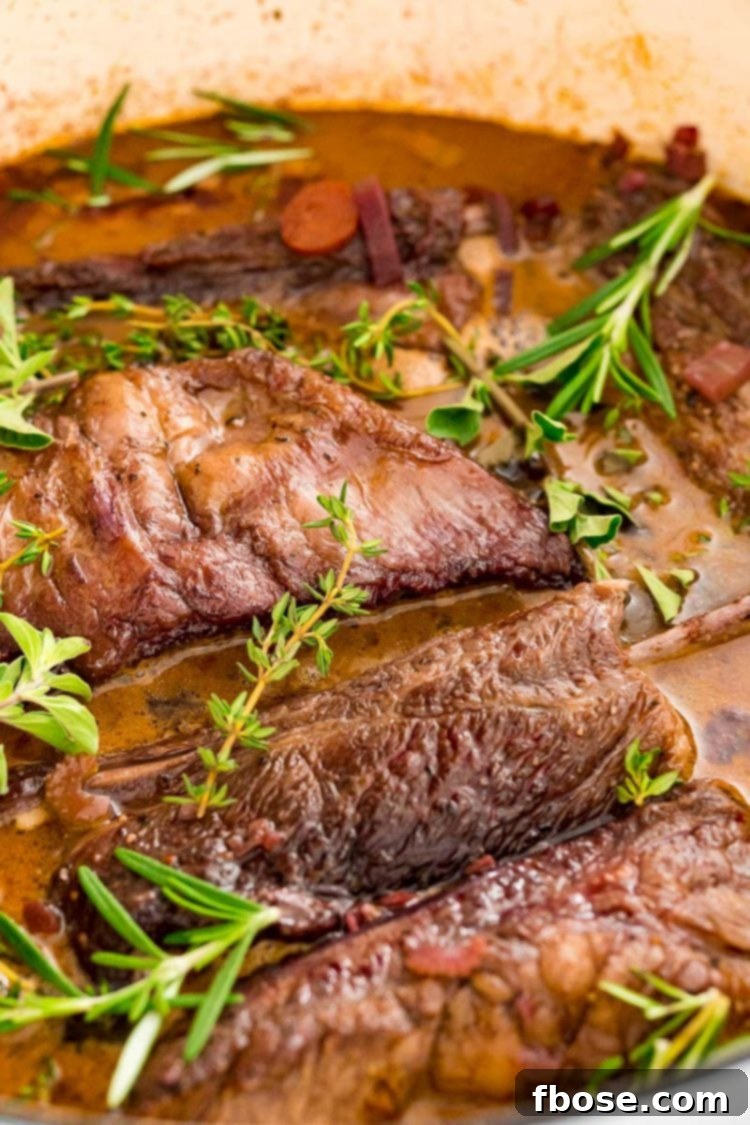
4. Slow Bake to Perfection: After the wine has reduced, pour in the rich beef stock and add the fresh herbs – thyme, oregano, rosemary, and bay leaves. These herbs will slowly infuse the braising liquid with their aromatic essence, creating a beautifully complex sauce. Cover the Dutch oven tightly with its lid and transfer it to a preheated oven. The low, slow heat of the oven is crucial for breaking down the tough fibers in the short ribs, transforming them into that signature fork-tender texture.
Achieving Tender Perfection: Ideal Cooking Time for Short Ribs
The secret to truly fall-off-the-bone braised short ribs lies in patient, slow cooking. Once covered and placed in the oven, allow them to bake for approximately 2 1/2 to 3 hours. The exact time may vary slightly depending on your oven and the size of your ribs, but the goal is for the meat to be effortlessly removed from the bone with just a fork. For optimal moisture and flavor distribution, remember to remove the Dutch oven from the oven every half hour or so and generously spoon the rich braising liquid over the ribs. This basting technique helps keep the meat succulent and ensures it absorbs all the wonderful flavors from the sauce, resulting in an incredibly tender and flavorful final product.
Expert Tips for Your Braised Beef Short Ribs
To ensure your braised beef short ribs are nothing short of culinary perfection, keep these valuable tips in mind:
- Don’t Skip the Sear: Searing the short ribs on all sides is a non-negotiable step. This high-heat browning process creates a caramelized crust through the Maillard reaction, which is absolutely essential for developing the deepest, most complex flavors. Furthermore, the savory “fond” (brown bits) that stick to the bottom of the Dutch oven during searing will infuse your braising liquid with an extra layer of richness once deglazed.
- Better the Next Day: This dish truly improves with time! The flavors in braised short ribs have a magical way of melding and deepening overnight. If you’re planning a special occasion meal, I highly recommend preparing them a day in advance. Simply do all the cooking work, allow them to cool, and then gently reheat them when you’re ready to serve. For ease, reheating in the microwave is perfectly fine, and I often remove the meat from the bone before reheating to make serving even simpler.
- Manage the Fat: As the meat slowly bakes, a significant amount of fat will render off, which is a natural part of the braising process. You’ll notice the meat shrinking, typically between 25% and 50% of its original size. Before serving, it’s advisable to skim the excess fat from the top of your rich braising sauce. This can be done by carefully spooning it off the surface or, for even better results, refrigerating the dish overnight to allow the fat to solidify on top, making it very easy to remove before reheating.
Just one look at the incredibly tender meat confirms it – this Braised Beef Short Ribs recipe is a true winner! It’s the perfect choice for a cozy family dinner at home or an impressive centerpiece for a special celebration, guaranteeing a truly memorable dining experience.
Serving Braised Beef Short Ribs: Complete Your Gourmet Meal
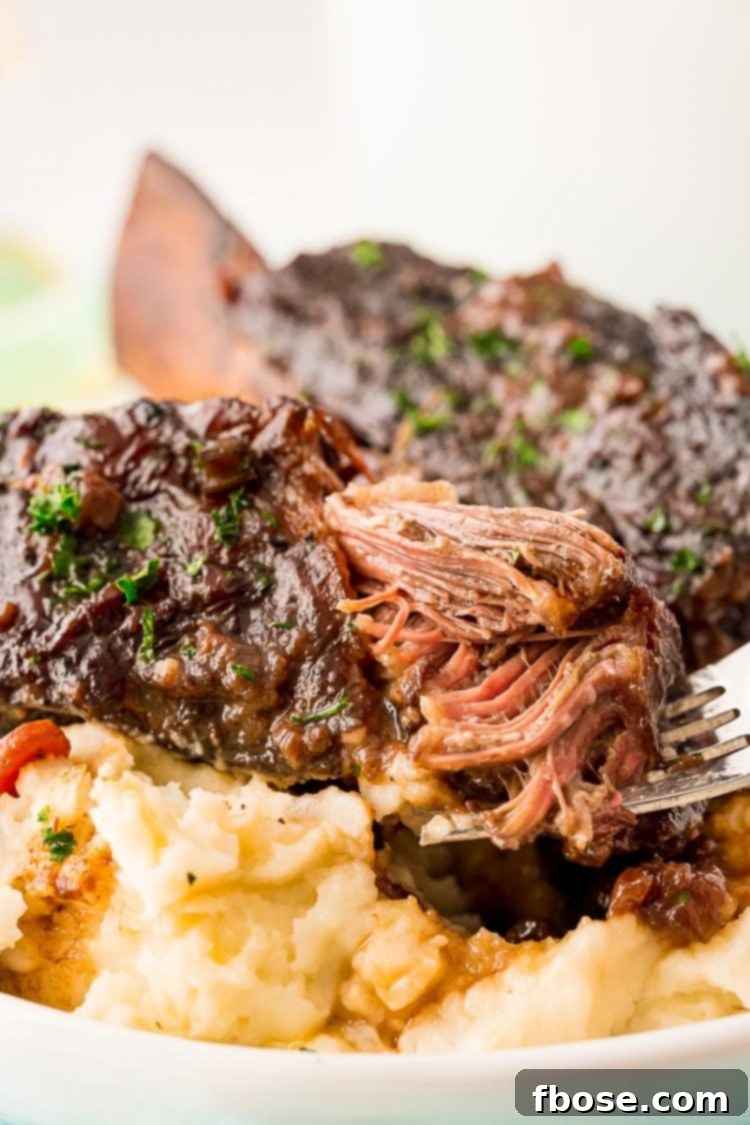
These braised short ribs are designed to impress, delivering an incredible depth of flavor that will undoubtedly WOW your family and guests. Once perfectly cooked and meltingly tender, you have the option to serve them elegantly on the bone or, for easier consumption, remove the meat from the bone before plating.
A classic and always delicious pairing is to serve the rich, saucy short ribs over a generous helping of creamy mashed potatoes. The potatoes absorb the luxurious sauce beautifully, creating a harmonious bite. Enhance your meal further with a side of vibrant roasted vegetables, offering a fresh contrast, or indulgent cheddar biscuits to soak up every last drop of the exquisite gravy.
For an elevated dining experience, consider pairing this robust dish with a glass of refreshing red wine sangria. To conclude your unforgettable meal, follow up with a rich, decadent dessert like a flourless chocolate cake, or opt for something lighter and fruity such as a strawberry rhubarb crisp to cleanse the palate.
PHENOMENAL RECIPE! Like lick the plate and pray there’s more delish! Skipped the red pepper cause hubby doesn’t like any spice but OMG the flavor and the gravy that magically thickens. Excellent. Will make again!!
Tankya Jennings
Storing Your Braised Short Ribs for Future Enjoyment
Braised short ribs are not only delicious fresh but also make for wonderful leftovers. Properly stored, they can be enjoyed for several days, and as mentioned earlier, often taste even better! To store, ensure the ribs and their accompanying sauce are placed in an airtight container. They will keep beautifully in the refrigerator for 3 to 4 days. For longer preservation, braised short ribs freeze exceptionally well. Simply transfer the cooled ribs and sauce into freezer-safe containers or heavy-duty freezer bags, removing as much air as possible. They can be frozen for up to 3 months. Thaw overnight in the refrigerator before gently reheating on the stovetop or in the oven until warmed through, adding a splash of beef stock or red wine if the sauce has thickened too much.
Braised Beef Short Ribs FAQs: Your Questions Answered
When cooking beef short ribs, I always recommend placing them in the Dutch oven with the meat side facing up and the bone side down. This method ensures that as the ribs slowly braise, the meat is consistently bathed in the flavorful braising liquid, helping to keep it moist and resulting in incredibly fork-tender ribs. Additionally, the marrow within the bones slowly releases its rich flavors into the sauce as it cooks, further enhancing the depth and complexity of the overall dish.
Yes, it is absolutely essential that the ribs are covered for the vast majority of their cooking time in the oven. Covering the Dutch oven creates a moist, steamy environment, which is crucial for the braising process. This traps the heat and moisture, allowing the connective tissues in the short ribs to slowly break down and become tender. While some recipes suggest removing the lid for the final 20 minutes to reduce the sauce, our method incorporates a pre-bake reduction step for the wine, so your ribs can remain covered throughout their baking time for consistent moisture and tenderness.
Once the short ribs are nestled into the braising liquid in the Dutch oven and placed in the oven, it is generally not necessary to flip them. The consistent, circulating heat and moisture within the covered Dutch oven ensure that the ribs cook evenly. Keeping the bone side down throughout the baking process will provide the most stable positioning for the ribs and allow the meat to gently cook through without disruption, promoting that desired fall-apart tenderness.
If your braised short ribs turn out chewy, it is almost always an indication that they haven’t cooked long enough. The key to tender short ribs is to allow sufficient time for the low, moist heat to completely break down the tough connective tissues within the meat. This process takes time, typically several hours. If the cooking is stopped prematurely, these tissues remain intact, resulting in a chewy texture. For perfectly tender ribs, aim for an internal temperature between 185°F and 205°F (85°C and 96°C), measured with a meat thermometer. At this temperature, the collagen has converted into gelatin, making the meat incredibly soft.
Yes, within a certain range, short ribs will become progressively softer the longer they are cooked through the braising process. The extended exposure to moist heat continues to break down the tough fibers and connective tissues. However, there’s a “sweet spot” you want to hit: where the meat is unequivocally fork-tender and easily separates from the bone, but hasn’t yet completely disintegrated into mush. Overcooking to an extreme degree can eventually lead to a loss of texture and potentially some flavor, as all the remaining fatty tissue might render out.
While braising is a forgiving cooking method, it is indeed possible to overcook short ribs. If they are cooked for an excessively long period beyond the point of optimal tenderness, the meat’s structure can completely break down, leading to a stringy or mushy texture rather than the desired “fall-off-the-bone” yet still intact consistency. Additionally, if all the fatty tissue renders out due to extreme overcooking, the meat can lose some of its inherent moisture and flavor, resulting in a drier, less satisfying dish. It’s best to follow the suggested cooking times and check for doneness once the meat is easily pulled from the bone.
“Braised short rib” refers to a specific culinary technique applied to a particular cut of meat. Braising is a cooking method that involves two main stages: first, a “dry” heat stage where the meat (in this case, short ribs) is seared at a high temperature to develop a flavorful crust; second, a “wet” heat stage where the seared meat is then slowly simmered in a covered pot with a flavorful liquid (like wine and beef stock) at a low temperature for an extended period. This dual approach transforms tough cuts into incredibly tender, flavorful dishes. Short ribs are the specific cut of beef, known for their rich flavor and significant connective tissue, making them perfectly suited for this tenderizing braising process.
Explore More Delicious Beef Recipes
If you loved the rich flavors of these Braised Beef Short Ribs, you’ll surely enjoy exploring other beef recipes that offer depth and comfort. Here are some more favorites to add to your culinary repertoire:
- Barbacoa Beef: Perfect for tacos, burritos, or bowls, this slow-cooked, intensely flavorful beef is a crowd-pleaser.
- Bolognese Sauce: A classic, hearty meat sauce that simmers to perfection, ideal for pairing with your favorite pasta.
- Country Fried Steak (Cracker Barrel Copycat): Indulge in crispy, tender steak smothered in creamy gravy, a true Southern comfort.
- Hungarian Goulash: A rich and savory beef stew, deeply flavored with paprika, that’s perfect for a chilly evening.
Let’s Connect and Share Your Culinary Creations!
We love hearing from you! If you’ve tried this fantastic Braised Beef Short Ribs recipe, please take a moment to let us know how you liked it in the comments below and leave a review. Your feedback is incredibly valuable to us and helps other home cooks discover delicious meals!
Don’t forget to tag us – @sugarandsoulco – on Instagram and Pinterest with your beautiful photos of this dish, or join our vibrant Sugar & Soul Show-offs Community on Facebook. It’s a wonderful place to share your culinary triumphs, get inspiration, and even participate in our exciting recipe challenges!
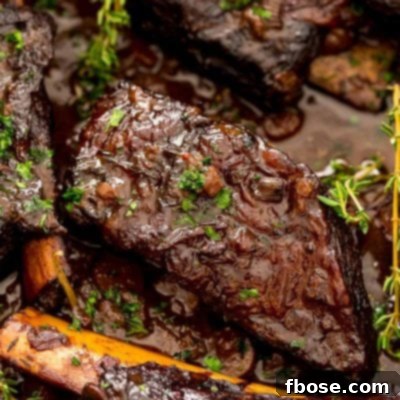
Braised Beef Short Ribs
Equipment
-
Dutch Oven
Ingredients
- 5 pounds short ribs about 6 English style ribs
- 1 teaspoon kosher salt
- 1 teaspoon ground black pepper
- 3 Tablespoons vegetable oil
- 2 celery stalks diced
- 1 Vidalia onion diced
- 2 shallots minced
- 12 baby carrots or 3 medium carrots diced
- 3 Tablespoons all-purpose flour
- 2 teaspoons kosher salt
- 1 Tablespoon tomato paste
- 2 Tablespoons garlic paste or minced garlic
- 1 teaspoon ground mustard powder
- 1/4 teaspoon crushed red pepper flakes
- 750 ml Cabernet Sauvignon or red wine of your choice
- 4 cups beef stock
- 6 sprigs fresh thyme
- 4 sprigs fresh oregano
- 4 sprigs fresh rosemary
- 2 bay leaves fresh or dried
Instructions
-
Season the short ribs generously with kosher salt and ground black pepper, ensuring all sides of the meat are thoroughly coated.
-
Heat the vegetable oil in a large Dutch oven over medium-high heat until shimmering. Sear the seasoned ribs in batches (2 to 3 ribs at a time to avoid overcrowding), browning each side for about 45 seconds to create a deep, rich crust. Transfer the seared ribs to a clean plate and set aside. Repeat with remaining ribs.
-
Carefully remove some of the excess oil and rendered fat from the Dutch oven, leaving just enough (about 1-2 tablespoons) to sauté the vegetables. Add the diced celery, onions, shallots, and carrots to the pot and sauté until they are soft and translucent, which typically takes about 5 minutes.
-
Stir in the all-purpose flour, remaining kosher salt, tomato paste, garlic paste (or minced garlic), ground mustard powder, and crushed red pepper flakes. Cook for approximately 1 minute, stirring frequently, to toast the flour and release the aromatics’ flavors.
-
Pour in the Cabernet Sauvignon (or your chosen red wine). Use a wooden spoon to vigorously scrape the bottom of the pot, deglazing it to release all the flavorful brown bits. Return the seared ribs to the pot, spooning the wine mixture over them. Allow the mixture to simmer and the wine to reduce by half for about 20 minutes. Meanwhile, preheat your oven to 350°F (175°C).
-
Add the beef stock, fresh thyme, oregano, rosemary, and bay leaves to the Dutch oven. Ensure the ribs are mostly submerged in the liquid. Cover the Dutch oven tightly with its lid and transfer it to the preheated oven. Bake for approximately 2 hours and 45 minutes, or until the meat is incredibly tender and easily falls off the bone.
-
Once cooking is complete, carefully remove the Dutch oven from the oven and take out the tender short ribs. Skim any excess fat from the surface of the rich braising sauce. Remove and discard the bay leaves and herb sprigs before serving.
Video
Notes
- The initial searing of the short ribs on all sides is crucial for developing the best flavor through the Maillard reaction. The browned bits (fond) left in the pan will add incredible depth to your sauce once deglazed.
- These braised short ribs are often even MORE flavorful the next day as the flavors have time to meld and deepen. If you’re preparing them for a special occasion, consider making them a day ahead and simply reheating before serving for an enhanced taste. For easy reheating, you can use a microwave, or gently warm them on the stovetop or in the oven. You may remove the meat from the bone before reheating for convenience.
- Braised short ribs can be stored in an airtight container in the refrigerator for 3 to 4 days. For longer storage, they freeze exceptionally well for up to 3 months.
- Expect the meat to shrink during the baking process, typically between 25% and 50% of its initial size, as fat renders off. Be sure to skim this excess fat from the top of the sauce before serving for a cleaner, richer flavor. Chilling overnight makes fat removal even easier.
Nutrition
Did You Make This Recipe?
Don’t forget to share it with me on Instagram @sugarandsoulco and follow on Tiktok @sugarandsoulco and Pinterest @sugarandsoulco for more!
Pin Recipe
Share Recipe