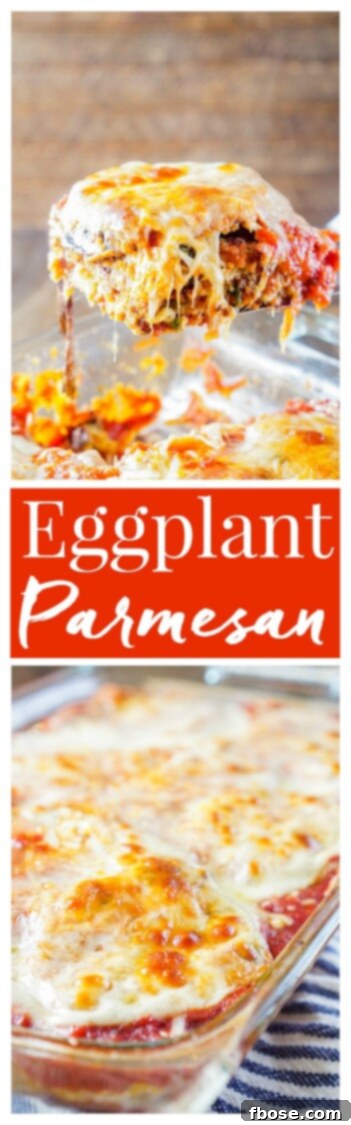
Homemade Eggplant Parmesan: An Italian Classic Infused with Family Memories
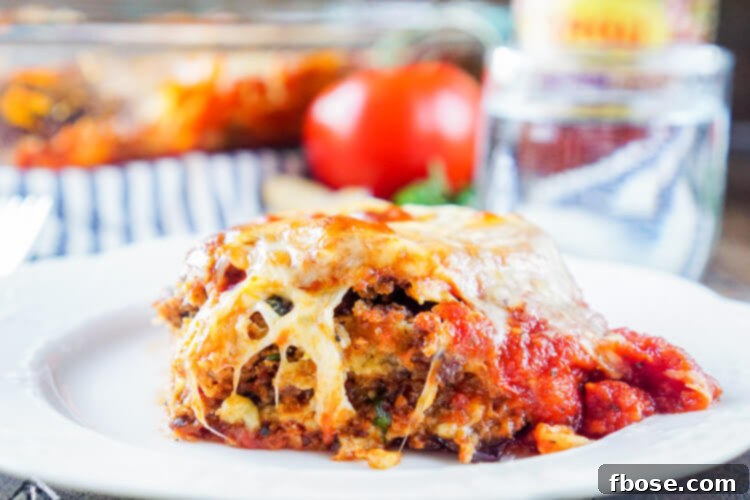
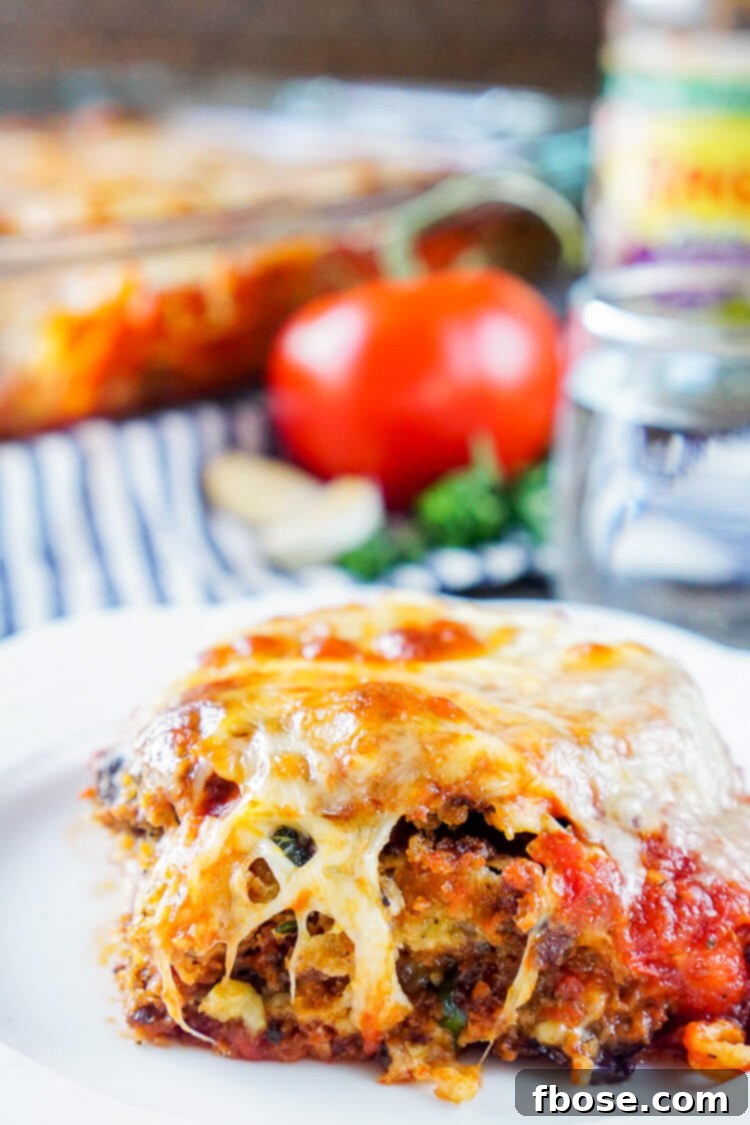
Discover the ultimate recipe for a truly authentic Eggplant Parmesan, featuring tender layers of eggplant, rich tomato sauce, and a blend of exquisite cheeses. This beloved Italian classic is not just a dish; it’s a culinary journey back to the heart of Calabria, inspired by generations of family tradition and unforgettable experiences. Prepare to create a masterpiece that will delight your senses and become a cherished part of your own family’s story.
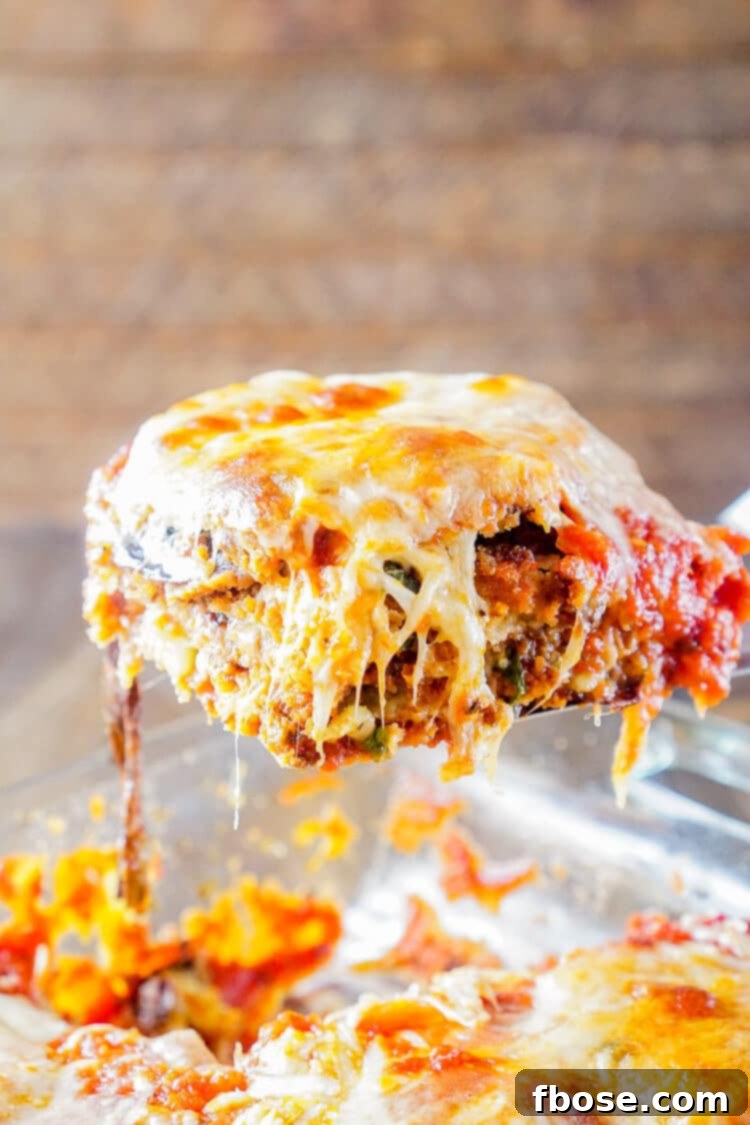
The Enduring Legacy of Italian-American Heritage
For as long as I can remember, family gatherings—whether festive holidays, joyous birthday celebrations, or simple Sunday dinners—would invariably steer towards tales of our vibrant Italian heritage. Our family tree, deeply rooted in the rich soil of Calabria, was brought to life by my Nonna. Her parents, brave and hopeful, made the arduous journey from Italy to New York, making Nonna the first generation Italian-American in our lineage. Her stories, infused with both struggle and triumph, painted vivid pictures of a culture steeped in love, laughter, and, of course, incredible food.
Among these cherished anecdotes, countless uproarious tales revolved around my father, his brother, and his sister, and their frequent visits to their formidable, yet loving, Italian Grandma Galatchia. She was a woman of firm resolve, known for her constant reprimands delivered in a charmingly broken English that left no room for misinterpretation. Her stern warnings were often directed at their mischievous antics: tiny fingers exploring dusty knickknacks, or the audacious theft of ancient, slightly sticky candies from ornate dishes scattered throughout her small, delightfully cluttered, un-airconditioned home. Despite her frequent admonishments of “you’re always in trouble,” her home was a sanctuary of warmth, the air thick with the aromas of simmering sauces and baking bread, a testament to her unwavering love and the traditions she upheld.
It wasn’t until a few years ago that a lightbulb moment occurred. Curious about the origins of such a distinctive name, I finally gathered the courage to ask Nonna what “Galatchia” truly meant, having always assumed it was a unique Italian word. Nonna paused, a thoughtful expression on her face, before a gentle smile spread across her lips. “Kellie made it up,” she recalled, referring to my aunt, her eyes twinkling with amusement.
My dad then chimed in, his voice filled with nostalgic laughter. “Grandma Galatchia used to always yell, ‘Disgrazia, disgracia!‘—meaning ‘disgrace, disgrace!’—whenever we were being particularly naughty. When Kellie was just a little girl, she must have misheard the word and thought Grandma was calling her ‘Galatchia.'” We cousins erupted in hysterical laughter, the revelation making the legendary Grandma Galatchia even more endearing. Her iconic name, a symbol of her long-suffering patience, was born from the tormented sentiment of being utterly disgraced by our misbehaving parents when they were rambunctious children. This delightful linguistic misunderstanding only deepened our connection to our family’s whimsical past.
Italy: A Culinary and Cultural Awakening
My college years brought an incredible opportunity: studying abroad in Europe. Naturally, my travels led me to the heart of my heritage: Italy. From the moment I stepped onto its ancient, sun-drenched cobblestones, the country cast an irresistible spell. It was truly magical, breathtaking in its beauty and profound in its ability to stir something deep within my soul. Every corner turned, every vista beheld, resonated with a sense of belonging. I discovered that I was more Italian than I had ever consciously realized. Everything I instinctively loved seemed to coalesce in this incredible land: the robust flavor of cured olives, the delicate freshness of seafood caught from azure waters, the comforting richness of eggplant parmesan, the inviting warmth of the Mediterranean climate, the vibrant hues painted across architecture and landscapes, the passionate, dark-haired wanderers, the dramatic gestures that spoke volumes, the melodic cacophony of loud voices, the very birthplace of opera, and above all, the unbridled expression of raw, authentic emotion through art and life. I yearned, more than anything, to share this profound feeling—this sacred place—with my entire family, to let them experience the essence of our roots.
Upon my return to the States, I eagerly gushed to Nonna about my European adventures, particularly my Italian revelations. Her eyes lit up with understanding and shared enthusiasm; she related wholeheartedly to every word. Together, we began to dream, often discussing the possibility of a joint trip. For an entire year, I persistently told Nonna how much I wished to experience Italy by her side, to see it through her eyes and share in her ancestral homeland.
And then, it happened. The dream, once a distant whisper, materialized with astonishing speed. It was a crisp fall day during one of our regular Sunday visits, with my parents, sister, and me gathered around, when Nonna and Grampy (my grandfather, an honorary Italian through and through, having been adopted into our boisterous family) made an astonishing suggestion. Instead of exchanging Christmas presents that year, they proposed taking the *entire* family to Italy. The room fell silent for a beat, then erupted in jubilant cheers. We agreed unanimously, of course. Who, after all, would ever decline such an incredible, once-in-a-lifetime offer?
Calabria: Reconnecting with Lost Relatives and the Soul of Italian Cuisine
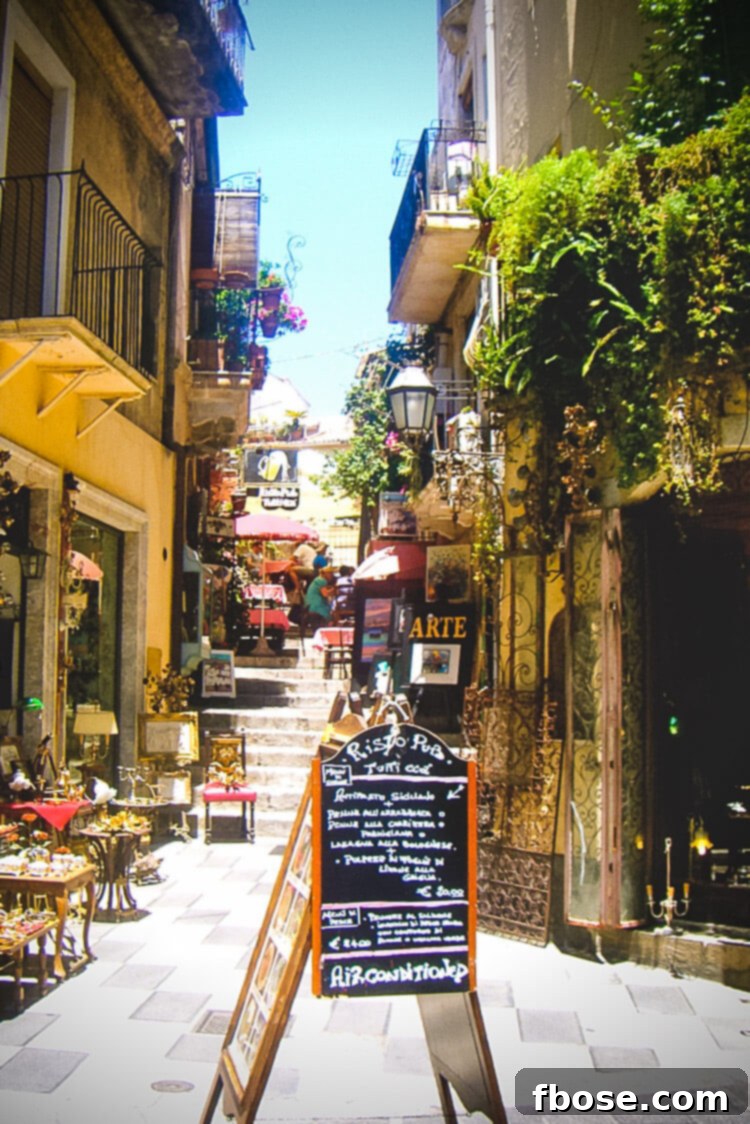
That following June, our grand adventure began. Thirteen of us—parents, siblings, aunts, uncles, cousins, truly *everyone*—boarded a plane bound for the enchanting island of Taormina, Sicily. Upon arrival, we essentially “took over” a charming small hotel, transforming it into our bustling family headquarters. Our days were a whirlwind of sightseeing, from ancient Greek theaters to breathtaking coastal views. We indulged in copious amounts of expertly prepared pasta, savored rich cappuccinos at quaint cafes, swam in the inviting turquoise waters of the Mediterranean, explored historic ruins, and navigated the lively city streets via charming trams.

Yet, the most unforgettable day, by far, was entirely spontaneous and unplanned. It began when Nonna casually mentioned that we had distant cousins still living in Calabria, the very region from which her parents had emigrated. The idea sparked an immediate, collective desire: we had to meet them. Calabria was on the mainland, so our journey involved a series of transitions: a bus, a ferry across the Strait of Messina, and finally, a taxi that brought us to a small, unassuming town. There, we were greeted by dozens of relatives we didn’t even know existed, a joyous explosion of hugs, introductions, and tearful embraces. They welcomed us into what appeared to be a Western-themed restaurant, seemingly opened just for our unexpected arrival.
To this day, I’m not entirely sure how this impromptu reunion was orchestrated, or why everyone was seemingly off work and school on a Tuesday afternoon – they spoke very little English, and only Nonna knew some Italian. But as the homemade wine began to flow freely, the language barrier quickly dissolved into a secondary concern. Our common language became undeniable: infectious laughter, generous pours of local liquor, expressive body language (with lots of pointing and animated gestures), and, most importantly, the universal language of incredible food. It was a day of profound connection, proving that shared heritage and heartfelt hospitality transcend any linguistic divide.

The Quest for the Perfect Eggplant Parmesan
Oh, the *food*! That meal in Calabria remains etched in my memory, a pinnacle of Italian culinary artistry. We feasted on simple yet exquisite appetizers of fresh mozzarella and basil, perfectly fried zucchini, and warm, crusty bread dipped in fragrant, infused olive oil. Hand-made pasta, toothsome and rich, delighted every palate. But the undisputed star of the show was, without a doubt, the most *delicious* eggplant parmesan I had ever tasted. Each layer of thinly sliced eggplant was lightly battered, fried to golden perfection, and smothered in a rich, deeply flavorful homemade tomato sauce. It was seasoned impeccably, and generously topped with fresh curls of grated Parmesan cheese, creating a symphony of textures and tastes.
I cried when we eventually left our newfound relatives that day, a bittersweet farewell tinged with the warmth of connection. Back in America, I found myself profoundly “homesick” for Italy, for its vibrant spirit, its people, and its unparalleled cuisine. This yearning sparked a new mission: I decided to cook. That exquisite eggplant parmesan from Calabria haunted my culinary dreams, and I was determined to recreate its magic in my own kitchen.

The quest began. Eggplant? Check. High-quality olive oil? Check. Fresh Parmesan? Check. But what about the sauce? This was the pivotal ingredient, the very heart and soul of the dish, responsible for tying all the flavors together into a harmonious whole. This couldn’t be just any sauce; it had to capture the authentic taste of Calabria.
So, I delved into research. After sifting through countless websites and reviews of popular pasta sauce brands, I stumbled upon the inspiring story of Assunta Cantisano. Like my Nonna’s parents, Assunta was an Italian-American who immigrated to New York, carving out a livelihood by selling her homemade tomato sauce. Her secret was simple: a time-honored Italian recipe, made with ripe tomatoes and fragrant herbs harvested fresh from her own garden. Her legendary recipe, I read, had truly stood the test of time, becoming a staple in American kitchens.
A “traditional garden fresh sauce”—that was it! I was now dead-set on meticulously recreating that sublime eggplant parmesan we had enjoyed in Calabria. I picked up a jar of Ragu, eager to experience (or rather, taste) Assunta’s storied recipe for myself. As I poured the rich, vibrant sauce over the carefully layered eggplant and cheese, hope filled me. My mouth watered with anticipation as the comforting aroma of baking parmesan gradually enveloped the kitchen. Finally, I pulled the golden, bubbling dish from the oven, scooped a steaming forkful directly from the pan, and took a bite. In that single, perfect mouthful, I was instantly transported back to Italy, to that unforgettable meal with my family. I had made the right choice with the sauce.
As any true chef understands, no matter how many recipes one masters, the truly special ones are those that transport us back to the happiest moments of our lives, weaving a tapestry of sensory memory. At the root of these magical, transformative recipes are simple, fresh ingredients capable of upholding years-long traditions, connecting us to our past, and creating new, lasting memories with every delicious bite.
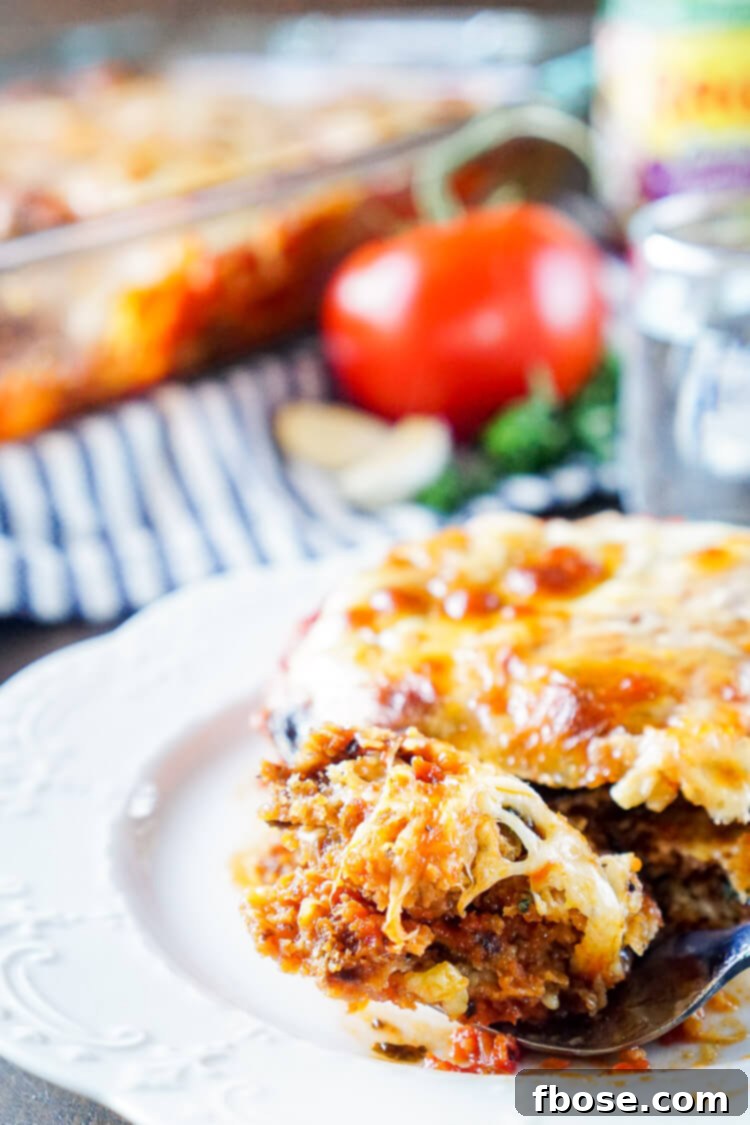
Authentic Homemade Eggplant Parmesan
Ingredients
- 2 jars Ragu Chunky Sautéed Onion and Garlic Sauce
- 2 medium eggplants washed and cut into 1/2-inch thick rounds (about 2 1/2 pounds total)
- 1/2 cup all-purpose flour
- 1/2 tsp salt divided
- 1/2 tsp ground black pepper divided
- 5 large eggs
- 3 tablespoons whole milk
- 4 cups Panko Italian-style breadcrumbs
- 1 tablespoon dried oregano
- 1 tablespoon fresh thyme leaves
- Vegetable oil for frying, as needed, about 1 1/2 to 2 cups
- 2 handfuls fresh basil
- 1 1/2 pounds mozzarella cheese cut into thin slices
- 1/2 cup grated Parmesan
- 1 pound provolone cheese slices
Instructions
-
Arrange eggplant slices in a single layer on 2 baking sheets.
-
Sprinkle with salt on both sides of each slice and let sit for 1 hour to draw out moisture.
-
Rinse the eggplant slices with cold water and dry them thoroughly with paper towels. This step is crucial for preventing a soggy texture.
-
In a medium bowl, combine the all-purpose flour, 1/4 tsp salt, and 1/4 tsp pepper.
-
In a separate bowl, whisk together the eggs and whole milk until well combined.
-
In a third bowl, combine the Panko Italian-style breadcrumbs with dried oregano, fresh thyme, and the remaining salt and pepper.
-
Dip each eggplant slice first into the seasoned flour, shaking off any excess. Then, dip into the egg mixture, allowing any extra to drip off. Finally, coat thoroughly in the breadcrumb mixture.
-
Ensure both sides of each eggplant slice are evenly coated, then arrange them in single layers on the baking sheets.
-
In a large, heavy-bottomed skillet, pour enough vegetable oil to create a depth of about 1/2-inch. Heat the oil over medium-high heat until it just begins to smoke lightly, reaching a temperature between 380 and 400 degrees F.
-
Using kitchen tongs, carefully add a single layer of breaded eggplant slices to the hot oil. Fry them until they are beautifully golden brown, approximately 60 to 90 seconds per side.
-
Remove the cooked eggplant from the oil and transfer to a clean baking sheet lined with paper towels to drain excess oil. While still warm, top the cooked eggplant slices with pieces of fresh basil.
-
Before adding the next batch of eggplant slices, ensure the oil temperature is reheated back to the ideal range. Repeat until all eggplant is cooked.
-
Preheat your oven to 350 degrees F (175 degrees C).
-
In a 9 by 13-inch baking dish, spoon about 1/4 of the Ragu sauce evenly across the bottom.
-
Top the sauce layer with a single, even layer of the fried eggplant slices.
-
Layer about 1/3 of the mozzarella slices over the eggplant.
-
Sprinkle with about 1/4 of the grated Parmesan cheese.
-
Place a layer of provolone cheese slices on top.
-
Garnish with some freshly chopped basil leaves.
-
Spoon another 1/4 of the Ragu sauce over the cheese and basil, then repeat the layering process two more times to create a total of three complete layers.
-
Finish the top layer with the remaining mozzarella and provolone cheeses.
-
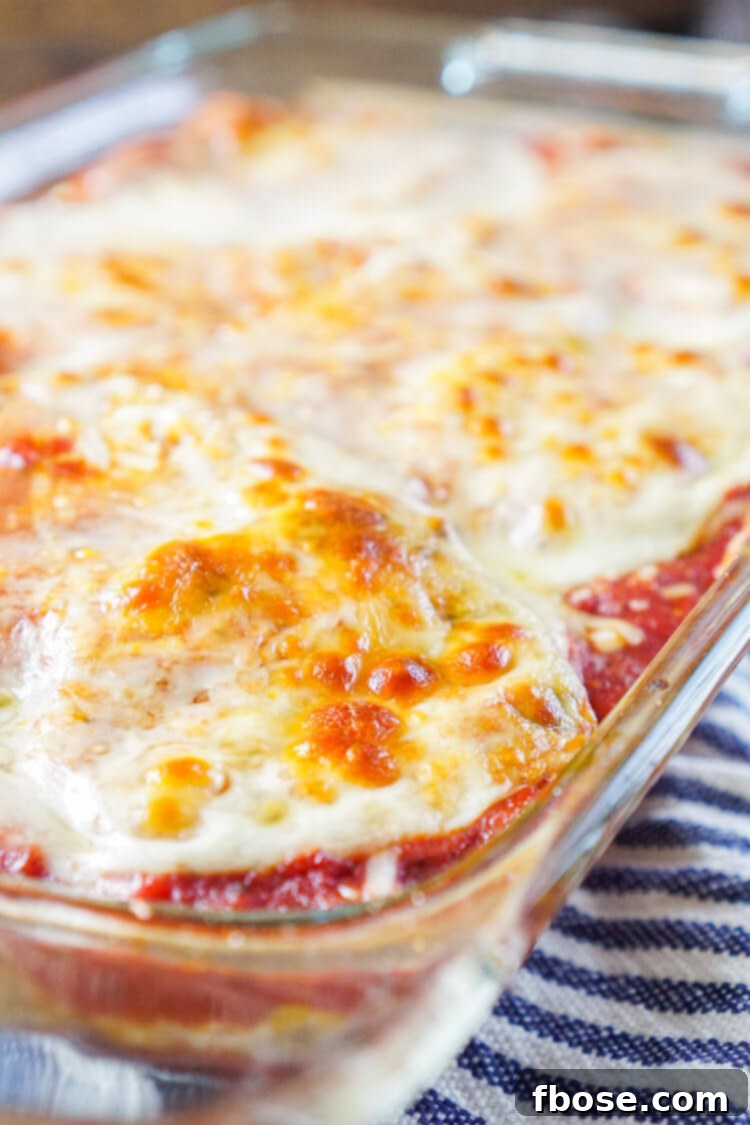
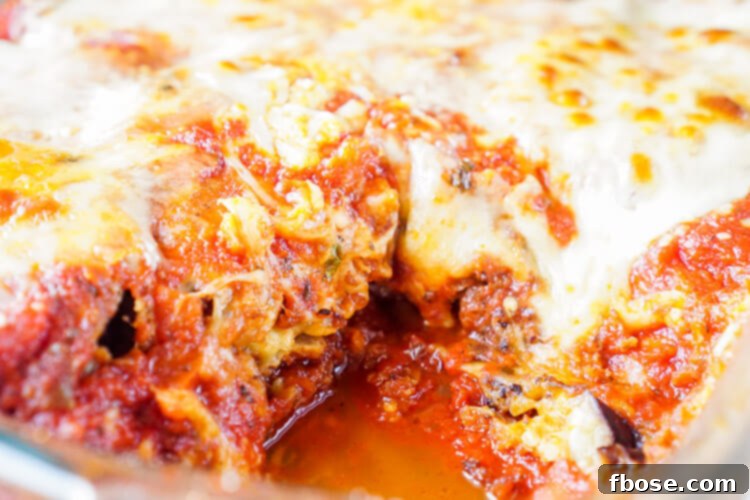
Bake in the preheated oven for 35 to 40 minutes, or until the sauce is bubbling and the cheese is melted and golden.
-
For an extra golden-brown, bubbly top, broil for an additional minute or two just before serving. Watch carefully to prevent burning.
Notes
Nutrition Information
Did You Make This Recipe?
Don’t forget to share it with me on Instagram @sugarandsoulco and follow on Tiktok @sugarandsoulco and Pinterest @sugarandsoulco for more delicious recipes and culinary inspiration!
Pin Recipe
Share Recipe
Pin this Authentic Eggplant Parmesan Recipe for Later!