
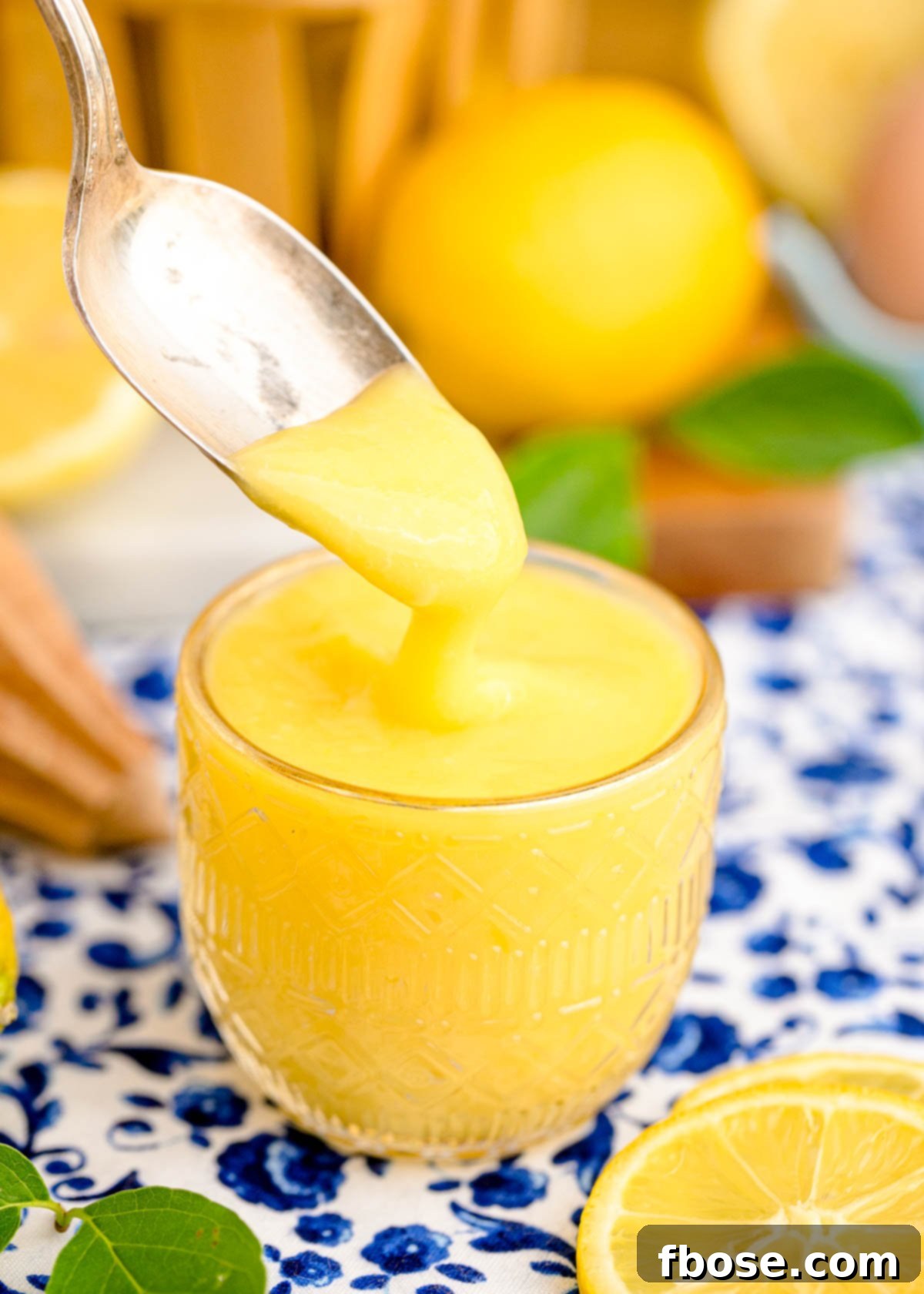
Don’t settle for mediocre, mass-produced lemon curd that pales in comparison to the vibrant, luscious flavor of a homemade version. With just 30 minutes of active prep time, you can create a batch of the most exquisite Homemade Lemon Curd, guaranteed to elevate all your lemon-infused desserts to an unforgettable level of citrusy, sweet perfection. This recipe is your secret weapon for adding a burst of sunshine to every bite!
Imagine this incredibly smooth and zesty lemon curd as the star in a delicate Lemon Tart, beautifully contrasted by a buttery shortbread crust. Or perhaps layered in a magnificent cake, swirled into creamy parfaits, or simply enjoyed by the spoonful. Once you experience the depth of flavor and silky texture of this homemade delight, you’ll never look back.

The Best Homemade Lemon Curd Recipe: Sweet, Tart & Silky Smooth
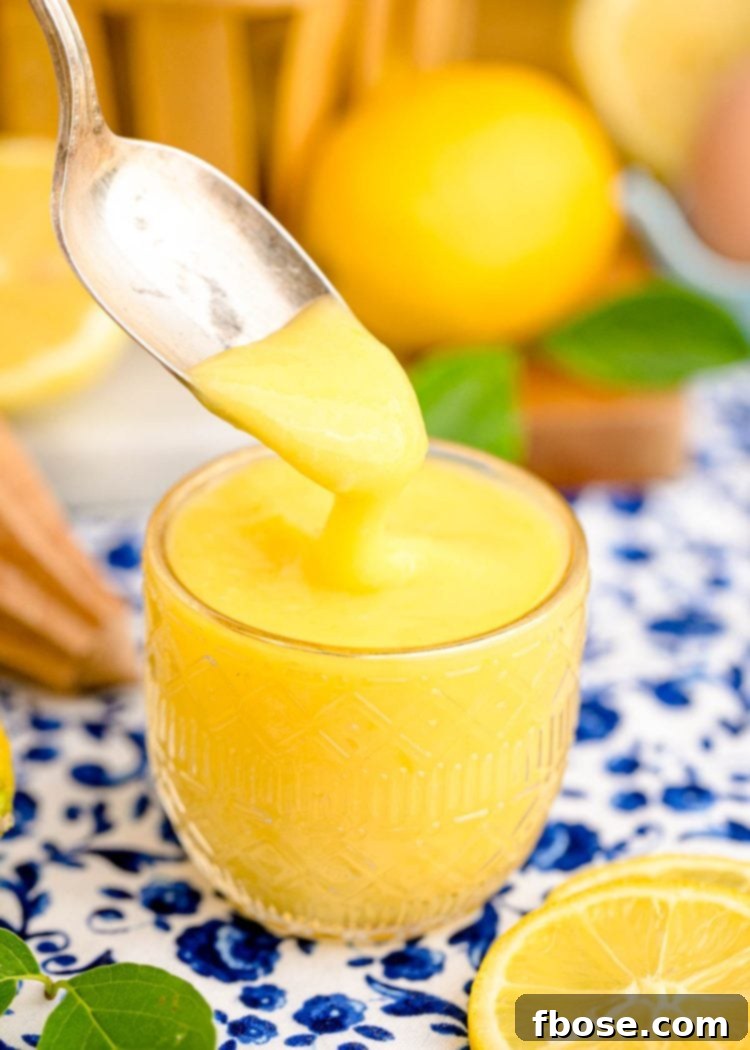
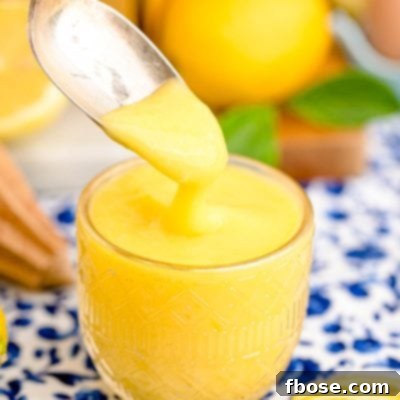
Say goodbye to bland, artificial-tasting store-bought lemon curd and embrace the superior quality of this homemade recipe. Our Ultimate Homemade Lemon Curd boasts a beautiful, soft yellow hue, an irresistibly silky-smooth texture, and a perfectly balanced flavor profile that masterfully marries sweetness with a delightful, zesty tartness. It’s truly a culinary masterpiece made simple!
You’ll be amazed by the bright, incredibly fresh lemon flavor this curd imparts to any dessert. Whether you’re using it as a vibrant filling, a luxurious topping, or a standalone treat, its versatility knows no bounds. The best part? This recipe yields a generous portion, ensuring you have plenty to experiment with on all your favorite sweet creations. Prepare to fall in love with its captivating taste and texture, making every lemony craving a joyous occasion.
Incredibly easy to make, this gourmet-quality lemon curd comes together in under 30 minutes of active cooking time using only a handful of readily available ingredients. It’s the ideal recipe for both novice and experienced bakers looking to add a touch of professional polish to their desserts without the fuss. Whenever the desire for something refreshingly lemony strikes, this recipe will be your go-to solution.
What Exactly Is Lemon Curd? Unveiling the Delicious Details
Lemon curd is a classic, rich, and creamy dessert spread celebrated for its intense lemon flavor and luscious, thick consistency. At its core, traditional lemon curd is crafted from a simple yet magical combination of fresh eggs, bright lemon juice, aromatic lemon zest, granulated sugar, and butter. This harmonious blend is gently cooked until it transforms into a velvety smooth, spreadable delicacy. The base of eggs and freshly squeezed lemon juice is what truly distinguishes a homemade curd, delivering a depth of flavor that store-bought versions often lack, making every spoonful a pure delight.
While often compared to jam, lemon curd offers a distinctly different sensory experience. Unlike fruit jams that rely on pectin for their gel-like texture, lemon curd achieves its characteristic richness and thickness through the coagulation of egg proteins and the emulsification of butter. This creates a luxurious, custard-like consistency that is both rich and airy, without being overly heavy. Its vibrant acidity is perfectly balanced by the sweetness of sugar, making it an incredibly versatile component in a vast array of dessert applications or a delightful spread on its own.
Why Choose Homemade Lemon Curd Over Store-Bought?
The allure of homemade lemon curd lies in its unparalleled freshness and superior flavor compared to its store-bought counterparts. Here’s why making it from scratch is always the best option:
- Unrivaled Freshness: Store-bought curds often contain artificial flavors and preservatives to extend shelf life. Homemade lemon curd uses only fresh ingredients, primarily freshly squeezed lemon juice and zest, which imparts an incredibly bright, authentic citrus flavor that’s simply unmatched.
- Control Over Ingredients: When you make lemon curd at home, you dictate what goes into it. This means you can choose high-quality butter, adjust the sugar to your preferred level of sweetness, and ensure no unwanted additives or artificial colors are present.
- Perfect Texture: Achieving that silky-smooth, pourable yet thick consistency is a hallmark of perfectly made lemon curd. While commercial versions can sometimes be gummy or overly stiff, homemade allows you to cook it to your desired lusciousness.
- Economical: Making lemon curd from scratch is surprisingly cost-effective, especially when you consider the price of premium store-bought brands. Basic pantry staples and a few fresh lemons are all you need.
- Incredibly Rewarding: There’s immense satisfaction in creating something so delicious from simple ingredients. The aroma of lemons filling your kitchen and the joy of sharing your handcrafted curd with loved ones is an experience in itself.

Essential Ingredients for Perfect Lemon Curd
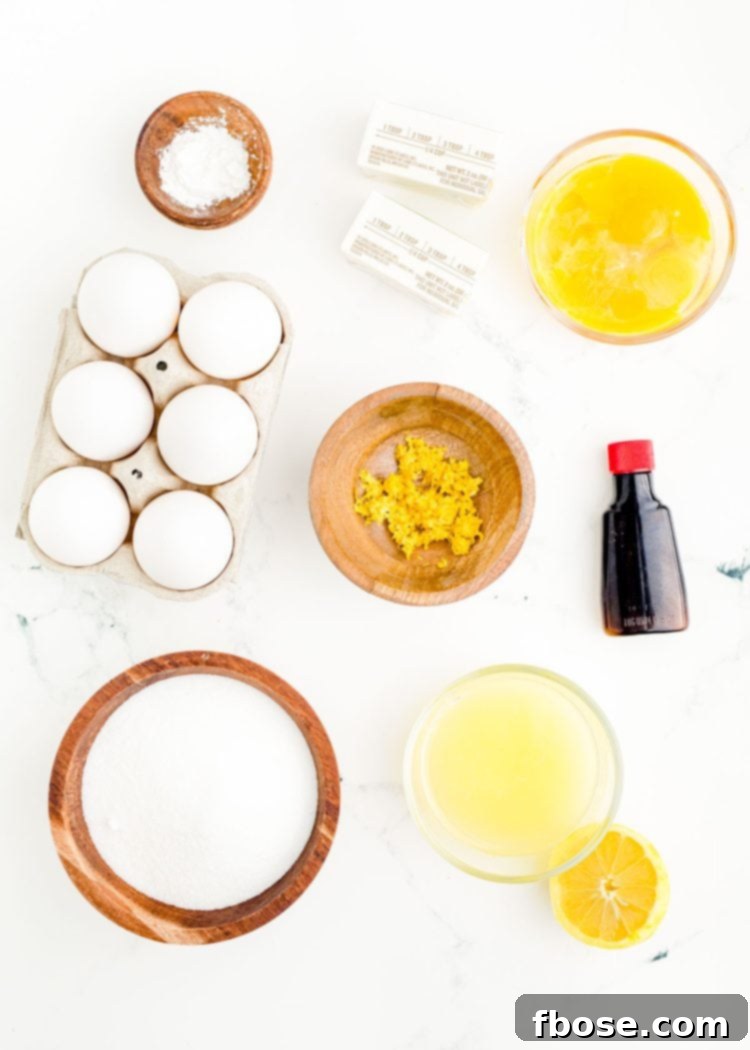
Crafting the perfect batch of Homemade Lemon Curd requires a simple list of ingredients, each playing a crucial role in achieving its signature flavor and texture. Here’s what you’ll need:
- Large Eggs: Provide structure and richness, helping to thicken the curd.
- Large Egg Yolks: Contribute to the curd’s velvety texture, rich yellow color, and overall creaminess, while minimizing the risk of an “eggy” flavor. Save the whites for meringues or other recipes!
- Freshly Squeezed Lemon Juice: The star of the show! It delivers the iconic tart and bright citrus flavor. Always use fresh juice for the best results.
- Lemon Zest: The aromatic essence of the lemon, packed with essential oils that intensify the lemony flavor without adding extra liquid. Don’t skip this for a truly vibrant curd.
- Granulated Sugar: Balances the tartness of the lemon juice, creating a perfectly sweet-tart profile.
- Cornstarch: A secret ingredient for foolproof thickening, helping to stabilize the curd and prevent it from becoming too runny.
- Salted Butter: Adds luxurious richness, smoothness, and a glossy sheen to the curd. It’s incorporated at the end for the best texture.
- Vanilla Extract: A touch of vanilla rounds out the flavors, adding a subtle warmth and complexity that complements the bright lemon beautifully.
Tip for Choosing Lemons: Look for lemons that are heavy for their size, indicating they are juicy. The skin should be bright yellow and relatively smooth. Organic lemons are often preferred since you’ll be using the zest.
How to Make Homemade Lemon Curd from Scratch: A Step-by-Step Guide
Making your own lemon curd is a straightforward process that yields incredibly rewarding results. Follow these simple steps for a perfect batch every time:
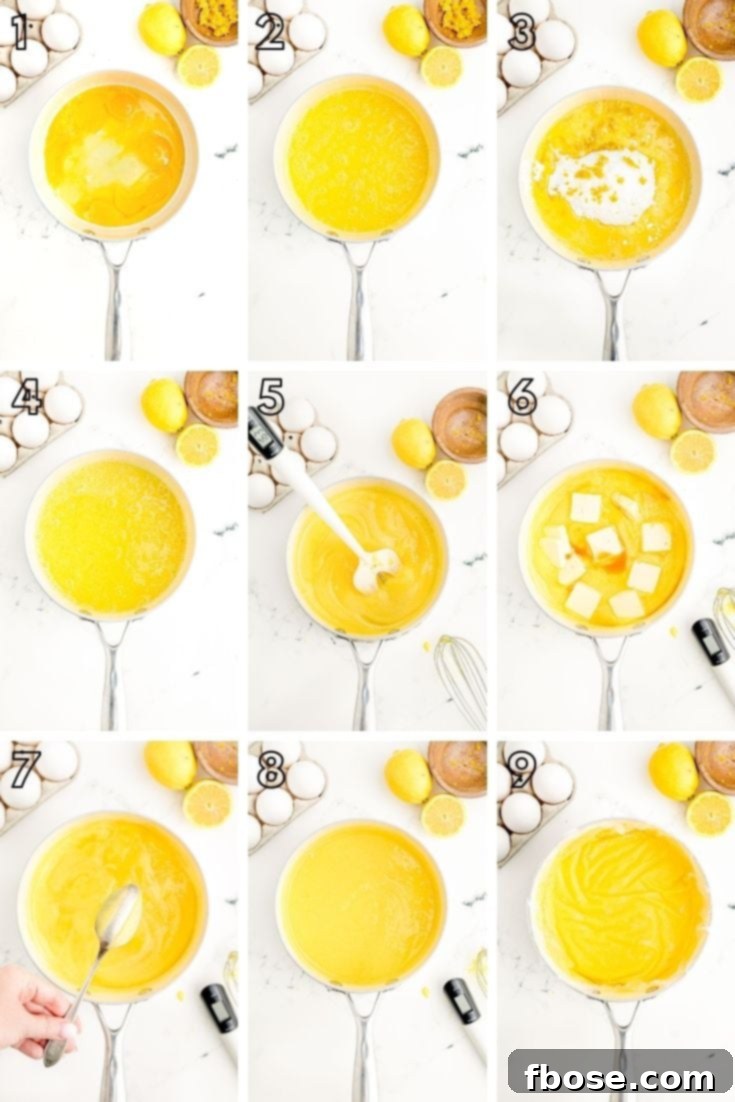
- Prepare the Base: In a medium-sized saucepan (preferably non-reactive, like stainless steel), combine the whole eggs and egg yolks. Whisk them thoroughly until well-beaten and homogenous. This ensures a smooth base and helps prevent any “eggy” flavor.
- Add Citrus and Sweetener: Incorporate the freshly squeezed lemon juice, vibrant lemon zest, granulated sugar, and cornstarch into the egg mixture. Whisk everything together until the sugar is mostly dissolved and the mixture is thoroughly combined. The cornstarch will act as a stabilizer and aid in thickening.
- Gentle Cooking Process: Place the saucepan over medium-low heat. This is a crucial step – low and slow heat is key to preventing the eggs from scrambling. Begin whisking the mixture constantly as it heats. Continuous whisking is essential to ensure even cooking, prevent sticking to the bottom of the pan, and achieve a uniform, smooth consistency. Continue to cook and whisk until the mixture visibly thickens, coating the back of a spoon. If you’re using an instant-read thermometer (highly recommended for precision), aim for a temperature of 170°F (77°C). This typically takes about 8-10 minutes. Remember, the curd will continue to thicken significantly as it cools and chills.
- Incorporate Butter and Vanilla: Once the curd has reached the desired thickness and temperature, immediately remove the pan from the heat. Add the cubes of salted butter and the vanilla extract. Stir vigorously until the butter has completely melted and is fully incorporated into the curd, giving it a beautiful sheen and extra richness.
- Strain for Silky Smoothness (Optional but Recommended): For the ultimate silky-smooth texture, pour the warm lemon curd through a fine-mesh strainer set over a clean bowl. This step removes any tiny bits of cooked egg or lemon zest, ensuring a perfectly luxurious finish. Use a rubber spatula to push the curd through the sieve.
- Cool and Chill: Allow the curd to cool at room temperature for about 15-20 minutes. Then, to prevent a skin from forming on the surface, place a piece of plastic wrap directly onto the surface of the curd, ensuring it touches every part. Transfer the bowl to the refrigerator and chill for at least 3-4 hours, or ideally overnight, until it is completely cold and set. This chilling time is essential for the curd to reach its optimal thick and spreadable consistency.
Tips for Thickening Lemon Curd (Troubleshooting)
If your lemon curd doesn’t seem to be thickening enough after cooking, don’t fret! A common solution is to create a cornstarch slurry. Simply mix one teaspoon of cornstarch with one tablespoon of cold water until smooth. Gradually whisk this slurry into your warm lemon curd while gently heating it over low heat. Continue to cook and whisk constantly until it reaches your desired thick consistency. Be patient and cook it gently to avoid overcooking the eggs.
Delightful Ways to Enjoy Your Homemade Lemon Curd
The versatility of homemade lemon curd is truly remarkable! From elegant desserts to simple breakfast treats, there are countless ways to savor its bright, sweet-tart flavor. Here are some tasty ideas to inspire you:
- Luxurious Dessert Topping: Drizzle it generously over a scoop of vanilla ice cream, plain yogurt, or even cheesecake for an instant upgrade.
- Breakfast Bliss: Spread it over warm, fluffy pancakes, golden waffles, or French toast instead of syrup for a gourmet touch.
- Elevated Pastries and Tarts: Use it as the sweet and tangy filling for classic lemon tarts, pies, or delicate Lemon Cheesecake Crepes.
- Surprise Cupcake Filling: Inject a dollop of lemon curd into the center of vanilla or lemon cupcakes before frosting for a delightful hidden treat.
- Simple Snacks: Slather it onto toasted bread, English muffins, scones, or biscuits for a quick and satisfying afternoon pick-me-up.
- Cake Layers and Fillings: Use it as a luscious filling between cake layers, paired with fresh berries or whipped cream.
- Bar Cookies and Shortbread: Spread it over a shortbread crust to create classic lemon bars, or layer it in other bar cookie recipes.
- Parfaits and Trifles: Layer it with whipped cream, cake crumbs, and fresh fruit for an elegant and easy dessert.
Storage & Shelf Life of Homemade Lemon Curd
Proper storage is key to enjoying your delicious homemade lemon curd for as long as possible. Due to its egg and butter content, it requires refrigeration to remain safe and delicious.
Refrigeration: Store the cooled lemon curd in an airtight container or a clean glass jar with a tight-fitting lid in the refrigerator. When stored correctly, it will last for up to one week. Always ensure the plastic wrap is pressed directly onto the surface of the curd before sealing to prevent a skin from forming and to maintain freshness.
Freezing: Yes, you can absolutely freeze lemon curd for extended enjoyment! To do so, allow the curd to cool completely in the refrigerator first. Then, transfer it to a freezer-safe airtight container or jar, leaving a little headspace as it may expand slightly when frozen. It can be stored in the freezer for up to one year. When ready to use, simply thaw it in the refrigerator overnight. Give it a gentle whisk before serving to restore its smooth consistency.
Frequently Asked Questions About Lemon Curd
Here are answers to some common questions and tips to ensure your lemon curd turns out perfectly every time:
How Do I Get The Most Juice Out Of My Lemons?
To maximize the juice from your lemons, a simple trick is to microwave them for 15-20 seconds until they are slightly warm. Then, roll them firmly on your countertop for about 30 seconds. This process helps to break down the membranes inside the lemon, allowing for easier juice extraction. Afterward, use a sturdy lemon juicer or reamer to squeeze out every last drop of that precious fresh lemon juice.
Can I Sweeten The Lemon Curd Up A Bit?
Absolutely! The beauty of homemade lemon curd is that you can tailor it to your exact taste preferences. If you prefer a sweeter curd, simply increase the amount of granulated sugar to your liking. Add it gradually and taste as you go to achieve your ideal sweet-tart balance.
What Should I Do If The Curd Is Still Runny After Cooking It?
If your lemon curd remains too runny, there are a few things to check. First, ensure you cooked it for the full recommended time, typically around 10 minutes, or longer if using a double boiler. Sometimes, simply continuing to cook it over medium-low heat while constantly whisking will achieve the desired thickness. If it still needs a boost, create a cornstarch slurry by mixing a small amount of cornstarch with an equal part of cold water. Gradually whisk this into the warm curd and continue cooking gently until it thickens. Remember, it will also thicken considerably as it chills in the refrigerator.
How Can I Make The Curd More Tart?
For those who love a truly zesty and tart lemon curd, increasing the lemon zest is your best bet! Lemon zest provides intense lemon flavor without adding extra liquid, which could thin out your curd. You can add an extra teaspoon or two of zest for a pronounced tangy kick.
Why Does Lemon Curd Taste Eggy?
If your lemon curd has an “eggy” taste, it’s usually a sign that the eggs were accidentally overcooked during the heating process. When eggs cook too quickly or at too high a temperature, they can develop a sulfuric, eggy flavor. To prevent this, always cook your curd over medium-low heat and whisk constantly. Using a thermometer to ensure it doesn’t exceed 170°F (77°C) is highly effective.
Why Did My Lemon Curd Turn Green?
A green tint in lemon curd typically occurs due to a chemical reaction between the acid in the lemons and certain metals, particularly copper or aluminum. To avoid this discoloration, it’s best to use non-reactive cookware, such as stainless steel saucepans, glass bowls, or ceramic utensils, when making lemon curd.
Why is My Lemon Curd Gritty?
Gritty lemon curd often results from overcooked eggs, causing them to curdle and create small, grainy pieces. This can also happen if the sugar hasn’t fully dissolved. To prevent grittiness, cook the curd slowly over low to medium-low heat with constant whisking. An instant-read thermometer is your best friend here; remove the curd from the heat immediately once it reaches 170°F (77°C). If it does turn out slightly gritty, straining it through a fine-mesh sieve after cooking can help achieve a smoother consistency.
More Delicious Homemade Filling and Topping Ideas
Once you experience the superior taste and texture of homemade lemon curd, you’ll undoubtedly appreciate the difference fresh, from-scratch ingredients make. If you loved creating this vibrant lemon curd, you’re sure to enjoy these other fantastic homemade fillings and toppings that add a gourmet touch to any dessert:
- Easy Homemade Strawberry Sauce Topping – A burst of fresh berry flavor, requiring less than 15 minutes of prep and cook time! Perfect for pancakes, ice cream, or cheesecakes.
- Perfect Homemade Whipped Cream – Light, airy, incredibly creamy, and vastly superior to anything store-bought. A must-have for countless desserts.
- Decadent Chocolate Ganache – A versatile, rich chocolate delight that can be used as a luxurious filling, a glossy glaze, or a sweet dipping sauce.
- Slow Cooker Dulce de Leche Caramel Sauce – This rich, sticky, golden caramel sauce is surprisingly simple to make in a slow cooker, offering deep, complex flavor.
- Easy Raspberry Filling – A bright and fruity filling that comes together in just 20 minutes with only 4 simple ingredients, ideal for cakes and pastries.
Join Our Community!
If you’ve tried this fantastic Homemade Lemon Curd recipe, we’d absolutely love to hear from you! Please share your thoughts and leave a review in the comments section below. Your feedback helps us and other home bakers!
Don’t forget to tag us on Instagram and Pinterest – @sugarandsoulco – with photos of your creations! You can also join our vibrant Sugar & Soul Show-offs Community on Facebook to share your culinary successes and participate in our fun recipe challenges!
Homemade Lemon Curd Recipe
Rebecca Hubbell
Dessert
American
30 minutes
30 minutes
3 hours
4 hours
3 cups
Equipment
- Whisk
- Medium mixing bowl
- Lemon zester
- Lemon juicer
- Medium saucepan
- Instant-read thermometer
- Fine mesh sieve
Ingredients
Lemon Curd
- 3 large eggs
- 4 large egg yolks save the whites for the meringue
- ⅔ cup freshly squeezed lemon juice
- 2 teaspoons lemon zest
- 1 cup granulated sugar
- 1 teaspoon cornstarch
- ½ cup salted butter cut into ½ inch cubes
- ½ teaspoon vanilla extract
Instructions
-
In a small saucepan, whisk together the eggs and egg yolks.
-
Then whisk in the lemon juice, lemon zest, sugar, and cornstarch.
-
Place the saucepan on the stove and cook over medium-low heat, whisking the mixture constantly as it heats. Keep whisking and cooking the mixture until it thickens to the point that it will coat the back of a spoon. If you have an instant-read thermometer, you want it to reach 170°F. It may take up to 10 minutes, and remember that it will continue to thicken when it is chilled. You must whisk it constantly, even while checking the temperature.
-
Once the curd has thickened, remove from heat and stir in the butter until fully incorporated, then stir in the vanilla.
-
If the lemon curd is not completely smooth, you will want to strain it through a fine mesh sieve.
-
Allow the curd to cool for about 15 minutes. Then place a piece of plastic wrap directly on the surface of the curd (so it doesn’t develop a film) and place this into the fridge. It should chill for at least 3 hours before using as desired.
Notes
- The nutritional information is an estimate per cup of curd.
- You may want to make the curd the night before, as it does need time to chill before using it in any recipes.
- How Do I Get The Most Juice Out Of My Lemons? Easy! Microwave the fresh lemons for 20 seconds – just until slightly warm. Then roll them on the countertop until the lemons become very soft. Afterward, use a lemon juicer, or squeezer to get the fresh lemon juice out!
- Can I Sweeten The Lemon Curd Up A Bit? Of course! Feel free to sweeten the curd up to exactly your desired taste. To do so just increase the sugar!
- How Is Homemade Lemon Curd Stored? Store the curd in an airtight container or jar in the fridge for up to a week. The curd could also be frozen for up to a year!
- What Should I Do If The Curd Is Still Runny After Cooking It? First, be sure you cook the curd for the full 10 minutes – 15 if you’re using a double boiler. Next, turn the heat up higher but really make sure you continue to whisk it constantly. If that doesn’t do the trick, then you can add some cornstarch slurry. This is made by just combining a little cornstarch with water.
- How Can I Make The Curd More Tart? If your taste buds prefer a tart curd, then you can simply add lemon zest!
Nutrition
Did You Make This Recipe?
Don’t forget to share it with me on Instagram @sugarandsoulco and follow on Tiktok @sugarandsoulco and Pinterest @sugarandsoulco for more!
We’d love to see your creations!