

Welcome to the definitive guide for baking the legendary DoubleTree Cookies at home! This isn’t just another copycat recipe; it’s the official, highly coveted formula that delivers those irresistibly chewy, wonderfully thick, and perfectly spiced chocolate chip and walnut delights. Loaded with rich chocolate chips, crunchy chopped walnuts, a warming hint of cinnamon, and a surprising, bright touch of lemon, these cookies are a mouthwatering treat that truly lives up to its widespread obsession. Prepare to transform your kitchen into a DoubleTree bakery and indulge in the warmth and comfort of these iconic hotel cookies.

For many travelers, the moment of checking into a Hilton DoubleTree hotel is synonymous with the warm embrace of their signature chocolate chip cookie. This complimentary gesture has cemented the DoubleTree cookie’s status as a beloved hospitality icon, a sweet token that promises comfort and a touch of luxury. The allure of these cookies lies in their distinctive texture – perfectly chewy on the inside with slightly crisp edges – and their complex flavor profile, which goes beyond a standard chocolate chip cookie.
The culinary world rejoiced when, amidst unprecedented times, DoubleTree generously shared their closely guarded, famous cookie recipe with the public. This wasn’t merely a rumor or an approximation; it was the official, authentic recipe straight from the source! Now, the secret to those warm, satisfying cookies that greet guests worldwide is yours to unlock in your very own kitchen. This guide will walk you through every step to ensure your homemade batch rivals the original.
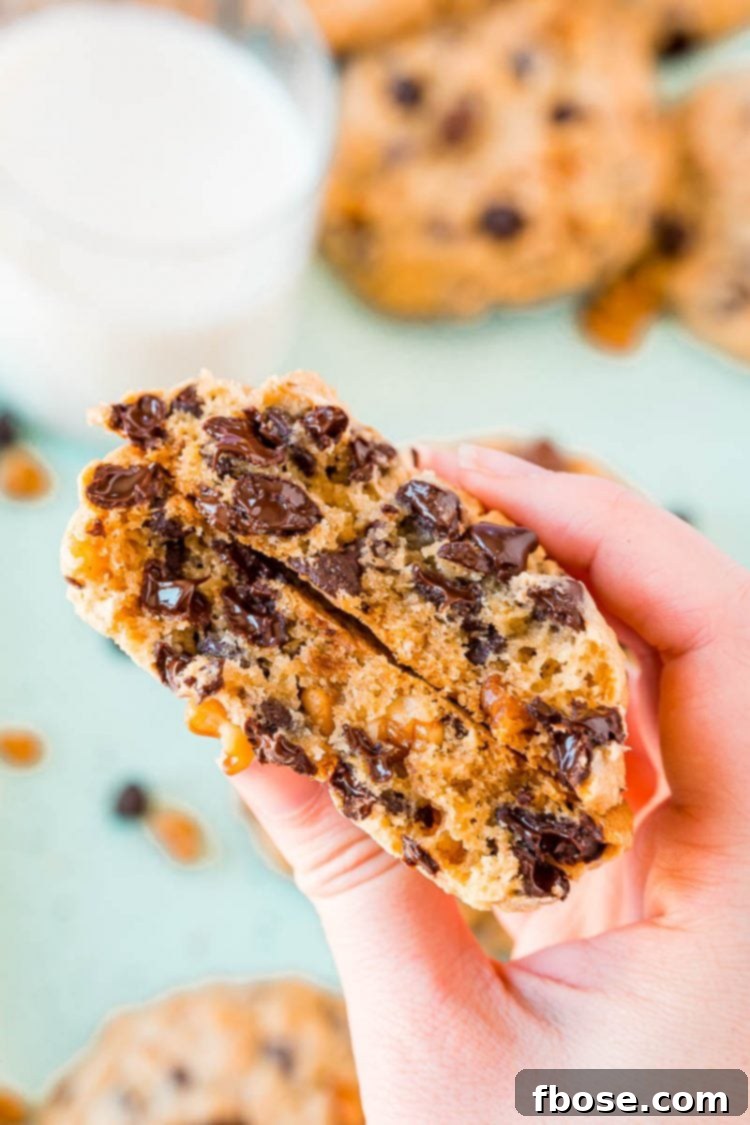
These are truly BIG, thick, and satisfyingly chewy cookies. While many cookie recipes aim for similar qualities, the DoubleTree cookie possesses a unique lightness and tenderness that sets it apart. Unlike some dense, bakery-style chocolate chip cookies, these manage to be substantial without feeling heavy, offering a delightful bite every time. This remarkable balance is a testament to the meticulous process and specific ingredient interactions within the recipe.
Many have long speculated about the unique factors contributing to the DoubleTree cookie’s extraordinary appeal. Having delved deep into the official recipe and experienced the baking process firsthand, it’s clear that the magic lies not just in the high-quality ingredients, but crucially, in the precise timing and method of preparation. Every step plays a vital role in achieving that signature chewiness, the perfect rise, and the unforgettable flavor profile. Get ready to master the art of the DoubleTree cookie with our detailed, easy-to-follow instructions.

Decoding the DoubleTree Cookie: The Key Ingredients
At first glance, the ingredients for these remarkable oatmeal chocolate chip cookies appear to be standard baking fare: all-purpose flour, granulated sugar, light brown sugar, salt, baking soda, semi-sweet chocolate chips, rolled oats, ground cinnamon, vanilla extract, large eggs, and chopped walnuts. However, it’s the thoughtful combination and the inclusion of a seemingly small detail that truly elevates this recipe: a delicate touch of fresh lemon juice.
Each component plays a crucial role. The blend of granulated and brown sugars contributes to both crispness at the edges and a moist, chewy interior, while the brown sugar adds a deeper, molasses-rich flavor. Rolled oats provide a pleasant texture and subtle heartiness, distinguishing these from purely flour-based cookies. The cinnamon introduces a warm, inviting spice that complements the chocolate and walnuts beautifully. But the true game-changer, the secret ingredient, is that hint of lemon juice. It reacts synergistically with the baking soda, creating a perfect acidic balance that not only aids in leavening, ensuring a gentle rise, but also contributes to the cookies’ characteristic chewy texture and a bright, nuanced flavor that lingers delicately on the palate. This small addition makes a world of difference, transforming a good cookie into an extraordinary one.

Crafting Perfection: Step-by-Step DoubleTree Cookie Baking
The true mastery behind the DoubleTree cookie isn’t just in its ingredients, but profoundly in its precise preparation method. This recipe emphasizes careful timing and technique, especially during the mixing stages, which are vital for achieving the signature texture. It requires a commitment to mixing for specific durations – nearly five minutes in total – so resist the urge to rush or over-mix. Using a timer, perhaps even your phone’s stopwatch, will ensure each step is executed flawlessly and your cookies turn out perfectly every time.
Step 1: Achieving the Perfect Creamed Base
Begin by creaming the softened unsalted butter with both granulated sugar and packed light brown sugar. This crucial step should take approximately 2 minutes on medium speed in a stand mixer fitted with a paddle attachment. The goal here is to incorporate air into the mixture, transforming it into a super pale, light, and fluffy consistency. This aeration is fundamental for the cookie’s final texture, contributing to its tender crumb and preventing a dense result. Don’t underestimate the power of thorough creaming!
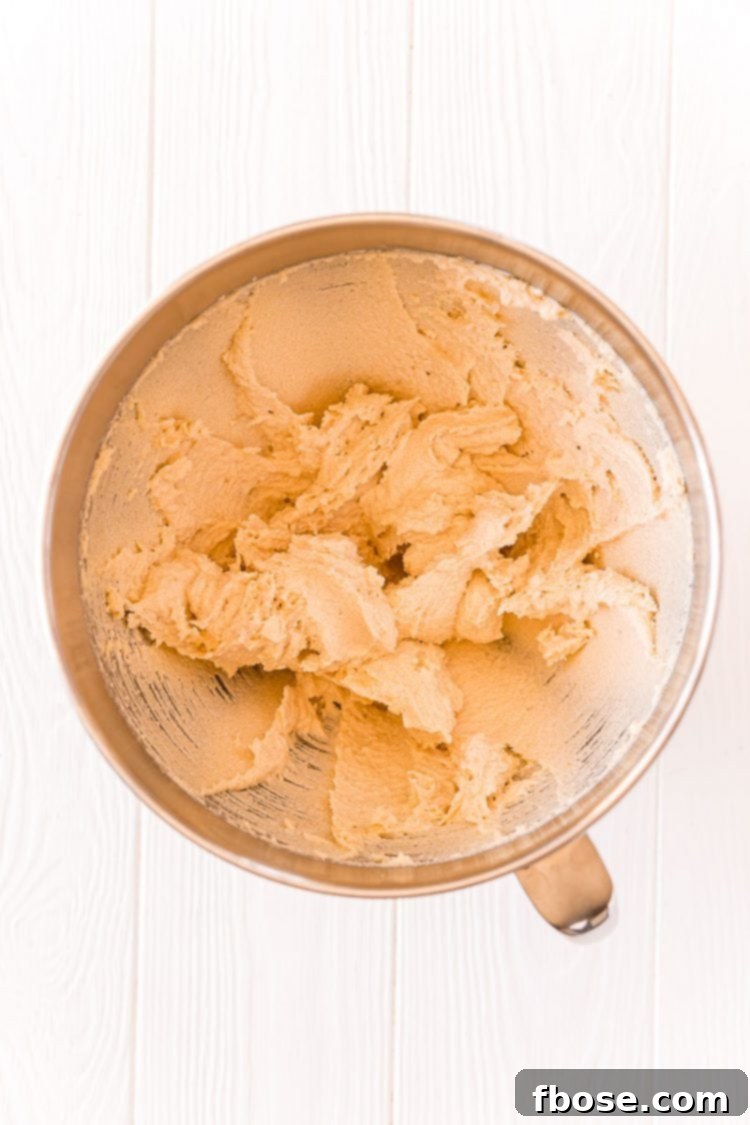
Step 2: Incorporating Wet Ingredients with Care
With your mixer still running, but at a low speed, gradually add the large eggs one at a time, followed by the vanilla extract and, most importantly, the fresh lemon juice. Continue mixing for about 30 seconds on low, then increase to medium speed for approximately 2 minutes, or until the mixture becomes notably light and fluffy. It’s essential to pause and scrape down the sides of the bowl as needed to ensure all ingredients are uniformly combined. The lemon juice, as mentioned, is key here; it will interact with the baking soda later to provide the perfect lift and characteristic chewiness.
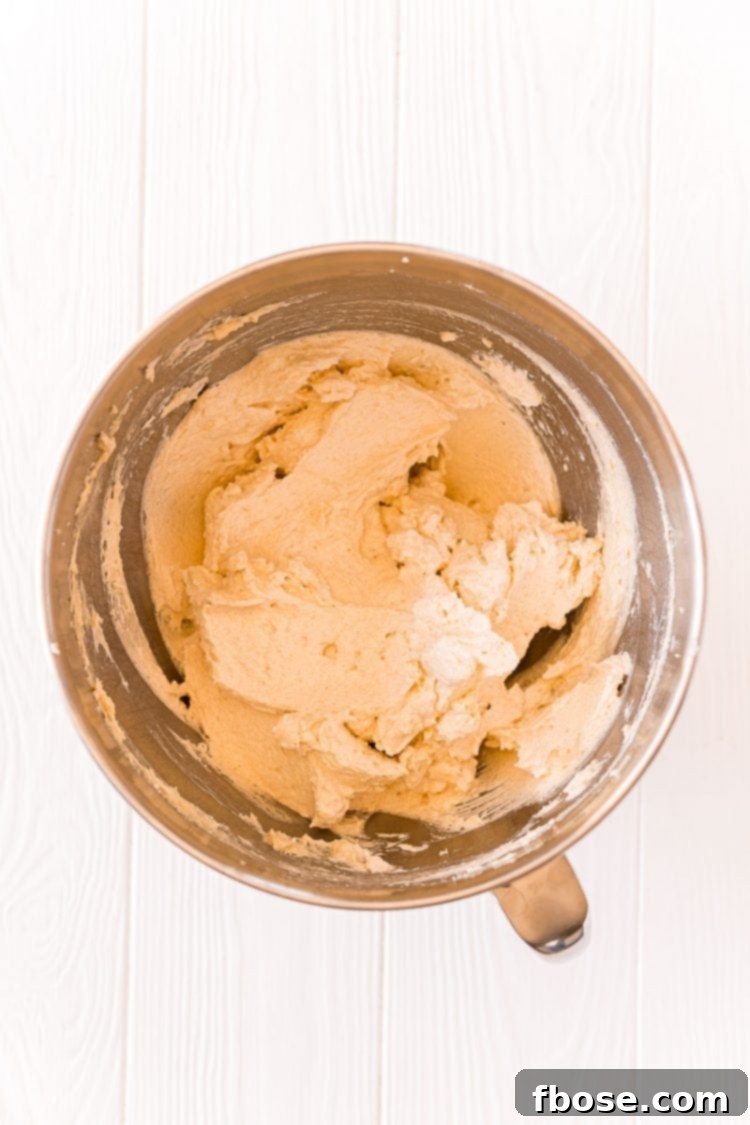
Step 3: Preparing and Adding Dry Ingredients
In a separate, medium-sized mixing bowl, combine all your dry ingredients: the all-purpose flour, rolled oats, baking soda, kosher salt, and ground cinnamon. Whisk these together thoroughly. This step, while not explicitly detailed in some truncated versions of the official recipe, is a best practice in baking. It ensures that the leavening agents and flavorings are evenly distributed throughout the dry mixture, preventing pockets of unmixed ingredients and guaranteeing uniform rise and taste in every cookie. Once combined, with your stand mixer on low speed, slowly add the flour mixture to the wet ingredients and continue mixing for approximately 45 seconds. Be careful not to overmix at this stage; overworking the dough can lead to tougher cookies.
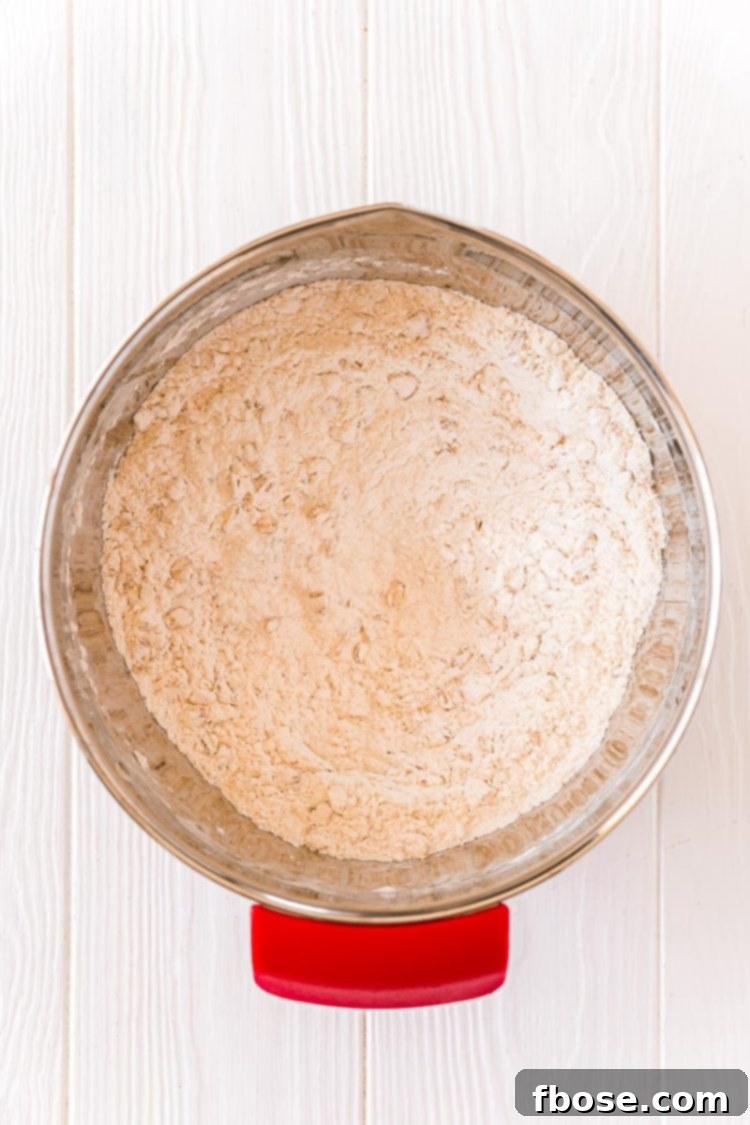
Step 4: Gently Folding in the Goodies
Once the dough is just combined, remove the bowl from the stand mixer. This next step is crucial for maintaining the dough’s tender texture: gently fold in the semi-sweet chocolate chips and chopped walnuts by hand using a rubber spatula. Avoid using the electric mixer for this, as it can easily overmix the dough, leading to a tougher cookie. Hand-folding ensures the chocolate and nuts are evenly distributed without overworking the gluten in the flour. Feel free to use your favorite brand of chocolate chips, but Nestle Tollhouse semi-sweet chips are a classic choice for a reason!
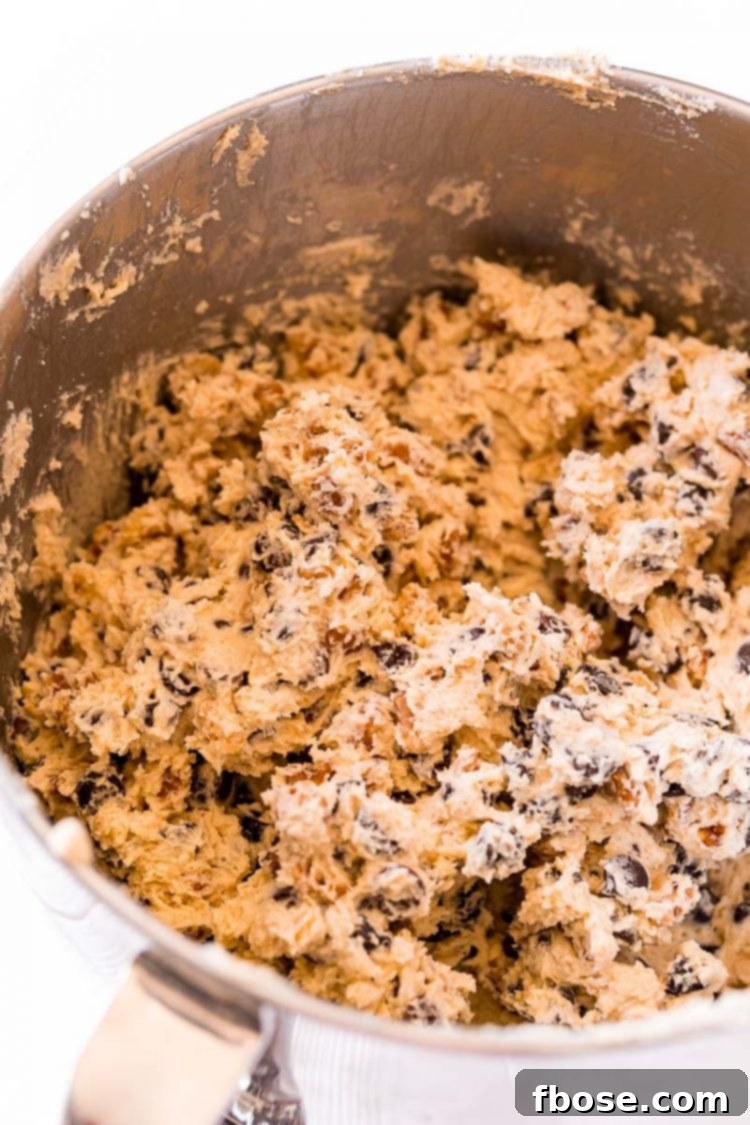
Step 5: Perfect Portioning for Even Baking
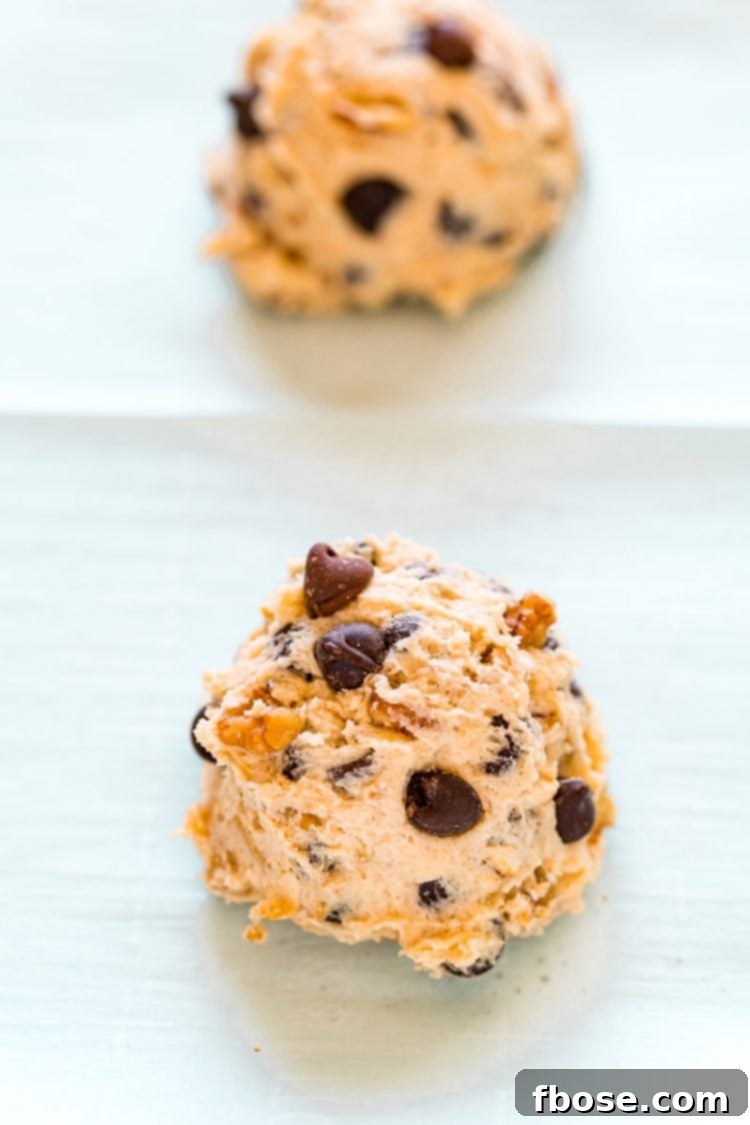
Using a large cookie scoop, which typically holds about 3 tablespoons of dough, portion out the dough onto baking sheets lined with parchment paper. Aim to place each cookie dough ball approximately 2 inches apart to allow for proper spreading during baking. Consistent sizing is important here for uniform baking, ensuring every cookie achieves that ideal DoubleTree finish. Parchment paper is also key, preventing sticking and making cleanup a breeze.
Step 6: The Low and Slow Bake & Essential Cooling Period
Bake the cookies in your preheated 300°F oven for 20 to 23 minutes. The lower baking temperature is intentional; it allows the cookies to bake through slowly, developing that perfect chewy texture without becoming overly crispy too quickly. Look for edges that are golden brown while the centers still appear soft. Once baked, this is perhaps the most critical step for achieving the signature DoubleTree chew: allow the cookies to cool completely on the baking sheet for a full 1 hour. This extended cooling period on the warm pan allows the cookies to set properly, firming up and locking in that delightful chewiness. Resisting the urge to move them too soon is paramount for the authentic experience!
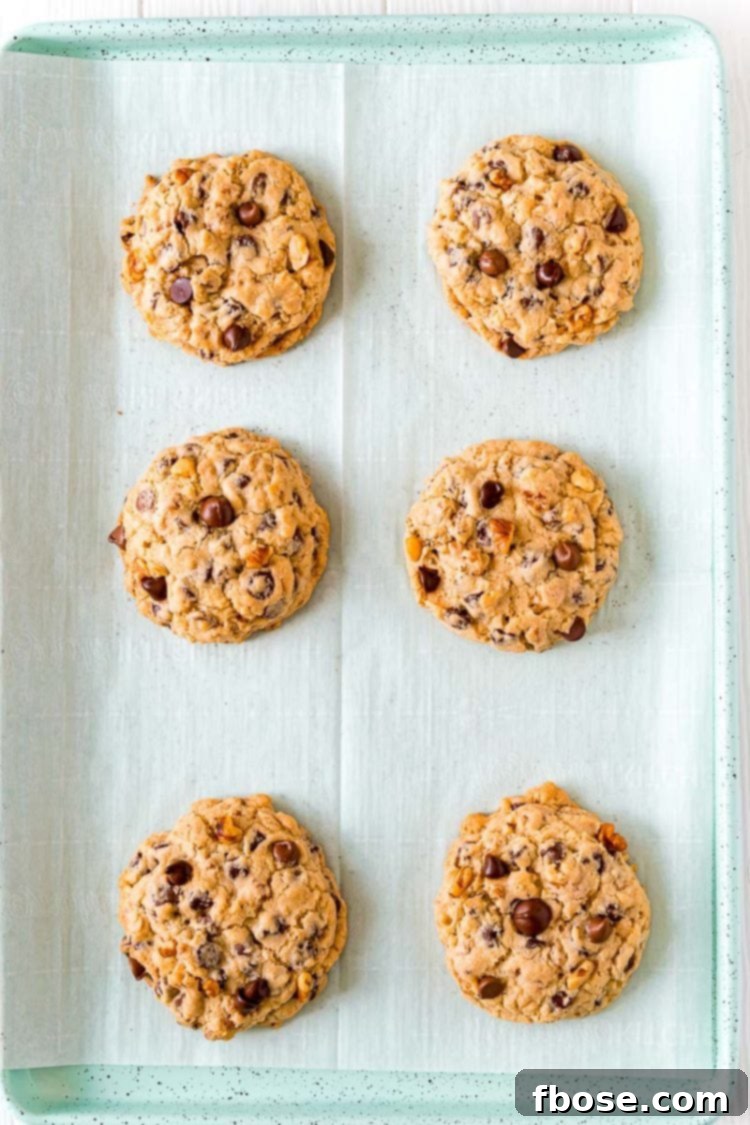
Did you know? DoubleTree Hotels globally serve over 30 million of these beloved cookies every year! While our home recipe won’t yield quite that many, a single batch, using a large cookie scoop, typically produces around 20 generously sized cookies. This recipe is perfect for sharing, or for enjoying over several days. Personally, I like to bake half of the batch right away for immediate gratification and freeze the other half of the dough for future cravings, ensuring warm, fresh cookies are always just a bake away!
Maximizing Freshness: How to Freeze DoubleTree Cookies and Dough
One of the fantastic aspects of this official DoubleTree cookie recipe is its freezer-friendliness, allowing you to enjoy fresh-baked cookies whenever the craving strikes, without the full effort each time. There are two excellent methods for freezing, depending on your preference:
Freezing Unbaked Cookie Dough
If you prefer the taste of a freshly baked cookie straight from the oven, freezing the dough is your best bet. Simply portion out the cookie dough using your large cookie scoop onto a baking sheet lined with parchment paper. Place the entire baking sheet into the freezer until the dough balls are solid, typically about 1-2 hours. Once frozen solid, transfer these individual cookie dough balls into an airtight freezer bag or container. This prevents them from sticking together and allows you to bake just one or a few at a time. When ready to bake, there’s no need to thaw! Preheat your oven to 300°F as usual, place the frozen dough balls on a parchment-lined baking sheet, and add a few additional minutes to the standard cook time (usually 25-28 minutes) until the edges are golden and the center is set but still soft. You’ll have warm, gooey cookies ready in no time!
Freezing Baked Cookies
For ultimate convenience, you can also freeze baked DoubleTree cookies. First, ensure the cookies have cooled completely to room temperature. This is crucial to prevent ice crystals from forming and making them soggy. Once cool, place them in a single layer on a baking sheet and flash freeze for about 30 minutes to firm them up. Then, transfer the frozen cookies into an airtight freezer bag or container, pressing out as much air as possible before sealing. They can be stored for up to 3 months. When you’re ready to enjoy them, you can thaw them at room temperature for an hour, or gently rewarm them in a 275°F oven for 5-10 minutes for that “just baked” experience.
Tips for Baking Your Best DoubleTree Cookies
While the official recipe is straightforward, a few expert tips can elevate your homemade DoubleTree cookies from good to absolutely phenomenal:
- Room Temperature Ingredients: Ensure your butter and eggs are at room temperature. This allows for proper emulsification and aeration during mixing, leading to a smoother, more uniform dough and better texture in the final cookie.
- Measure Accurately: Baking is a science! Especially with flour, it’s best to weigh your ingredients if possible, or use the spoon-and-level method (spoon flour into measuring cup, then level off with a straight edge) rather than scooping directly from the bag, which can compact the flour and lead to too much dry ingredient.
- Don’t Skimp on the Cooling: The one-hour cooling period on the baking sheet is non-negotiable for achieving that iconic chewy texture. The residual heat from the pan continues to cook the cookies gently and allows them to set properly.
- Quality Chocolate and Walnuts: Since these are prominent ingredients, choose high-quality semi-sweet chocolate chips and fresh, good-tasting walnuts. This will significantly impact the overall flavor.
- Don’t Overbake: The key to chewy cookies is pulling them from the oven when the edges are set and golden but the centers still look slightly soft and underdone. They will continue to bake on the hot sheet.
- The Power of Lemon: While it might seem like a small amount, don’t omit the lemon juice. It’s the secret weapon for the perfect balance of flavor and helps with the tender texture.
More Delectable Cookie Recipes to Explore
If you’ve fallen in love with homemade cookies after mastering the DoubleTree recipe, there’s a whole world of delicious possibilities waiting for you. Expand your baking repertoire with these other fantastic cookie recipes:
- Classic No Bake Cookies: Quick, easy, and satisfyingly fudgy – perfect when you need a chocolate fix without turning on the oven.
- Chocolate Chip Cookie Bars: All the joy of chocolate chip cookies, but in an easy-to-make bar form, ideal for parties or quick slicing.
- Cowboy Cookies: A hearty, wholesome, and incredibly flavorful cookie packed with oats, chocolate chips, coconut, and pecans.
- S’mores Cookies: Recreate the campfire classic in cookie form, complete with gooey marshmallow, melted chocolate, and graham cracker goodness.
DoubleTree Cookies: Your New Favorite Homemade Treat
Pin This Recipe For Later
Craving these irresistible cookies? Click the button above to save this delicious, official DoubleTree Cookie recipe to your Pinterest board and bake them whenever you wish!
Connect With Us!
We love seeing your culinary creations! If you’ve tried this fantastic official DoubleTree Cookie recipe, please don’t hesitate to share your experience. Let us know how much you enjoyed it in the comments section below and leave a review – your feedback truly brightens our day!
And don’t forget to tag us – @sugarandsoulco – on Instagram and Pinterest with your beautiful photos of these iconic cookies. Join our vibrant Sugar & Soul Show-offs Community on Facebook, where you can connect with fellow bakers, share your results, and even participate in our exciting recipe challenges! We can’t wait to see your warm, chewy DoubleTree cookies!

Doubletree Cookies
Ingredients
- 1 cup unsalted butter, softened
- ¾ cup + 1 tablespoon granulated sugar
- ¾ cup packed light brown sugar
- 2 large eggs, at room temperature
- 1¼ teaspoons vanilla extract
- ¼ teaspoon freshly squeezed lemon juice
- 2¼ cups all-purpose flour
- ½ cup rolled oats
- 1 teaspoon baking soda
- 1 teaspoon kosher salt
- ⅛ teaspoon ground cinnamon
- 2⅔ cups Nestle Tollhouse semi-sweet chocolate chips
- 1¾ cups chopped walnuts
Instructions
-
Preheat your oven to a precise 300°F (150°C). Line a large baking pan with parchment paper. This parchment paper is crucial for preventing sticking and ensuring easy removal of your freshly baked cookies. Set the prepared pan aside.
-
In the bowl of a stand mixer fitted with a paddle attachment, add the softened unsalted butter, granulated sugar, and packed light brown sugar. Cream these ingredients together on medium speed for a full 2 minutes. This step is vital for incorporating air and achieving a light, fluffy, and noticeably pale mixture, which contributes to the cookies’ tender texture.
-
Reduce the mixer speed to low. Add the room temperature eggs one at a time, followed by the vanilla extract and the freshly squeezed lemon juice. Beat on low speed for 30 seconds to incorporate. Then, increase to medium speed and beat for another 2 minutes, until the mixture is light and fluffy. Remember to stop and scrape down the sides and bottom of the bowl as needed to ensure everything is thoroughly combined.
-
In a separate medium bowl, combine the all-purpose flour, rolled oats, baking soda, kosher salt, and ground cinnamon. Whisk these dry ingredients together vigorously for about 30 seconds to ensure they are evenly distributed, especially the leavening agents and spices.
-
With the mixer on its lowest speed, gradually add the whisked dry flour mixture to the wet butter mixture. Continue mixing for approximately 45 seconds, just until the ingredients are combined and no streaks of dry flour remain. Be careful not to overmix at this stage, as it can develop the gluten too much and result in tough cookies.
-
Remove the bowl from the mixer. Using a rubber spatula, gently fold in the semi-sweet chocolate chips and chopped walnuts by hand. This gentle folding technique prevents crushing the mix-ins and, more importantly, avoids overworking the cookie dough, which can happen easily with an electric mixer.
-
Using a large cookie scoop (approximately 3 tablespoons), portion out the dough onto your prepared parchment-lined baking sheet. Ensure there is about 2 inches of space between each dough ball to allow for proper spreading during baking. This uniform portioning also helps ensure even baking for every cookie.
-
Bake the cookies for 20 to 23 minutes. The baking time may vary slightly depending on your oven, so keep an eye on them. The cookies are ready when the edges are beautifully golden brown and the centers still appear slightly soft – they will continue to set as they cool.
-
Once out of the oven, resist the urge to move them immediately! This is a crucial step for achieving the perfect chewy texture. Allow the cookies to cool completely on the baking sheet for about 1 hour. This extended cooling period allows the cookies to finish setting and develop their signature chewiness.
Notes
- You can freeze the unbaked cookie dough balls as described above. There’s no need to thaw them before baking. Simply preheat your oven to 300°F (150°C), place the frozen cookie dough on a parchment paper-lined baking sheet about 2 inches apart. Bake until the edges are golden brown and the center is still soft, which will take a few minutes longer than baking fresh dough, typically 25-28 minutes.
- For a warm, freshly baked taste from frozen baked cookies, allow them to thaw at room temperature for 30-60 minutes, then rewarm in a 275°F (135°C) oven for 5-10 minutes.
Nutrition
Did You Make This Recipe?
Don’t forget to share it with me on Instagram @sugarandsoulco and follow on Tiktok @sugarandsoulco and Pinterest @sugarandsoulco for more!
Pin Recipe
Share Recipe