
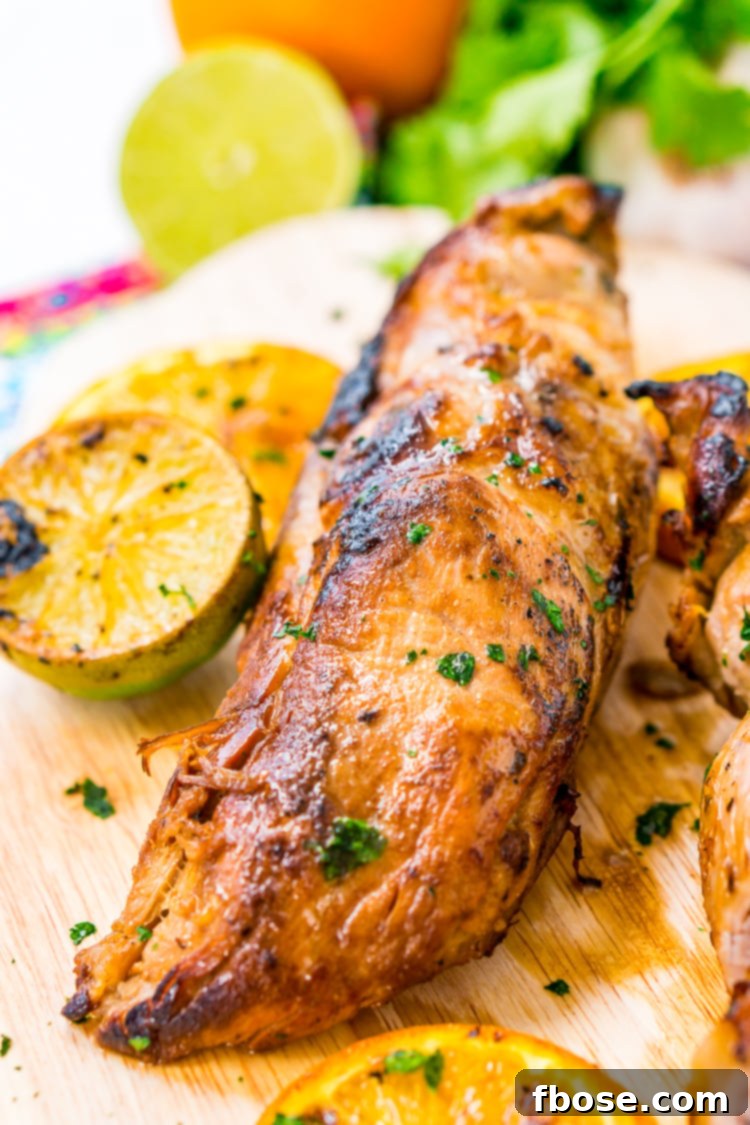
Cuban Mojo Pork Tenderloin is a culinary delight that promises an explosion of vibrant flavors with surprising ease. This recipe transforms humble pork tenderloin into a succulent centerpiece, marinated to perfection in a zesty blend of freshly squeezed orange and lime juices, aromatic crushed garlic, fragrant minced cilantro, earthy cumin, and perfectly balanced salt and pepper. It’s not just a meal; it’s an experience, bringing the authentic taste of Cuba straight to your kitchen table with minimal fuss and maximum flavor.
Whether you’re crafting an iconic Cuban Sandwich, where this pork is an indispensable ingredient, or serving it simply alongside a bed of fluffy rice or traditional black beans, this Mojo Pork tenderloin offers versatility and undeniable deliciousness. Prepare to impress your family and friends with a dish that’s both deeply flavorful and incredibly simple to execute, making it an ideal choice for any occasion, from busy weeknights to leisurely weekend gatherings.
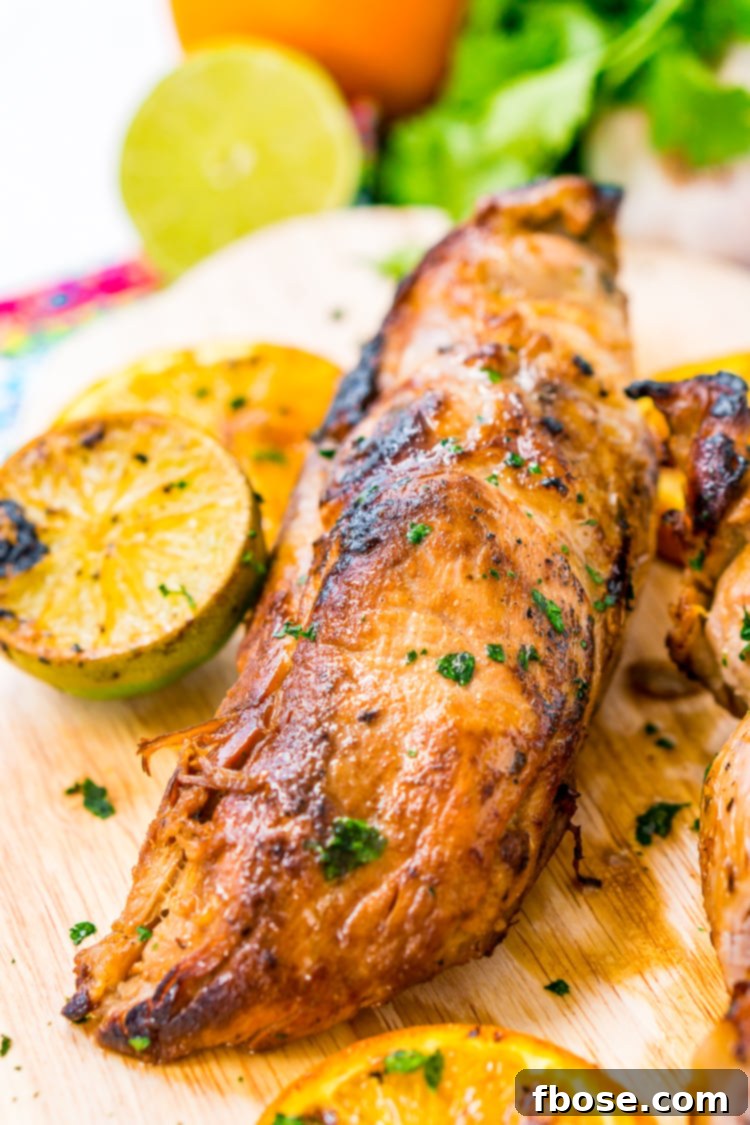
Cuban Mojo Pork, particularly when made with pork tenderloin, quickly becomes a treasured family favorite. The magic truly lies in its marinade – a potent concoction that infuses the meat with bright, tangy citrus notes, the pungent kick of garlic, the herbaceous freshness of cilantro, and the warm, earthy depth of spices. While often associated with slow-cooked, tougher cuts, this tenderloin adaptation streamlines the process, delivering that signature Mojo flavor profile in a fraction of the time.
Marinades are culinary powerhouses, capable of tenderizing tougher cuts of meat and layering them with profound flavor. The acids within citrus juices, for example, work to break down muscle fibers, while salt helps the meat retain moisture, resulting in a more succulent and enjoyable texture. Spices and herbs then weave their way into the meat, transforming a simple protein into a complex and aromatic dish. This process, traditionally applied to larger, more economical cuts like pork shoulder, proves equally effective and even more efficient with the naturally tender and quicker-cooking pork tenderloin.
Choosing pork tenderloin for your Cuban Mojo Pork is a deliberate decision that marries traditional flavors with modern convenience. While a classic pork shoulder yields a rich, shreddable result ideal for large gatherings, the tenderloin offers a more refined texture and dramatically reduced cooking time. It’s an excellent option for those who crave authentic Cuban flavors without the extensive preparation typically required for larger roasts. This choice allows for a delicious, gourmet-quality meal that fits seamlessly into a busy schedule, proving that exceptional flavor doesn’t always demand endless hours in the kitchen.
Exploring the Essence of Cuban Mojo Pork
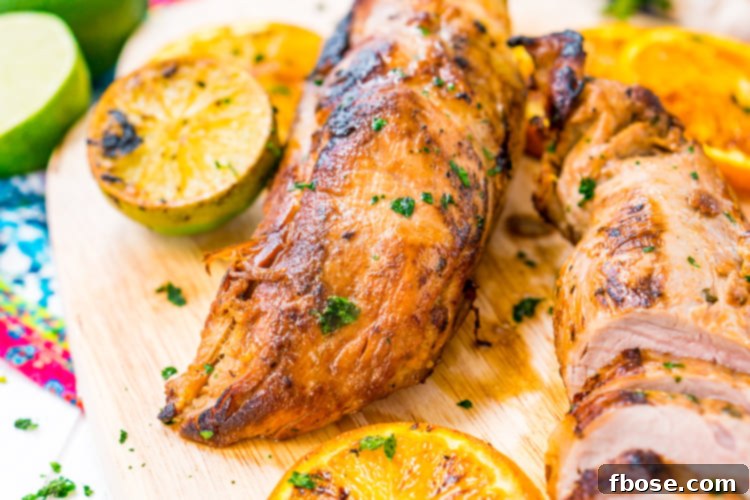
At its heart, Mojo Pork is more than just a dish; it’s a cornerstone of Cuban cuisine, deeply embedded in the island’s culinary identity. “Mojo” (pronounced “MO-ho”) refers to a specific type of sauce or marinade, typically made with garlic, olive oil, and a sour citrus like bitter orange (naranja agria). This vibrant marinade is crucial for infusing pork with its characteristic tangy, garlicky, and incredibly savory flavor. Traditionally, Cuban Mojo Pork is prepared with a whole pork shoulder (also known as “pernil”), slow-roasted until it’s fall-apart tender and incredibly flavorful, a process often reserved for holidays or significant family gatherings.
This recipe, however, offers a brilliant modern twist, utilizing pork tenderloin instead of the traditional shoulder. This adaptation is driven by a few practical, yet impactful, reasons that make it perfect for the home cook seeking authentic taste without the commitment of a multi-day culinary project:
Optimized for Scale and Convenience
The primary advantage of using pork tenderloin is its manageable size. A full pork shoulder can easily weigh 8-10 pounds, yielding a substantial amount of meat, often more than a small family needs for a single meal. While leftovers are certainly a bonus, sometimes you crave that incredible Cuban flavor without committing to a week’s worth of the same dish. Pork tenderloin, typically weighing 1 to 1.5 pounds, provides a perfectly portioned meal for a smaller group, significantly reducing potential waste and allowing for variety in your weekly menu. It’s about enjoying the rich flavors of a Cuban classic on your own terms, without the need for a massive roast.
Time-Efficient Flavor Infusion
Beyond scale, time is a critical factor. To truly “get a pork shoulder right,” it often requires an overnight, or even longer, marinade to allow the robust flavors to penetrate deep into the dense muscle. The cooking time itself can stretch for many hours. With pork tenderloin, a relatively thinner and less dense cut, the magic happens much faster. Its smaller circumference and fine grain allow the acidic and aromatic marinade to work its wonders more efficiently. This means you can decide on a whim in the morning that you want Cuban Mojo Pork for dinner, and be savoring it that very evening. This accelerated marinating and cooking process makes this a fantastic option for a flavorful weeknight meal, delivering tender, juicy results in a fraction of the traditional time.
Versatility in Serving
Finally, pork tenderloin offers unparalleled versatility. While it shines as a key component in a pressed Cuban sandwich, its tender texture and exquisite flavor profile make it equally delightful as a standalone entree. You can easily slice it, serve it with a fork and knife, and pair it with a variety of sides like pan-fried asparagus, plantains, or a simple rice and bean combo. This dual functionality means you can enjoy a sophisticated “Citrus Marinated Pork Tenderloin” for dinner one night, and then repurpose any delightful leftovers into gourmet Cuban sandwiches the next day. It’s a win-win for anyone who appreciates both convenience and deliciousness.
Crafting the Perfect Cuban Mojo Marinade
The heart and soul of our Cuban Mojo Pork lies in its sensational marinade. Creating this flavor-packed mixture is straightforward and incredibly rewarding. Here’s how to whip up a quick and truly impactful Mojo marinade:
Step-by-Step Marinade Preparation
- Citrus Base: Begin by juicing eight fresh limes and two oranges into a medium-sized bowl. The combination of lime’s sharp tang and orange’s subtle sweetness creates a perfectly balanced acidic foundation for the marinade. If you can find bitter oranges (naranja agria), they are the traditional choice and will elevate the authentic flavor even further, but regular oranges work wonderfully.
- Garlic Prep: Next, prepare an entire bulb of garlic. For speed and efficiency, place the whole bulb on a cutting board. With the heel of your hand, press down firmly and rock forward to separate the cloves. Then, take each individual clove, place the flat side of a knife over it, and press down again, but more gently. This action easily loosens the peel, making it simple to remove, and slightly crushes the garlic, releasing its pungent oils. Add all the crushed garlic to your citrus juice bowl.
- Herbaceous Freshness: Stir in a quarter cup of freshly chopped cilantro. Cilantro provides a distinctive, bright, and herbaceous note that is quintessential to Cuban flavors.
- Spice and Seasoning: Finally, whisk in one tablespoon of ground cumin, half a tablespoon of kosher salt, and half a teaspoon of ground black pepper. These spices add warmth, depth, and a savory backbone to the vibrant citrus and garlic. Incorporate half a cup of olive oil into the mixture, which helps to emulsify the marinade and carry the fat-soluble flavors into the pork.
- Container for Marinating: Once thoroughly whisked, transfer the marinade into a gallon-sized resealable plastic bag. These bags are ideal for ensuring the tenderloin is fully submerged and evenly coated in the marinade. A handy “Baggy Rack” (or similar stand) can be incredibly useful here, keeping the bag open and stable while you pour, preventing any messy spills.
A Note on Cilantro
Some Mojo aficionados might question the conservative amount of cilantro in this recipe. And that’s perfectly understandable! Cilantro is a polarizing herb, beloved by many for its bright, distinctive aroma, and disliked by others who perceive it as soapy. If you are among those who absolutely adore the aromatic power of cilantro, feel free to double or even triple the dose. There are no “herb police” here to enforce strict rules. However, for a balanced flavor profile that allows the citrus and sour notes to truly shine as the primary accompanying flavors to the pork, a quarter cup provides just the right touch without overpowering the dish. Ultimately, whether you go bold or subtle with your cilantro, the end result will be a piece of incredibly tender, juicy, and flavor-packed pork tenderloin that is sure to please.
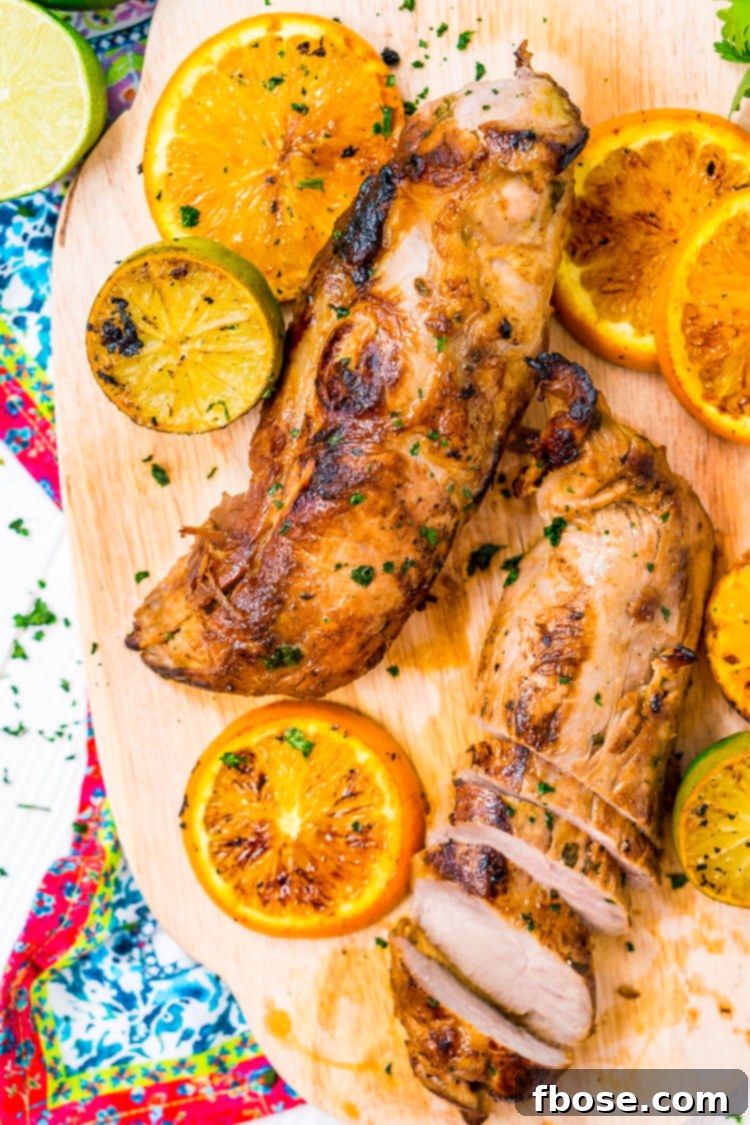
Mastering the Art of Cooking Cuban Mojo Pork Tenderloin
Once your pork tenderloin has soaked up all the incredible flavors of the Mojo marinade, it’s time to bring it to delicious perfection. The cooking process involves a quick sear on the stovetop followed by roasting in the oven, ensuring a beautifully browned exterior and a perfectly cooked, juicy interior.
Marinating for Maximum Flavor
After preparing your rich Mojo marinade, carefully place the pork tenderloin into the plastic bag, ensuring it’s fully submerged. If you have sliced oranges, add those to the bag as well for an extra citrusy punch. Seal the bag, removing as much air as possible, and refrigerate for at least six hours. While six hours will infuse a significant amount of flavor and tenderness, allowing it to marinate overnight (for 10-12 hours) will yield even deeper, more complex results, taking it about 90% of the way to traditional slow-roasted Mojo flavor in a fraction of the time.
Searing to Perfection
When the marinating time is complete, remove the tenderloin from the refrigerator and let it come closer to room temperature for about 30 minutes. This promotes more even cooking. Preheat your oven to 350°F (175°C). Next, grab a sturdy cast-iron pan – its ability to retain and distribute heat evenly is ideal for this recipe. Add the remaining ¼ cup of olive oil to the pan and bring it up to medium-high heat on your stovetop. You want the oil shimmering but not smoking. Carefully place the marinated tenderloin into the hot pan. Allow it to sear for approximately 60 seconds on each side, or until a beautiful golden-brown crust forms. This searing step is crucial; it locks in juices and develops the rich, savory flavors through the Maillard reaction, adding incredible depth to the exterior of the pork.
Oven Roasting for Tenderness
After you’ve achieved a nice crust on all sides (usually after three turns), remove the pan from the stovetop. This is where your secret weapon, a wired probe thermometer, comes into play. Insert the probe into the thickest part of the tenderloin, ensuring it doesn’t touch any bone (if applicable) or go all the way through. Set the thermometer to an internal temperature of 145°F (63°C). Transfer the entire cast-iron pan, with the tenderloin and thermometer, directly into your preheated oven. It typically takes about an hour to reach the desired internal temperature, but cooking times can vary based on the thickness of your tenderloin and your oven’s calibration. Cooking pork tenderloin to 145°F (63°C) ensures it remains wonderfully juicy and tender, with a slight hint of pink in the center, which is perfectly safe according to USDA guidelines.
The Critical Rest Period
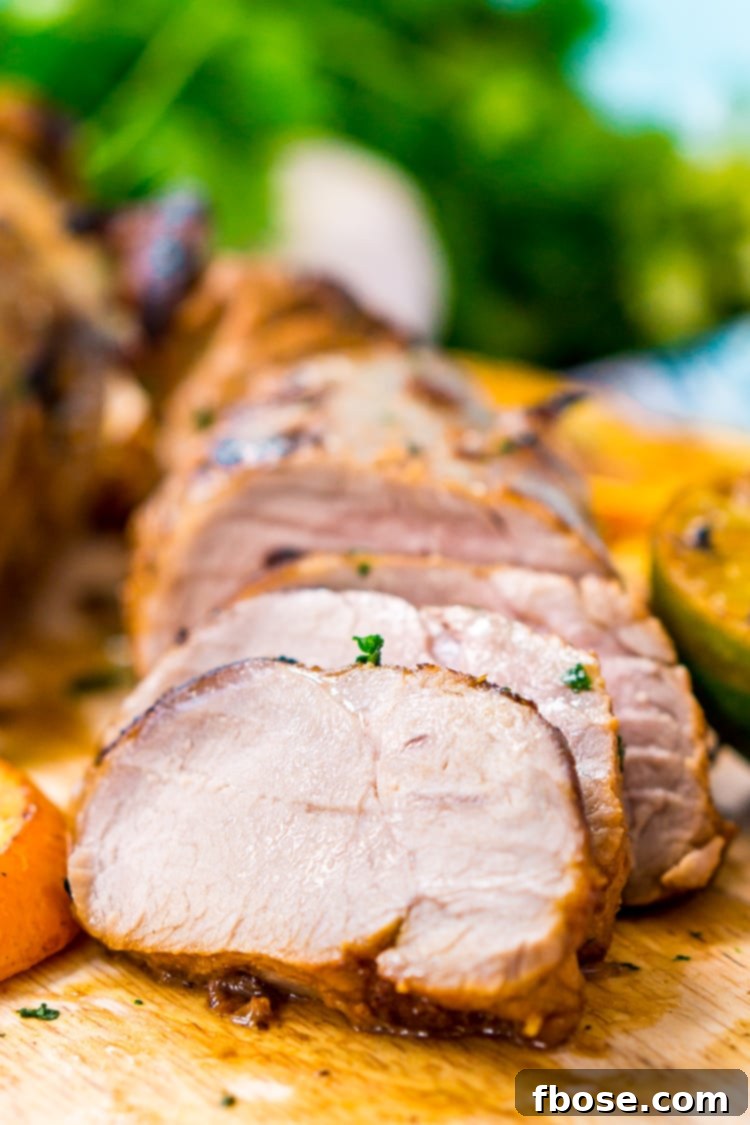
Once the thermometer signals that the pork has reached 145°F (63°C), remove the pan from the oven. This next step is absolutely critical: allow the tenderloin to rest for at least 15 minutes before slicing. Tent it loosely with foil if you wish. This resting period allows the juices within the meat to redistribute throughout the muscle fibers, resulting in a significantly juicier and more tender final product. Slicing too early will cause those delicious juices to run out onto your cutting board, leaving you with drier meat. After resting, slice against the grain into medallions or thicker pieces, ready to serve and enjoy.
Why a Probe Thermometer is Essential
If you don’t already own a wired probe thermometer with a magnetic back, now is the perfect time to invest in one. These kitchen gadgets are incredibly affordable and truly indispensable, especially when cooking larger cuts of meat. A good probe thermometer eliminates all the guesswork and stress from cooking, providing real-time internal temperature readings. This means you’ll know *exactly* when your meat has reached its perfect doneness, preventing both dangerous undercooking and flavor-sapping overcooking. Without one, you risk serving an undercooked roast or a dry, overcooked piece of meat that has lost all its precious juices. It’s the ultimate tool for consistent, perfectly cooked results every single time.
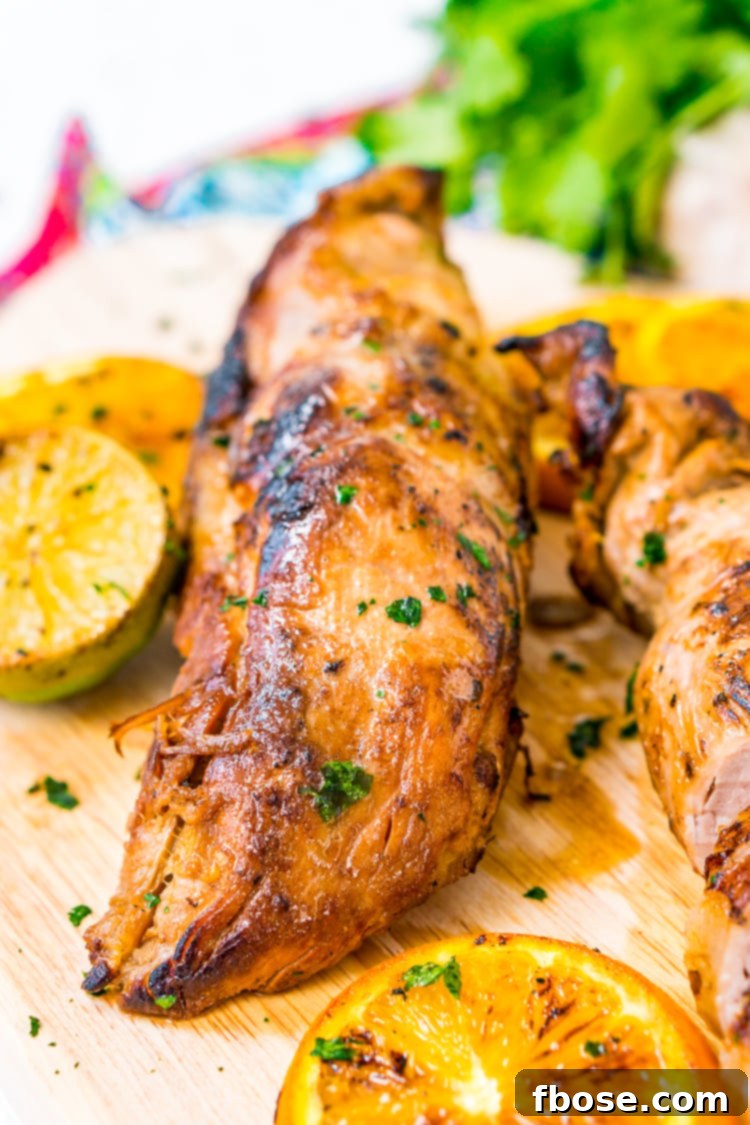
Delicious Side Dishes and Serving Suggestions
Cuban Mojo Pork Tenderloin is incredibly versatile and pairs beautifully with a variety of classic Cuban and complementary side dishes. While it’s famously the star of a Cuban sandwich, it also shines brightly as a standalone entrée. Here are some ideas to complete your meal:
- Cuban Sandwiches: The quintessential pairing! Thinly slice the tenderloin and layer it with ham, Swiss cheese, pickles, and mustard on Cuban bread, then press it until golden and melty.
- Yellow Rice or White Rice: A simple yet satisfying accompaniment. The plainness of the rice allows the vibrant flavors of the pork to truly stand out.
- Black Beans: Traditional Cuban black beans (frijoles negros) are a must-have. Their rich, savory depth complements the citrusy pork perfectly.
- Fried Plantains (Tostones or Maduros): Crispy tostones (green plantains) or sweet maduros (ripe plantains) offer wonderful textural and flavor contrasts.
- Yuca con Mojo: Boiled or fried yuca (cassava) drizzled with extra Mojo sauce creates an authentic and delicious side.
- Simple Green Salad: A light, refreshing salad with a vinaigrette dressing can cut through the richness of the pork and cleanse the palate.
- Roasted Asparagus or Green Beans: Pan-fried or roasted vegetables add a healthy and colorful element to your plate.
Storage and Leftovers
One of the best things about Cuban Mojo Pork is that it tastes even better the next day! Properly stored, leftovers are fantastic for quick meals.
- Refrigeration: Allow the cooked pork to cool completely, then slice it or keep it whole. Store in an airtight container in the refrigerator for up to 3-4 days.
- Freezing: For longer storage, wrap individual portions tightly in plastic wrap and then aluminum foil, or place in freezer-safe bags. It can be frozen for up to 2-3 months. Thaw overnight in the refrigerator before reheating.
- Reheating: Gently reheat sliced pork in a skillet with a splash of chicken broth or water to prevent drying out. You can also warm it in the oven at a low temperature (around 275°F/135°C) until heated through. Avoid over-reheating, which can make the tenderloin tough.
- Leftover Ideas: Beyond Cuban sandwiches, consider using leftover Mojo pork in tacos, quesadillas, rice bowls, or even chopped into a hearty salad.
Frequently Asked Questions (FAQs) About Cuban Mojo Pork
Q: Can I use a different cut of pork?
A: While this recipe specifically highlights pork tenderloin for its speed and tenderness, you can certainly adapt the Mojo marinade for other cuts. Pork loin can be used, though it’s leaner and might require slightly adjusted cooking times to prevent drying. If you prefer the traditional, shreddable texture, a pork shoulder (Boston butt or picnic roast) is ideal, but be prepared for a longer marinating time (at least 24 hours) and a much longer cooking time (often 4-8 hours, depending on size, until fork-tender).
Q: What if I can’t find bitter oranges?
A: Bitter oranges (naranja agria) are traditional for Mojo but can be hard to find outside of specialty Latin markets. A perfect substitute, as used in this recipe, is a combination of fresh orange juice and fresh lime juice. The lime provides the necessary acidity and tang, while the orange adds a touch of sweetness and depth, mimicking the flavor profile of bitter orange very closely.
Q: Can I prepare the marinade ahead of time?
A: Absolutely! The Mojo marinade can be prepared a day or two in advance and stored in an airtight container in the refrigerator. In fact, making it ahead allows the flavors to meld even further, potentially intensifying the overall taste of your pork. Just be sure to add the pork tenderloin to the marinade for its designated marinating time before cooking.
Q: Is Cuban Mojo Pork spicy?
A: Traditionally, Cuban Mojo Pork is not spicy. Its flavor profile is characterized by bright citrus, pungent garlic, and earthy cumin. However, if you enjoy a kick, you can easily customize the marinade by adding a pinch of red pepper flakes or a finely minced jalapeño or serrano pepper to taste. This will add heat without detracting from the authentic Mojo flavors.
Q: Can I grill or slow cook the Mojo Pork Tenderloin?
A: Yes! While this recipe focuses on searing and oven roasting, Mojo-marinated pork tenderloin is fantastic on the grill. Cook over medium-high heat, turning frequently, until the internal temperature reaches 145°F (63°C). For slow cooking, you could adapt the recipe for a pork shoulder cut, slow cooking it on low for 6-8 hours or on high for 3-4 hours until it’s easily shredded. Pork tenderloin is typically too lean and quick-cooking for traditional slow cooker methods, as it can dry out easily.
More Delicious Meat Recipes to Explore:
- Zesty Ranch Chicken Delight
- Perfectly Seared Air Fryer Steak
- Savory Skillet Baked Pork Chops
- Irresistible Pork Chop Marinade
Let’s Connect and Share Your Culinary Creations!
We love seeing your kitchen triumphs! If you’ve tried this delightful Cuban Mojo Pork Tenderloin recipe, please take a moment to share your experience and thoughts in the comments section below. Your feedback and ratings are incredibly valuable and truly appreciated!
Don’t forget to tag us – @sugarandsoulco – on Instagram and Pinterest with your beautiful photos. You can also join our vibrant Sugar & Soul Show-offs Community on Facebook, where you can share your culinary masterpieces and participate in our fun recipe challenges! We can’t wait to see what you create.
Cuban Mojo Pork Tenderloin
Ingredients
- 8 limes juiced
- 2 oranges juiced
- 1 bulb garlic peeled and crushed
- ¾ cup olive oil divided (½ cup for marinade, ¼ cup for searing)
- ¼ cup cilantro freshly chopped
- 1 tablespoon ground cumin
- ½ tablespoon kosher salt
- ½ teaspoon ground black pepper
- 1 orange sliced (for marinating with tenderloin)
- 1½ lbs pork tenderloin
Instructions
-
Juice two of the oranges and all of the limes into a bowl. Whisk in ½ cup of olive oil, cumin, salt, and pepper. Add the crushed garlic and chopped cilantro.
-
Pour the marinade into a gallon-sized plastic bag and add the sliced orange and pork tenderloin. Set aside in the fridge for six hours (overnight for best results, but 6 hours will yield fantastic flavor).
-
Once the meat has marinated, preheat your oven to 350°F (175°C). Add the remaining ¼ cup of olive oil to a cast-iron pan and heat over medium-high heat on the stovetop until shimmering.
-
Place your tenderloin in the hot pan and sear each side for about 60 seconds, or until a golden-brown crust forms. Rotate to sear all sides (3-4 turns).
-
Remove from heat and insert a wired probe thermometer into the thickest part of the tenderloin. Set the thermometer to 145°F (63°C). Transfer the entire pan to the preheated oven. It should take approximately one hour to reach the desired temperature.
-
Once the tenderloin reaches 145°F (63°C), remove the pan from the oven. Allow the pork to rest for 15 minutes before slicing against the grain and serving.
Notes
- If you deeply enjoy the aromatic power of cilantro, feel free to double or even triple the dose in the marinade. Your personal preference for herbs should always guide your culinary choices.
- Investing in a wired probe thermometer with a magnetic back is highly recommended. This tool eliminates guesswork, ensures perfect doneness, and prevents overcooked, dry meat, making it an invaluable addition to any kitchen.
Nutrition
Did You Make This Recipe?
Don’t forget to share it with me on Instagram @sugarandsoulco and follow on Tiktok @sugarandsoulco and Pinterest @sugarandsoulco for more!
Pin Recipe
Share Recipe