
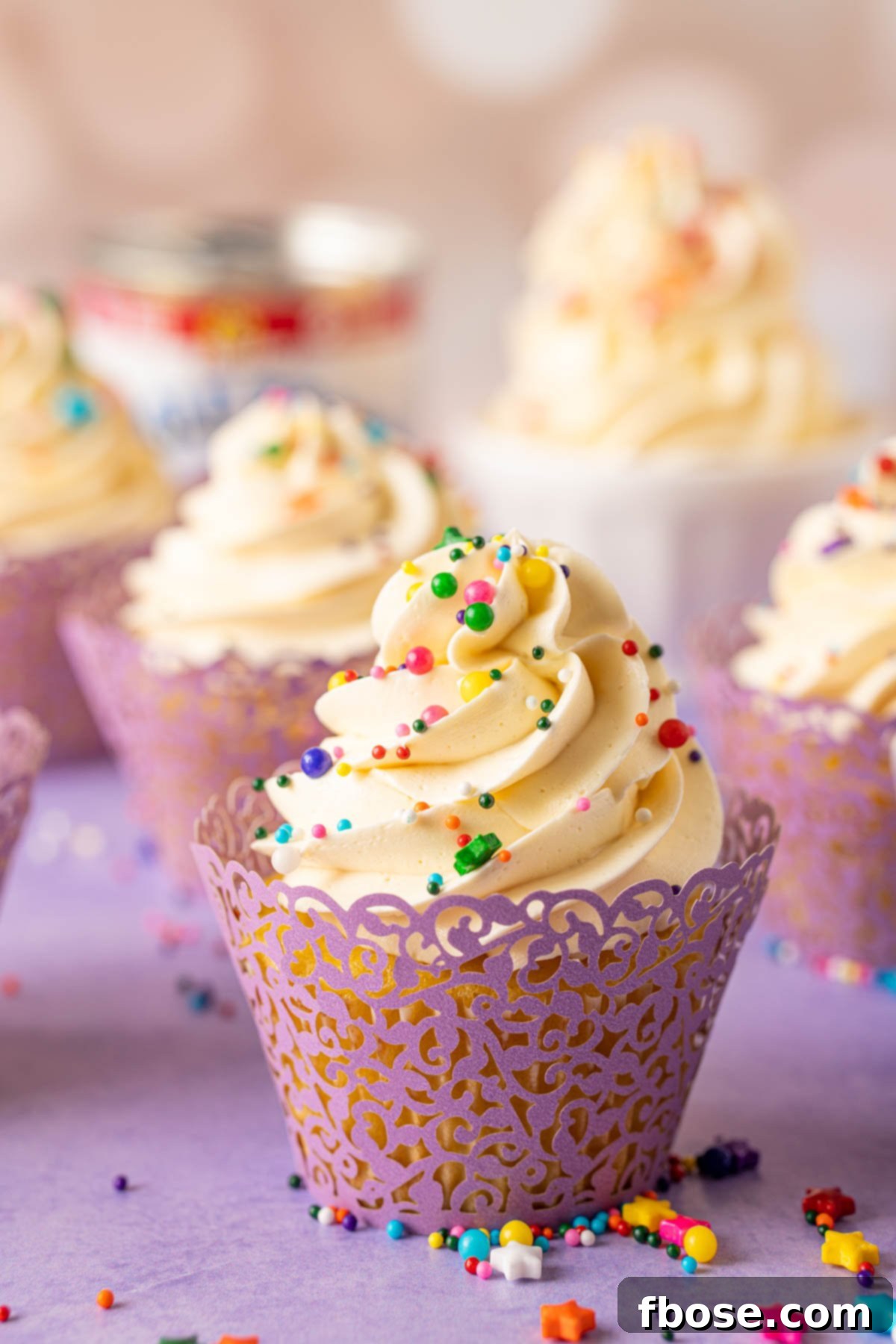
Russian Buttercream, often hailed as the easiest homemade buttercream, is a truly magical creation that transforms simple desserts into culinary masterpieces. Also known as Condensed Milk Frosting, this silky-smooth, incredibly versatile buttercream requires just two core ingredients: unsalted butter and sweetened condensed milk. The secret to its irresistible texture and flavor lies not in a complex list of components, but in a precise, yet straightforward, method that unlocks its full potential. This simple recipe yields a frosting that is not only quick to prepare but also delivers a rich, buttery, and subtly sweet taste that rivals any professional bakery creation.
Once you master this delightful frosting, you’ll find endless applications. Pipe this amazing frosting onto all of your favorite desserts. It’s especially fantastic on Ice Cream Cone Cupcakes, adding a playful yet sophisticated touch. Beyond cupcakes, I even love to incorporate it into my homemade Oatmeal Cream Pies, where its smooth consistency perfectly complements the soft, chewy cookies. Its adaptability makes it a go-to for any sweet treat that calls for a dreamy, stable, and utterly delicious topping.
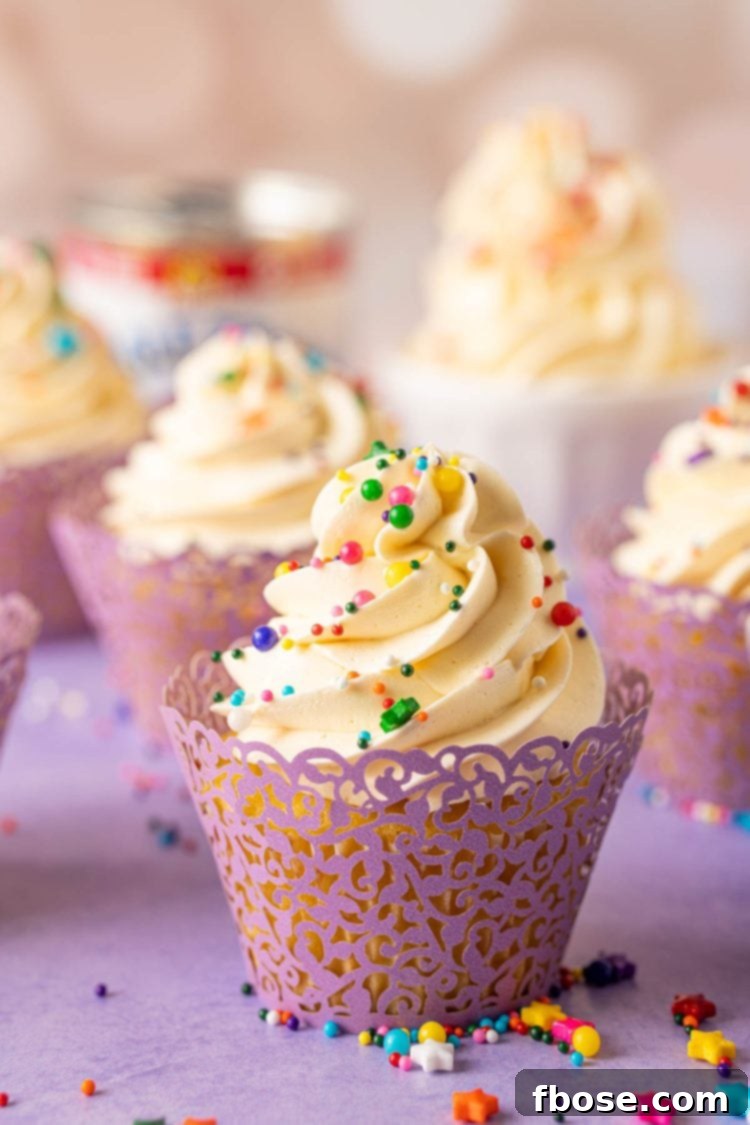
Sweetened Condensed Milk Frosting: Your New Go-To Recipe
If you’re new to the world of buttercream making, there’s no better starting point than this incredibly easy Russian Buttercream recipe. Crafted with just two ingredients using a stand mixer or a hand mixer, this frosting is remarkably simple to prepare, making it ideal for novice bakers. Forget the intimidation often associated with delicate meringue-based buttercreams; this recipe streamlines the process, ensuring success every time.
But don’t let its simplicity fool you. Even if you’re an experienced baker well-acquainted with various frosting techniques, Russian buttercream remains a fantastic go-to. When time is short, or you simply crave a quick yet supremely delicious frosting, this recipe delivers bakery-level taste and texture in minutes. Its ease of preparation doesn’t compromise on quality, offering a delightful alternative to more complex frostings without sacrificing flavor or elegance.
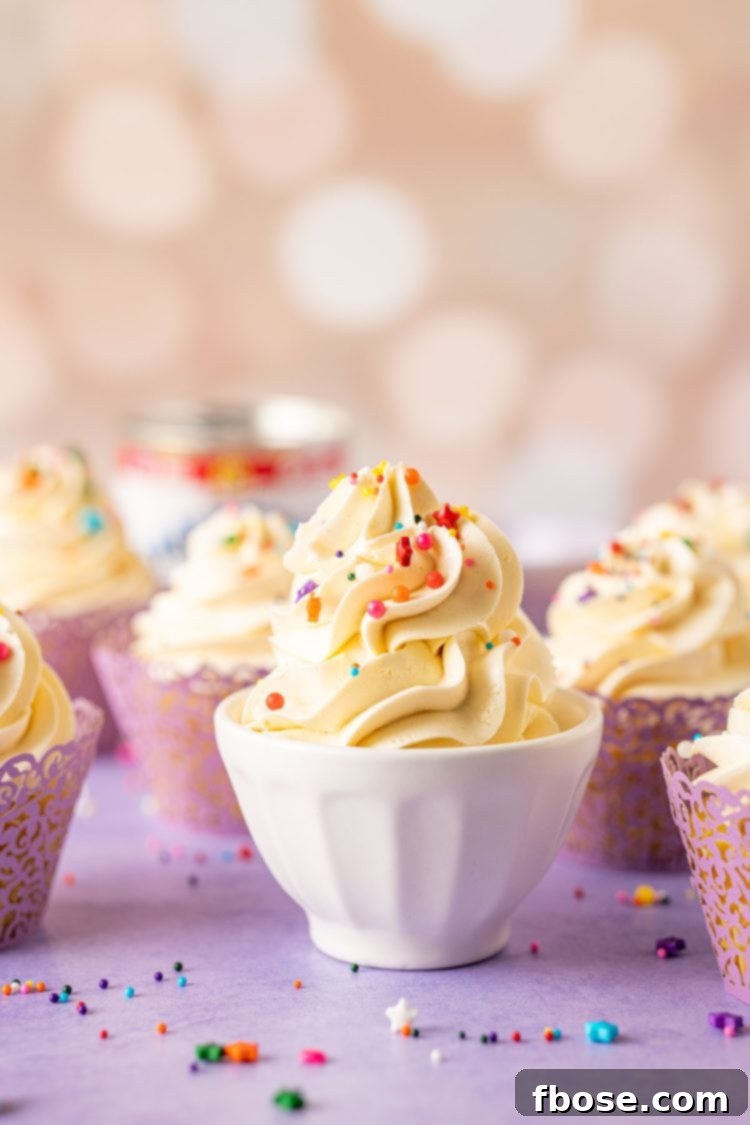
In less than 10 minutes, you’ll be rewarded with a dreamy, silky-smooth buttercream that tastes like it came straight from a gourmet patisserie. Much like a classic American Buttercream, this Russian Buttercream can adorn all your favorite cakes and cupcakes, and it’s equally wonderful as a filling or topping for cookies. Its robust structure also means it holds up beautifully for piping intricate designs, adding a professional touch to your homemade confections.
Why Russian Buttercream Will Be Your Favorite Frosting
There are countless reasons to fall in love with this Russian Buttercream recipe. Its unique characteristics make it a standout choice for home bakers and dessert enthusiasts alike:
Unforgettable Taste: This buttercream frosting boasts a sweet, buttery flavor profile that is utterly irresistible. The natural sweetness of the condensed milk, combined with rich unsalted butter, creates a harmonious and indulgent taste that will have everyone asking for your secret. Prepare to find yourself licking the spatula clean every single time you whip up a batch!
Perfectly Silky Texture: The result of this simple two-ingredient buttercream is a frosting that is luxuriously silky and smooth. Unlike some buttercreams that can be overly dense or gritty, Russian buttercream is light, yet incredibly buttery and creamy. This delightful consistency is exactly what you need to elegantly finish off all your desserts, providing a beautiful mouthfeel that melts delicately on the tongue.
Naturally Sweet, No Added Granulated Sugar: One of the most appealing aspects of this Russian Buttercream recipe is that it requires no additional granulated or powdered sugar. Its rich, sweet flavor comes entirely from sweetened condensed milk. Sweetened condensed milk is a canned dairy product that has been cooked down with sugar, resulting in a thick, syrupy consistency with a distinct sweet, milky, and slightly caramelized flavor. This unique ingredient not only provides all the necessary sweetness but also contributes to the frosting’s incredible stability and smooth texture, eliminating the need for extra sweeteners that can sometimes make frostings overly saccharine or grainy.
Essential Russian Buttercream Ingredients
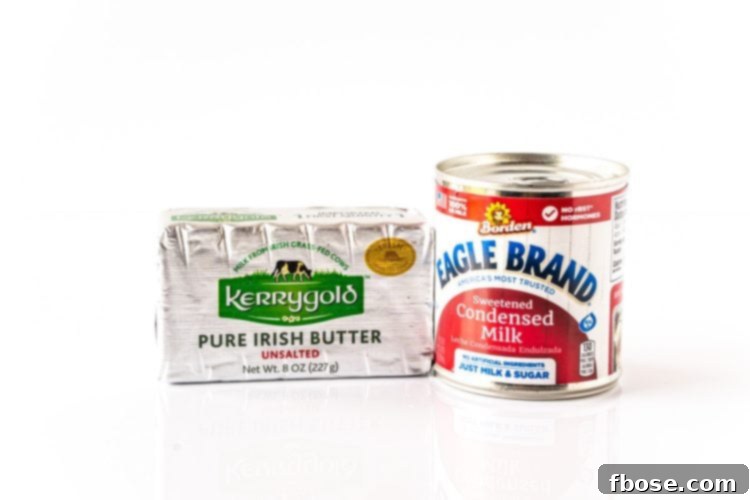
As promised, this incredible buttercream requires only two primary ingredients. Quality is key, even with such a short list, to achieve the best results:
- Unsalted Butter: The foundation of any great buttercream. Ensure it is very soft, but not melted. Room temperature butter is crucial for proper whipping and emulsification. Using unsalted butter allows you to control the overall saltiness of the frosting, although a pinch of salt can be added for flavor enhancement if desired.
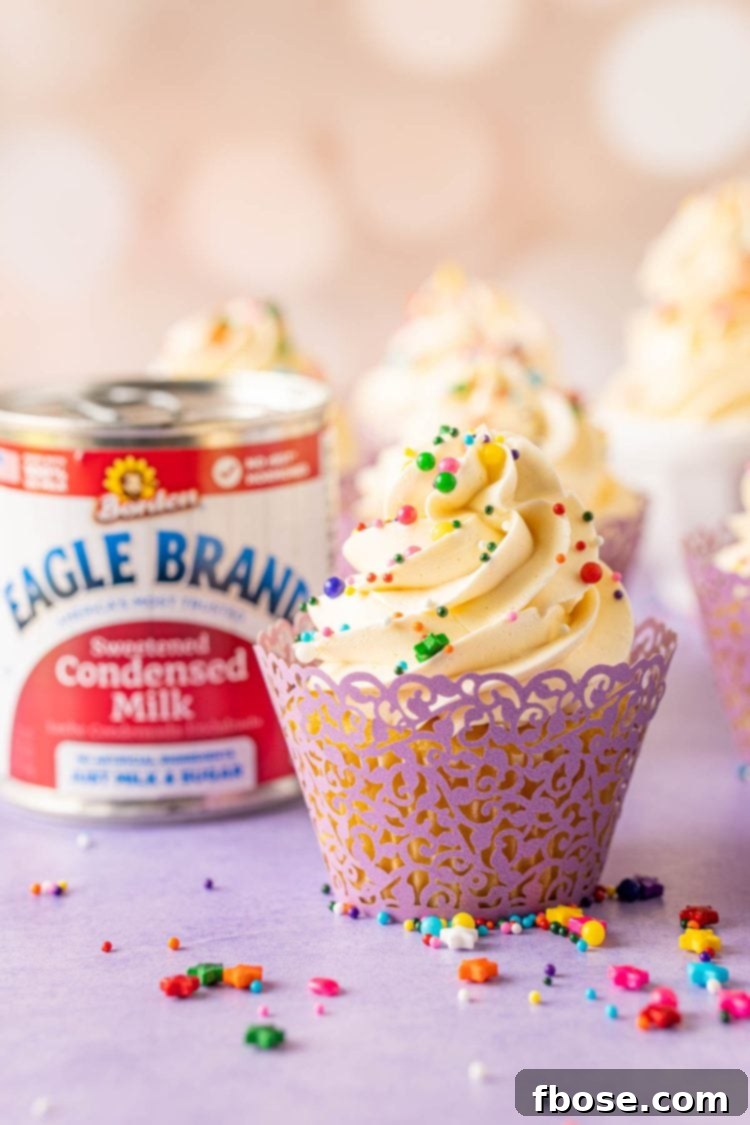
- Sweetened Condensed Milk: This is the star ingredient that provides the sweetness, creamy texture, and distinctive flavor. Use a good quality brand for the best taste.
The Magic Method: How To Make Perfect Russian Buttercream
Making Russian Buttercream is surprisingly simple, but paying attention to each step ensures a flawless, luscious frosting:
- Thoroughly Beat the Butter: The initial beating of the butter is arguably the most critical step. Add the very soft (but not melted) unsalted butter to a large mixing bowl, preferably of a stand mixer fitted with a whisk attachment. Whip the butter at high speed for a full 5 to 7 minutes. Do not shortcut this step! This extended whipping process aerates the butter, incorporating air that creates a light, fluffy, and voluminous base for your buttercream. It also helps to create a stable emulsion when the condensed milk is added. Remember to scrape down the sides and bottom of the bowl every minute or so to ensure even whipping. The butter should transform into a pale, almost white, incredibly fluffy cloud. The photo below illustrates what just the butter should look like after being whipped for the proper amount of time.
- Slowly Incorporate the Sweetened Condensed Milk: Once your butter is perfectly whipped, reduce the mixer speed to low. Gradually and slowly pour the sweetened condensed milk into the whipped butter. This gradual addition is crucial for proper emulsification and prevents the mixture from separating. Allow the butter and condensed milk to thoroughly combine, creating a cohesive, smooth mixture.
- Final Whip and Achieve Smoothness: After the condensed milk has been fully added, scrape down the sides and bottom of the bowl once more. Then, increase the mixer speed to high and whip for another 1-2 minutes until the frosting is completely smooth, airy, and well-incorporated. It should be light, fluffy, and free of any graininess.
- Add Color (Optional): For a vibrant colored buttercream, simply add a drop or two of high-quality gel food coloring. Gel food coloring is concentrated and won’t significantly impact the consistency of your buttercream, unlike liquid food coloring which can thin it out.
- Flavor Variations (Optional): Whipping up a flavor variation of this buttercream is as easy as making the base recipe. For a classic vanilla Russian buttercream, add 1-2 teaspoons of vanilla extract or vanilla bean paste during the final whipping stage. A drop of peppermint extract quickly turns this frosting into a sensational topping perfect for Christmastime or chocolate desserts. And for all the chocolate lovers, incorporate 1/4 cup of unsweetened cocoa powder (sifted to prevent lumps) into the mixture during the final whipping to create a rich Russian chocolate buttercream. A pinch of salt (1/4 teaspoon) can also enhance the flavors.
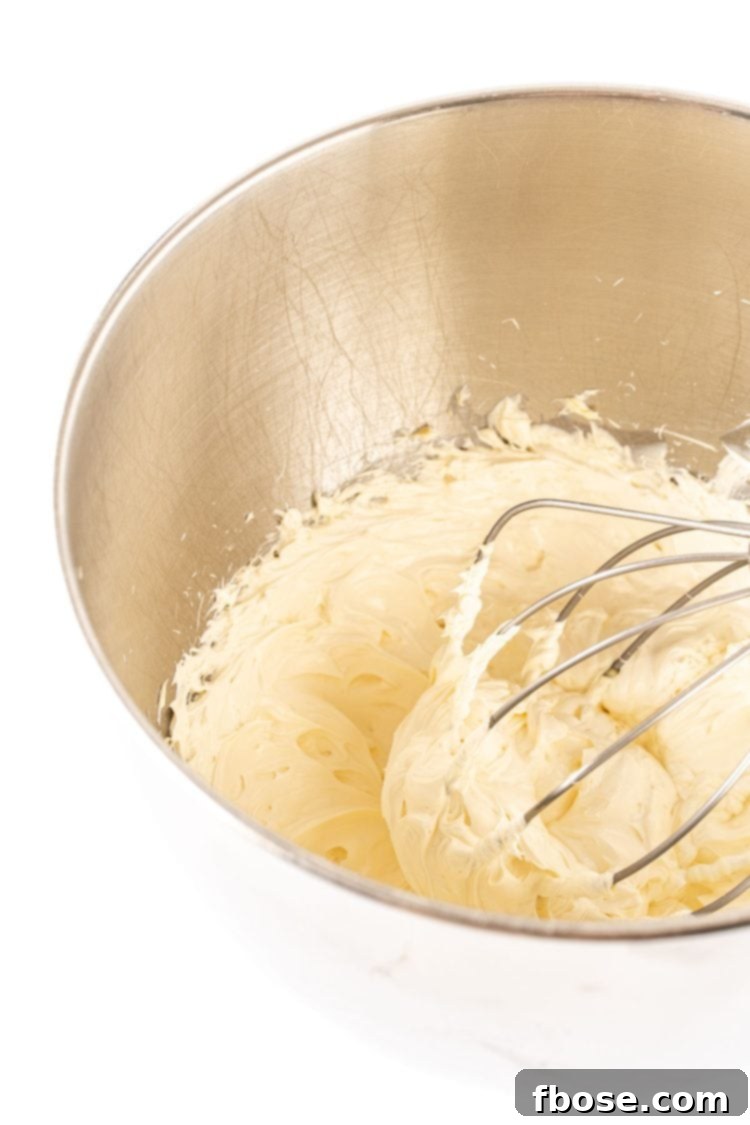
This silky buttercream frosting is best made fresh and consumed shortly after. Keep it in a cool area until ready to serve, as even a 70-degree Fahrenheit room can cause the frosting to start melting due to its high butter content. For frosted cakes, cupcakes, and cookies, you can place them in the fridge to help the frosting stay firm. However, for the best consistency and taste, pull them out 30 to 60 minutes before enjoying to allow the buttercream to come back to a softer, creamier state.
Creative Ways to Use Buttercream with Condensed Milk
The versatility of Russian buttercream makes it an ideal choice for a wide array of desserts. Its smooth, pipeable consistency and delightful flavor elevate any sweet treat:
- Cakes: Lavishly cover your favorite cakes, such as a rich Red Velvet Cake or the moist Best Carrot Cake, with this sweet, delicious frosting. It spreads effortlessly for smooth finishes and holds its shape beautifully for decorative designs.
- Cupcakes: This Russian Buttercream has the perfect consistency for piping. Create elegant swirls or intricate rosettes on top of Chocolate Cupcakes, festive Birthday Cupcakes, and even seasonal Pumpkin Cupcakes. Its stability ensures your decorations will stay pristine.
- Surprise Fillings and Layered Cakes: Elevate your desserts by using this buttercream as a delightful filling. Tuck it inside cored-out cupcakes for a sweet surprise, or generously spread it between tender layers of cake to add moisture and flavor.
- Cookies: Bake up a batch of chewy Soft Sugar Cookies and pair them with this Russian Buttercream Frosting for a match made in heaven. It’s also excellent for sandwiching between two cookies.
- Macarons: For a truly decadent treat, use this recipe as the filling in your next batch of delicate Macarons. Its smooth texture is ideal for these notoriously finicky confections.
Everything truly tastes better with yummy homemade frostings like this Russian Buttercream on top. From this simple yet sweet frosting to fresh, fruity Strawberry Buttercream Frosting and bright Lemon Frosting, there’s a flavor for every palate and occasion. Don’t forget the classic Chocolate Buttercream Frosting for chocolate lovers, and even a unique Honey Buttercream for those special desserts that call for a touch of refined sweetness.
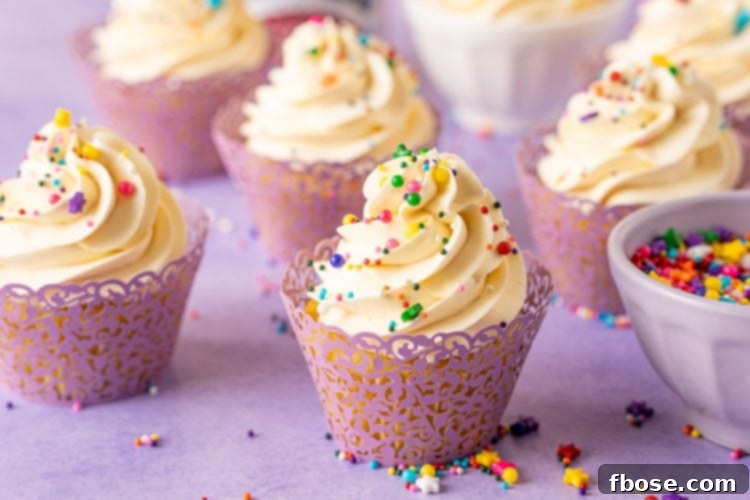
Storing and Re-using Your Condensed Milk Buttercream
Proper storage is essential to maintain the quality and consistency of your Russian buttercream. Store any leftover buttercream in an airtight container in the refrigerator for up to a week. For longer storage, it can also be frozen for up to a month. Be sure to label and date your container.
Once it’s been refrigerated or frozen, the buttercream will firm up considerably and will need to be re-whipped before using. To do so, first, allow it to come to room temperature completely – this could take several hours, especially if frozen. Once softened, transfer the buttercream to a stand mixer or use a hand mixer and re-whip it on medium-high speed until it becomes light, fluffy, and smooth again. If it appears separated or greasy, continue whipping; it should come together beautifully. If it still resists, try the microwave trick mentioned in the FAQs below.
Condensed Milk Frosting FAQs: Troubleshooting and Tips
This recipe for Russian Buttercream yields approximately 3 cups of frosting. This generous amount is typically enough to beautifully frost about 2 dozen standard-sized cupcakes or a single 8-inch or 9-inch layer cake. If you’re decorating more elaborately or have a larger cake, you may wish to double the recipe.
If your frosting appears separated or curdled after you’ve added the condensed milk, it usually means the butter was either too warm or too soft when you started, or the condensed milk was added too quickly. Don’t panic! This is usually an easy fix. Simply place the bowl of Russian buttercream into the refrigerator for 10 to 15 minutes. This will help chill the butter slightly. After chilling, remove the bowl and re-whip the frosting on high speed. It should come together just fine, becoming smooth and emulsified again.
The most common reason for a buttercream that isn’t light and fluffy is butter that was too cold at the beginning of the process. For optimal fluffiness, butter needs to be very soft, almost to the point of melting, but not actually liquid. If your buttercream is dense, don’t worry, it’s a simple fix! Scoop out about half of the frosting into a microwave-safe bowl and heat it in the microwave for a very short duration, about 10 seconds, just enough to slightly warm it (do not melt it). Then, return the slightly warmed half of the buttercream to the remaining mixture in the main bowl. Continue to beat the entire mixture on high speed until it becomes wonderfully light and fluffy. The slightly warmer butter helps to bring the overall temperature of the frosting to the ideal consistency for whipping.
American buttercream and Russian buttercream are distinct recipes with fundamental differences. In fact, the only ingredient they consistently share is butter. American buttercream is traditionally made by creaming butter with powdered sugar and a liquid like milk or cream, often with vanilla extract. It tends to be very sweet and can have a slightly denser, sometimes grainy, texture if not made correctly. Russian buttercream, on the other hand, utilizes sweetened condensed milk to provide its sweetness and unique texture. This difference in primary sweetener leads to variations in consistency; Russian buttercream typically has a silkier, smoother, and slightly less sweet profile compared to its American counterpart, which is often heavier. Both are wonderful frosting choices, offering distinct characteristics, but Russian buttercream is praised for its elegant smoothness and ease of preparation without powdered sugar.
Yes, Russian buttercream is generally quite stable, thanks to its high ratio of butterfat. This makes it a good choice for piping and decorating, as it holds its shape well. However, like most butter-based frostings, it is susceptible to melting in warm environments. You’ll want to avoid storing frosted desserts in very hot areas for extended periods, as the butter will soften and the frosting may lose its shape. Keep it in a cool room or refrigerate if necessary.
Russian buttercream can sometimes appear grainy, particularly right after the sweetened condensed milk is added to the whipped butter. If the frosting remains grainy after a thorough whipping of the two ingredients together, it most likely means that the butter wasn’t whipped for a long enough duration initially, or the entire mixture wasn’t whipped sufficiently after combining. To ensure a silky smooth result, always make sure to whip the butter alone for the full 5 to 7 minutes first, diligently scraping down the sides of the bowl. Then, after adding the sweetened condensed milk, continue to whip the mixture on high speed until it is fully combined, uniform, and beautifully fluffy.
If your Russian buttercream is too soft or thin for your liking, the simplest way to thicken it up is to place it in the refrigerator. Chilling the buttercream for 15-30 minutes will cause the butterfat to firm up, resulting in a thicker consistency. After chilling, give it another quick whip to restore its smoothness. If it becomes too hard to work with after refrigeration, let it soften slightly at room temperature before re-whipping until it reaches your desired consistency. Avoid adding additional ingredients to thicken it, as this can throw off the balance of the recipe.
Let’s Connect and Share Your Creations!
If you’ve tried this fantastic Russian Buttercream recipe, please let me know how you liked it in the comments below and consider leaving a review. Your feedback is invaluable, and I love hearing from you!
Don’t forget to tag me – @sugarandsoulco – on Instagram and Pinterest with your beautiful photos, or join our Sugar & Soul Show-offs Community and share them there, where you can also participate in our fun recipe challenges!
Sweetened Condensed Milk Frosting (Russian Buttercream)
Ingredients
- 1 cup unsalted butter very soft – not melted
- 14 ounces sweetened condensed milk
Instructions
-
Add the butter to a large bowl or stand mixer fitted with a whisk attachment and whip at high speed for 5 to 7 minutes, scraping down the sides of the bowl every minute or so.1 cup unsalted butter
-
With the mixer on low speed, slowly pour the sweetened condensed milk into the butter.14 ounces sweetened condensed milk
-
Scrape the sides and bottom of the bowl then whip at high speed for 1 minute until fully incorporated and fluffy.
Notes
- This frosting is best made fresh and consumed shortly after. Keep in a cool area until ready to serve – even a 70 degree room can cause the frosting to start melting. You can place frosted cakes, cupcakes, and cookies in the fridge to stay firm, then pull out 30 to 60 minutes before enjoying – although you may not get quite the consistency you would have had with the fresh frosting.
- Vanilla or almond extract (1-2 teaspoons) may be added to the frosting for enhanced flavor.
- A 1/4 teaspoon of salt may be added if desired to balance the sweetness.
- For a chocolate flavor, 1/4 cup of sifted cocoa powder can be mixed in during the final whipping stage.
- Storage Instructions: Store this buttercream in an airtight container in the refrigerator for up to a week. To re-use, first, allow it to come to room temperature completely, then re-whip with a stand or hand mixer until fluffy.
- Yield: This recipe yields about 3 cups of frosting, enough for approximately 2 dozen cupcakes or a single layer cake.
- Troubleshooting Separation: If the frosting separates after adding the condensed milk, the butter was likely too warm. Place the bowl in the fridge for 10-15 minutes, then re-whip until smooth.
- Troubleshooting Lack of Fluffiness: If the buttercream isn’t light and fluffy, the butter was probably too cold. Heat half of the frosting in a microwave-safe bowl for about 10 seconds (do not melt), return it to the rest, and re-whip on high speed until light and airy.
Nutrition
Did You Make This Recipe?
Don’t forget to share it with me on Instagram @sugarandsoulco and follow on Tiktok @sugarandsoulco and Pinterest @sugarandsoulco for more!
Pin Recipe
Share Recipe