
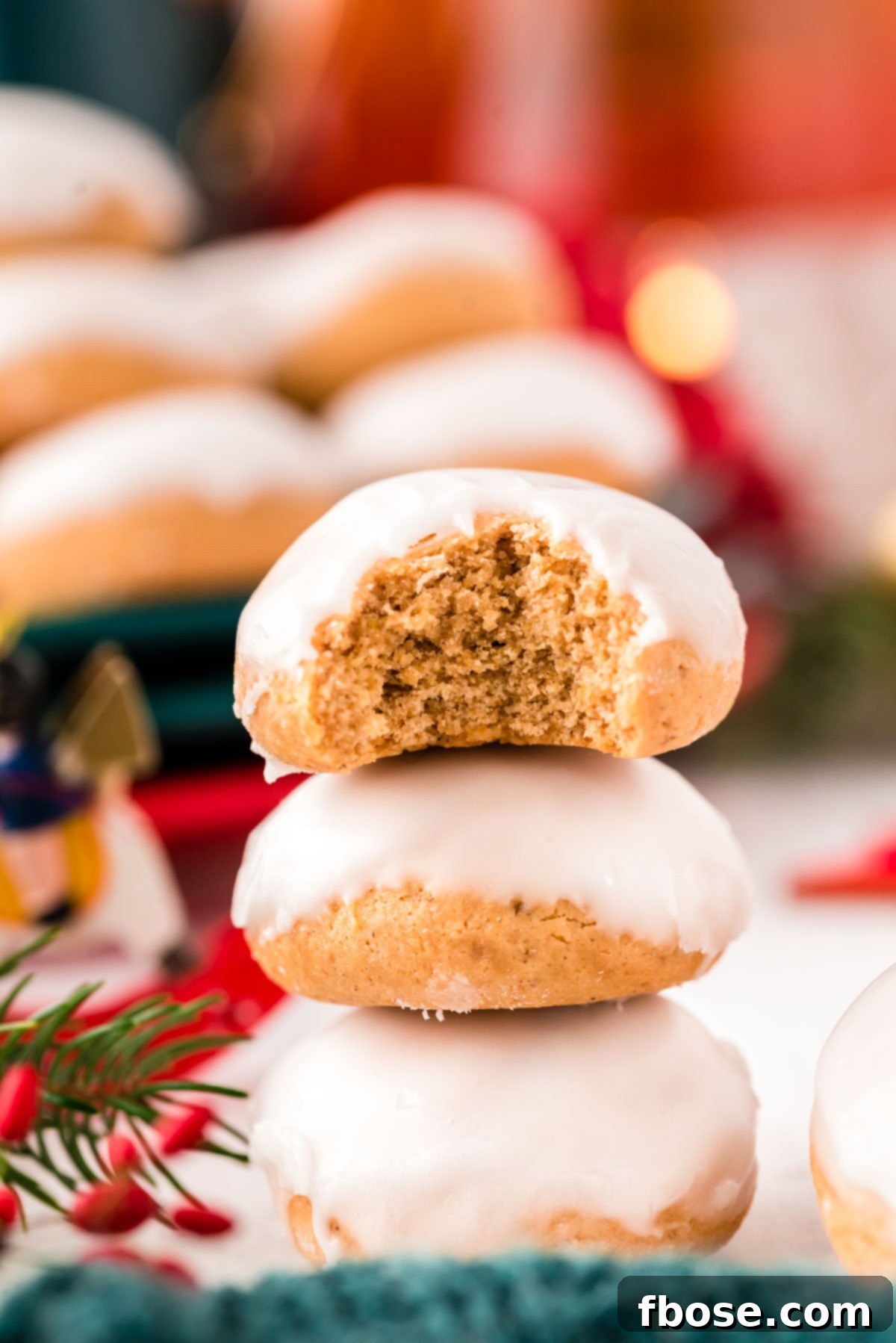
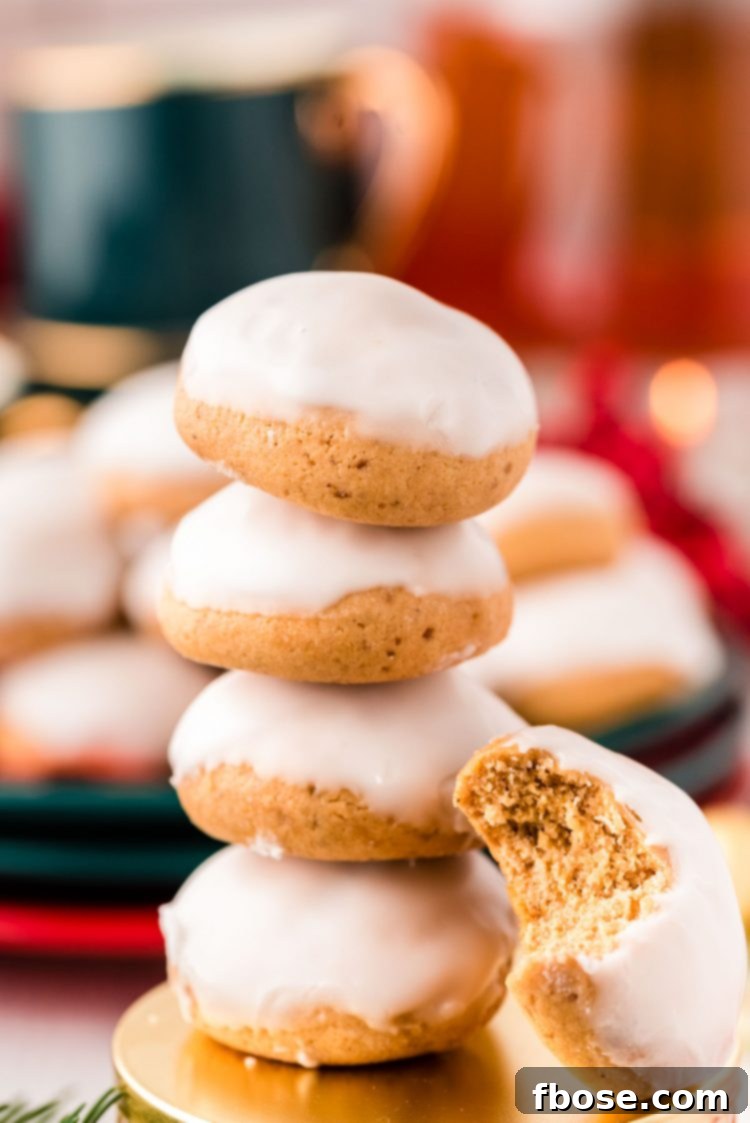
Pfeffernusse are exquisite German spice cookies, elegantly glazed and beloved during the festive holiday season! Often referred to as pepper nut cookies, these delightful treats are a symphony of warm spices, rich brown sugar, and golden honey. Each bite offers a taste of European Christmas markets, bringing a touch of traditional German baking right into your home.
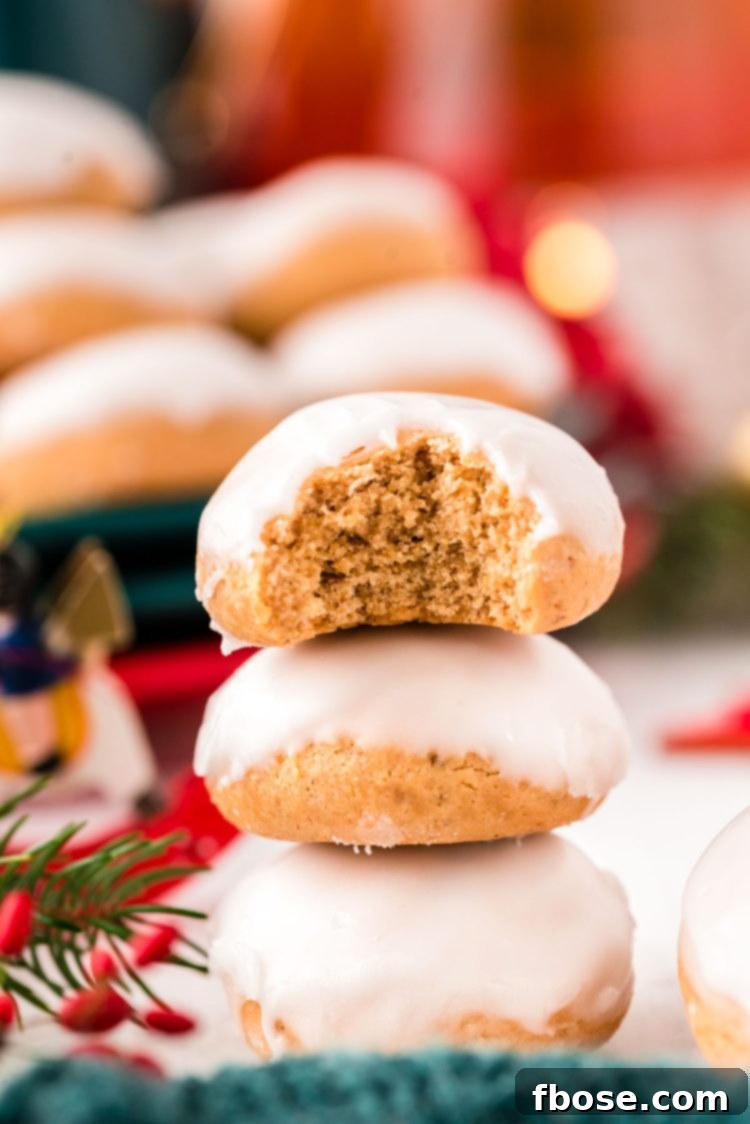
My first enchanting encounter with Pfeffernusse cookies was amidst the magical atmosphere of the Wrocław Christmas Market in Poland back in 2016. I distinctly remember thinking I was selecting classic iced gingerbread cookies. However, with just one bite, I realized I had discovered something profoundly different and utterly special. The unique blend of spices, the subtle peppery kick, and the tender texture immediately captivated my senses.
After a couple of years away from the vibrant European Christmas markets, I found myself longing for that particular taste of holiday magic. To recapture that festive spirit, I reached out to a dear German friend, asking her to share her treasured traditional German Pfeffernusse recipe. Her response was a resounding success, and now I’m thrilled to share this authentic recipe with you, allowing us all to infuse our homes with a little bit of that cherished Christmas joy.
She truly delivered! This recipe is pure perfection, creating cookies richly laced with an array of delicious, warming spices that evoke comfort and celebration. I am confident that you will fall in love with these German spice cookies as much as I have, making them a staple in your holiday baking traditions.
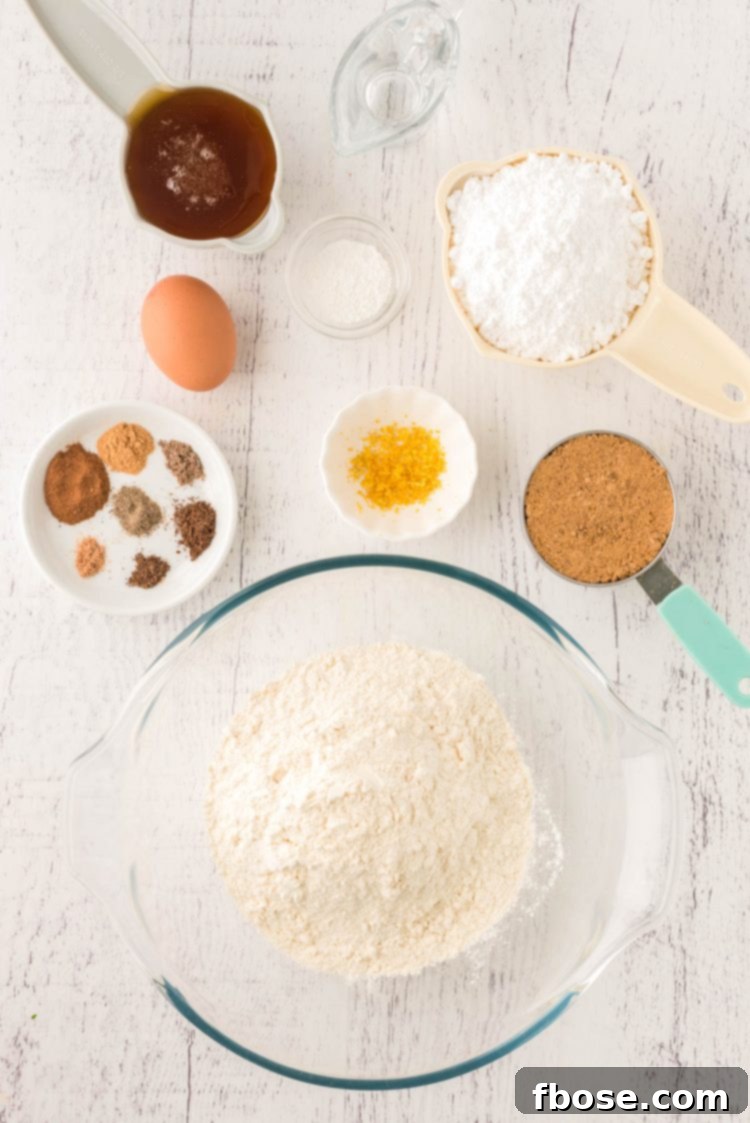
Essential Pfeffernusse Ingredients
Crafting these traditional German spice cookies begins with a careful selection of core ingredients that provide their distinct flavor and texture. The base of this incredible recipe relies on the sweetness of golden honey, the deep molasses notes of dark brown sugar, sturdy all-purpose flour, a single large egg, bright lemon zest, and reliable baking powder for lift. The true magic, however, comes from the robust blend of spices.
The characteristic flavor profile of Pfeffernusse is achieved through a generous combination of aromatic spices: fragrant cinnamon, zesty ground ginger, a touch of surprising white pepper, earthy cloves, distinctive star anise, warm nutmeg, subtle mace, invigorating cardamom, and versatile allspice. This carefully balanced mix creates a truly unforgettable taste, making these “pepper nut” cookies live up to their intriguing name.
The finishing touch is a remarkably simple yet utterly delicious glaze, prepared with just two pantry staples: water and powdered sugar. This sweet, thin coating adds an extra layer of sweetness and a beautiful, classic holiday sheen to each cookie.
RECIPE NOTE: One of the wonderful aspects of this Pfeffernusse recipe is that it is naturally dairy-free! This makes these German spice cookies an excellent choice for sharing with friends and family who have dairy sensitivities during the joyous holiday season.

The Enchanting History of Pfeffernusse Cookies
The history of Pfeffernusse cookies is as rich and spiced as the cookies themselves, tracing its roots back to the 1800s. These charming German spice cookies have been a beloved part of European holiday traditions for centuries, enjoyed not only in Germany but also across Denmark and the Netherlands. The name “Pfeffernusse” literally translates to “pepper nuts,” a nod to the distinct pepper kick and often small, round, nut-like shape of the cookies.
While each region boasts its unique spin on this classic confection, with variations in spice blends, textures, and glazes, the essence remains the same: a deeply spiced, honey-sweetened cookie that embodies the warmth and cheer of the holidays. Our recipe offers an easy-to-follow version that beautifully captures the traditional flavors, making it accessible for any home baker, whether you’re in an authentic German kitchen or a modern American one.
These cookies were historically made with exotic spices that were once considered luxurious and rare, reflecting their special status during festive occasions. The tradition of making and sharing Pfeffernusse has been passed down through generations, making them not just a treat, but a cherished symbol of holiday heritage and communal celebration.
Crafting Homemade Pfeffernusse Cookies: A Step-by-Step Guide
Creating these delightful German spice cookies is a straightforward and rewarding process. Follow these detailed steps to bring the magic of Pfeffernusse into your kitchen:
First, begin by gently melting the honey and dark brown sugar in a small saucepan over medium-low heat. Stir continuously until the sugar has completely dissolved into the honey, forming a smooth, aromatic syrup. It’s crucial not to let this mixture boil, as it can alter the consistency and flavor. Once dissolved, remove the saucepan from the heat and allow the mixture to cool to room temperature, or specifically, below 140 degrees Fahrenheit. This cooling step is vital for the next ingredient.
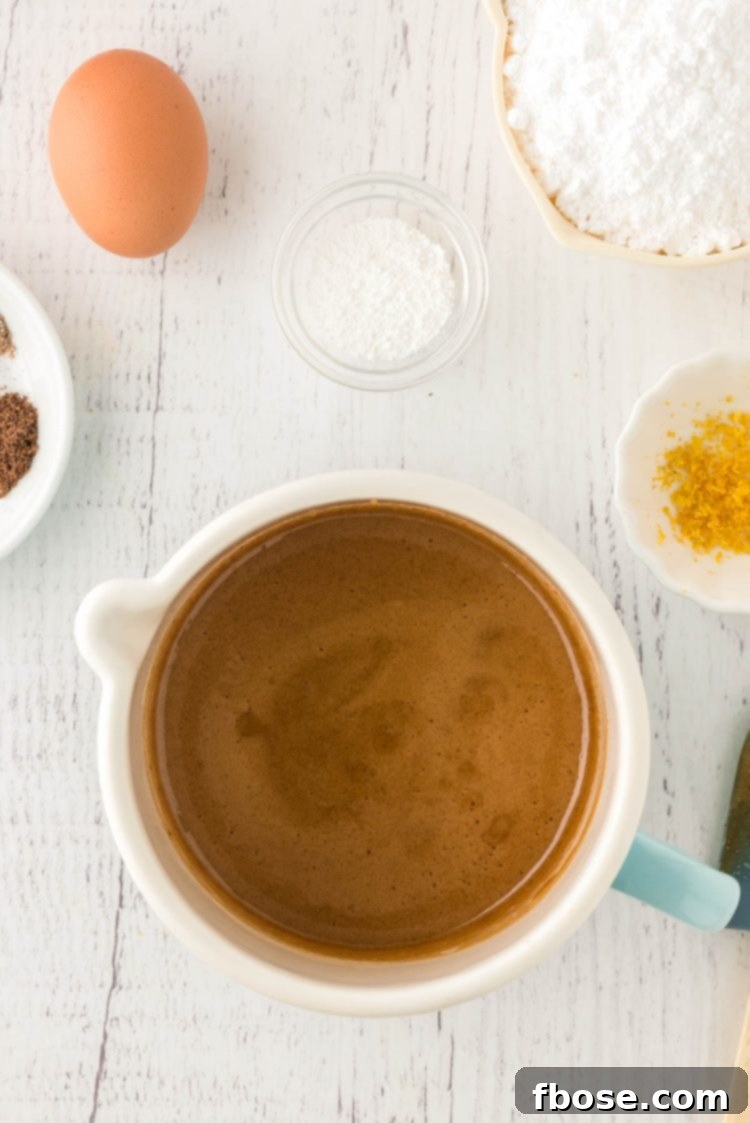
While your honey and sugar mixture cools, preheat your oven to 350 degrees Fahrenheit (175 degrees Celsius). Prepare a baking sheet by lining it with parchment paper, which prevents sticking and ensures easy cleanup. Set this aside, ready for your cookie dough.
In a separate medium-sized mixing bowl, whisk together the dry ingredients: the all-purpose flour, baking powder, and the bright, fragrant zest of half a lemon. The lemon zest adds a wonderful, subtle citrus note that beautifully complements the rich spices. Thoroughly combine these ingredients and set this bowl aside as well.
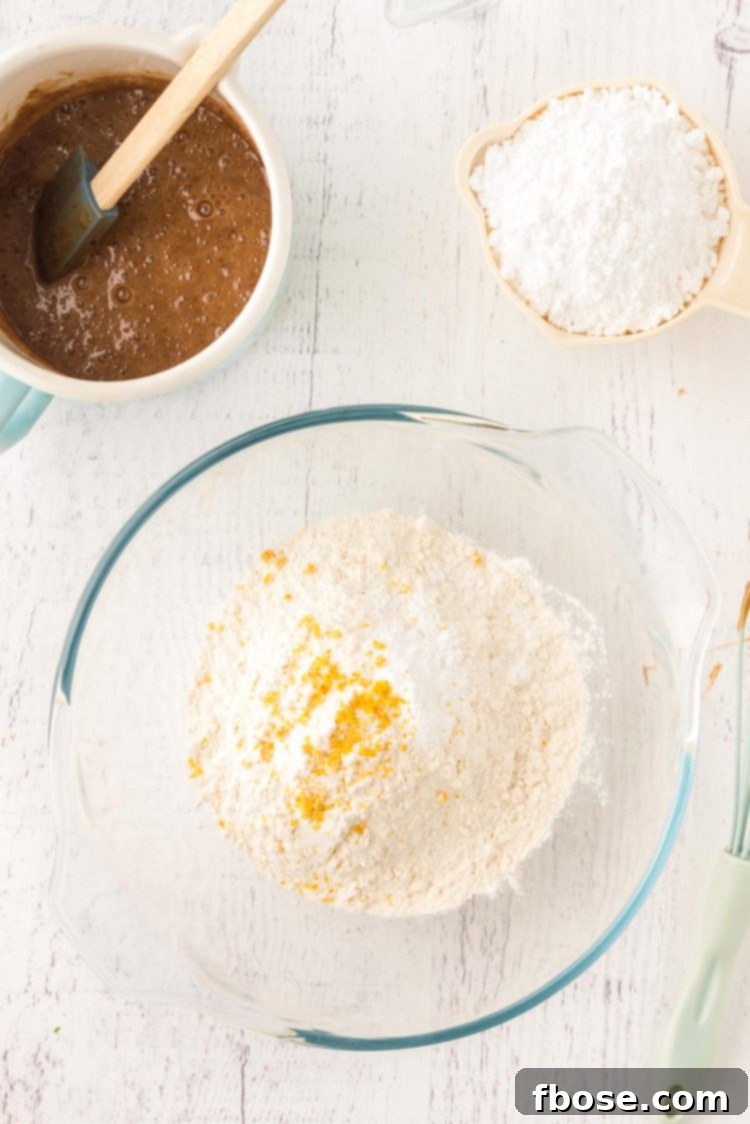
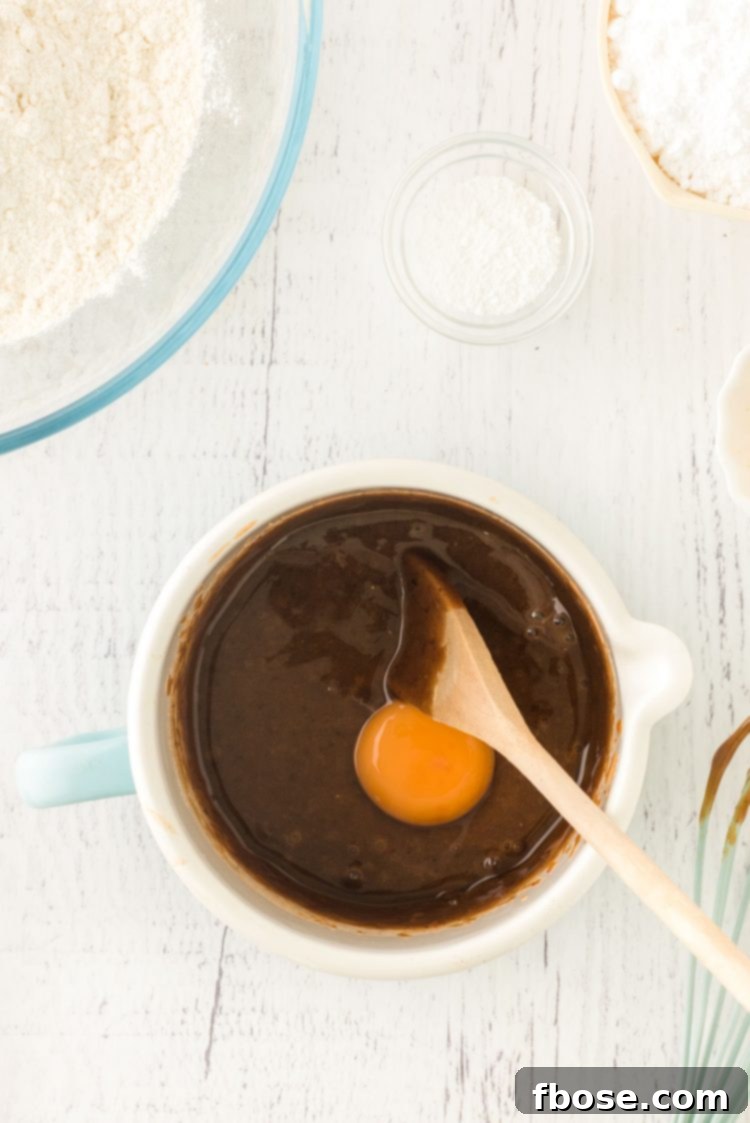
Once your honey mixture has cooled sufficiently (below 140°F), it’s time to incorporate the delicate ingredients. Quickly stir in all the ground spices – cinnamon, ginger, white pepper, cloves, star anise, nutmeg, mace, cardamom, and allspice – followed by the large egg, which should be at room temperature. Stir swiftly to ensure everything is well combined and integrated into the cooled syrup.
RECIPE NOTE: The temperature of the honey-sugar mixture is critical before adding the egg. If the mixture is too hot (above 140°F), the egg could curdle, leading to an undesirable texture. Using a kitchen thermometer for accuracy is highly recommended to prevent this common baking mishap.
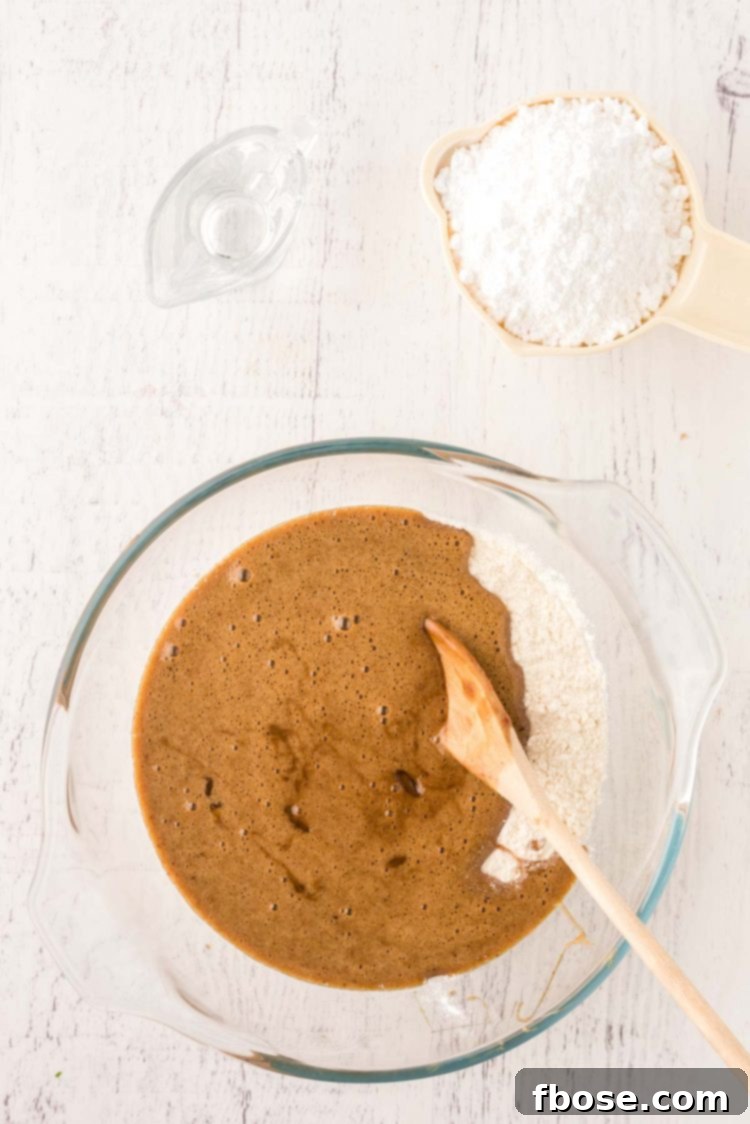
Now, pour the spiced honey and egg mixture directly into the bowl with your flour mixture. Using a sturdy wooden spoon or a rubber spatula, mix quickly until all the ingredients are just combined and a cohesive ball of dough begins to form. Be careful not to overmix, as this can lead to tough cookies.
Using a medium cookie scoop, portion out the dough. Then, lightly roll each portion into neat, uniform balls, approximately 1½ inches in diameter. Arrange these dough balls on your prepared baking sheet, spacing them about 1 inch apart. Pfeffernusse cookies typically don’t spread much during baking, so you can place them relatively close. Bake for 13 to 15 minutes, or until the edges are lightly browned and the cookies are set. Once baked, remove the pan from the oven and allow the cookies to cool completely on the baking sheet before glazing.

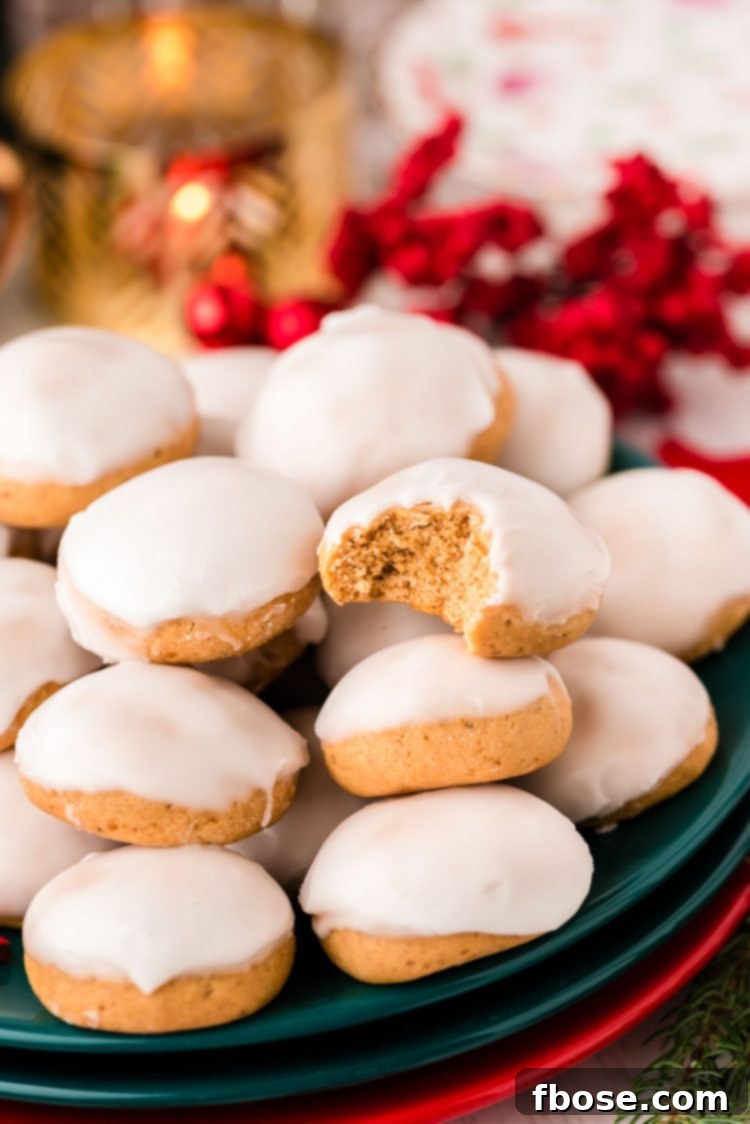
To prepare the signature glaze, whisk together the powdered sugar and 3 tablespoons of water in a medium bowl until smooth. If the glaze is too thick, gradually add more water, a teaspoon at a time, until you achieve a thick yet pourable paste-like consistency. For a traditional look, dip the completely cooled Pfeffernusse cookies directly into the sugar glaze, ensuring they are fully coated. Alternatively, you can use a pastry brush to apply the glaze evenly to each cookie. Once glazed, place the cookies on a wire rack to allow the glaze to set and harden, which usually takes about 30 minutes to an hour.

Tips for Pfeffernusse Perfection:
- Spice Freshness: For the most potent and delicious flavor, ensure your ground spices are fresh. Old spices can lose their aroma and impact.
- Consistent Cooling: The honey-sugar mixture cooling step is non-negotiable. Patience here prevents a curdled egg and ensures a smooth, uniform dough.
- Gentle Mixing: Once flour is added, mix only until just combined. Overmixing develops gluten, leading to tougher cookies.
- Glaze Consistency: Adjust water in the glaze carefully. A thick paste is ideal for a good coating that sets nicely without being too thin or too gloopy.
- Alternative Coating: If you prefer a less sweet cookie, you can simply toss the cooled cookies in powdered sugar instead of glazing them. This provides a delicate dusting that is equally appealing.
Serving Suggestions for Pfeffernusse Cookies
These versatile German spice cookies can be enjoyed in numerous ways, enhancing any holiday gathering or quiet moment. Their robust flavor makes them a perfect standalone treat, but they also shine when incorporated into a larger festive spread. Arrange them beautifully on a holiday cookie tray, or include them in homemade gift tins for friends and family. Their elegant glaze and unique spice blend make them a memorable present.
Many aficionados appreciate Pfeffernusse with a slightly drier texture, making them ideal for dunking. Much like biscotti, these cookies are fantastic when dipped into a steaming cup of coffee or tea. The warm beverage softens the cookie and releases even more of its delightful spice aroma. They also pair wonderfully with mulled wine or hot cocoa during chilly winter evenings, adding a touch of sophisticated holiday cheer to your drink.
Storing Your Pfeffernusse Creations
Proper storage is key to preserving the deliciousness of your Pfeffernusse cookies, ensuring they remain fresh and flavorful throughout the holiday season.
For immediate enjoyment, these cookies should be stored in an airtight container at room temperature. They will maintain their quality and delightful texture for up to 7 to 10 days, depending on your preferred level of crispness. Storing them in an airtight container also helps to keep the glaze intact and prevents the cookies from drying out too quickly.
Pfeffernusse cookies are also excellent candidates for freezing, making them a fantastic make-ahead option for busy holiday preparations. To freeze, simply bake and glaze the cookies according to the recipe instructions, allowing the glaze to set completely. Once set, arrange the cookies in a single layer in freezer-safe bags or containers, separating layers with parchment paper to prevent sticking. They can be frozen for up to 3 months. When you’re ready to enjoy them, simply thaw them at room temperature. This method ensures you always have a batch of these traditional German spice cookies ready to serve or gift.
Explore More Holiday Spice Delights
If you cherish the warm, inviting hint of spice in your holiday treats, then I wholeheartedly recommend exploring some other festive recipes. My Gingerbread Whoopie Pies are soft, chewy, and bursting with classic gingerbread flavor, while my Gingerbread Truffles offer a decadent, bite-sized indulgence. Both are incredibly delicious and make fantastic, homemade gifts that are sure to impress. Don’t miss out on my Gingerbread Spiced Pecans either – they’re an irresistible snack, perfect for munching on throughout the holiday season!
Pfeffernusse German Spice Cookies
Pin It For Later
Click the button above to save this delicious recipe to your Pinterest board!
Let’s Connect!
If you’ve tried this delightful Pfeffernusse recipe, please let me know how much you loved it in the comments section below and consider leaving a review. I genuinely enjoy hearing about your baking experiences!
Remember to tag me – @sugarandsoulco – on Instagram and Pinterest with your beautiful photos, or join our Sugar & Soul Show-offs Community and share your creations there, where you can also participate in our exciting recipe challenges!

Pfeffernusse German Spice Cookies
Author: Rebecca Hubbell
Course: Dessert | Cuisine: German
Prep Time: 15 minutes | Cook Time: 15 minutes | Total Time: 30 minutes
Servings: 24 cookies
Pfeffernusse are deliciously glazed German spice cookies that are popular during the holidays! Also called pepper nut cookies, these cookies are loaded with spices, brown sugar, and honey!
Ingredients
Cookies:
- ½ cup honey
- ½ cup dark brown sugar packed
- 2½ cups all-purpose flour
- 2 teaspoons baking powder
- zest of half a lemon
- 1 large egg room temperature
- 1 teaspoon ground cinnamon
- ½ teaspoon ground ginger
- ½ teaspoon ground white pepper
- ½ teaspoon ground cloves
- ¼ teaspoon ground star anise
- ¼ teaspoon ground mace
- ¼ teaspoon ground allspice
- ¼ teaspoon ground cardamom
- ¼ teaspoon ground nutmeg
Glaze:
- 2 cups powdered sugar
- 3 to 5 tablespoons water
Instructions
- In a small pot, cook the honey and the sugar over medium-low heat until the sugar has dissolved (do not bring to a boil). Remove from heat and stir occasionally to let the mixture cool down to less than 140°F.
- Meanwhile, preheat your oven to 350°F and line a baking sheet with parchment paper; set aside.
- In a separate medium bowl, whisk together the flour, baking powder, and lemon zest; set aside.
- Once the honey-sugar mixture has cooled down enough, mix in the egg and all of the spices and stir quickly to combine.
- Pour the honey mixture into the flour mixture and mix using a wooden spoon or a rubber spatula until a ball of dough forms.
- Use a medium cookie scoop to form small balls of about 1½-inches each and set on the baking sheet.
- Bake for 13 to 15 minutes until the cookies lightly brown. Then let them cool completely on the pan.
- Make the glaze by combining the powdered sugar and 3 tablespoons of water in a medium bowl, add more water if needed until you have a thick paste.
- Then either dip the pfeffernüsse cookies into the sugar glaze or spread the glaze with a brush onto them and let them dry completely on a cooling rack.
Notes
- You can use either white or black pepper, take what you have at hand. But white pepper is the more traditional ingredient.
- Mixing in the eggs too early might cause them to curdle, so it’s essential that you let the mixture cool down enough.
- The cookies can stick a bit to the parchment paper when still warm; they will move easily when cooled down.
- Ground anise and mace can be hard spices to come by. Look for them at your local holistic grocery stores or online. If you cannot find them, they can be omitted, and the cookies will still be delicious. They will just miss the signature anise flavor, which some may prefer them without anyway. You could also use a drop or two of anise extract which should be near the vanilla extract in the baking aisle at most grocers.
- Powdered sugar may also be used as a coating instead of the glaze if desired.
Nutrition
Calories: 129kcal | Carbohydrates: 31g | Protein: 2g | Fat: 1g | Saturated Fat: 1g | Cholesterol: 7mg | Sodium: 5mg | Potassium: 60mg | Fiber: 1g | Sugar: 20g | Vitamin A: 10IU | Vitamin C: 1mg | Calcium: 22mg | Iron: 1mg
Did You Make This Recipe?
Don’t forget to share it with me on Instagram @sugarandsoulco and follow on Tiktok @sugarandsoulco and Pinterest @sugarandsoulco for more!
Share your photos and feedback! Your comments and reviews help other bakers discover and enjoy these wonderful recipes.