
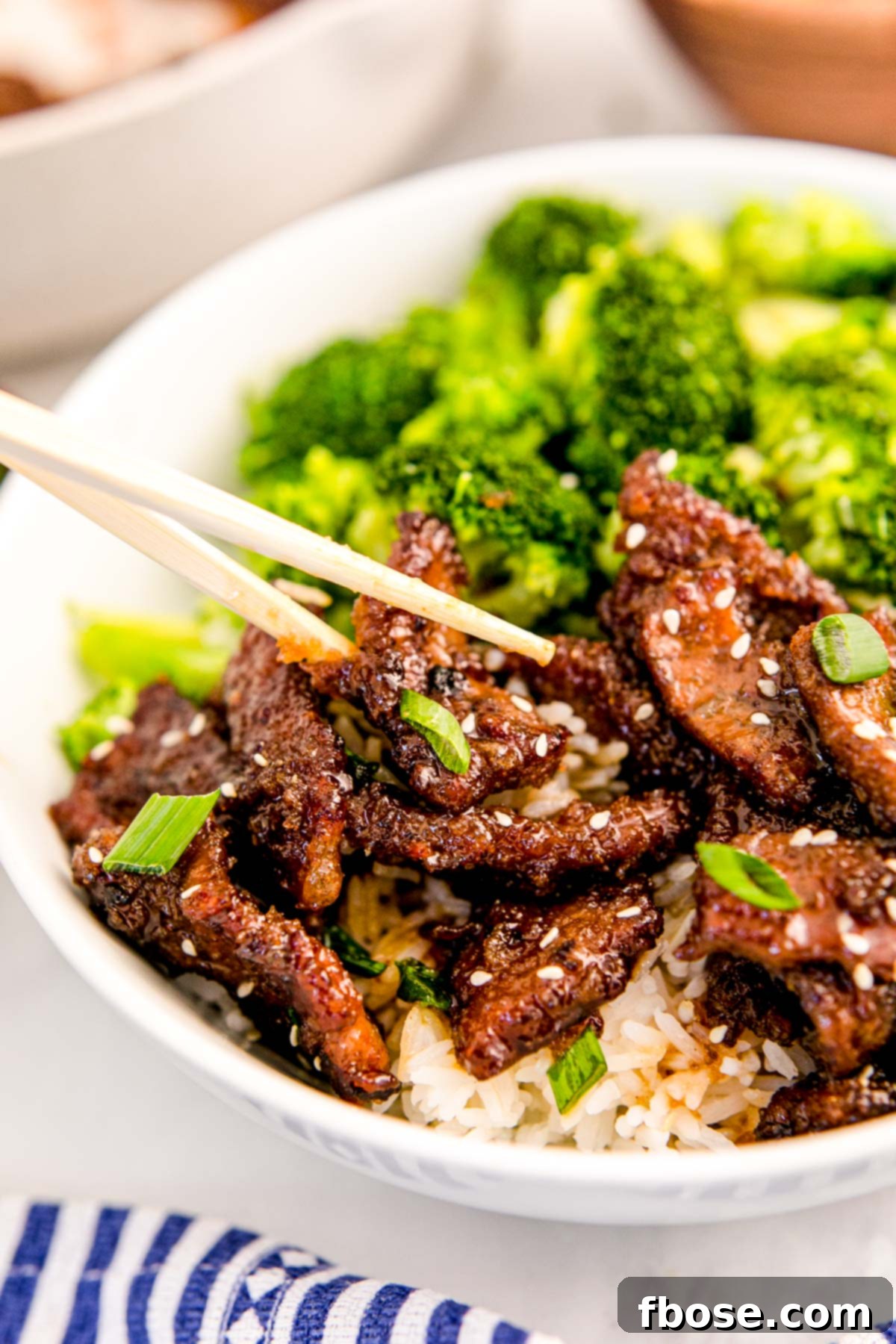
Mongolian Beef is a beloved Asian-inspired dish featuring incredibly tender slices of flank steak enveloped in a rich, sweet, and savory sauce. This homemade version promises to bring that authentic restaurant flavor right to your kitchen table in under 40 minutes, making it an ideal choice for a quick yet impressive weeknight dinner or a special meal.
Craving more tantalizing beef dishes to elevate your meal rotation? Don’t miss out on my comforting Beef Stroganoff, boasting tender beef and a creamy sauce, or the incredibly simple yet satisfying Slow Cooker Italian Beef, perfect for effortless entertaining. Both are guaranteed to become new family favorites!
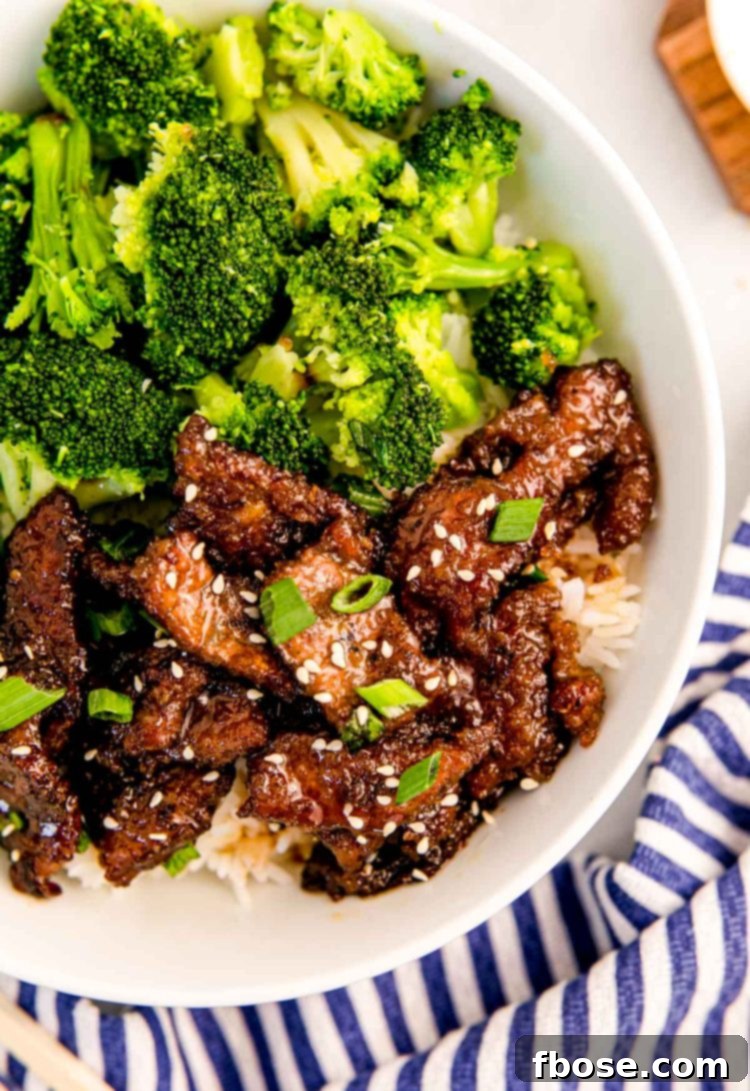
While often associated with traditional Chinese cuisine, Mongolian Beef is, in fact, a delightful creation from Chinese-American restaurants that has captured the hearts and palates of diners worldwide. It’s a dish celebrated for its balance of sweet, savory, and sometimes subtly spicy notes, with a signature glossy, thick sauce that perfectly coats every piece of succulent beef. This recipe empowers you to recreate that quintessential experience at home, delivering all the complex flavors you love without the need for takeout.
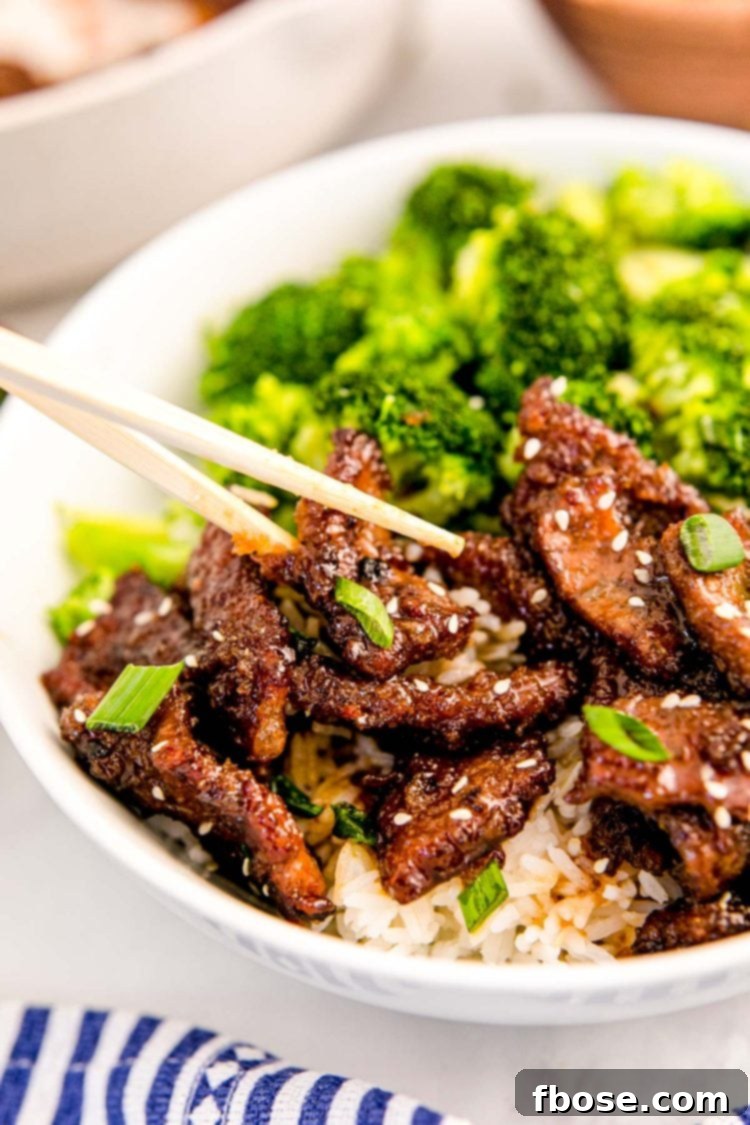
For a complete and wholesome meal, serve this delectable Mongolian Beef over a bed of fluffy steamed white rice, complemented by a vibrant side of crisp, steamed broccoli. The combination offers a harmonious blend of textures and flavors that will satisfy everyone at the table.
Why This Homemade Mongolian Beef Recipe is a Must-Try!
Discover what makes this Mongolian Beef recipe stand out as a fantastic choice for your dinner menu:
- Effortlessly Simple Ingredients: This recipe calls for mostly common pantry staples, making it incredibly convenient to whip up on any given weeknight. Even the fish sauce, perhaps the most unique ingredient, is readily available at most local grocery stores or Asian markets. These accessible components come together to create a profoundly flavorful and satisfying dish without requiring extensive shopping trips.
- Remarkably Quick Cooking Time: After a brief preparation phase, the actual cooking time for this Mongolian Beef is astonishingly fast – just around 20 minutes! This efficiency makes it a lifesaver for busy evenings when you want a delicious, hot meal on the table without spending hours in the kitchen. Dinner truly becomes a breeze with this speedy recipe.
- Excellent for Meal Prep & Freezing: One of the best features of this Mongolian Beef is its freezer-friendly nature. You can prepare a larger batch and easily freeze portions for days, weeks, or even months ahead. This makes meal prepping incredibly convenient, allowing you to enjoy a flavorful homemade dinner with minimal effort—simply reheat the beef and cook your preferred sides.
- Unforgettable Flavor Profile: This recipe perfectly balances the iconic sweet and savory notes with a hint of tang and a whisper of spice, resulting in a sauce that’s both irresistible and incredibly satisfying. The thinly sliced flank steak soaks up all these wonderful flavors, ensuring every bite is bursting with deliciousness.
This was delicious. I used light brown sugar because I didn’t have any dark brown sugar on hand. But even with the different sugar type, hubby didn’t stop raving about this dish. I already have dark brown sugar on my shopping list. But this dish is a keeper.
– Susan Dubose
Essential Ingredients for Your Authentic Mongolian Beef
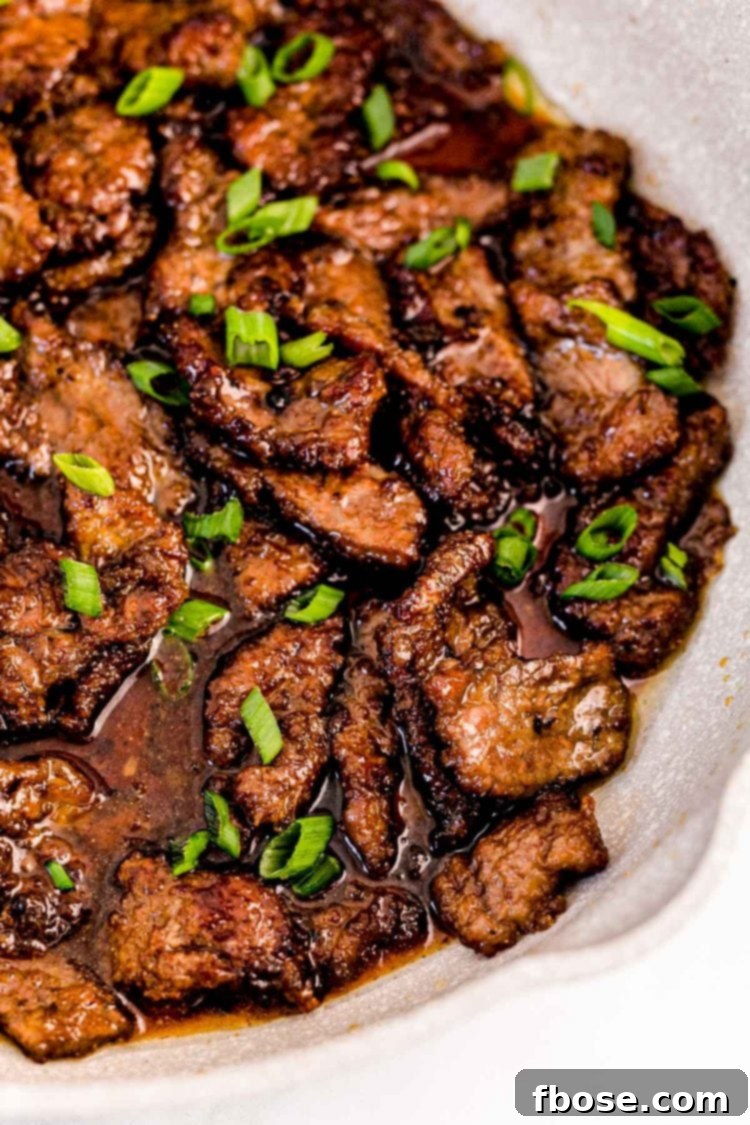
Crafting the perfect Mongolian Beef hinges on a thoughtful selection of ingredients that contribute to its signature taste and texture. This recipe relies on a harmonious blend of tender beef, a cornstarch coating for that desired crispiness, and a deeply flavorful sauce that balances sweet, salty, and umami notes.
Key Components Breakdown:
- Flank Steak: The star of the show. Flank steak is prized for its lean texture and rich beefy flavor. When sliced thinly against the grain, it becomes incredibly tender and absorbs the sauce beautifully. Coating it in cornstarch before cooking also helps to create a slightly crispy exterior while locking in moisture, contributing to that melt-in-your-mouth tenderness.
- Cornstarch: This serves a dual purpose. First, it tenderizes the beef, creating a delicate crust when seared. Second, it acts as the thickening agent for the sauce, giving it that characteristic glossy, sticky consistency that coats every piece of beef.
- Vegetable Oil: Essential for searing the beef to a beautiful golden brown and for sautéing the sauce ingredients. Its neutral flavor ensures the other ingredients shine through.
- Fish Sauce: Don’t let the name deter you! Fish sauce is a powerhouse of umami. It adds a crucial layer of deep, savory flavor and complexity to the sauce, without making it taste “fishy.” It’s an irreplaceable component for an authentic Asian taste.
- Light Brown Sugar & Honey: These two sweeteners are vital for achieving the dish’s signature sweet profile. Brown sugar offers a molasses-rich sweetness, while honey contributes a floral, complex depth. Together, they create a balanced sweetness that isn’t cloying.
- Lemon Juice: A splash of fresh lemon juice adds a bright, tangy counterpoint to the sweetness of the sugar and honey. It cuts through the richness, balancing the flavors and preventing the sauce from becoming too heavy.
- Garlic Powder & Ground Ginger: These aromatic spices are foundational to many Asian dishes. Garlic powder provides a pungent, savory base, while ground ginger offers a warm, zesty kick. They infuse the sauce with irresistible fragrance and depth.
- Cayenne Pepper: For those who enjoy a little warmth, cayenne pepper adds a gentle, subtle heat that complements the sweet and savory elements without overpowering them. Adjust the quantity to suit your preferred spice level.
- Scallions (Green Onions): Added at the very end, fresh scallions provide a vibrant green color, a mild oniony crunch, and a burst of fresh flavor that brightens the entire dish, serving as both a garnish and an essential flavor element.
Your Simple Guide to Crafting Delicious Mongolian Beef
Get ready for a remarkably quick and satisfying cooking experience! This entire meal comes together with about 30 minutes of active cooking time and a brief 10-minute resting period for the beef. During that resting time, I highly recommend preparing your steamed rice and crisp broccoli so everything is ready to serve simultaneously. Follow these straightforward steps to create your perfect Mongolian Beef:
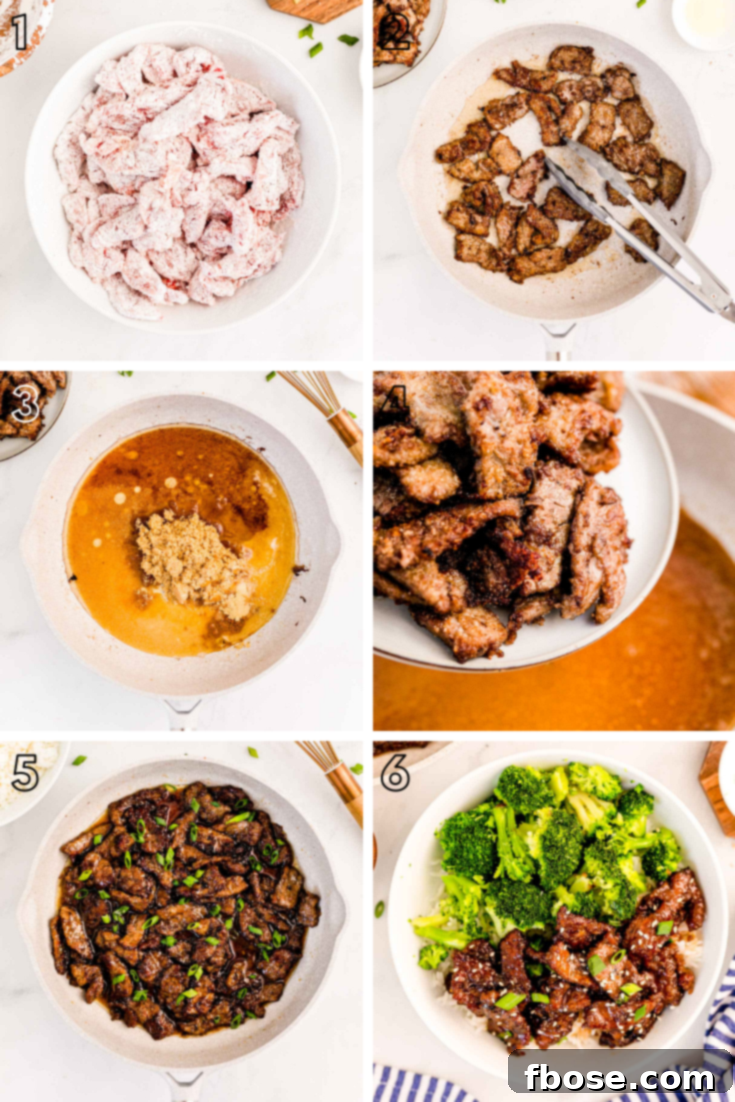
- Prepare the Beef: Begin by thinly slicing your flank steak against the grain. This crucial step ensures maximum tenderness. Once sliced, coat the beef pieces thoroughly in cornstarch. For an even and quick coating, you can place the beef and cornstarch in a large zip-top bag and shake it until all pieces are covered. Allow the coated meat to rest for at least 10 minutes; this helps the cornstarch adhere and contributes to a better sear.
- Sear the Flank Steak: Heat vegetable oil in a large skillet or wok over medium-high heat. Ensure the oil is hot but not smoking. Carefully add the coated beef slices in a single layer, making sure not to overcrowd the pan. Cooking in batches is often necessary to achieve a proper sear and even browning. If cooking in batches, you may need to add a little more oil to the pan as you go. Sear each side of the beef until beautifully browned and cooked through, typically about 1 minute per side. Once cooked, remove the beef from the pan and set it aside.
- Whisk Together the Flavorful Sauce: With the beef removed, reduce the heat slightly if needed. Into the same skillet, whisk together the fish sauce, light brown sugar, honey, fresh lemon juice, garlic powder, ground ginger, and cayenne pepper. Stir continuously to combine all ingredients and prevent any sugar from burning. The residual bits from searing the beef will add even more depth to the sauce.
- Simmer to Perfection: Bring the sauce mixture to a gentle boil over medium heat. Once boiling, reduce the heat to a low simmer. Continue stirring occasionally as the sauce gradually thickens to that desirable glossy consistency. This process usually takes a few minutes.
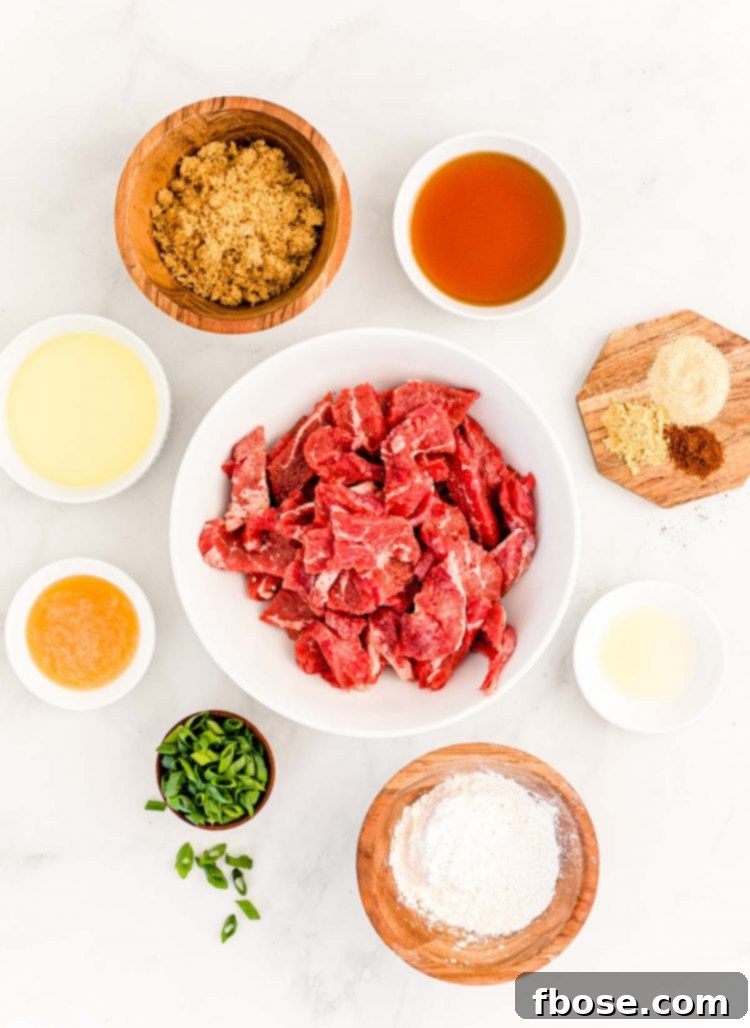
- Combine & Garnish: Once the sauce has thickened beautifully, return the seared flank steak to the skillet. Add the sliced scallions (green onions). Gently mix everything together, ensuring all the tender beef pieces are thoroughly coated in the rich, sticky sauce and the scallions are evenly distributed. Remove the skillet from the heat immediately to prevent overcooking the beef.
- Serve & Enjoy: Your magnificent Mongolian Beef is now ready! Plate it generously over fluffy steamed rice, and don’t forget your side of fresh steamed broccoli. Serve hot and savor the incredible flavors of this homemade delight!
Expert Tips for Crafting the Perfect Mongolian Beef
Achieving restaurant-quality Mongolian Beef at home is easier than you think with these expert tips:
- Slicing the Beef for Tenderness: The key to tender flank steak is slicing it against the grain. Identify the muscle fibers running through the meat and slice perpendicular to them. This shortens the fibers, making the beef much easier to chew. Aim for slices that are about ¼-inch thick for quick cooking and optimal texture. Partially freezing the flank steak for 20-30 minutes before slicing can also make it easier to cut very thin, even pieces.
- The Power of Cornstarch: Don’t skip the cornstarch coating! It not only tenderizes the meat but also creates a delicate crust when seared, helping the beef brown beautifully. A quick and easy way to coat the beef evenly is to place the sliced steak and cornstarch in a large resealable plastic bag, then shake vigorously until all pieces are covered. Ensure there are no dry spots.
- Searing in Batches: Resist the urge to overcrowd your pan. Cooking the beef in small batches is essential for achieving a good sear and preventing the meat from steaming instead of browning. Overcrowding lowers the pan’s temperature, resulting in pale, less flavorful beef. Work in batches and add a little more oil if needed between rounds. Also, be mindful not to overcook the beef during this initial searing, as it will return to the pan to simmer in the sauce, where it could become tough if already overdone.
- Mastering the Sauce: When making the sauce, ensure you stir frequently, especially once the sugars are added, to prevent burning. If you have any excess cornstarch residue left in the pan after searing the beef, you can incorporate it into the sauce to help thicken it, just be sure to whisk thoroughly to avoid any lumps. If you prefer a thicker sauce, you can create a cornstarch slurry (1 tablespoon cornstarch mixed with 1 tablespoon cold water) and whisk it into the simmering sauce until it reaches your desired consistency.
- Customizing Your Dish:
- Add More Veggies: While traditionally served with just scallions, feel free to toss in other quick-cooking vegetables like sliced bell peppers, snow peas, or shredded carrots during the last few minutes of simmering the sauce.
- Adjust Spice Level: For more heat, increase the amount of cayenne pepper or add a pinch of red pepper flakes. For a milder version, reduce or omit the cayenne.
- Sweetness Balance: Taste the sauce before adding the beef and adjust the sweetness or tanginess to your preference. A little more lemon juice or a dash of rice vinegar can brighten it, while a bit more brown sugar can mellow a sour note.
Serving Suggestions and Perfect Pairings
Mongolian Beef is incredibly versatile and pairs wonderfully with a variety of sides to create a well-rounded and satisfying meal. Here are some of my favorite ways to serve this delicious dish:
- Classic Steamed Rice: The most traditional and universally loved pairing. Fluffy white rice perfectly soaks up the rich, sticky sauce, offering a delightful contrast to the tender beef. Brown rice or jasmine rice also make excellent choices.
- Vibrant Steamed or Roasted Broccoli: The crisp-tender texture and slight bitterness of broccoli provide a fantastic balance to the sweet and savory beef. Steam it until bright green and slightly tender-crisp, or roast it with a drizzle of sesame oil for extra flavor.
- Stir-Fried Noodles: For a heartier meal, serve your Mongolian Beef over a bed of stir-fried lo mein or rice noodles. You can even toss some of the sauce directly with the noodles for an extra burst of flavor.
- Additional Stir-Fried Vegetables: Elevate your meal with a medley of other quick-cooking vegetables. Think sliced bell peppers (red, yellow, or orange), snap peas, water chestnuts, baby corn, or sliced carrots. You can stir-fry these separately or add them to the pan with the beef during the last few minutes of cooking.
- Garnish for Freshness: A final sprinkle of freshly chopped scallions is not just for aesthetics; it adds a burst of fresh, mild onion flavor and a pleasant crunch that brightens the entire dish. A scattering of toasted sesame seeds can also add a nutty aroma and elegant finish.
Storing and Reheating Your Delicious Leftovers
One of the many great things about this Mongolian Beef recipe is how well it keeps, making it perfect for meal prep or enjoying convenient leftovers throughout the week.
- Refrigeration: If you happen to have any leftovers (which might be a challenge!), allow the Mongolian Beef to cool completely before transferring it to an airtight container. Store it in the refrigerator for up to 4 days. This ensures its freshness and prevents bacterial growth.
- Freezing: For longer storage, Mongolian Beef freezes exceptionally well. Once cooled, place portions in freezer-safe airtight containers or heavy-duty freezer bags. It will maintain its quality in the freezer for up to 4 months. Thaw overnight in the refrigerator before reheating.
- Reheating Instructions:
- Stovetop: The best way to reheat is on the stovetop. Place the leftovers in a skillet over medium-low heat. Add a splash of water or beef broth to help loosen the sauce and prevent it from drying out. Stir occasionally until heated through.
- Microwave: For a quicker option, microwave individual portions in a microwave-safe dish. Heat in 1-minute intervals, stirring in between, until piping hot. Be careful not to overheat, as this can make the beef tough.
Getting stuck in a dinner rut happens to the best of us, often without even realizing it. Break free from culinary monotony by exploring more of my incredible beef recipes that are sure to become your new go-to meals! Each offers a unique flavor profile and cooking experience, guaranteeing you’ll find something to love.
- Burger Bowls – A satisfying and keto-friendly recipe, generously drizzled with a special sauce that truly packs a flavorful punch!
- Corned Beef Hash – A hearty and simple breakfast or brunch dish, featuring succulent brisket, diced potatoes, savory onions, and a blend of aromatic spices.
- Barbacoa Beef– Recreate the bold, spicy, and perfectly shredded beef from Chipotle right at home, all conveniently made in your slow cooker!
- Epic Ribeye Steak – Experience a truly amazing one-pan dinner that delivers a juicy, perfectly cooked ribeye steak infused with rosemary and served alongside crispy kale.
- Best Ever Meatloaf– An incredibly easy and comforting recipe featuring a classic, flavorful meatloaf topped with a sweet and tangy sauce made from ketchup, mustard, and brown sugar!
Save This Mongolian Beef Recipe for Later!
Simply click the button above to save this utterly delicious Mongolian Beef recipe to your favorite Pinterest board, so you can easily find it whenever a craving strikes!
Let’s Connect and Share Your Creations!
If you’ve tried this fantastic Mongolian Beef recipe, I would absolutely love to hear your thoughts! Please let me know how you liked it by leaving a comment and a review below. Your feedback truly means a lot to me!
And don’t forget to tag me – @sugarandsoulco – on Instagram and Pinterest with your beautiful photos, or join our Sugar & Soul Show-offs Community and share your culinary successes there, where you can also participate in our fun recipe challenges!
Mongolian Beef Recipe Card
Overall Rating: 5 out of 5 stars (Based on 6 votes)
Recipe by: Rebecca Hubbell
Course: Dinner, Main Course
Cuisine: Asian
- Prep Time: 20 minutes
- Cook Time: 20 minutes
- Total Time: 40 minutes
Servings: 4 people
Pin Recipe |
Rate This Recipe
Mongolian Beef is tender pieces of flank steak coated in a thick and sticky sweet but mild sauce that has dinner ready in just 40 minutes!
Ingredients:
- 16 ounces flank steak, thinly sliced
- ⅓ cup cornstarch
- 2-5 Tablespoons vegetable oil for searing
- ¼ cup fish sauce
- ⅓ cup light brown sugar
- 1 Tablespoon honey
- ½ Tablespoon lemon juice
- 1 teaspoon garlic powder
- ½ teaspoon ground ginger
- ¼ teaspoon cayenne pepper
- 3 scallions, sliced into one-inch stalks
Instructions:
- Coat the flank steak pieces thoroughly in cornstarch. Let the meat sit in the cornstarch for 10 minutes.
- Heat vegetable oil in a pan. Lay meat in a single layer to brown both sides until cooked through, about 1 minute on each side. You may need to work in batches and add more vegetable oil.
- Once the meat is cooked, set it aside. Whisk the fish sauce, light brown sugar, honey, lemon juice, garlic powder, ground ginger, and cayenne pepper into the skillet. Stir frequently to prevent burning.
- Once the sauce starts to boil, turn the heat down to let it simmer until it thickens, stirring occasionally.
- When the sauce has thickened, add the flank steak back to the sauce, then add in the scallions. Mix together well and remove from heat.
- Plate and serve over rice.
Recipe Notes:
- You may have some excess cornstarch remain in the pan between batches. This can be worked into the sauce to help thicken it, but ensure to whisk the sauce well to break up any chunks. Alternatively, wipe down the pan slightly after each batch to avoid burnt cornstarch chunks.
- To coat the beef quicker, place it in a ziplock bag with the cornstarch and shake it all together. Be sure to check that the beef is well coated.
- I recommend cooking the beef in batches as this allows the pieces to brown beautifully on both sides. Try not to overcook them initially, as they will go back into the pan later and may get a little tough if overdone.
- If you have any leftovers, store them in an airtight container for up to 4 days in the refrigerator. It will also freeze well for up to 4 months.
Nutrition Information:
Calories: 356kcal | Carbohydrates: 34g | Protein: 26g | Fat: 13g | Saturated Fat: 8g | Cholesterol: 68mg | Sodium: 1586mg | Potassium: 511mg | Fiber: 1g | Sugar: 23g | Vitamin A: 144IU | Vitamin C: 3mg | Calcium: 56mg | Iron: 2mg
Did You Make This Recipe?
Don’t forget to share it with me on Instagram @sugarandsoulco and follow on Tiktok @sugarandsoulco and Pinterest @sugarandsoulco for more!
Pin Recipe
Share Recipe