

Baking Bacon in the oven is an easy method for cooking perfect bacon, the best part is, no mess! Enjoy the bacon immediately or save for other recipes!
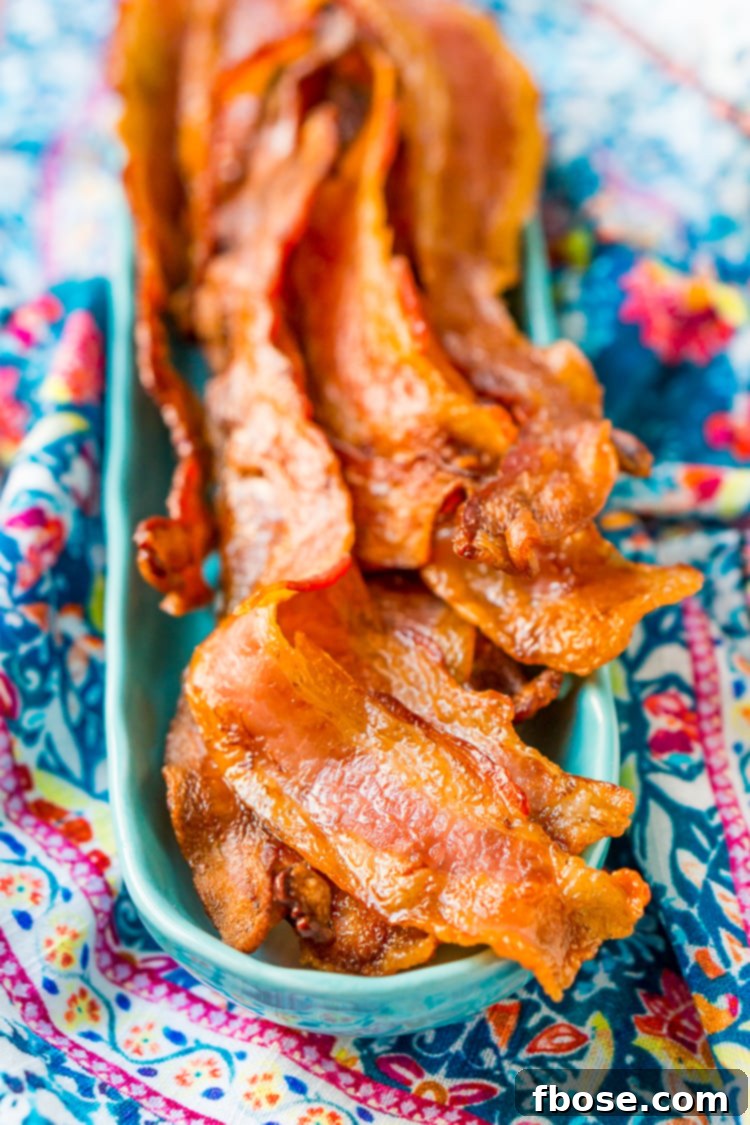
The Ultimate Guide to Perfectly Crispy, Mess-Free Oven Baked Bacon
For many, bacon isn’t just a breakfast food; it’s a culinary obsession, a crispy, savory delight that elevates any meal. If you’re someone who cooks bacon regularly for yourself or your family, you know the struggle of greasy splatters, constant flipping, and difficult cleanup. But what if there was a way to achieve perfectly cooked bacon every single time, with minimal effort and virtually no mess? Enter oven-baked bacon – a game-changing method that will revolutionize your kitchen routine.
Traditional pan-frying often leaves you dodging hot oil, scrubbing a greasy stovetop, and dealing with the proper disposal of excess fat. This outdated approach can be dangerous, messy, and frankly, a hassle. This comprehensive guide will walk you through the simple, safe, and incredibly effective technique of baking bacon in your oven, ensuring consistently delicious results without the usual fuss. Prepare to discover your new favorite way to cook bacon!
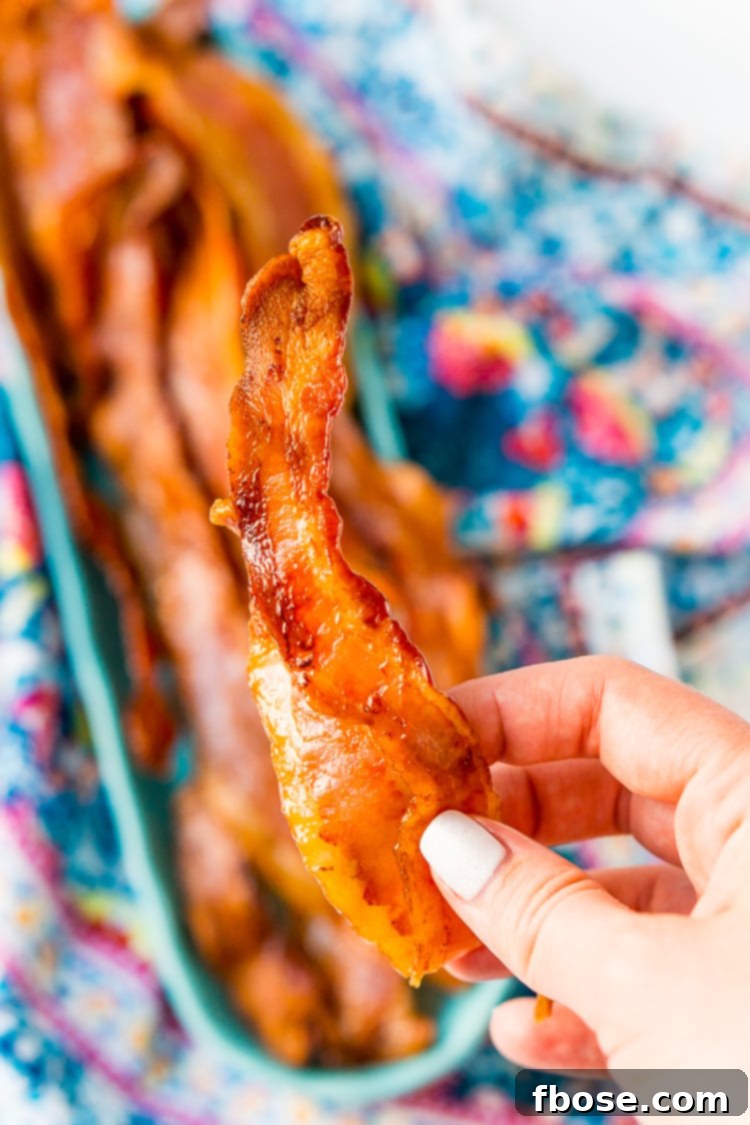
Why Oven Baking is the Best Way to Cook Bacon
If you’ve spent years standing over a hot stove, meticulously flipping bacon strips and wiping away grease, it’s time for an upgrade. Baking bacon in the oven offers a multitude of benefits that make it the superior cooking method for home cooks and seasoned chefs alike:
- Mess-Free Cooking: This is arguably the biggest advantage. By cooking bacon in the oven, you eliminate the notorious splattering of hot grease across your stovetop. The bacon cooks evenly within the confined space of the oven, keeping the mess contained to the baking sheet below.
- Hands-Off Convenience: Once the bacon is in the oven, your work is largely done until it’s time to remove it. No more standing by the stove, constantly flipping, and adjusting heat. This frees you up to prepare other breakfast items, pack lunches, or simply enjoy a cup of coffee.
- Consistent Results: The even heat distribution in an oven ensures that each strip of bacon cooks uniformly. Say goodbye to burnt ends and undercooked centers. Whether you prefer your bacon perfectly crispy or slightly chewy, the oven delivers predictable perfection.
- Effortless Cleanup: With the right setup (which we’ll detail below), cleaning up after baking bacon is astonishingly simple. The grease drips neatly onto a foil-lined pan, which can be easily crumbled and discarded once the fat solidifies.
- Scalability for Any Occasion: Need to cook a large batch for a crowd, a family brunch, or for weekly meal prepping? Oven baking allows you to cook multiple pounds of bacon simultaneously on one or more baking sheets, a feat nearly impossible with a standard frying pan.
- Safer Cooking Environment: Reduced splatter means a lower risk of burns from hot oil, making this a much safer cooking method, especially if you have children or pets around your kitchen.
- Optimal Texture Control: Achieve your desired bacon texture every time. Whether you crave brittle, extra-crispy strips or a more tender, chewable bite, the oven method provides easy control over the final outcome.
Choosing the Right Bacon for Your Oven
While the oven method works wonderfully for nearly any type of bacon, selecting the right variety can enhance your experience and the final product’s texture and flavor:
- Thick-Cut Bacon: This is often the preferred choice for oven baking due to its robust nature. Its thickness allows for a longer cooking time, which translates to a more even render of fat, a reduced risk of burning, and a meatier, more satisfying chew. It also tends to shrink less dramatically than thinner cuts.
- Standard-Cut Bacon: If you prefer a lighter, crispier texture that cooks faster, standard-cut bacon is a fantastic option. Just be sure to keep a closer eye on it, as its thinner profile means it can crisp up quickly and potentially burn if left unattended for too long.
- Flavor Profiles: Don’t hesitate to experiment with different flavor profiles. Varieties like applewood smoked, hickory smoked, maple-cured, or peppered bacon all perform exceptionally well in the oven. The steady, dry heat of the oven helps to concentrate and bring out the nuances of these flavors beautifully, creating truly gourmet results.
- Uncured vs. Cured: Both uncured and cured bacon can be baked in the oven. Uncured bacon, often labeled “no nitrates or nitrites added,” tends to have a slightly different flavor and texture, but cooks just as well.
Essential Tools for Oven Baked Bacon Success
Achieving perfect, mess-free oven bacon requires just a few simple, common kitchen tools. You likely already have most of these on hand:
- Large Rimmed Baking Sheet: This is a non-negotiable item. The raised edges (rims) are crucial for preventing rendered bacon grease from dripping off the pan and onto the bottom of your oven. A standard half-sheet pan (approximately 13×18 inches) is the ideal size for most batches of bacon.
- Aluminum Foil or Parchment Paper: Lining the baking sheet is the secret to effortless cleanup. Aluminum foil is excellent for capturing grease and can be easily molded to fit the pan. Parchment paper is another great option, especially for preventing sticking, and it also simplifies the cleanup process.
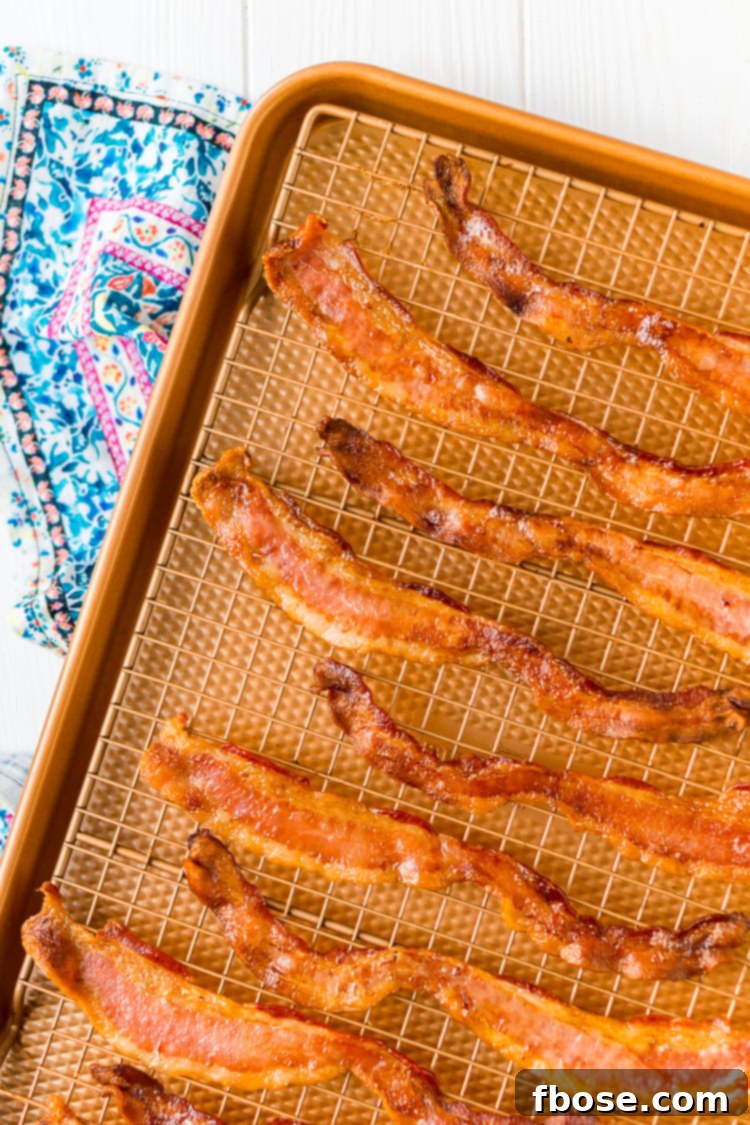
- Oven-Safe Wire Rack: This is the secret weapon for truly crispy bacon. Placing the bacon strips on a wire rack allows air to circulate evenly around each piece, promoting consistent browning and crisping. More importantly, it allows the rendered fat to drip away from the bacon, preventing it from frying in its own grease and ensuring a lighter, crisper texture. If you prefer softer, chewier bacon, you can simply skip the rack and place the bacon directly on the foil.
- Kitchen Tongs: Essential for safely handling hot bacon strips, transferring them from the rack to a plate, and flipping if you choose to. Their length helps keep your hands away from the hot pan and grease.
- Paper Towels: A plate lined with a few layers of paper towels is perfect for blotting any residual grease from the cooked bacon, ensuring it’s as crisp and enjoyable as possible.
Step-by-Step Guide: How to Bake Bacon Perfectly
Ready to transform your bacon-cooking game? Here’s a simple, foolproof method to achieve delicious, mess-free oven-baked bacon every single time:
- Preheat Your Oven: Start by preheating your oven to 415 degrees F (218 degrees C). This higher temperature ensures the bacon cooks quickly and crisps up nicely without becoming dry or rubbery. A thoroughly preheated oven is key for even cooking.
- Prepare Your Pan: Line a large rimmed baking sheet with aluminum foil, extending it slightly up the sides to form a barrier for the grease. This makes cleanup incredibly easy, as the foil will catch all the rendered bacon fat. Next, place an oven-safe wire cooling rack directly on top of the foil-lined baking sheet. This elevated setup allows air to circulate around the bacon and lets the grease drip away, promoting consistent crispness.
- Arrange the Bacon: Carefully lay the strips of bacon in a single layer on the wire rack. They can be touching slightly, as they will shrink considerably during cooking, but it’s crucial to avoid overlapping them. Overlapping will prevent them from cooking evenly and achieving that desirable crispy texture. Give each strip its own space.
- Bake to Perfection: Place the baking sheet in the preheated oven. Bake for approximately 20 to 22 minutes for thick-cut bacon, or about 15-20 minutes for standard-cut bacon. Cooking times can vary based on your oven’s calibration, the specific thickness of your bacon, and your desired level of crispness.
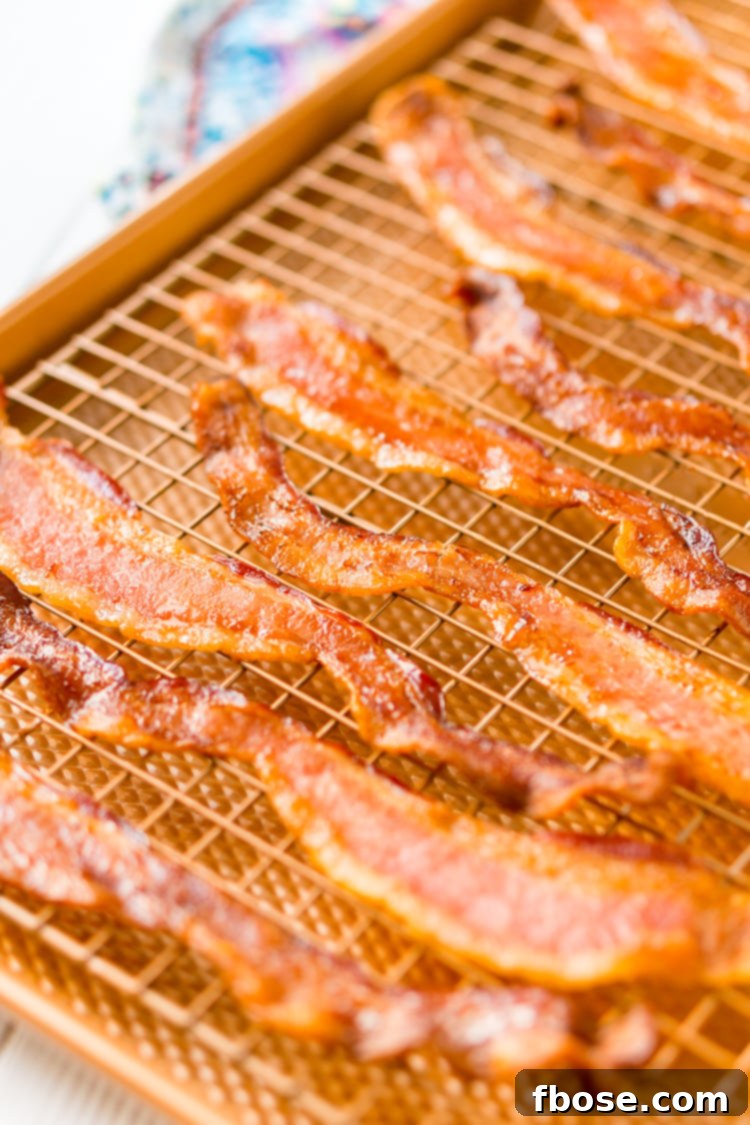
- Monitor and Adjust: It’s a good idea to check your bacon a couple of times during the last few minutes of cooking. Look for golden-brown edges and your preferred level of crispness. The delicious aroma filling your kitchen will also be a strong indicator that it’s nearly done! For crispier bacon, cook a few minutes longer; for softer bacon, remove it slightly earlier.
- Careful Removal: When the bacon is cooked to your liking, carefully remove the hot baking sheet from the oven. Always use oven mitts or heat-resistant gloves. Be extra cautious, as the pan will be extremely hot and contain rendered bacon grease.
- Drain Excess Oil: Using kitchen tongs, gently transfer the cooked bacon strips from the wire rack to a plate lined with several layers of paper towels. This crucial step helps absorb any remaining excess oil, ensuring your bacon is perfectly crisp, less greasy, and ready to enjoy.
- Cool and Cleanup: Allow the rendered bacon grease on the aluminum foil to cool completely on the baking sheet. Once the grease has solidified (it will turn opaque and firm), you can easily crumble the foil around it and discard it in the trash, leaving you with virtually no mess to scrub from the pan. Remember: never pour hot bacon grease down the kitchen sink, as it can solidify and cause severe clogs in your plumbing system.
Tips for the Best Baked Bacon Experience
Elevate your oven-baked bacon game with these expert tips and tricks, ensuring perfect results every time:
- Achieving Crispy vs. Chewy: The key to achieving your preferred texture lies in the wire rack. For ultra-crispy bacon, always use the wire rack; the air circulation and drainage of fat are essential. If you prefer your bacon softer and chewier, skip the rack altogether and place the strips directly on the foil-lined baking sheet. They will cook in their own rendered fat, resulting in a more tender and pliable texture.
- Ensuring Even Cooking: For extremely consistent results, particularly if your oven has hot spots, consider rotating your baking sheet halfway through the cooking time. This ensures all sides of the bacon are exposed to uniform heat, leading to perfectly cooked strips from end to end.
- Flavor Boosts: Experiment with simple additions to enhance your bacon’s flavor. Before baking, try sprinkling your bacon with a pinch of freshly ground black pepper for a savory kick. For a delicious candied effect, a light dusting of brown sugar or a drizzle of maple syrup can create an irresistible sweet and savory glaze.
- Batch Cooking and Storage: Oven baking is exceptionally well-suited for meal preparation. Cook a larger batch than you need for a single meal. Once cooked, let the bacon cool completely on paper towels. Then, store it in an airtight container or a resealable bag in the refrigerator for up to 5 days. Reheat gently in the microwave for a few seconds or in a warm oven for a few minutes.
- Don’t Waste the Bacon Fat: That rendered bacon grease is a culinary goldmine! Once it has cooled and solidified on the foil, carefully scrape it into a heat-proof jar or container and store it in the refrigerator. It’s an excellent ingredient for cooking eggs, sautéing vegetables (like green beans or collard greens), adding depth to cornbread, or even making a flavorful roux for gravy.
- Cold Start Method (Optional): Some chefs advocate starting bacon in a cold oven, then turning it on. This allows the fat to render slowly and evenly, potentially resulting in flatter, crispier bacon. While this method can yield great results, it generally adds to the overall cooking time. Our preheated oven method is quicker and still delivers excellent texture.
Common Mistakes to Avoid When Baking Bacon
Even with such a straightforward method, a few missteps can hinder your journey to perfect oven-baked bacon. Steer clear of these common errors for optimal results:
- Using a Flat or Rimless Baking Sheet: A baking sheet with a good rim (at least 1 inch high) is non-negotiable. Without rims, the hot, liquid grease can easily spill over the sides of the pan and drip onto the heating elements or bottom of your oven, creating smoke, a burning smell, and a significant fire hazard and mess.
- Overlapping Bacon Strips: As previously mentioned, overlapping bacon strips is a common mistake. Each strip needs its own space to allow for proper air circulation and even heat exposure. When strips overlap, they steam rather than crisp, resulting in unevenly cooked, soggy, or undercooked areas.
- Forgetting to Line the Pan with Foil (or Parchment): While you *could* bake bacon without lining the pan, you’d be signing yourself up for a much tougher, greasier cleanup job. The foil (or parchment paper) is your best friend for catching the rendered grease and making disposal incredibly easy. Without it, you’ll be scrubbing baked-on grease from your baking sheet.
- Not Monitoring Cooking Time: Ovens vary significantly in temperature and performance, and bacon thickness differs from brand to brand. Relying solely on a timer without checking for doneness can lead to undercooked, fatty bacon or, conversely, burnt, brittle strips. Visual cues (golden brown color) and the irresistible aroma are your best guides for determining when your bacon is perfectly cooked.
- Pouring Hot Grease Down the Drain: This is a major plumbing hazard and a big no-no. Hot grease solidifies as it cools and can cause severe clogs in your kitchen sink and household plumbing system over time. Always let the rendered grease cool and solidify on the foil before discarding the foil, or carefully pour the liquid grease into a heat-safe container (like an old coffee can or jar) for later disposal or storage for cooking.
- Opening the Oven Too Frequently: While it’s good to check on your bacon, constantly opening the oven door causes significant temperature fluctuations. This can prolong cooking time and prevent the bacon from crisping evenly. Try to limit peeking to just a couple of times during the final few minutes of baking.
Beyond Breakfast: Creative Ways to Enjoy Baked Bacon
While a classic breakfast side, oven-baked bacon is incredibly versatile and can be incorporated into countless dishes throughout the day. Its consistent crispness and rich flavor make it a fantastic ingredient to elevate a wide array of recipes:
- Salads: Crumble crispy baked bacon over a fresh Cobb salad, a vibrant spinach salad, a classic wedge salad, or even a simple garden salad for an irresistible burst of smoky flavor and delightful texture.
- Sandwiches and Wraps: Elevate your everyday meals by adding perfectly cooked bacon to your favorite BLT, a hearty club sandwich, a flavorful chicken ranch wrap, or even a gourmet grilled cheese.
- Pasta Dishes: Incorporate chopped or crumbled bacon into creamy carbonara, a refreshing pasta salad, a savory mac and cheese, or a simple Aglio Olio for a rich, savory depth that transforms the dish.
- Burgers and Hot Dogs: Top your favorite grilled burgers, hot dogs, or even veggie burgers with a slice or two of crispy bacon for an instant, irresistible upgrade that adds crunch and flavor.
- Garnishes: Finely chop crispy bacon to create a flavorful garnish. Sprinkle it over creamy soups (like potato or corn chowder), deviled eggs, loaded baked potatoes, roasted Brussels sprouts, or even use it as a topping for savory muffins.
- Appetizers and Snacks: Enjoy perfectly baked bacon on its own as a quick, savory snack. For elegant appetizers, wrap it around dates (stuff with cheese first!), scallops, or asparagus spears before a quick broil or re-bake.
- Sweet & Savory Pairings: Explore unique combinations like chocolate-covered bacon or use crumbled bacon as a topping for maple donuts or cupcakes for an intriguing flavor contrast.
Try these delicious recipes that benefit from perfectly baked bacon:
- Three Cheese Bacon Mac and Cheese
- Chicken Bacon Ranch Pasta Salad
- Club Sandwich
- 5-Ingredient Bacon Spaghetti Aglio Olio
No longer will cooking bacon be a dreaded, messy chore. With the oven-baked method, you’ll achieve perfect, crispy (or chewy) bacon with minimal effort and easy cleanup every single time. Give this game-changing technique a try, and you’ll wonder why you ever cooked bacon any other way!
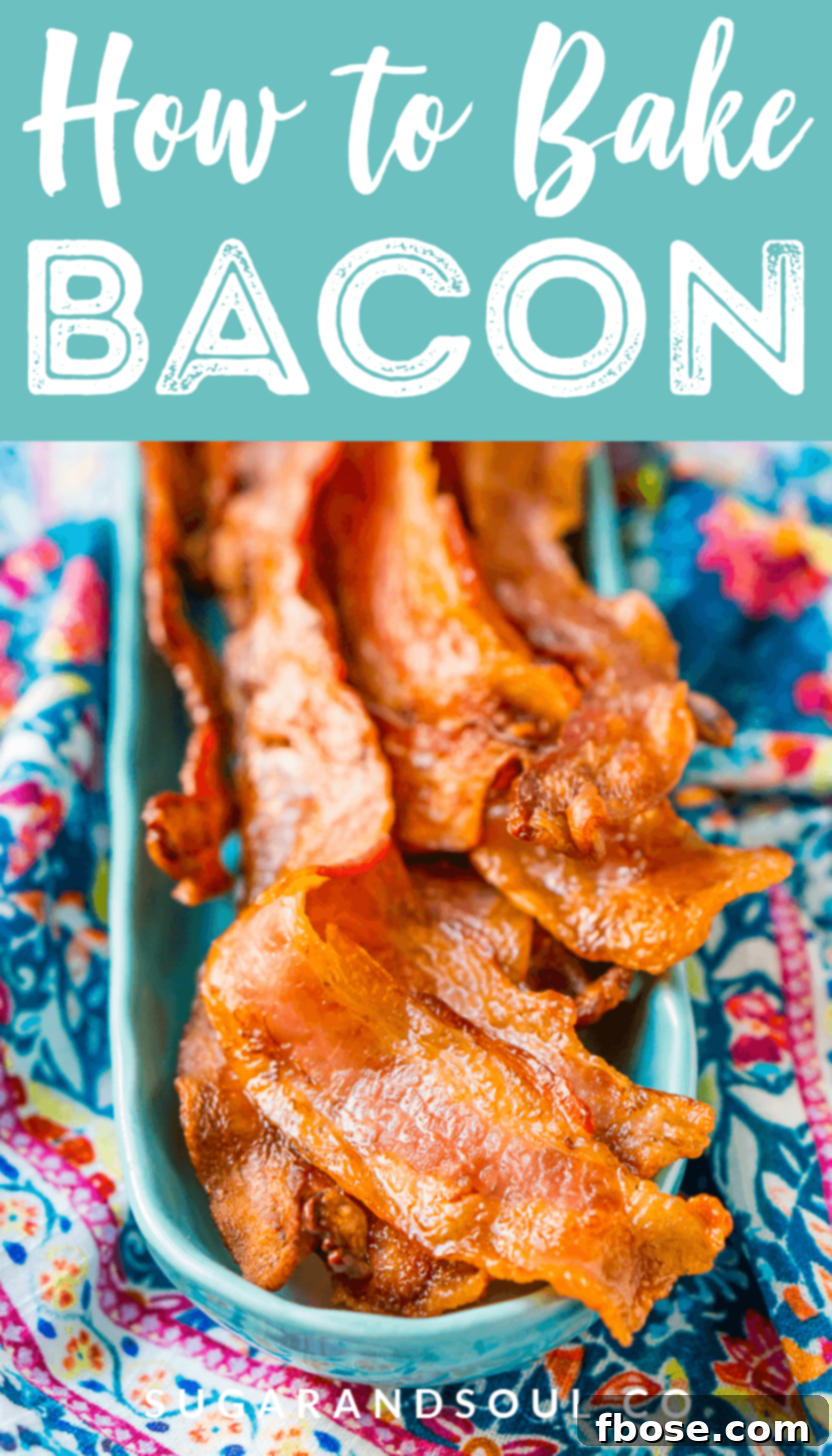
Pin this Baking Bacon Recipe for Later!
Let’s Connect!
I created a fun little group on Facebook and I’d love for you to join in! It’s a place where you can share YOUR favorite recipes, ask questions, and see what’s new with Sugar & Soul (so that you never miss a new recipe)! If you’d like to check it out, you can request to join HERE.
Be sure to follow me on Instagram and tag #sugarandsoulco so I can see all the wonderful recipes YOU make from this site! You can also Subscribe to my Newsletter so you never miss a delicious recipe again!
How To Bake Bacon
Ingredients
- 1 lb bacon
Instructions
-
Preheat the oven to 415 degrees F and line a large rimmed baking sheet with aluminum foil, and place a cooling rack on top.
-
Place the strips of bacon on the cooling rack (they can be touching since they shrink, but don’t let them overlap). As they cook, the grease will drip down onto the aluminum-lined baking sheet. When you remove the pan from the oven, be very careful since it will have bacon droppings in it and you don’t want to burn yourself.
-
Bake the bacon for 20 to 22 minutes, depending on thickness. It’s a good idea to check it a couple times to make sure it gets cooked how you like it. Cook longer for crispy bacon.
-
After cooking, transfer the strips onto a paper towel-lined plate to soak up the excess oil.
Notes
- Nutrition Facts are an estimate based on 1 lb of bacon.
Nutrition
Did You Make This Recipe?
Don’t forget to share it with me on Instagram @sugarandsoulco and follow on Tiktok @sugarandsoulco and Pinterest @sugarandsoulco for more!
Pin Recipe
Share Recipe