
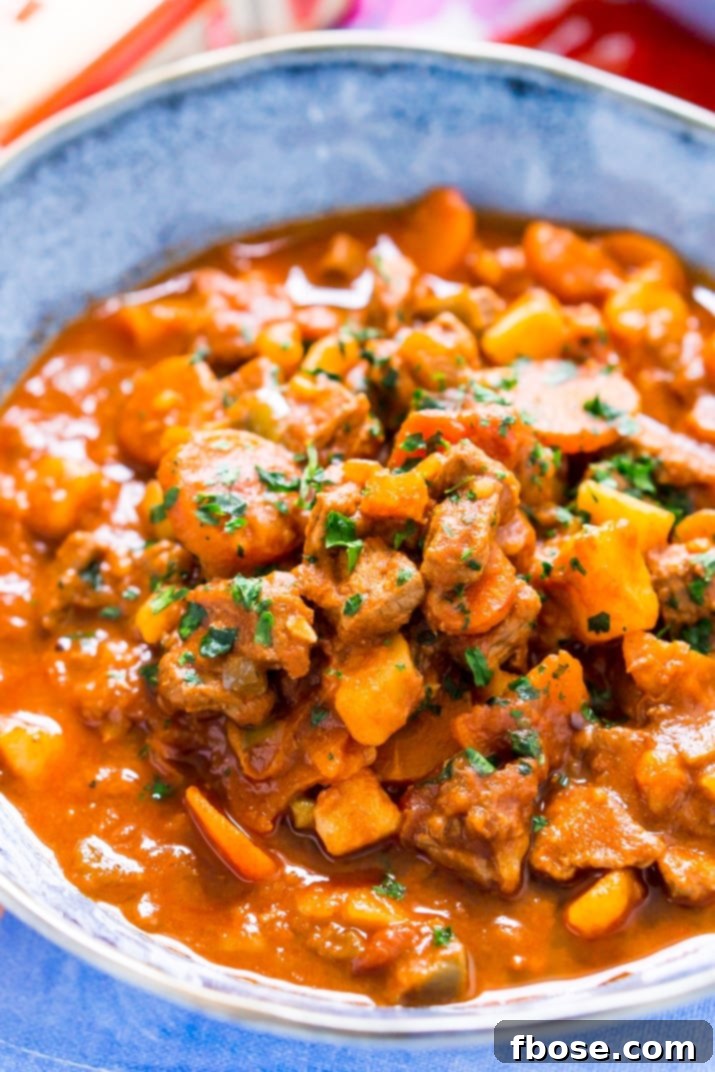
Discover the ultimate Hungarian Goulash recipe – a deeply flavorful and satisfying stew packed with tender beef, root vegetables, and the signature warmth of sweet paprika. This easy-to-follow, one-pot dinner is perfect for cozy evenings and makes delightful leftovers.
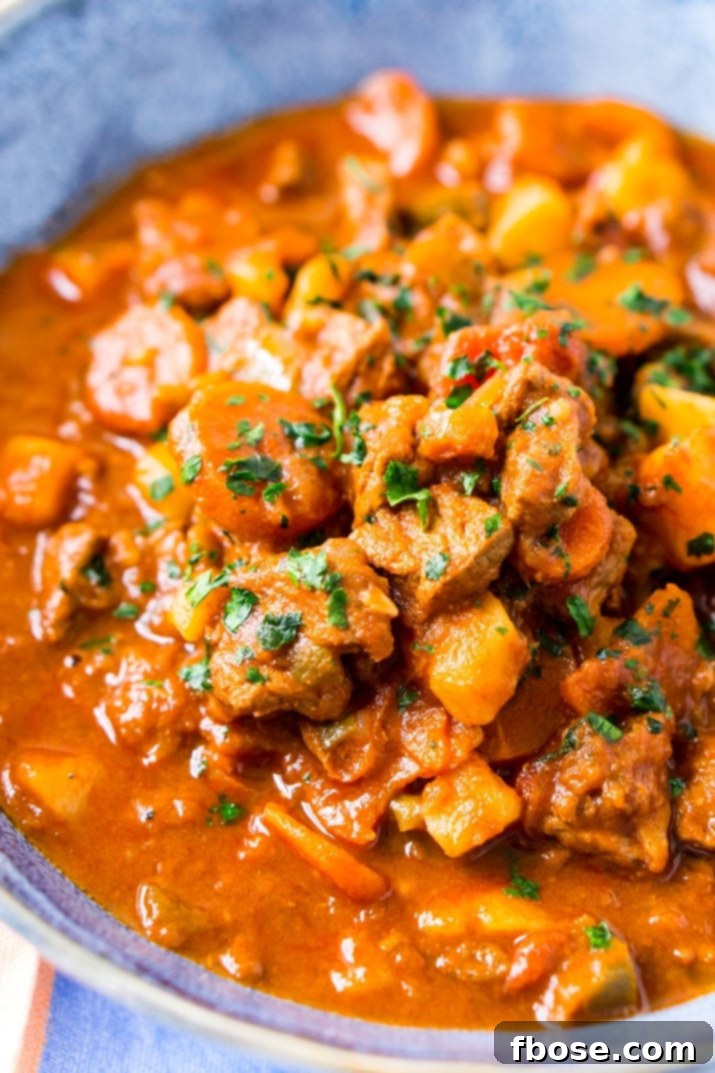
Authentic & Hearty Hungarian Goulash Recipe
There’s an undeniable magic in discovering new culinary traditions, especially when traveling. For me, exploring a new destination is as much about the vibrant flavors as it is about the breathtaking sights. Food offers a unique window into a culture, a way to connect with its history and people, and even a means to revisit those cherished memories long after you’ve returned home.
My recent journey through Hungary profoundly impacted my appreciation for Central European cuisine. It’s a region I believe is vastly underrated, boasting not only stunning landscapes but also a culinary heritage that speaks volumes of love and meticulous care in every dish. The warmth and complexity of Hungarian Goulash, in particular, left an indelible mark, inspiring me to recreate its comforting essence in my own kitchen.
The traditional Hungarian Goulash, as many know it today, has a rich history of evolution. Its roots stretch back to the 9th century, when Magyar cattle herders, known as ‘gulyás’ (meaning herdsman), cooked their meals outdoors over open fires. These nomadic cowboys would carry dried meat and vegetables, rehydrating and simmering them in a cauldron with water to create a hearty, sustaining stew. It was a practical, nourishing meal for life on the plains, long before one of its most defining ingredients was introduced.
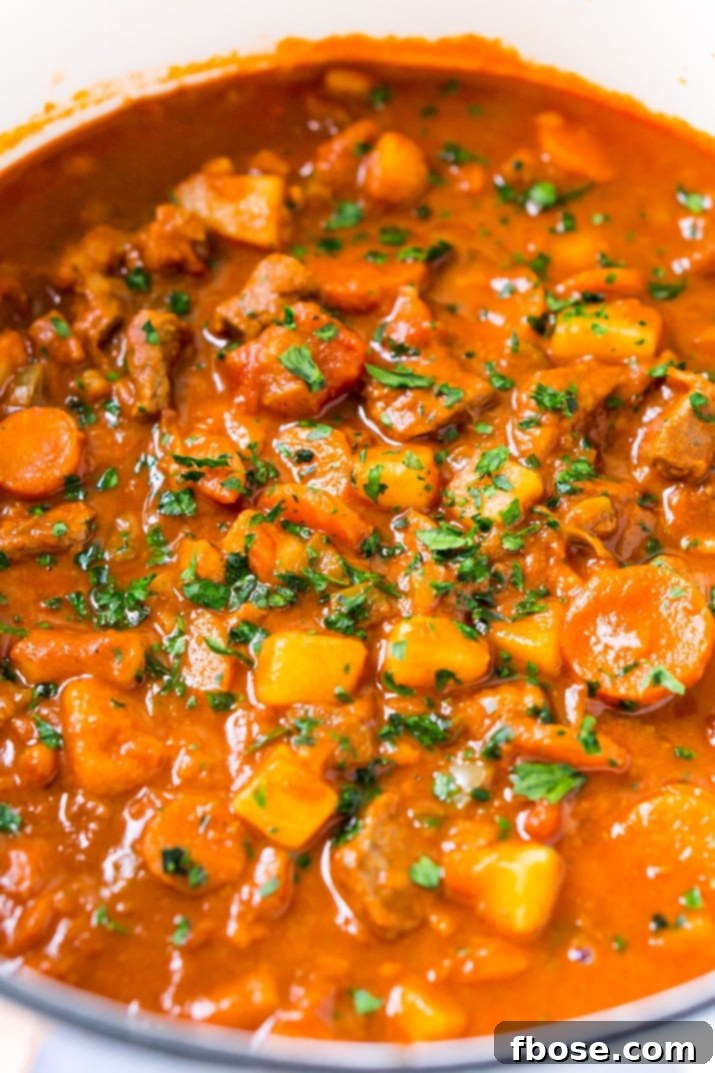
The iconic Hungarian sweet paprika, which gives goulash its characteristic color and depth of flavor, didn’t make its way into the recipe until the 16th century. Originating from the Americas, capsicum peppers were brought to Europe and eventually cultivated in Hungary, where they flourished. Over centuries, Hungarian paprika evolved into a prized spice, renowned for its vibrant red hue and distinct sweet, earthy notes, becoming an indispensable ingredient in many national dishes, including goulash.
This particular recipe is a delightful fusion of my family’s time-honored traditions and the modern approach to Hungarian Goulash, generously infused with authentic sweet paprika. While every Hungarian family proudly guards their own unique goulash recipe, each with beloved adaptations, this rendition aims to capture the soul-satisfying experience I had during my travels. I make no claim of this being the singular “authentic” or “best” recipe; however, I can confidently say it’s exceptionally delicious and incredibly comforting. It’s also important to note that American Goulash, sometimes referred to as Chop Suey, is a distinctly different dish, typically pasta-based and with a much milder flavor profile.
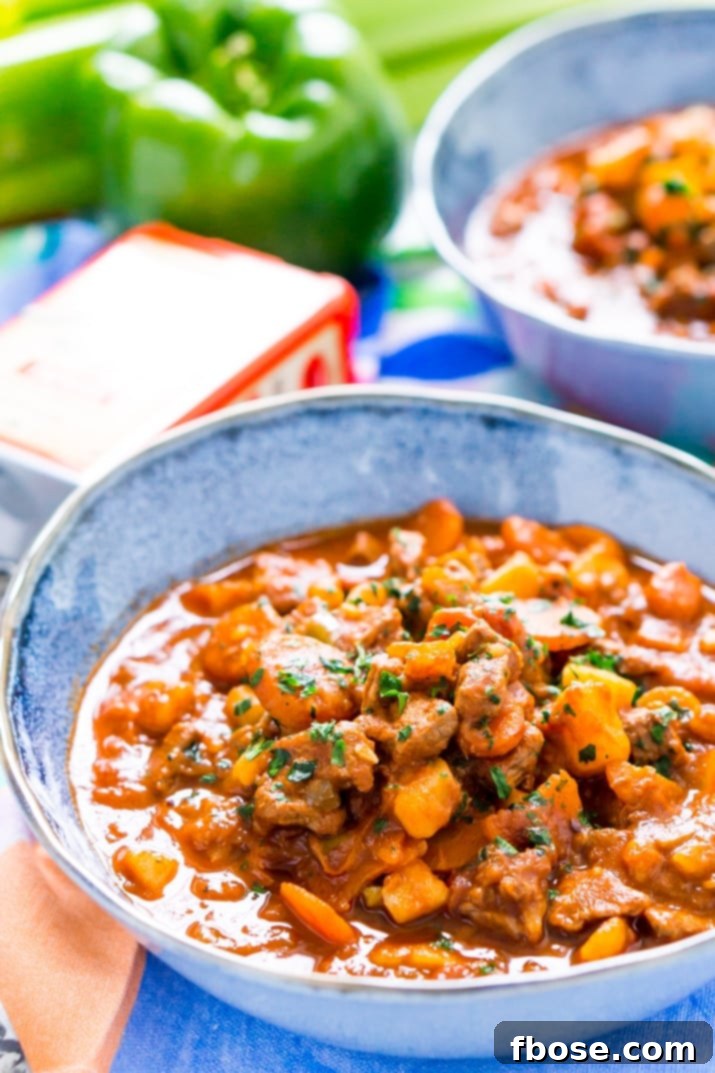
My most vivid memory of goulash comes from a recent trip to Budapest. Despite a few travel hiccups, including an unexpected lack of heat in our Airbnb during a chilly evening, a steaming bowl of goulash paired with a mug of mulled wine proved to be the ultimate comfort. That rich, inviting stew, brimming with incredible flavor, was truly an experience. I’ve strived to recreate that exact feeling with this recipe, capturing its deep warmth and complexity, and the best part? It all comes together in just one pot! You can’t beat the convenience and minimal cleanup of a one-pot meal.
Beyond goulash, another standout dish I savored was Hungarian Chicken Paprikash, further cementing my love for Hungary’s culinary treasures as much as for its beautiful landscapes.
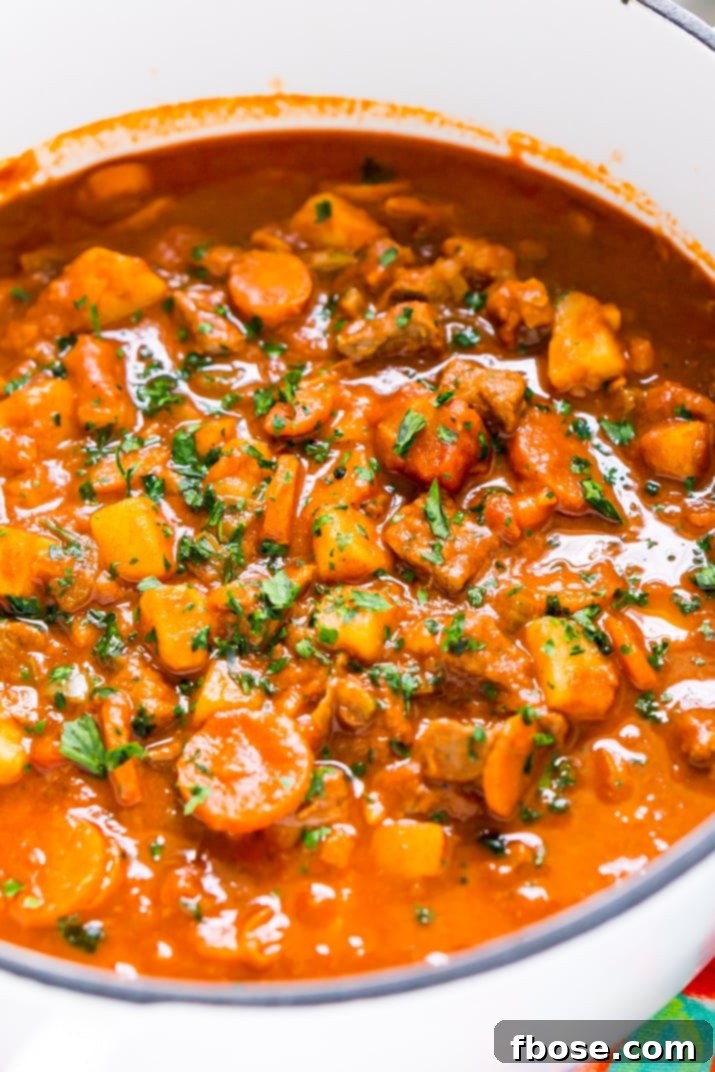
Understanding Hungarian Goulash: Key Ingredients and Flavor Profile
At its core, Hungarian Goulash is a magnificent beef stew, but it’s the careful selection and balance of ingredients that elevate it into something truly special. My version includes premium stewing beef, generous amounts of sweet paprika, wholesome potatoes, savory onions and garlic, vibrant bell peppers, diced tomatoes for a hint of acidity, robust beef broth, crisp carrots and celery, a bay leaf for aromatic depth, caraway seeds for a subtle anise-like note, and a touch of red wine vinegar to brighten all the flavors. Salt and pepper are, of course, added to taste, ensuring perfect seasoning.
The magic starts with the beef. Choosing the right cut, like chuck roast or stewing beef, ensures that after a slow simmer, the meat becomes incredibly tender and melt-in-your-mouth. Browning the beef thoroughly at the beginning is crucial for developing a rich, foundational flavor that permeates the entire stew. This caramelization creates a complex depth that cannot be achieved any other way.
Then comes the trinity of aromatics: onions, garlic, and bell peppers. These are not merely fillers; they form the aromatic base upon which the goulash is built. Slowly caramelizing the onions adds natural sweetness, while garlic provides its pungent warmth. Bell peppers, particularly green ones, contribute a fresh, slightly bitter counterpoint that rounds out the savory profile.
The Star Spice: Hungarian Sweet Paprika
No discussion of Hungarian Goulash is complete without highlighting its defining ingredient: paprika. Not just any paprika, but Hungarian sweet paprika. It’s a spice unlike any other, offering a beautiful bright red color and a sweet, slightly smoky, and earthy flavor profile without any heat. It’s the soul of the dish, providing both color and a unique depth that sets it apart from other stews. The quantity might seem surprising to some – up to half a cup in this recipe – but trust me, it’s essential for achieving that authentic, rich Hungarian taste. My husband initially doubted the amount, but after tasting the result, he became a true believer!
Caraway seeds, another classic Hungarian spice, add a subtle, intriguing complexity. Their slightly licorice-like, peppery flavor complements the paprika and beef beautifully, tying all the elements together. Finally, the slow simmering process allows all these incredible ingredients to meld, creating a stew that’s rich, comforting, and deeply satisfying.
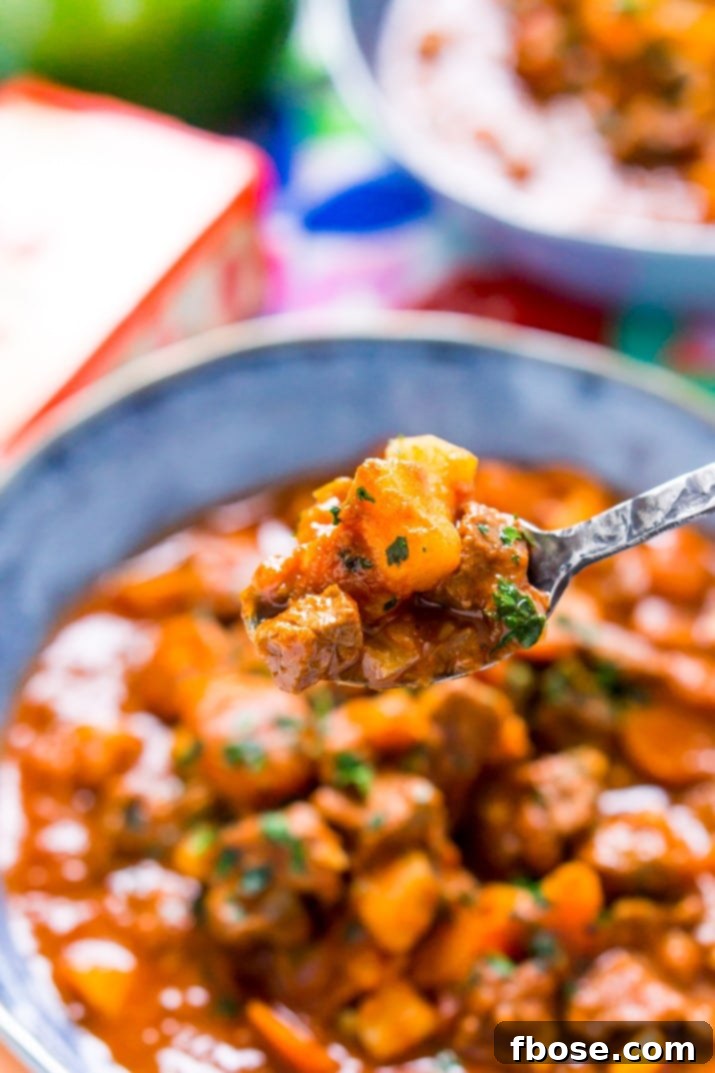
Hungarian Goulash
Ingredients
- 2 tablespoons vegetable oil
- 1 1/2 lbs stewing beef cut small
- 2 medium onions diced
- 2 cloves garlic minced
- 1/2 cup Hungarian Sweet Paprika divided
- 3 carrots diced
- 2 stalks celery diced
- 2 green peppers seeded and diced
- 2 Yukon gold potatoes peeled and diced
- 1 (14.5 oz.) can diced tomatoes
- 1 bay leaf
- 1/4 teaspoon caraway seed
- 4-5 cups beef broth*
- 1 tablespoon red wine vinegar
- salt to taste
- pepper to taste
Instructions
-
Heat the vegetable oil in a large Dutch oven over medium-low heat.
-
Add the cubes of meat to the pot and brown the outside, stirring occasionally.
-
Once browned, add the onions and cook for another 3 to 4 minutes until the onions are translucent.
-
Add the garlic and 1/4 cup of the paprika and cook for 1 more minute, stirring to combine.
-
Add the remaining ingredients (except the vinegar) to the pot and simmer for 45 to 60 minutes, goulash is ready when the potatoes are tender.
-
Remove bay leaf and add the vinegar, then season to taste with salt and pepper.
Notes
- The generous amount of 1/2 cup of sweet paprika is not a mistake and is crucial for the authentic flavor and rich color of this Hungarian Goulash. Please ensure you use sweet Hungarian paprika, not hot, smoked, or plain traditional paprika, as they will dramatically alter the taste profile. You can find high-quality sweet paprika here.
- As my great-grandfather always emphasized, dicing the meat and vegetables into relatively small, uniform pieces is key. This ensures even cooking and allows each bite to contain a harmonious blend of flavors and textures.
- This recipe is crafted to result in a stew-like consistency, largely due to the starch released by the potatoes, which naturally thickens the liquid. If you prefer a more soup-like goulash, feel free to add additional beef broth or water to achieve your desired consistency. It’s important to ensure the broth covers all ingredients for optimal simmering; I recommend starting with 4 cups and adjusting as needed.
Nutrition
Serving Suggestions and Perfect Pairings
Hungarian Goulash is a meal in itself, but it truly shines when served with traditional accompaniments. A dollop of sour cream or a sprinkle of fresh parsley often provides a delightful contrast to the rich flavors. Crusty bread is a must for soaking up every last drop of the savory gravy. For a truly authentic experience, consider serving it with nokedli (Hungarian dumplings, similar to spaetzle) or a simple side of boiled or mashed potatoes. A light, fresh cucumber salad or pickled vegetables can also offer a refreshing counterpoint to the stew’s richness.
Recipe Variations: Tailor Your Goulash
While this recipe offers a delicious foundation, Hungarian Goulash is wonderfully adaptable. Don’t hesitate to personalize it to your taste:
- **Potato or Pasta?** If you’re not a fan of potatoes in your goulash, pasta is a very common alternative. For the best texture, I recommend cooking your pasta (such as egg noodles or small macaroni) separately and then ladling the hot goulash over it just before serving. This prevents the pasta from becoming overly soft or soaking up too much liquid from the stew.
- **Low-Carb Option:** For a leaner, starch-free version, simply omit the potatoes or pasta. The stew remains incredibly flavorful and hearty, allowing the rich beef and vegetable flavors to take center stage.
- **Alternative Meats:** While beef is traditional, you can experiment with other proteins. Veal, pork, or lamb can be used, offering a different, yet equally delicious, character to the stew. Just be mindful of cooking times, as some meats may cook faster or require different simmering durations to reach tenderness.
- **Vegetable Boost:** Feel free to add other root vegetables like parsnips or turnips for extra flavor and nutrition. Mushrooms also make a fantastic addition, deepening the umami notes.
- **Spice Level:** If you enjoy a bit of heat, you can add a pinch of hot Hungarian paprika alongside the sweet variety, or a dash of cayenne pepper. Start small and adjust to your preference.
Expert Tips for the Best Hungarian Goulash
- **Quality Paprika Matters:** Investing in high-quality, authentic Hungarian sweet paprika is paramount. It truly makes a significant difference in the final taste and vibrant color of your goulash. Look for brands imported from Hungary for the most authentic flavor.
- **Browning is Key:** Don’t rush the initial browning of the beef. This step creates a beautiful crust and develops deep, complex flavors through the Maillard reaction, which is fundamental to a rich stew. Brown the meat in batches if necessary to avoid overcrowding the pot.
- **Small Dice for Consistency:** As my great-grandfather taught, dicing the beef and vegetables into small, uniform pieces (around 1-inch cubes for beef, and smaller for vegetables) ensures they cook evenly and integrate beautifully into the stew, providing a satisfying texture in every spoonful.
- **Adjusting Consistency:** This recipe typically yields a thick, hearty stew. If you prefer a thinner, more soup-like consistency, simply add more beef broth or even water until it reaches your desired texture. Always ensure the liquid covers all ingredients during simmering to prevent drying out and ensure even cooking.
- **Storage and Reheating:** Goulash is one of those magical dishes that often tastes even better the next day as the flavors continue to meld. Store leftovers in an airtight container in the refrigerator for up to 3-4 days. It also freezes beautifully for up to 3 months. Thaw overnight in the refrigerator and reheat gently on the stovetop, adding a splash of broth if needed to restore its perfect consistency.
Embrace the warmth and tradition of this magnificent Hungarian Goulash. It’s a culinary journey in a bowl, perfect for sharing with family and friends or simply savoring as a comforting indulgence.
Pin this Recipe for Later!
Did You Make This Recipe?
Don’t forget to share it with me on Instagram @sugarandsoulco and follow on Tiktok @sugarandsoulco and Pinterest @sugarandsoulco for more!
Pin Recipe
Share Recipe