8 Ounces Isn’t Always 1 Cup
If you’ve ever wondered why some recipes list 1 cup of flour as 4.25 ounces instead of 8 ounces, you’re not alone. I get this question pretty frequently, and it’s one of the most common points of confusion in home cooking and baking.
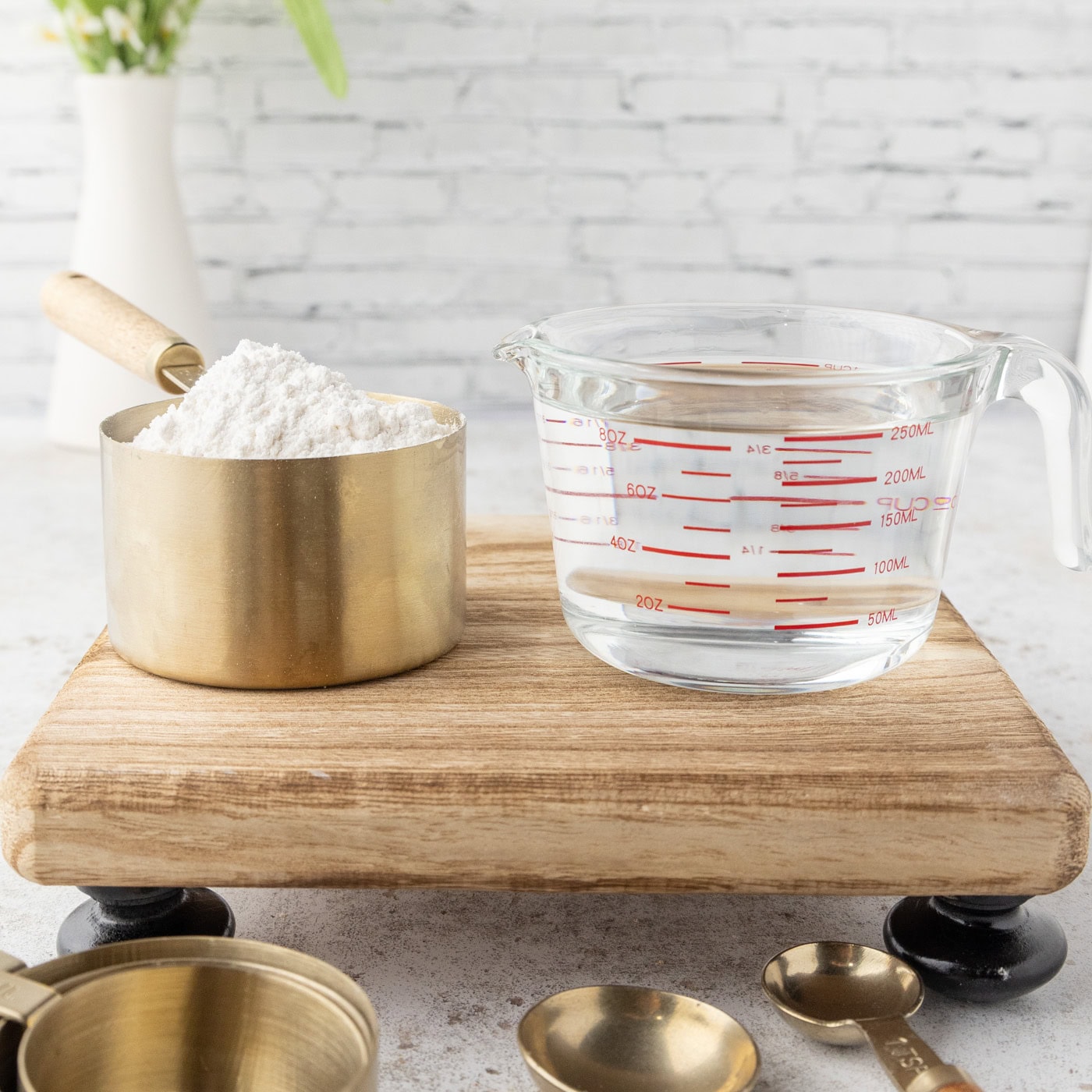
If you’ve ever wondered why some recipes list 1 cup of flour as 4.25 ounces instead of 8 ounces, you’re not alone. I get this question pretty frequently, and it’s one of the most common points of confusion in home cooking and baking.
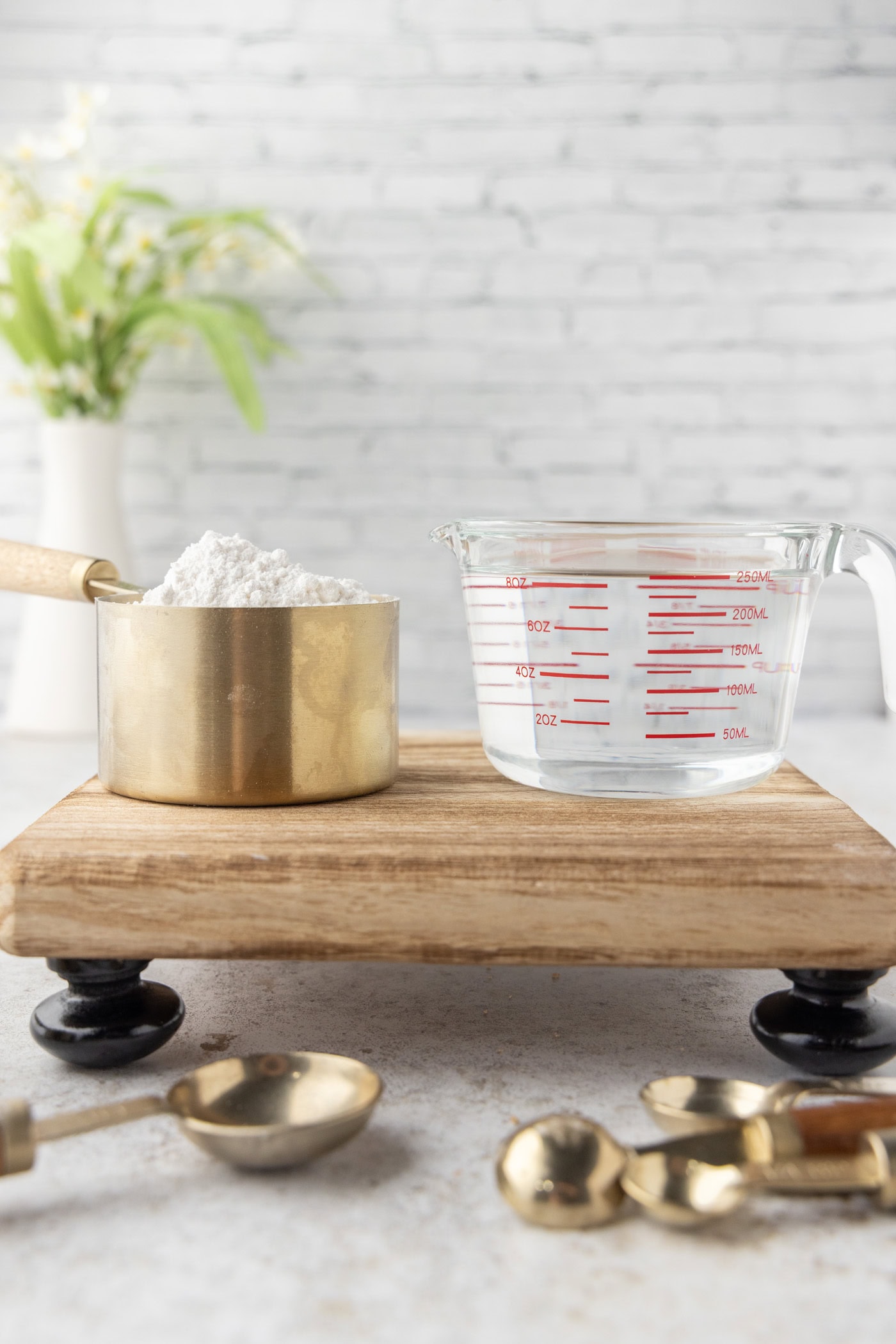
So let’s go ahead and get this cleared up, once and for all.
Cups Measure Volume. Ounces Measure Weight.
Here’s the most important thing to understand:
- Cups measure volume (how much space something takes up)
- Ounces measure weight (how heavy something is)
They are measuring two completely different things. That’s why 1 cup does NOT automatically equal 8 ounces.
The Example I Often Use Makes it Easy to Visualize
Let’s say you take the same 1-cup measuring cup and fill it with different things:
- Mini marshmallows
- Flour
- Sugar
- Pebbles
Each one fills the same space, one cup, but each one weighs a different amount. Some ingredients are light and airy, while others are dense and heavy.
Example:
- 1 cup marshmallows is very light
- 1 cup flour is medium weight
- 1 cup pebbles is very heavy
Same cup, but totally different weights.
So Why the Misconception of “1 Cup = 8 Ounces”?
Because this is only true for liquids, and even then, it’s an approximation based on water. If you look at a glass liquid measuring cup, there are measurements for cups, ounces, and milliliters on the side. These same measuring cups have contributed to the confusion of 8 ounces equalling a cup. That’s because the 8 ounce mark is at the same position as the 1 cup mark. But here’s why:
For most common liquids used in cooking or baking:
- 1 cup water = 8 fluid ounces
- 1 cup milk = 8 fluid ounces
- 1 cup oil = 8 fluid ounces
That’s because liquids are measured in fluid ounces, which is a volume measurement, not a weight measurement. This is where the confusion usually starts.
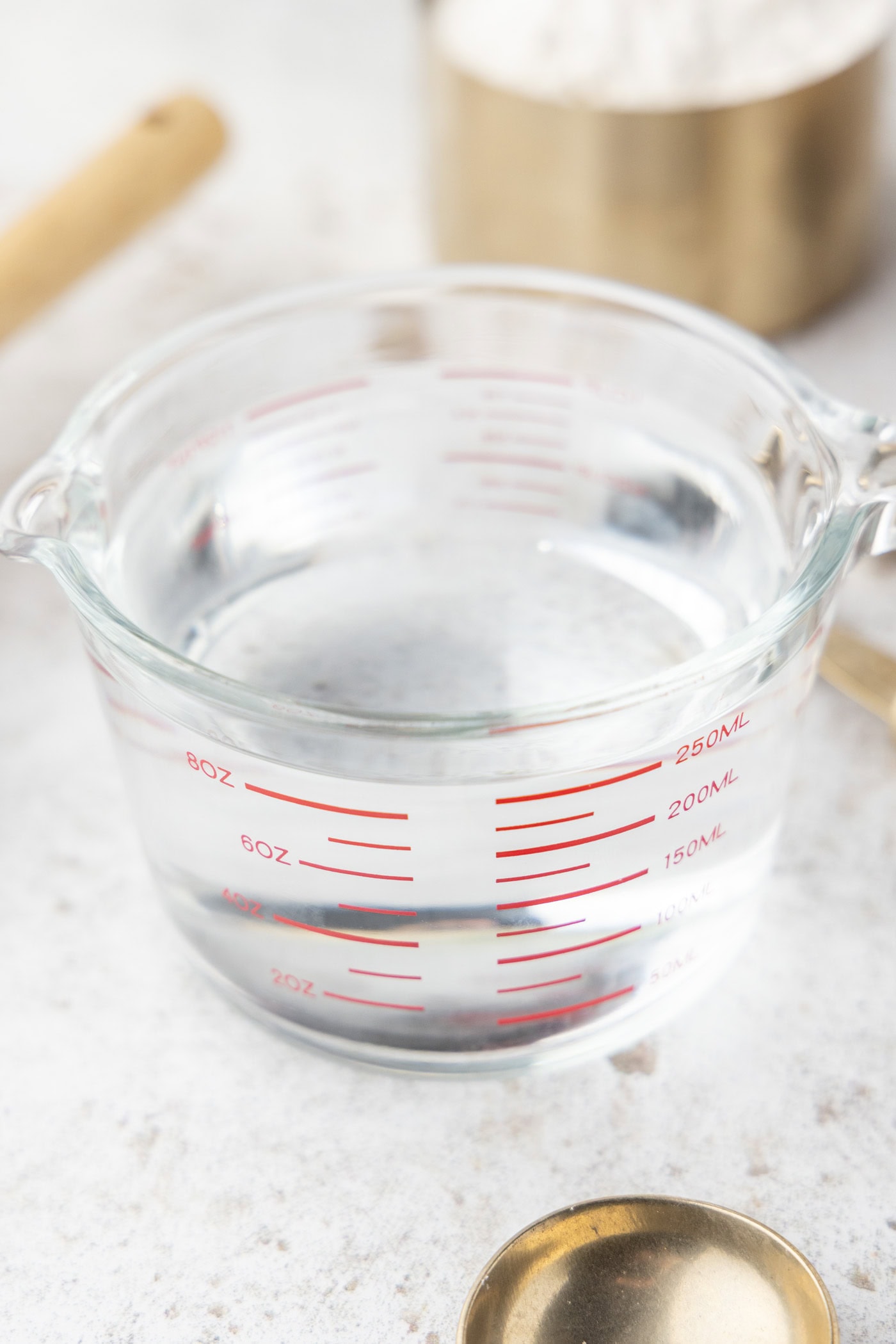
Fluid Ounces vs Weight Ounces
They sound the same, but they’re different:
- Fluid ounces (fl oz) = volume
- Ounces (oz) = weight
A measuring cup shows fluid ounces, while a kitchen scale shows weight ounces.
Why Is 1 Cup of Flour Only 4.25 Ounces?
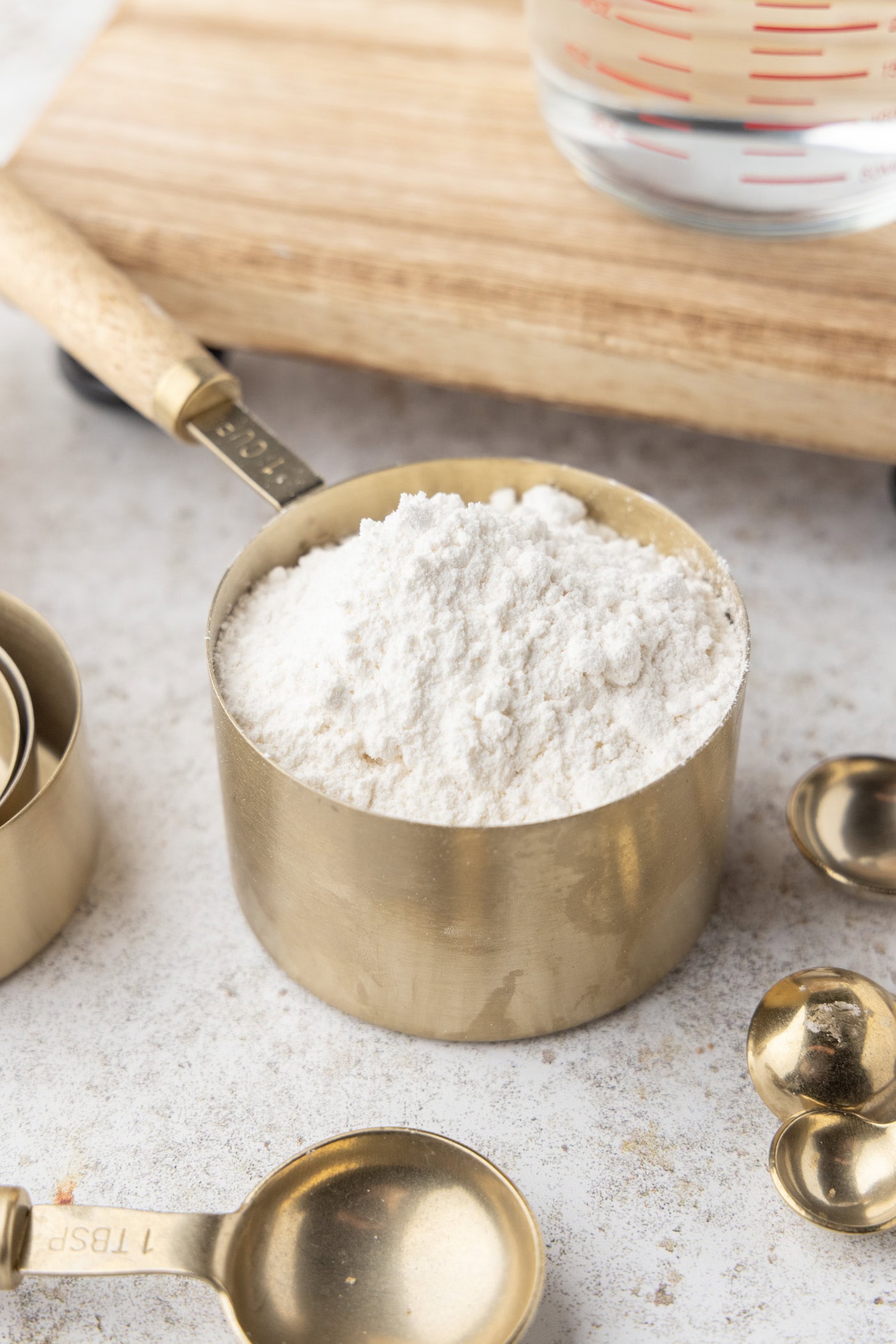
Flour is light and fluffy. When properly measured (lightly spooned into the cup and leveled off), it simply does not weigh 8 ounces.
On average, 1 cup of all-purpose flour weighs about 4.25 ounces (120 grams). If flour actually weighed 8 ounces per cup, your baked goods would turn out dense, dry, and heavy. That’s why professional bakers rely on weight – it’s more precise and consistent.
Why Weight Measurements Are More Accurate
When you use a dry measuring cup to scoop flour directly from the bag:
- You compress the flour
- You pack more into the cup
- You end up with extra flour
Two people can measure “1 cup of flour” and end up with very different amounts.
But when you weigh ingredients:
- 4.25 ounces is always 4.25 ounces
- No guessing
- No packing differences
That’s why you’ll often see weights listed in well-tested recipes like ours. We use a kitchen scale to give you the exact weights we used to create the recipe.
The Simple Rule to Remember
Here’s an easy way to keep it straight:
- Only liquids reliably measure 1 cup as 8 fluid ounces.
- Dry ingredients vary by density.
Why I List Both Cups and Weights in Recipes
In America, most recipes are written using cup measurements, therefore people are used to cooking and baking using these measurements. With baking, it’s important to be precise to get the right results, so when you see something like:
- 1 cup flour (4.25 ounces)
It’s not a mistake — it’s intentional.
It helps:
- New cooks using measuring cups
- Experienced bakers using kitchen scales
- You get consistent results
Everyone wins. If you’ve ever struggled with baking results, understanding this one concept can make a huge difference.
Once you stop thinking of cups and ounces as interchangeable, everything starts to make sense.
I hope this helps, happy baking and cooking!
More recipes to try
Eight more recipes from the kitchen.
Guide to The Best and Worst Low Carb Vegetables
Whether you’re trying to lose weight or hoping to stabilize your blood…
Slow Cooker 101
A slow cooker can change the game when it comes to easy, dump-and-go…
How to Reuse Pickle Juice
Have you ever wondered how to reuse pickle juice instead of pouring it…
Easy Decorated Sugar Cookies
Love the way decorated sugar cookies look, but you think you could…
Foodie Gift Guide
Do you have a foodie on your holiday list this year? We’ve compiled a…
How to Roast Garlic
We can show you how to roast garlic so well that you’ll be slathering…
10 Ways to Use Your Mini Food Processor
If you’re like me, you’ve got one of these cute little numbers tucked…
How to Create Decorative Vegetables
A holiday table adorned with decorative vegetables is pleasing to the…